Sideways Cross Necklace White Gold: Metal Properties & Durability Guide
Discover why a sideways cross necklace in white gold outperforms other metals. We compare 14k vs 18k alloys, rhodium plating, and structural durability.

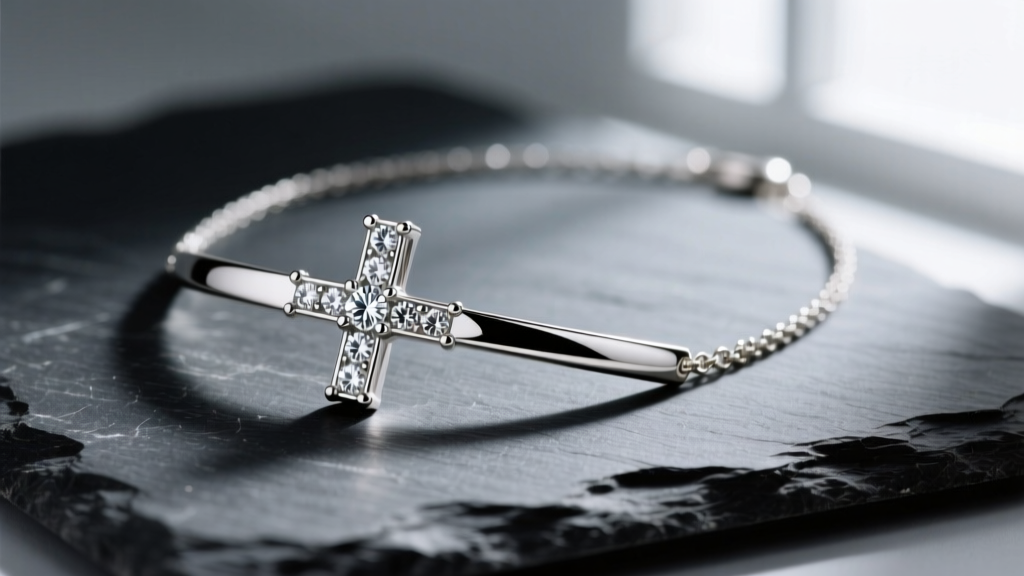
The sideways cross necklace has evolved from a niche religious symbol into a staple of modern minimalist and layered jewelry aesthetics. However, the horizontal orientation of this pendant introduces unique structural and metallurgical challenges that traditional vertical pendants simply do not face. When you are investing in a sideways cross necklace white gold design, understanding the specific material properties, alloy compositions, and wear patterns is critical to ensuring the piece survives daily use without bending, breaking, or losing its luster.
In this comprehensive material guide, we break down the physics of horizontal pendants, compare white gold alloys against alternative metals, and provide actionable insights on chain pairing and maintenance for long-term durability.
The Physics of the Horizontal Orientation
Unlike a standard vertical cross where gravity pulls the pendant straight down from the bail, a sideways cross acts as a horizontal lever. The bail is typically soldered to the top of the vertical stem, but the extending horizontal arms shift the center of gravity outward.
When the horizontal bar catches on a sweater, a seatbelt, or even a high neckline, the torque applied to the bail and the vertical stem is magnified. This lateral stress demands a metal with high tensile strength and a bail solder joint that can withstand multi-directional pulling. According to the Gemological Institute of America (GIA), the structural integrity of a jewelry piece is heavily dependent on the alloy's hardness and the precision of its casting, both of which are pushed to the limit by the sideways cross design.
Metallurgical Breakdown: 14k vs. 18k White Gold
White gold is not a naturally occurring metal; it is an alloy of pure yellow gold mixed with white metals like nickel, palladium, copper, and zinc to achieve a silver-like hue and increased durability. For a sideways cross, the karat weight drastically affects how the horizontal arms will perform under stress.
14k White Gold (58.5% Pure Gold)
14k white gold is the industry standard for durability. Because it contains a higher percentage of alloy metals, it boasts a Vickers Hardness (HV) rating of approximately 130 to 160, depending on the specific alloy mix. This makes it rigid enough to support thin, elongated horizontal cross arms without sagging or bending during daily wear.
18k White Gold (75% Pure Gold)
18k white gold offers a richer, heavier feel and a higher intrinsic value, but it is inherently softer (around 120 HV). If you choose an 18k sideways cross, the horizontal arms must be cast slightly thicker to compensate for the lower tensile strength. Ultra-thin, minimalist 18k sideways crosses are highly prone to warping if subjected to lateral tension.
The Nickel vs. Palladium Alloy Debate
The "white" in white gold comes from the bleaching agents used in the alloy. Nickel creates a harder, whiter, and less expensive metal, but it is a known allergen affecting roughly 15% of the population. Palladium-white gold is hypoallergenic and highly resistant to tarnish, but it is more expensive and slightly softer, requiring master jewelers to adjust their casting temperatures to avoid micro-porosity in the extending arms of the cross.
Material Comparison: White Gold vs. Alternatives
How does white gold stack up against other popular metals for a sideways cross pendant? The World Gold Council notes that gold alloys offer a unique balance of malleability for intricate casting and durability for lifelong wear. Below is a comparative analysis of materials commonly used for horizontal pendants.
| Material | Vickers Hardness (HV) | Tensile Strength | Rhodium Plating Required? | Avg. Price Range (2026) |
|---|---|---|---|---|
| 14k White Gold (Nickel) | 150 - 160 | High | Yes | $250 - $600 |
| 14k White Gold (Palladium) | 130 - 140 | Medium-High | Yes | $350 - $800 |
| 18k White Gold | 115 - 125 | Medium | Yes | $500 - $1,200+ |
| Platinum 950 | 120 - 140 (Work-hardens) | Very High | No (Naturally white) | $800 - $2,500+ |
| Sterling Silver 925 | 60 - 70 | Low | No (But tarnishes) | $40 - $150 |
Note: Platinum is denser and heavier, which can actually cause a sideways cross to flip upside down more frequently on the chest due to the weight of the horizontal arms dragging the chain. White gold offers a lighter, more stable drape.
The Rhodium Plating Reality: Maintenance and Wear Patterns
All white gold jewelry is electroplated with rhodium, a rare platinum-group metal, to achieve its brilliant, mirror-like white finish. The plating is typically applied at a thickness of 0.75 to 1.0 microns.
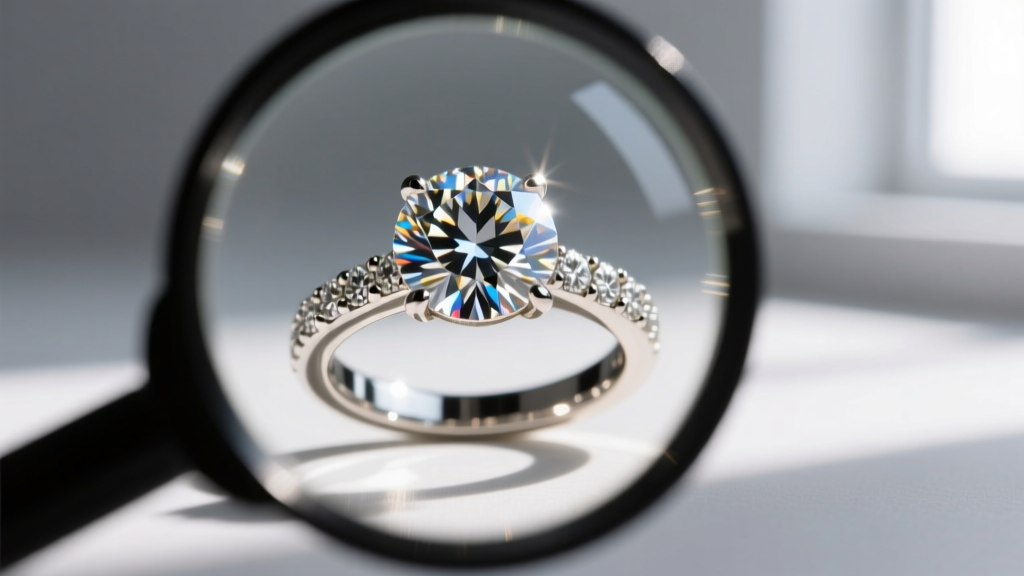
Because of the sideways orientation, the extremities of the horizontal bar experience unique friction patterns. The ends of the cross frequently rub against the collarbone, shirt seams, and seatbelts. This localized, high-frequency friction causes the rhodium plating to wear away faster on the tips of the horizontal arms than on the rest of the pendant, revealing the warm, yellowish-grey underlying alloy—a phenomenon jewelers call "brassing.Keep a small jewelry polishing cloth in your bag, but avoid aggressive rubbing on the rhodium-plated horizontal tips, as this accelerates the wear of the micron-thin plating. Plan for a professional ultrasonic cleaning and rhodium re-dip every 18 to 24 months, which typically costs between $40 and $75.
Manufacturing Tolerances and Failure Modes
When evaluating a sideways cross necklace in white gold, understanding how it was manufactured will help you spot potential failure points before purchasing. The lost-wax casting process is standard, but the horizontal arms are vulnerable to specific defects:
- Micro-Porosity: If the flask temperature is too low during casting, the thin horizontal arms can develop microscopic air pockets. This makes the metal brittle. A sharp tug on the cross can cause a clean snap right at the intersection of the vertical and horizontal bars.
- Sprue Mark Weakness: The sprue is the channel through which molten gold enters the mold. If the sprue was attached to the tip of the horizontal arm and improperly filed down, it leaves a structural weak point that is prone to snapping.
- Laser Welding Requirements: If a horizontal arm does break, traditional torch soldering is often too risky, especially if the cross features diamond pavé or intricate milgrain detailing. The heat can melt the settings or scorch the rhodium. Ensure your jeweler uses laser welding, which offers pinpoint heat control to fuse white gold without disturbing surrounding stones.
Chain Pairing: Mitigating Lateral Stress
The chain you pair with your white gold sideways cross is just as important as the pendant itself. Because the horizontal orientation creates lateral pulling, certain chains are highly susceptible to damage.
Avoid Box Chains: Box chains are notorious for kinking. When a sideways cross catches and twists, the rigid, square links of a box chain can fold in on themselves, permanently damaging the chain and potentially snapping the pendant's bail.
Opt for Rope or Wheat Chains: A 1.2mm to 1.5mm white gold rope chain or wheat chain offers multi-directional flexibility. The woven or twisted links can absorb the lateral torque generated by the horizontal cross arms without kinking or breaking. Furthermore, a slightly heavier chain acts as a counterbalance, keeping the sideways cross lying flat against the chest rather than flipping over.

Expert Verdict: Is White Gold the Right Choice?
For a sideways cross necklace, white gold strikes the optimal balance between aesthetic brilliance, structural rigidity, and manageable weight. While platinum offers superior tensile strength, its heavy weight can cause the horizontal pendant to flip and drag. Sterling silver lacks the hardness required to prevent the horizontal arms from bending over time.
By selecting a 14k palladium-white gold alloy, pairing it with a flexible rope chain, and committing to periodic rhodium maintenance, your sideways cross will remain a structurally sound and visually striking staple in your jewelry collection for decades.


