The 24.0 Inches Necklace: Expert Drape & Metal Guide
Explore the technical anatomy of the 24.0 inches necklace. Expert insights on chain gauge, metal tensile strength, clasp engineering, and drape physics.

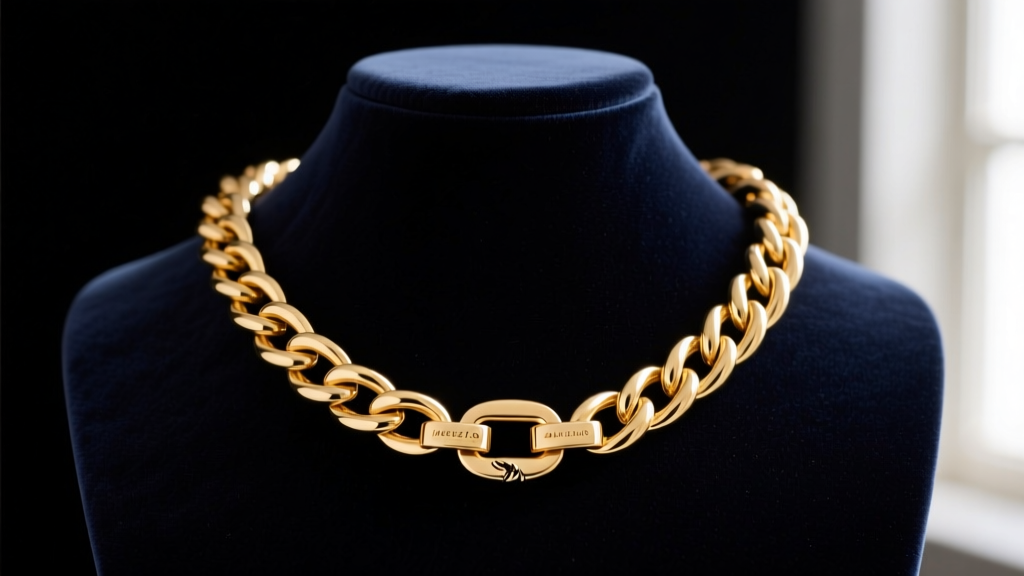
The 24.0 inches necklace occupies a highly specific and often misunderstood space in fine jewelry. Sitting precisely on the border between the traditional matinee (20 to 22 inches) and the opera length (28 to 30 inches), a 24-inch chain rests directly on or just below the sternum. While often chosen for its elegant, elongating visual effect on the torso, the 24-inch length introduces unique mechanical and metallurgical challenges that shorter chains simply do not face. As a jewelry technical consultant, I frequently see consumers purchase poorly engineered 24-inch chains that tangle, kink, or suffer clasp failure within months. This expert deep dive dissects the physics, metallurgy, and structural engineering required to master the 24.0 inches necklace.
The Physics of Drape and the Pendulum Effect
When evaluating a 24.0 inches necklace, the most critical factor is the "pendulum effect." Because the chain extends past the collarbone and hangs freely over the sternum, it is subject to continuous kinetic swinging during normal movement. This swinging generates lateral stress on the links and the clasp. A lightweight chain (under 1.5mm in gauge and under 10 grams in total weight) lacks the gravitational mass to counteract this kinetic energy. The result is a chain that constantly flips over, tangles in body hair or clothing fibers, and fails to lay flat against the chest.
Optimal Gauge and Weight Ratios
To achieve a proper drape that remains anchored against the body, the chain must possess adequate linear density. For a 24-inch chain, the minimum recommended gauge varies by link style:
- Cable and Curb Chains: Minimum 2.0mm gauge. The flat interlocking links of a curb chain require more width to generate the necessary mass for a stable drape.
- Rope Chains: Minimum 2.5mm gauge. The twisted helical structure of a rope chain catches light beautifully but can easily kink if the wire diameter is too thin to support the 24-inch span.
- Box Chains: Minimum 1.8mm gauge. Box chains are inherently rigid; going too thick (over 3.0mm) at 24 inches creates an uncomfortable, snake-like stiffness that resists the natural curve of the sternum.
By targeting a total weight between 18 and 35 grams, you ensure the 24.0 inches necklace has enough downward force to resist the pendulum effect, keeping the pendant centered and the chain untangled.
Metallurgy and Tensile Strength at 24 Inches
The extended length of a 24-inch chain means there are simply more links to bear the load, but it also means more points of potential structural failure. According to the Gemological Institute of America (GIA), the hardness and toughness of precious metals dictate their suitability for specific jewelry applications. Toughness (resistance to breaking) is far more important than hardness (resistance to scratching) when engineering long chains.
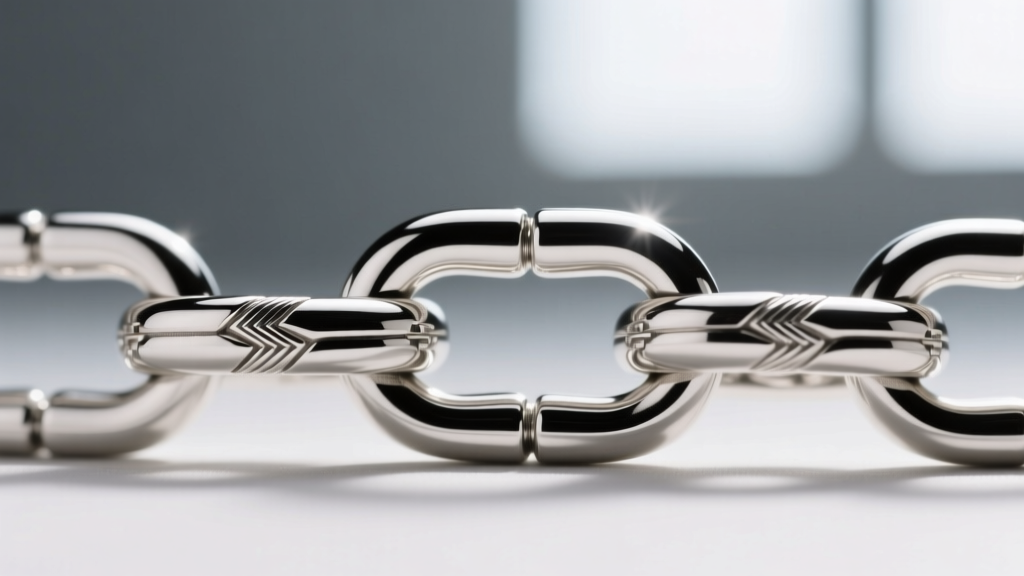
In 2026, advancements in laser soldering have improved the structural integrity of chain links, but the base metal alloy remains the primary determinant of longevity. 18k yellow gold, while prized for its rich color, contains 75% pure gold, making it relatively soft. An 18k gold chain at 24 inches is highly susceptible to link elongation (stretching) over time due to the constant gravitational pull and swinging. Conversely, 14k gold (58.5% pure gold) offers superior tensile strength, making it the metallurgical sweet spot for long, daily-wear chains. For maximum durability without sacrificing prestige, 950 Platinum provides exceptional toughness, though its high density means a 24-inch platinum chain will be significantly heavier and more expensive than its gold counterparts.
Comparative Metal Performance for Long Chains
| Metal Alloy | Tensile Strength | Kink Resistance | Ideal Gauge for 24" | Market Price Tier (2026) |
|---|---|---|---|---|
| 14k Yellow Gold | High | Moderate | 2.0mm - 3.0mm | $$$ |
| 18k Yellow Gold | Moderate | Low | 2.5mm - 4.0mm | $$$$ |
| 950 Platinum | Very High | High | 1.5mm - 2.5mm | $$$$$ |
| 316L Stainless Steel | Extremely High | Very High | 1.2mm - 2.0mm | $ |
Clasp Engineering and Failure Point Analysis
The clasp is the most vulnerable component of any necklace, but on a 24.0 inches necklace, it endures compounded stress. The kinetic swinging of the long chain creates a "whip" effect that concentrates sheer force directly on the clasp's hinge and spring mechanism. Standard spring ring clasps are entirely inadequate for a 24-inch chain weighing over 15 grams; the internal spring will inevitably fatigue, or the tiny jump ring will pull open.
As noted by jewelry insurance and repair experts at Jewellers Mutual, selecting the correct clasp is paramount for security. For a 24-inch chain, you must specify a heavy-duty lobster claw clasp (minimum 12mm in length) or a precision-engineered magnetic clasp equipped with a secondary safety figure-8 catch. Lobster claws feature a solid internal spring and a thicker metal housing that can withstand the lateral whip-stress of a long matinee chain. Furthermore, the jump rings connecting the clasp to the chain must be soldered closed or feature a split-ring design to prevent the chain from slipping through the gap under tension.
Pendant Bail Ratios and Visual Equilibrium
A 24.0 inches necklace demands careful consideration of pendant proportions. Because the chain sits lower on the torso, a small, delicate pendant (under 10mm) will look visually lost and unbalanced against the expanse of the chest and the thickness of the required chain gauge. The technical rule of thumb for a 24-inch chain is a minimum pendant drop of 25mm to 40mm.

Equally important is the bail engineering. The bail (the loop connecting the pendant to the chain) must have an inner diameter at least 1.5 times larger than the outer diameter of the chain. If you are using a 3.0mm rope chain, the bail inner diameter must be a minimum of 4.5mm. A bail that is too tight will cause excessive friction, wearing down both the bail and the chain links at the sternum's apex, eventually leading to a catastrophic snap. Always inspect the bail for a smooth, polished interior channel to minimize micro-abrasions during the chain's natural pendulum movement.
Maintenance Protocols for Long Matinee Chains
"The most common failure mode of a 24-inch chain is not a broken link, but a kinked link that has been repeatedly stressed until it work-hardens and snaps. Never sleep in a long chain, and always store it hanging vertically or laid perfectly flat in a lined jewelry box."
To maintain the structural integrity of your 24.0 inches necklace, implement a strict maintenance protocol. Every six months, perform a "drape test" by hanging the chain vertically and observing how it falls. If you notice any links that do not align perfectly or exhibit slight twisting, take the piece to a professional jeweler for laser realignment before the work-hardened metal fractures. Additionally, ultrasonic cleaning should be used with caution on long chains; ensure the chain is suspended in the basket so it does not tangle around the ultrasonic transducer, which can cause severe mechanical damage to delicate linkages.
By respecting the physics of drape, choosing the correct metallurgical alloy, and demanding robust clasp engineering, the 24-inch necklace transforms from a fragile styling risk into a durable, commanding statement piece that will endure decades of daily wear.


