How to Style, Adjust, and Repair a Pull Chain Necklace
Learn how to style, layer, and fix a pull chain necklace. Expert tips on adjusting friction clasps, chain gauges, and repair steps.

Understanding Pull Chain Mechanics and Anatomy
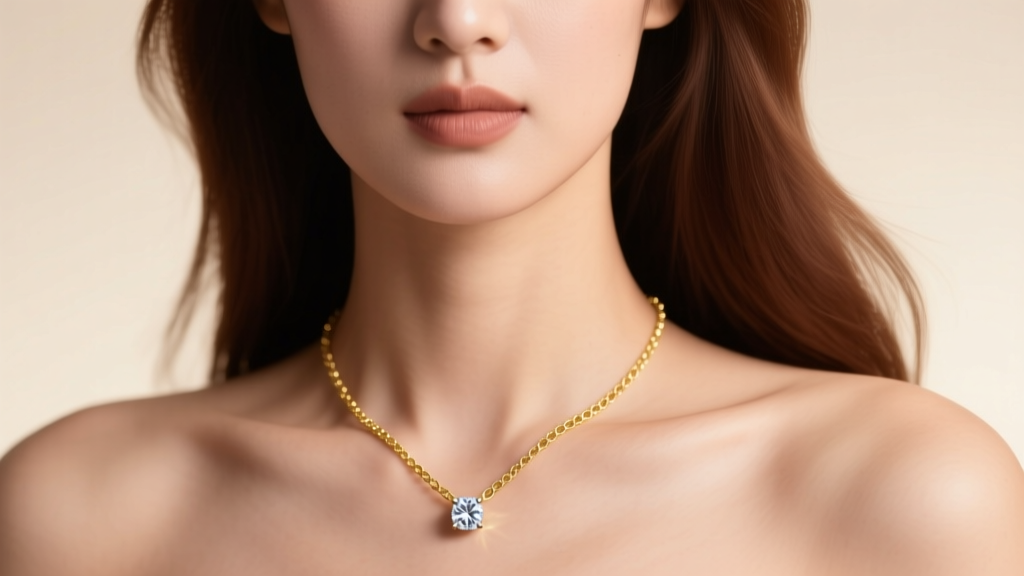
The pull chain necklace, frequently referred to as a slide necklace or adjustable lariat, represents a brilliant intersection of function and minimalist design. Unlike traditional necklaces that rely on a fixed lobster clasp and a series of jump rings to dictate length, a pull chain utilizes a friction clasp. This clasp—typically a metal bead or barrel housing a microscopic silicone or rubber O-ring insert—grips the chain links through tension. This allows the wearer to seamlessly adjust the drop length from a tight 14-inch choker to a sweeping 30-inch lariat with a simple pinch-and-slide motion.
However, this mechanical reliance on friction introduces unique variables regarding chain gauge, material degradation, and styling limitations. According to jewelry manufacturing standards outlined by Rio Grande, the internal diameter of the friction bead must perfectly match the outer diameter of the chain links. If the chain is too thick, the silicone insert will tear; if it is too thin, the clasp will slide under the weight of the pendant, failing to hold the desired length.
Chain Gauge Compatibility Matrix
Before attempting to restring or repair a pull chain necklace, you must verify the chain gauge. The most common failure mode in adjustable necklaces is pairing a heavy pendant with an incompatible chain thickness, leading to premature silicone degradation.
| Chain Gauge (Thickness) | Recommended Chain Style | Friction Clasp Type | Max Pendant Weight |
|---|---|---|---|
| 0.8mm - 1.0mm | Box Chain, Cable Chain | Standard 4mm Silicone-Lined Bead | 3.5 grams |
| 1.1mm - 1.5mm | Wheat Chain, Rope Chain | Large 6mm Barrel Friction Clasp | 8.0 grams |
| 1.6mm and above | Curb, Figaro | Incompatible (Use Lobster Clasp) | N/A |
| Any Gauge | Snake Chain | Not Recommended | N/A |
Expert Warning: Never use a snake chain with a pull-chain friction clasp. The smooth, overlapping metal scales of a snake chain easily catch and peel back when dragged through the tight silicone grip of a friction bead, permanently ruining the chain's structural integrity.
Step-by-Step Guide to Layering a Pull Chain Necklace
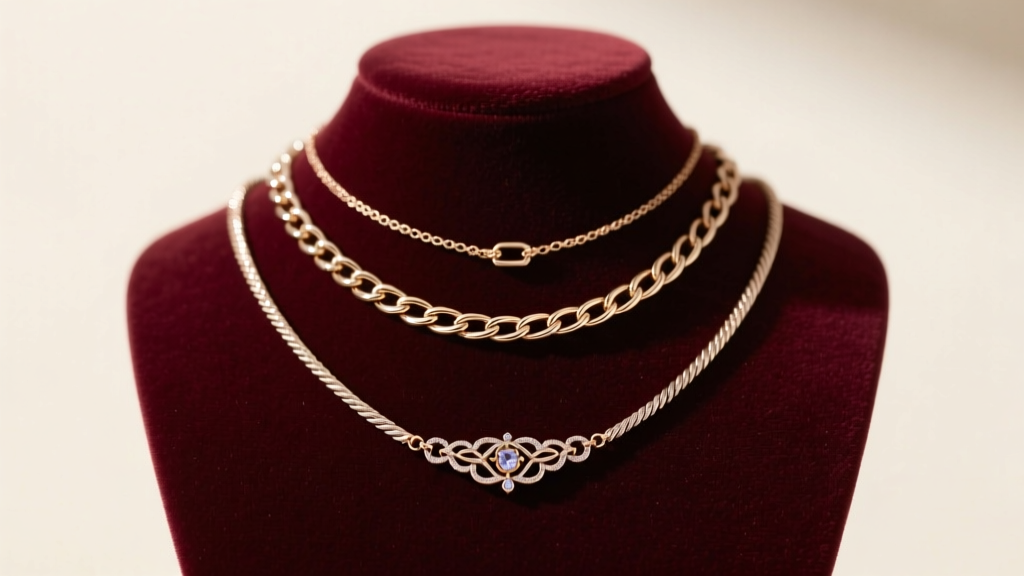
The primary advantage of a pull chain necklace is its dynamic adjustability, making it the ultimate anchor piece for layered neckline styling. When building a layered stack, the pull chain should always serve as the longest, foundational tier. Here is a precise, three-tier framework for creating a balanced stack that avoids tangling.
The 3-Tier Layering Framework
- Tier 1: The Base (14 to 16 Inches)
Start with a rigid or fixed-length piece. A 15-inch herringbone choker or a delicate 16-inch cable chain with a small, flush-set gemstone works best. This tier frames the collarbone and provides a static visual anchor. - Tier 2: The Midpoint (18 to 20 Inches)
Add a fixed-length chain featuring a medium-weight pendant. A coin pendant or a solitaire diamond on an 18-inch box chain creates a focal point. Ensure the metal color and finish match your pull chain to maintain visual cohesion. - Tier 3: The Anchor (22 to 26 Inches)
Thread your pull chain necklace to its maximum length. Because you can adjust the friction clasp on the fly, slide the clasp up to create a 24-inch drop. This elongates the torso and allows the pendant to rest below the bust line, creating a flattering V-shape that complements the shorter tiers without overlapping their pendants.
Adjusting for Specific Necklines
The beauty of the pull chain lies in its on-the-fly adaptability. Use these measurements to match your wardrobe:
- Crew Necks & Turtlenecks: Adjust the pull chain to 26-28 inches so the pendant rests over the fabric, avoiding the crowded neckline.
- V-Necks & Wrap Dresses: Slide the clasp down to 20-22 inches, allowing the pendant to hover exactly one inch above the fabric's V-plunge.
- Boat Necks & Off-Shoulder: Shorten the chain to 16-18 inches to keep the jewelry within the frame of your exposed skin, acting as a statement collarbone piece.
Troubleshooting and Repairing a Loose Friction Clasp
Over time, the silicone O-ring inside the metal friction bead will degrade. Exposure to squalane lotions, perfumes, and natural skin oils causes the rubber to dry out, crack, and lose its grip. When your pull chain necklace begins to slip under the weight of its pendant, you do not necessarily need to replace the entire piece. According to care guidelines from Jewelers of America, regular maintenance and occasional part replacements can extend the life of your jewelry indefinitely.
Step-by-Step Clasp Replacement Guide
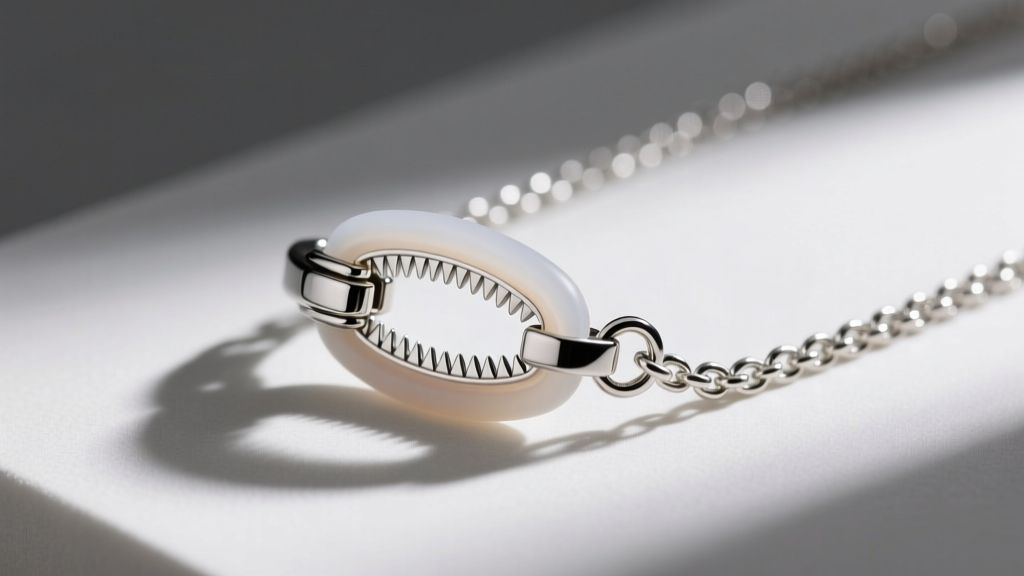
If your adjustable clasp is slipping, follow these professional repair steps to restore tension. You will need chain-nose pliers, flush cutters, a replacement friction bead (available from jewelry suppliers), and 4mm jump rings.
- Remove the End Stopper: Most pull chains feature a small metal bead or spring-ring clasp at the very end of the tail to prevent the friction bead from sliding off entirely. Use your chain-nose pliers to gently twist open the jump ring holding this end stopper and remove it.
- Extract the Worn Clasp: Slide the old, loose friction bead off the end of the chain. Inspect the chain links for any micro-bends or snags caused by the failing silicone. If the chain is kinked, gently massage it flat with your fingers or a soft polishing cloth.
- Thread the New Friction Bead: Pay close attention to the directionality of the new clasp. Many modern friction beads are designed with a one-way silicone insert to prevent the chain from pulling backward. Thread the chain through the designated entry hole (usually marked by a slightly wider bevel).
- Reattach the End Stopper: Slide the metal end bead back onto the chain tail. Thread the 4mm jump ring through the end bead's loop and the final chain link. Use two pairs of pliers to twist the jump ring closed, ensuring the gap is completely flush so it will not catch on your clothing.
- Tension Test: Hold the chain vertically and attach the pendant. Give the chain a gentle shake. The friction bead should hold the pendant's weight without creeping downward. If it still slips, the chain gauge is too narrow for the replacement bead, and you must source a bead with a tighter internal O-ring.
Advanced Maintenance: Cleaning and Silicone Preservation
To prevent the friction clasp from failing prematurely, you must alter how you clean and store the necklace. The Gemological Institute of America (GIA) frequently warns against using ultrasonic cleaners on jewelry with non-metal components. The high-frequency vibrations of an ultrasonic bath will shatter the internal silicone O-ring in a matter of minutes.
Safe Cleaning Protocol
- Skip the Chemical Dips: Never submerge a pull chain necklace in commercial silver dips or ultrasonic machines. The harsh chemicals will dissolve the rubber grip.
- Spot Clean the Chain: Lay the necklace flat on a microfiber towel. Use a soft baby toothbrush dipped in warm water and a drop of mild, lotion-free dish soap to gently scrub the metal chain links.
- Avoid the Clasp: Take care not to scrub the friction bead itself with soapy water, as soap residue can become trapped inside the mechanism, acting as a lubricant and causing the chain to slip. If the bead gets wet, immediately dry it with a blast of compressed air or a hair dryer on a cool setting.
- Storage: Store the necklace fully extended and unclasped in a dry, anti-tarnish pouch. Storing it tightly bunched can warp the chain links, creating thick spots that will tear the silicone insert the next time you try to adjust the length.
Final Thoughts on Adjustable Jewelry
Mastering the pull chain necklace requires a shift in how you think about jewelry mechanics. By respecting the gauge limitations, utilizing its dynamic adjustability for precision layering, and performing proactive maintenance on the friction clasp, you can transform this versatile piece into a permanent staple of your daily rotation. Whether you are anchoring a complex three-tier stack or wearing a solitary diamond pendant over a silk blouse, the pull chain offers an unmatched blend of modern utility and effortless elegance.


