Diamond Cluster Necklace Buying Guide: What to Look for in 2026
Discover how to choose the perfect diamond cluster necklace in 2026. Learn about carat weight, setting styles, lab-grown pricing, and quality red flags.

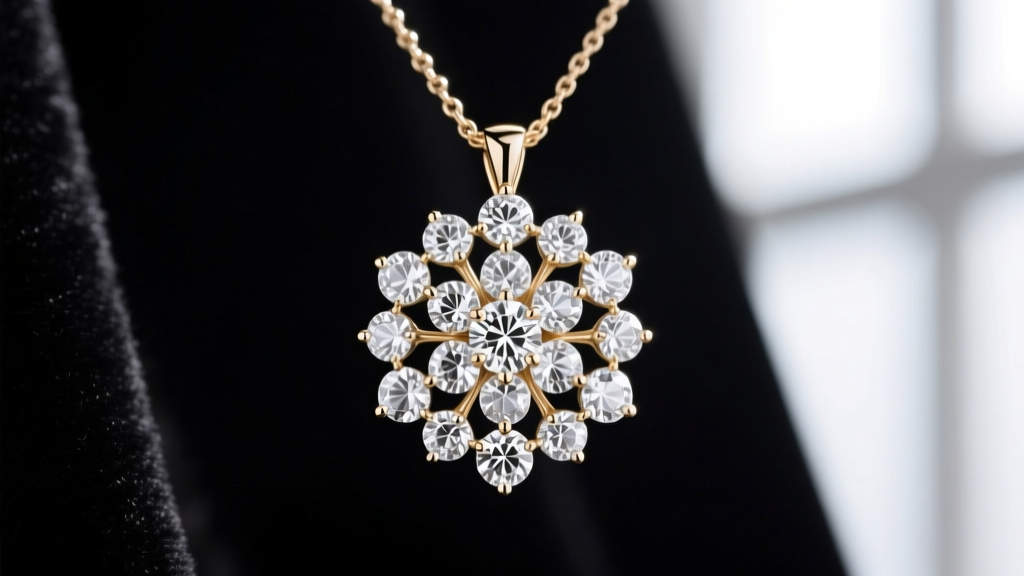
A diamond cluster necklace is a masterclass in optical illusion and light performance. By grouping multiple smaller diamonds—often referred to as melee—jewelers create a single, cohesive silhouette that mimics the visual footprint of a much larger, and significantly more expensive, solitaire stone. In 2026, the market for cluster pendants has evolved dramatically, driven by advancements in lab-grown diamond precision and a consumer shift toward intricate, vintage-inspired floral and geometric motifs.
However, buying a cluster necklace requires a completely different evaluation framework than buying a traditional solitaire. Because you are dealing with dozens of tiny stones rather than one central gem, the rules of the 4 Cs shift, and structural integrity becomes paramount. This comprehensive buying guide will walk you through the exact specifications, pricing realities, and red flags you need to know before investing in a diamond cluster necklace.
The Anatomy of a Cluster: Single Cut vs. Full Cut Melee
The most critical, yet frequently overlooked, aspect of a diamond cluster pendant is the cut quality of the individual melee stones. Melee diamonds are generally defined as stones weighing less than 0.15 carats each. According to the Gemological Institute of America (GIA), melee is categorized into two distinct cut types, and knowing the difference will dictate the sparkle of your necklace.
- Single Cut Melee: These stones feature only 17 or 18 facets (compared to the standard 57 or 58). They are cheaper and faster to produce but often look glassy, flat, and lack the fiery dispersion seen in larger diamonds. Many mass-market cluster necklaces use single cut stones to keep costs down.
- Full Cut Melee: These are miniature versions of the ideal round brilliant cut, featuring 57 or 58 facets. They capture and reflect light with exceptional brilliance. When shopping for a high-quality cluster necklace, you must explicitly verify that the manufacturer uses full cut melee.
2026 Pricing Realities: Lab-Grown vs. Natural Clusters
The explosion of lab-grown diamond technology has completely disrupted the pricing of cluster jewelry. Because a 1.00 carat total weight (CTW) cluster pendant might contain 20 to 40 individual stones, the labor cost of setting them often eclipses the material cost of the diamonds themselves. Consequently, the price gap between natural and lab-grown cluster necklaces is heavily influenced by setting labor rather than just the stones.
| Total Carat Weight (CTW) | Natural Diamond Price Range | Lab-Grown Diamond Price Range | Primary Cost Driver |
|---|---|---|---|
| 0.50 CTW (Approx. 10-15 stones) | $1,200 - $1,800 | $400 - $650 | Stone origin & metal weight |
| 1.00 CTW (Approx. 20-35 stones) | $2,800 - $4,500 | $800 - $1,300 | Setting labor & stone matching |
| 2.00 CTW (Approx. 40-60 stones) | $6,500 - $11,000 | $1,500 - $2,400 | Intensive micro-setting labor |
As of 2026, opting for a lab-grown diamond cluster necklace allows buyers to allocate more of their budget toward premium metals, like 18k gold or platinum, and superior craftsmanship, rather than paying a premium for natural stone origin.
Grading Cluster Diamonds: Adjusting the 4 Cs
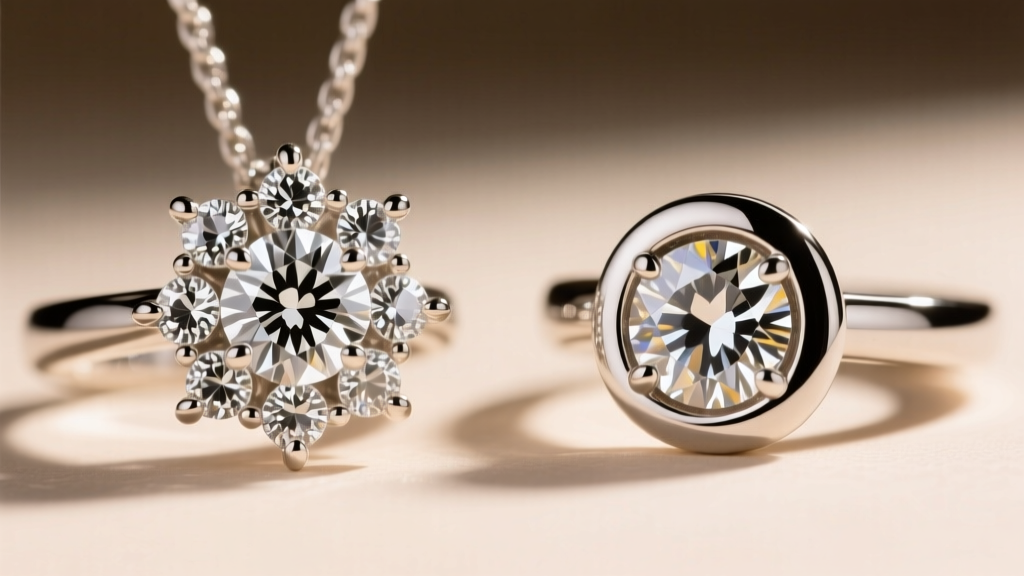
GIA and IGI rarely issue individual grading reports for stones under 0.15 carats. Therefore, a diamond cluster necklace will typically come with a macro-appraisal that lists the Total Carat Weight and an average color and clarity grade. Here is how you should adjust your standards when evaluating these aggregate grades.
Color Matching is Paramount
In a solitaire, a J-color diamond might look perfectly fine in a yellow gold setting. In a cluster, color inconsistencies between adjacent stones are magnified. If one melee stone is slightly more yellow than its neighbor, it creates a visible 'dead spot' in the cluster. Always look for clusters graded in the G-H (Near Colorless) range. The stones must be meticulously hand-sorted by the jeweler to ensure uniform face-up color.
Clarity: The SI1 Sweet Spot
Because melee stones are so small, inclusions are incredibly difficult to see with the naked eye. Paying a premium for VVS (Very Very Slightly Included) melee is a waste of money. The sweet spot for cluster necklaces is SI1 to SI2 clarity. Ensure the stones are 'eye-clean' and that no dark carbon inclusions are located directly under the table facet of the most prominent stones in the cluster design.
Setting Mechanics and Metal Durability
The structural integrity of a cluster pendant relies entirely on the setting style. The constant friction against the skin and clothing can wreak havoc on poorly set melee diamonds.
- Shared Prong Settings: This is the most common and desirable setting for clusters. Two adjacent diamonds share a single pair of tiny prongs, maximizing the amount of light that enters the sides of the stones. Ensure the prongs are V-tipped or tightly rounded to prevent snagging on knitwear.
- Micro-Pave Settings: Often used for the 'halo' or outer rim of a floral cluster. Tiny beads of metal are raised from the base to hold the stones. While beautiful, micro-pave is more susceptible to losing stones if the necklace is subjected to hard impacts.
- The Metal Choice: If you choose 14k or 18k white gold, remember that the bright white finish is achieved through rhodium plating. Over time, the friction against the skin will wear this plating away, revealing the slightly yellowish alloy beneath. For a low-maintenance white metal that will never require replating, platinum is the superior, albeit more expensive, choice for securing tiny diamonds.
Chain Selection and Bail Proportions
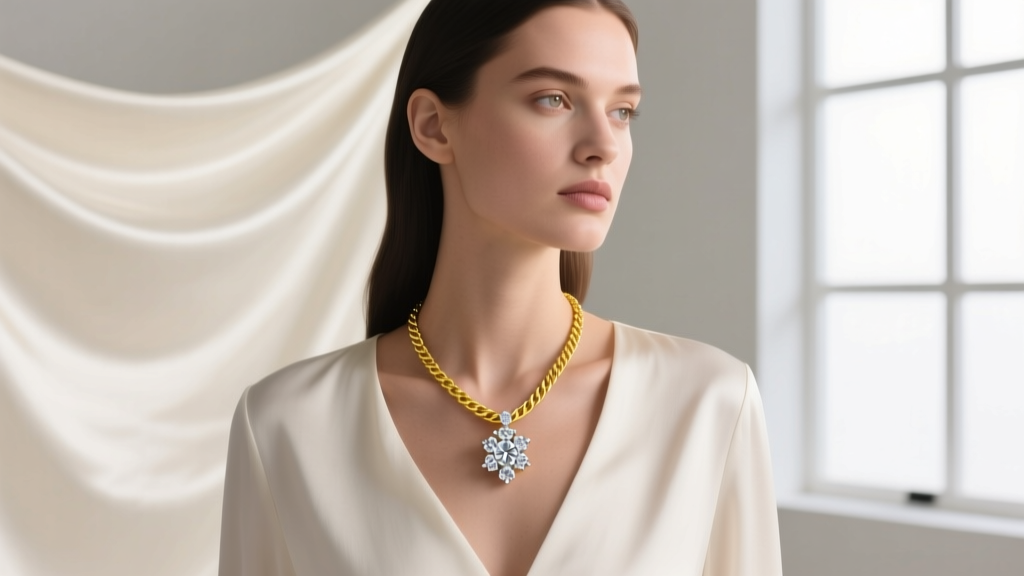
A common mistake buyers make is pairing a heavy, intricate diamond cluster pendant with an inadequate chain. The 'bail'—the loop that connects the pendant to the chain—must be proportionate to both the cluster and the chain.
For a 1.00 CTW or larger cluster pendant, avoid ultra-thereal chains like the 0.8mm box chain or delicate thread chains. The weight of the cluster will cause these chains to kink, stretch, or eventually snap at the clasp. Instead, opt for a 1.2mm to 1.5mm cable chain, rope chain, or wheat chain. These styles offer the tensile strength required to support the pendant while remaining visually elegant. Furthermore, ensure the bail is lined with a smooth metal interior or a hidden ceramic insert to prevent the chain from wearing down the gold loop over years of friction.
Maintenance: The Ultrasonic Cleaner Danger
Cluster necklaces are notorious dirt magnets. The tight gaps between the melee stones trap lotions, perfumes, and skin oils, which quickly dull the diamonds' brilliance. While ultrasonic cleaners are fantastic for solid solitaire rings, they are highly dangerous for cluster pendants.
The high-frequency vibrations of an ultrasonic cleaner can easily shake loose the tiny prongs holding micro-melee stones, causing them to fall out into the bottom of the tank. To safely clean a diamond cluster necklace at home, use a soft-bristled baby toothbrush, a few drops of mild degreasing dish soap, and warm water. Gently brush the underside of the cluster (the pavilion) where oil accumulates the most, rinse thoroughly, and pat dry with a lint-free microfiber cloth.
4 Red Flags to Avoid When Shopping
Protect your investment by walking away from any listing that exhibits the following warning signs:
- The Term 'Diamond Chips': Reputable jewelers do not use 'chips' (jagged, unpolished fragments of broken diamonds). If a listing uses this term, it indicates extremely low-quality, poorly faceted material that will lack brilliance.
- 'Illusion' or 'Miracle' Settings: Some budget clusters use heavily faceted, shiny metal plates beneath single-cut diamonds to create the illusion of a larger stone. While this looks decent in a dimly lit store, under natural sunlight, the metal glare overpowers the diamonds, making the pendant look like cheap costume jewelry.
- Vague Carat Disclosures: The Federal Trade Commission (FTC) and jewelry watchdogs require strict disclosure of Total Carat Weight. Avoid listings that simply say 'Diamond Pendant' without specifying the exact CTW to two decimal places (e.g., 0.98 CTW).
- Glued Settings: In ultra-cheap, mass-market cluster necklaces, manufacturers sometimes use industrial adhesives alongside (or instead of) metal prongs to secure the stones. Always inspect the setting under a jeweler's loupe; if you see cloudy residue between the stones, do not purchase it.
By prioritizing full-cut melee, demanding meticulous color matching, and selecting a structurally sound setting, you can secure a diamond cluster necklace that delivers the breathtaking sparkle and visual weight of a much larger diamond, perfectly tailored for the modern jewelry landscape.


