Diamond Cross Necklaces: A Beginner's Buying Guide
Learn how to choose diamond cross necklaces with our beginner's guide. Explore the 4Cs, chain styles, metal types, and pricing for your perfect pendant.

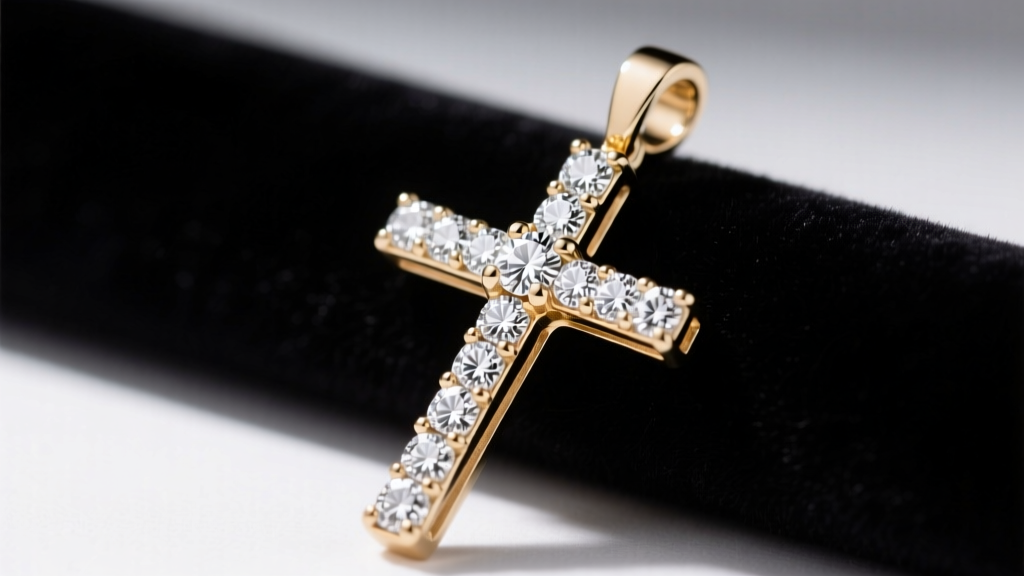
Why the Diamond Cross Pendant Remains a Timeless Staple
Few jewelry pieces carry the historical weight and enduring versatility of the diamond cross necklace. Whether worn as a profound expression of faith, a meaningful gift for a milestone like a confirmation or graduation, or simply as a striking geometric accessory, the diamond cross transcends fleeting trends. However, for a beginner stepping into a jewelry store or browsing online, the sheer variety of settings, diamond qualities, and chain types can be overwhelming. This guide breaks down the exact specifications you need to know to make an informed, confident purchase without overpaying for specs you cannot see.
Decoding the 4Cs for Cross Pendants
The most critical mistake beginners make when shopping for diamond cross necklaces is applying the same grading standards used for large engagement ring center stones to small pendant diamonds. Most cross necklaces feature melee diamonds—stones weighing less than 0.15 carats each, often ranging from 0.03 to 0.08 carats in a standard pave or channel-set cross.
According to the Gemological Institute of America (GIA), the visual impact of melee diamonds relies almost entirely on their cut and brilliance rather than flawless clarity or top-tier color. Because the stones are so small, inclusions (internal flaws) are practically invisible to the naked eye, and slight color tints are masked by the reflective metal settings.
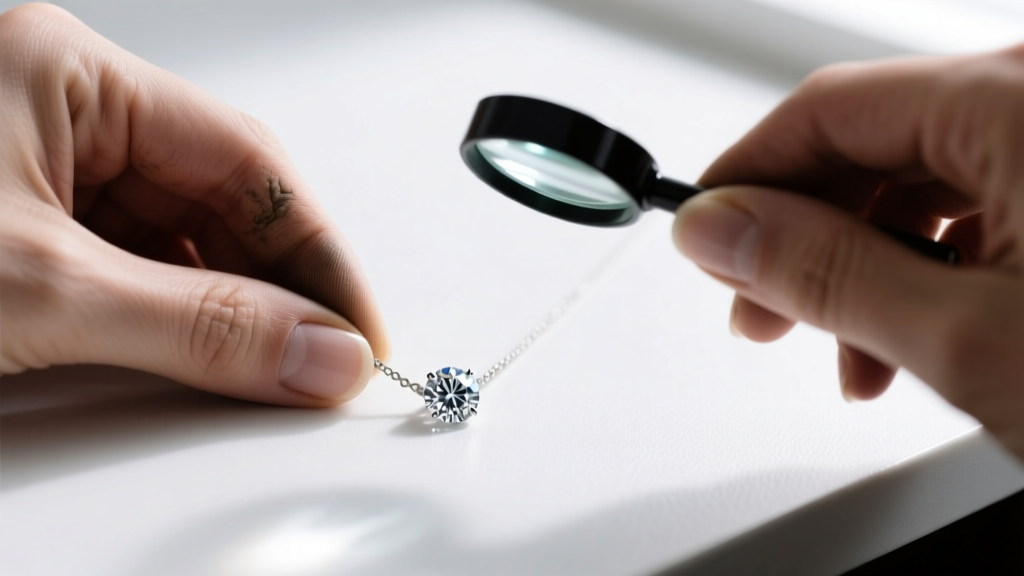
Recommended Diamond Specifications for Crosses
| Specification | Melee Cross (Multiple small stones) | Solitaire Cross (Single large stone) |
|---|---|---|
| Cut | Very Good to Excellent (Crucial for sparkle) | Excellent / Ideal |
| Color | I-J (Near Colorless - perfectly fine for melee) | G-H (Near Colorless) |
| Clarity | SI1-SI2 (Slightly Included - eye-clean at this size) | VS1-VS2 (Very Slightly Included) |
| Carat (Total Weight) | 0.25 ctw to 1.00 ctw | 0.50 ct to 2.00+ ct |
Pro Tip: Never pay a premium for VVS (Very Very Slightly Included) clarity in a melee diamond cross necklace. The microscopic inclusions in an SI1 stone are entirely hidden by the prongs and the small surface area of the diamond.
Choosing the Right Metal for Your Chain and Setting
The metal you choose dictates both the longevity of the piece and its maintenance requirements. For diamond crosses, the setting must securely hold dozens of tiny stones, making metal durability paramount.
- 14k White Gold: The industry standard for diamond crosses. It offers an excellent balance of durability and affordability. However, white gold is alloyed with yellow metals and plated with rhodium to achieve its bright white finish. Expect to have the pendant and chain rhodium-plated every 1 to 2 years to prevent yellowing.
- 18k Yellow or Rose Gold: Contains 75% pure gold, giving it a richer, warmer hue. It is slightly softer than 14k gold, meaning the prongs holding the melee diamonds may require occasional tightening by a jeweler if worn daily during rigorous activities.
- Platinum (950): The ultimate choice for heirloom-quality pieces. Platinum is naturally white, hypoallergenic, and denser than gold, meaning prongs are less likely to bend or break. It costs roughly 40% to 60% more than 14k white gold but requires zero rhodium plating.
Chain Styles That Complement a Diamond Cross
A common pitfall is pairing a delicate diamond cross pendant with a chain that is either too bulky or too fragile. The chain must support the weight of the pendant while allowing the diamonds to remain the focal point. The Jewelers of America organization frequently highlights the importance of matching chain gauges to pendant weights to prevent catastrophic snapping.
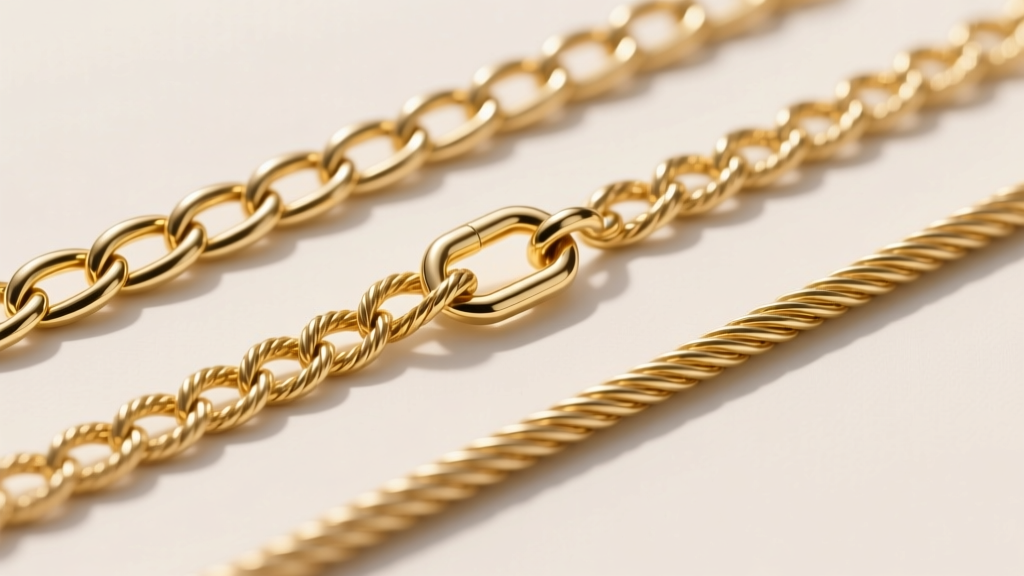
Top Chain Recommendations
- Box Chain (1.0mm - 1.2mm gauge): The absolute best choice for cross pendants. The square, interlocking links distribute weight evenly and are highly resistant to kinking. A 1.0mm gauge is perfect for a standard 1-3 gram diamond cross.
- Cable Chain (0.9mm - 1.1mm gauge): A classic, minimalist option featuring uniform oval links. It is lightweight and keeps the focus entirely on the pendant, though it is slightly more prone to tangling than a box chain.
- Rope Chain (1.2mm - 1.5mm gauge): Twisted links create a spiraling effect that catches the light beautifully. Best suited for slightly heavier, solid gold crosses with diamond accents rather than full-pave diamond crosses.
Clasp Check: Always ensure your chain features a lobster claw clasp rather than a spring ring clasp. Lobster clasps have a stronger internal spring mechanism and are significantly less likely to accidentally unhook, protecting your investment.
Pricing Expectations: Lab-Grown vs. Natural
The diamond market has shifted dramatically with the rise of lab-grown diamonds. Chemically and optically identical to mined diamonds, lab-grown stones offer massive savings, particularly in melee sizes where the cost of sorting and matching natural stones is high.
- Entry-Level (Lab-Grown Melee, 0.25 ctw, 14k Gold): $300 - $550. Ideal for everyday wear, teenagers, or those on a strict budget.
- Mid-Range (Natural Melee, 0.50 ctw, 14k Gold): $800 - $1,500. The sweet spot for milestone gifts, offering noticeable sparkle and traditional retail value.
- High-End (Natural or Lab-Grown, 1.50+ ctw, Platinum): $2,500 - $6,000+. Features larger diamonds, intricate baguette cuts, or heavy solid gold construction.
Care and Maintenance for Maximum Sparkle
Diamonds are lipophilic, meaning they naturally attract oils from your skin, lotions, and perfumes. A diamond cross necklace worn daily will lose its brilliance within weeks if not cleaned regularly.
For routine maintenance, soak the necklace in a bowl of warm water with a few drops of mild, ammonia-free dish soap for 15 minutes. Gently brush the back of the setting (the gallery) with a soft-bristled baby toothbrush to dislodge trapped debris. Rinse with lukewarm water and pat dry with a lint-free microfiber cloth. Avoid ultrasonic cleaners if your cross features fracture-filled diamonds or is set with fragile gemstone accents like emeralds or opals alongside the diamonds. Finally, have a professional jeweler inspect the prongs and chain links once a year to ensure no stones are at risk of falling out.


