The Diamond Heart Necklace Gold Trend: 2026 Style Analysis
Discover how the diamond heart necklace gold trend is evolving in 2026. Expert analysis on karat weights, diamond grades, and modern styling techniques.

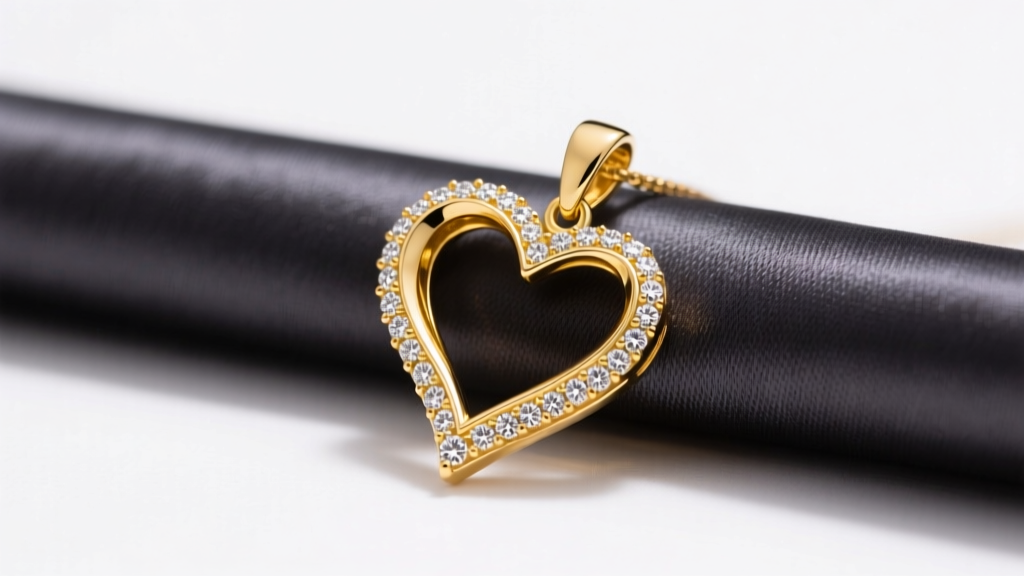
The Evolution of Romantic Minimalism
The jewelry landscape in 2026 has decisively moved away from the ostentatious, heavily prong-set designs of the early 2000s. Today, the diamond heart necklace gold market is defined by 'romantic minimalism'—a design philosophy that prioritizes clean lines, asymmetric silhouettes, and secure stone settings. While the heart motif remains a universal symbol of affection and self-love, its execution has become vastly more sophisticated. Modern consumers are no longer looking for chunky, hollow-cast pendants; they are seeking solid, thoughtfully engineered pieces that transition seamlessly from daytime professional environments to evening wear.
This shift is heavily influenced by the broader 'quiet luxury' movement, which has now evolved into a demand for pieces that hold intrinsic material value without relying on oversized branding or excessive carat weights. According to trend analysts at Vogue, the contemporary heart pendant is characterized by negative space, mixed-metal accents, and bezel-set melee diamonds that offer maximum brilliance with minimal snagging risk.
Why Asymmetric and Open-Heart Designs Dominate 2026
The traditional solid gold heart is being replaced by open-wire designs and asymmetric halves. An asymmetric heart—where one side features polished gold and the other is paved with diamonds—creates a dynamic visual tension. This design choice not only reduces the overall gold weight (making the piece more accessible) but also allows the pendant to sit flatter against the collarbone, preventing the dreaded 'pendant flip' that plagues poorly balanced jewelry.
Material Specifications: Gold Karats and Diamond Grades
When investing in a diamond heart necklace gold purity is just as critical as the gemological quality of the stones. The choice of karat weight directly impacts the pendant's durability, color, and long-term wearability. Furthermore, understanding the grading of melee diamonds (stones weighing between 0.01 and 0.15 carats) is essential for evaluating a piece's true market value.
| Gold Karat | Purity % | Vickers Hardness | Best Use Case | 2026 Price Bracket |
|---|---|---|---|---|
| 14K Gold | 58.5% | ~150 HV | Everyday wear, high-tension clasps | $450 - $900 |
| 18K Gold | 75.0% | ~125 HV | Premium pendants, rich yellow hue | $1,100 - $3,500 |
| 22K Gold | 91.6% | ~70 HV | Investment pieces, soft bezel settings | $2,800 - $8,000+ |
For the diamonds themselves, the Gemological Institute of America (GIA) notes that melee diamonds are rarely graded with full certificates due to their size. However, premium jewelers in 2026 are increasingly using G-H color and SI1 clarity melee stones for pavé settings. This ensures the heart pendant faces up bright white, avoiding the murky gray or brown tints found in mass-market, lower-tier jewelry.
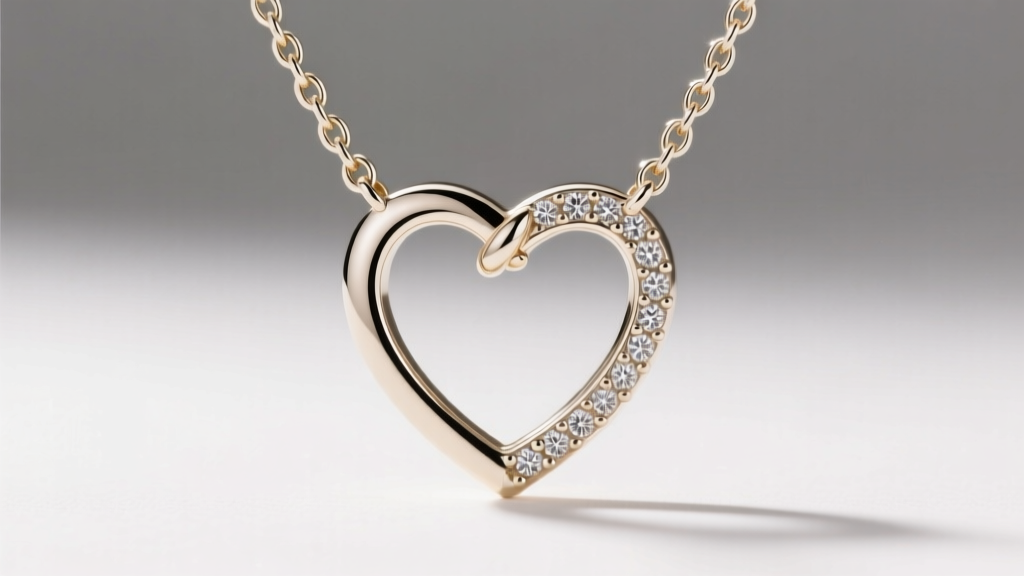
Structural Integrity: Chain Pairings and Failure Modes
A common failure mode in fine jewelry is the mismatch between pendant weight and chain tensile strength. The diamond heart necklace gold aesthetic is frequently ruined when a delicate 0.6mm cable chain snaps under the dynamic load of a 4-gram pendant. To ensure longevity, the chain must be engineered to handle both the static weight of the gold and the kinetic stress of daily movement.
The Chain Tensile Strength Debate
- Cable Chains (0.8mm - 1.0mm): Ideal for lightweight, hollow-core heart pendants under 2 grams. They offer a classic look but are prone to kinking and snapping if caught on clothing.
- Box Chains (1.2mm - 1.5mm): The 2026 standard for mid-weight pendants (3-6 grams). The interlocking square links distribute tension evenly, making them highly resistant to snapping.
- Rope Chains (1.5mm+): Reserved for heavy, solid-cast 18K or 22K gold hearts. The twisted links provide immense tensile strength and reflect light beautifully, complementing the sparkle of the pavé diamonds.
Additionally, pay close attention to the clasp. Spring ring clasps are notorious for failing due to internal spring fatigue. Always opt for a lobster clasp or a secure magnetic locking clasp for any diamond heart necklace gold piece weighing over 5 grams.
The 2026 Styling Framework: Necklines and Layering Metrics
Styling a heart pendant requires an understanding of spatial geometry. The goal is to frame the décolletage without overwhelming the neckline. In 2026, layering is no longer about tangling multiple chains; it is about precise, measured spacing.
Length and Neckline Pairings
The 15-Inch Choker Length: Best paired with off-the-shoulder tops or deep V-necks. An asymmetric diamond heart at this length draws the eye directly to the collarbone. Ensure the pendant is relatively small (under 12mm wide) to avoid a heavy, unbalanced look.
The 17-Inch Princess Length: The most versatile metric. This length allows the heart pendant to rest perfectly in the hollow of the throat. It pairs flawlessly with crew necks, button-down shirts, and casual knitwear. For a modern 2026 layered look, pair a 17-inch 14K gold diamond heart with a 15-inch plain gold paperclip chain. The 2-inch difference creates a deliberate, structured cascade that prevents the chains from rubbing against each other and causing premature gold wear.
The 20-Inch Matinee Length: Reserved for larger, solid gold heart lockets or pieces with significant diamond carat weight. This length works best over high-neck blouses or turtlenecks, acting as a standalone statement piece.
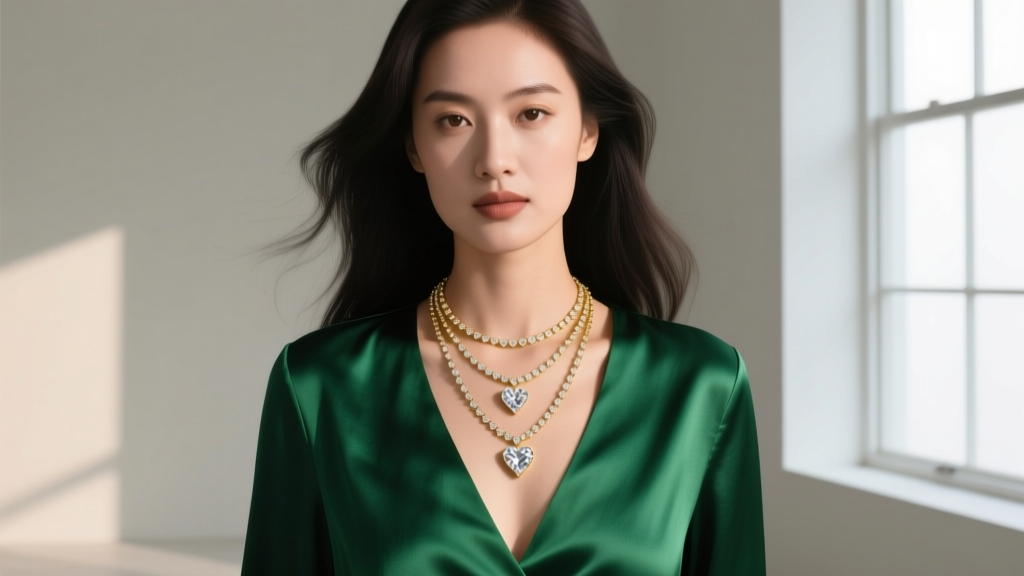
Market Pricing and the Lab-Grown Disruption
The pricing landscape for the diamond heart necklace gold category has been fundamentally altered by the mainstream acceptance of lab-grown diamonds. According to market reports from Forbes Jewelry, lab-grown melee diamonds have allowed jewelers to increase the total carat weight of pavé heart pendants by up to 40% without raising the retail price.
In 2026, a high-quality 18K gold heart pendant featuring 0.25 CTW of natural, ethically sourced melee diamonds typically retails between $1,800 and $2,500. The exact same design, utilizing premium lab-grown diamonds, can be acquired for $900 to $1,300, allowing consumers to allocate more of their budget toward higher gold purity or a heavier chain.
When shopping, always verify whether the diamonds are natural or lab-grown. Reputable jewelers will laser-inscribe lab-grown melee stones or provide a comprehensive bill of sale detailing the origin of the materials. This transparency is crucial for insurance appraisals and future resale value.
Final Verdict: Investing in the Modern Heart
The diamond heart necklace gold trend in 2026 is a masterclass in refined engineering and understated elegance. By prioritizing 14K or 18K gold for optimal hardness, selecting bezel-set or micro-prong pavé for stone security, and pairing the pendant with a structurally sound box or rope chain, you ensure the piece will last a lifetime. Whether you opt for a lab-grown stone to maximize size or a natural diamond for its geological rarity, the modern heart pendant remains an enduring, versatile staple in the contemporary jewelry wardrobe.


