The Deadly Necklace: Identifying Toxic Jewelry Materials
Discover the truth behind the deadly necklace. We analyze toxic metals in vintage and fast-fashion jewelry, from arsenic to cadmium, and how to stay safe.

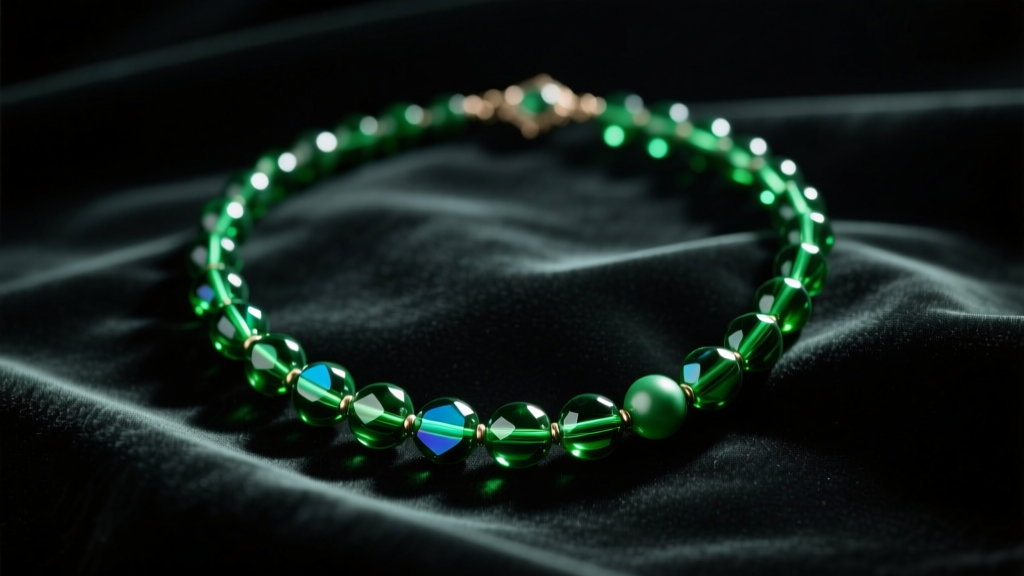
When we hear the phrase the deadly necklace, our minds might jump to gothic horror or true crime. However, in the realm of material science and jewelry history, the deadly necklace is a very real, documented phenomenon. From the arsenic-laden beadwork of the Victorian era to the lead and cadmium-tainted fast-fashion pendants of the modern supply chain, the materials resting against our collarbones have not always been safe. As consumers and collectors in 2026, understanding the metallurgical and chemical properties of what we wear is no longer optional—it is a matter of personal health.
This comprehensive guide dissects the historical and contemporary realities of toxic jewelry materials. We will examine the chemical failure modes of cheap alloys, the specific regulatory thresholds for heavy metals, and how to build a collection of necklaces that are both beautiful and biologically inert.
The Historical Context: Arsenic, Radium, and Uranium
The concept of the deadly necklace was born in the 19th century, driven by a demand for vibrant, colorfast dyes and luminescent materials. The most notorious culprit was Scheele’s Green, a pigment invented in 1775 by Carl Wilhelm Scheele. Chemically known as copper arsenite ($CuHAsO_3$), this brilliant emerald dye was widely used to color silk flowers, glass beads, and enamel pendants.
According to historical analyses documented by the Smithsonian Magazine, garments and accessories dyed with Scheele's Green contained enough arsenic to cause severe contact dermatitis, systemic poisoning, and even death among the artisans who manufactured them. The sweat from the wearer's skin would slowly break down the copper arsenite, releasing toxic arsenic vapors and causing necrotic lesions on the chest and neck.
By the 1920s, the danger evolved. The discovery of radium led to a brief but hazardous trend of luminescent jewelry. Pendants and brooches painted with radium-226 mixed with zinc sulfide emitted an eerie, self-luminous glow. While the external radiation dose from a single necklace was relatively low, the inhalation of flaking radium dust posed severe internal radiological risks. Similarly, uranium glass (often called Vaseline glass), which contains 2% to 25% uranium dioxide by mass, was heavily used in beaded necklaces. While relatively safe when intact, the degradation of these beads over a century poses a micro-toxicity risk if the glass dust is ingested or inhaled.
The Modern Threat: Fast-Fashion Alloys and Heavy Metals
Today, the deadly necklace is rarely a product of intentional chemical innovation, but rather a byproduct of unregulated, mass-produced fast-fashion jewelry. The primary offenders are lead (Pb) and cadmium (Cd), which are frequently hidden within cheap base metal alloys and electroplated coatings.
Lead in Leaded Brass and Solder
Lead is added to brass (a copper-zinc alloy) to improve machinability, allowing factories to rapidly stamp and cast intricate pendant shapes. In many unregulated markets, brass jewelry can contain upwards of 30,000 parts per million (ppm) of lead. While the U.S. Consumer Product Safety Commission (CPSC) strictly limits lead in children's jewelry to 100 ppm, adult jewelry often exploits regulatory loopholes, particularly when imported directly via overseas e-commerce platforms.
Cadmium: The Dangerous Substitute
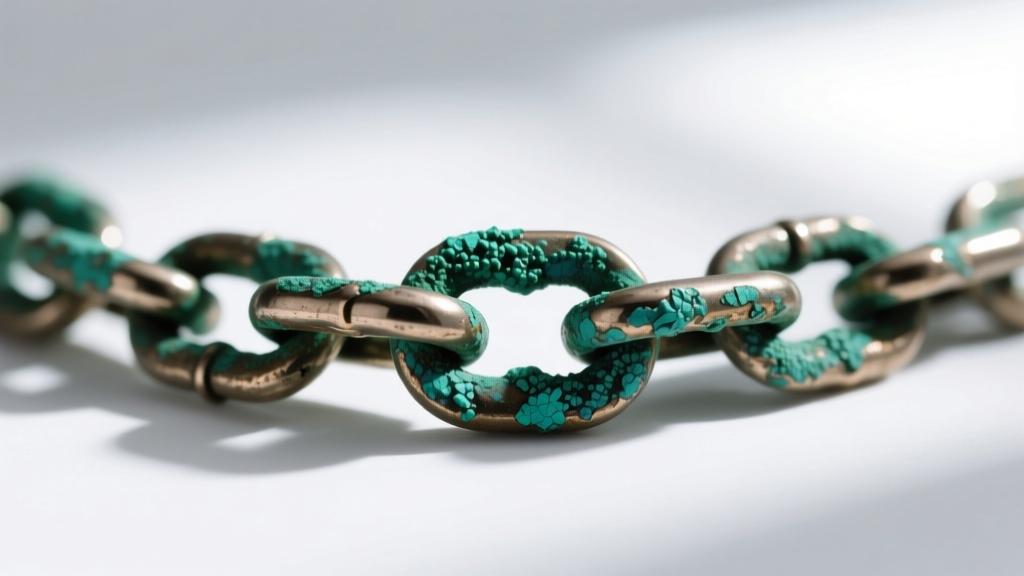
As lead regulations tightened, many manufacturers switched to cadmium to lower the melting point of die-cast zinc alloys like Zamak. Cadmium is a known human carcinogen and a severe kidney toxin. When a cadmium-plated necklace degrades, it exposes the wearer to toxic dust and salts, particularly dangerous if the jewelry is handled and then transferred to the mouth via food.
Material Comparison: Safe vs. Toxic Alloys
To make informed purchasing decisions, it is crucial to understand the metallurgical composition of common necklace materials. The table below breaks down the properties, toxicity risks, and typical use cases for various jewelry metals.
| Material | Composition / Alloying Elements | Toxicity Risk | Corrosion Resistance | Best Use Case |
|---|---|---|---|---|
| Zamak (Zinc Alloy) | Zinc, Aluminium, Magnesium, Copper (often plated) | High (frequently contains lead/cadmium impurities) | Poor (prone to pitting and white oxidation) | Ultra-cheap, short-term costume jewelry |
| Leaded Brass | Copper, Zinc, 1-3% Lead | Moderate to High (lead exposure via wear and handling) | Moderate (tarnishes, requires lacquering) | Heavy statement pendants, vintage replicas |
| 316L Surgical Steel | Iron, Chromium, Nickel, Molybdenum, Low Carbon | Low (contains nickel, but tightly bound in matrix) | Excellent (highly resistant to sweat and moisture) | Everyday chains, medical ID pendants |
| Grade 23 Titanium (Ti6Al4V) | Titanium, 6% Aluminum, 4% Vanadium, ELI | None (biocompatible, ASTM F136 certified) | Superior (impervious to bodily fluids) | Hypoallergenic necklaces, permanent jewelry |
| Niobium | Pure Niobium (Element 41) | None (highly inert, anodizes without chemicals) | Superior | Colorful, lightweight, allergy-safe pendants |
The Nickel Factor: Contact Dermatitis and Sensitization
While not acutely "deadly" in the traditional sense, nickel is the most pervasive hazardous material in modern jewelry. Approximately 10% to 20% of the global population suffers from nickel allergy, a condition that can be triggered or worsened by prolonged skin contact. The Mayo Clinic identifies nickel-releasing jewelry as a primary vector for allergic contact dermatitis, characterized by severe itching, blistering, and hyperpigmentation on the chest and neck.
The danger lies in the chemical reaction between the metal and human sweat. Sweat contains chloride ions and lactic acid, which break down the passive oxide layer on cheap stainless steel or nickel-silver (German silver) alloys. This releases free nickel ions into the skin. The European Union's REACH regulation (specifically the EN 1811 standard) mandates that jewelry intended for prolonged skin contact must not release more than 0.5 µg/cm²/week of nickel. However, many imported necklaces bypass these testing protocols entirely, releasing up to 10 times the legal limit.
How to Test and Verify Your Jewelry Materials
If you suspect you own a modern or vintage iteration of the deadly necklace, empirical testing is the only way to confirm its safety. Visual inspection is insufficient, as toxic metals are often hidden beneath rhodium or gold-flash plating.
- Lead Swab Tests: These consumer-grade kits use sodium rhodizonate, a chemical indicator that turns bright pink or red in the presence of lead. While effective for detecting surface lead on unpainted vintage pendants, they cannot detect lead encapsulated beneath intact clear-coat lacquers or thick gold plating.
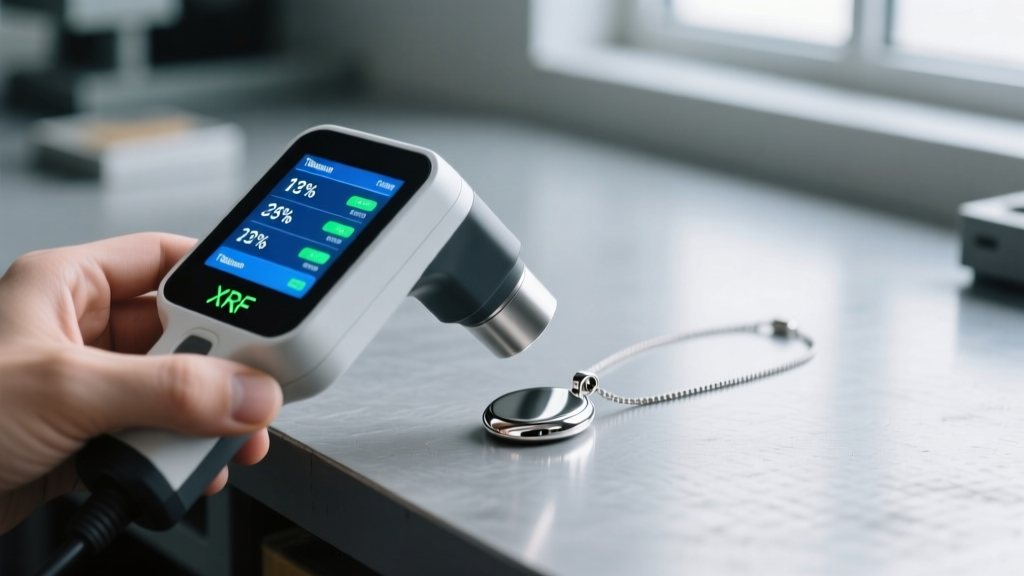
- X-Ray Fluorescence (XRF) Analysis: The gold standard for non-destructive material testing. Professional jewelers and metallurgical labs use handheld XRF analyzers to blast the necklace with X-rays, reading the fluorescent energy signatures to determine the exact elemental breakdown (down to 1 ppm) of the alloy. If you are investing in high-end vintage or bulk wholesale jewelry, requesting an XRF certificate is a non-negotiable best practice.
- Specific Gravity Testing: For solid gold chains, testing the specific gravity (density) using a precision scale and water displacement can help identify if a chain is heavily leaded or tungsten-filled, as these metals mimic the density of 14k or 18k gold but possess vastly different material properties.
Choosing Safe Materials: The 2026 Standard
To completely eliminate the risk of heavy metal toxicity and contact dermatitis, consumers must pivot toward biocompatible, aerospace-grade materials. When shopping for necklaces and pendants, prioritize the following:
1. Solid Titanium (ASTM F136 / Grade 23)
Grade 23 titanium (Ti6Al4V ELI) is the exact alloy used in surgical implants. It contains no nickel, lead, or cadmium, and it is entirely immune to the corrosive effects of human sweat, seawater, and chlorine. It is lightweight, incredibly strong, and hypoallergenic, making it the ultimate material for permanent jewelry and daily-wear chains.
2. Pure Niobium
Niobium is a transition metal that is naturally hypoallergenic. Unlike other metals that require chemical dyes or toxic plating to achieve color, niobium can be anodized using simple electrolysis in a baking soda solution, creating a vibrant, permanent oxide layer in shades of blue, purple, and gold without introducing any toxic heavy metals to the surface.
3. High-Karat Solid Gold (18k and above)
While 10k and 14k gold alloys often contain significant amounts of copper, silver, and occasionally nickel (in white gold), 18k and 24k gold are predominantly pure gold. Pure gold is chemically inert and will not react with the skin. However, ensure that the solder points used to close the chain links and jump rings are also cadmium-free and lead-free, as cheap solders are a common hiding place for toxic flux and heavy metals.
Conclusion
The legacy of the deadly necklace serves as a stark reminder that jewelry is not merely decorative; it is a chemical interaction between metallurgy and human biology. Whether you are handling a fragile Victorian beadwork piece or browsing for affordable fashion chains, maintaining a rigorous standard for material safety is essential. By demanding transparency, utilizing XRF testing, and gravitating toward biocompatible metals like titanium and niobium, you can ensure that your jewelry collection remains a source of beauty, not a hidden hazard.


