How to Clean and Restore a Vintage Avon Opal Necklace
Learn how to safely clean, restore, and troubleshoot common issues with your vintage Avon opal necklace without damaging the stone or metal.

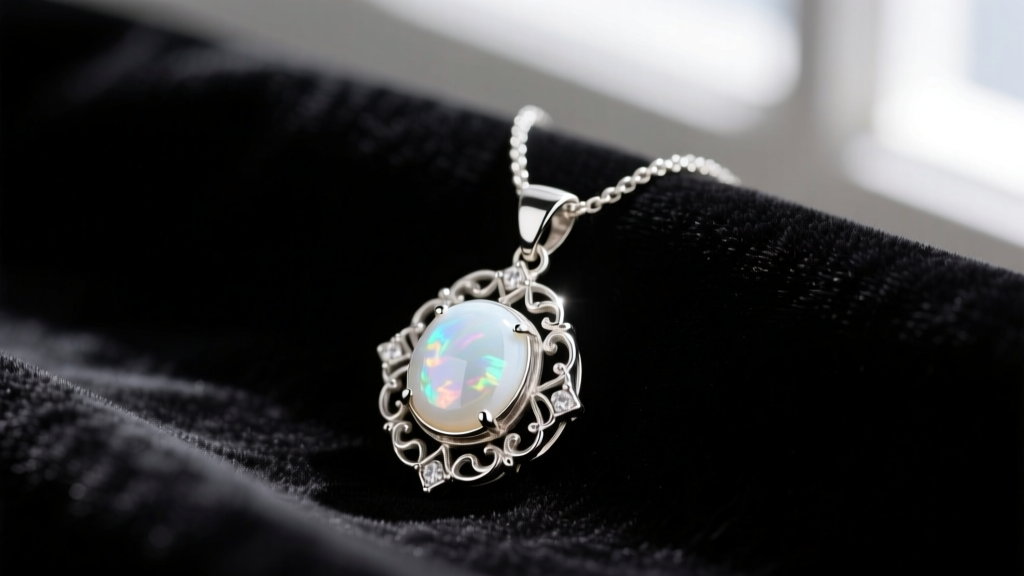
Decoding Your Avon Opal: Glass, Resin, or Opalite?
When troubleshooting a vintage Avon opal necklace, the very first step is identifying the exact material of the centerpiece. Avon has been producing costume jewelry for decades, and the term "opal" in their vintage catalogs rarely refers to solid precious opal. Instead, you are likely dealing with one of three simulants, each requiring a radically different restoration approach:
- Lucite/Resin (1960s-1970s): Lightweight, warm to the touch, and highly prone to micro-scratches and chemical clouding. Resin opals were often molded and feature a slightly waxy luster.
- Opalite (1990s-2000s): A man-made glass with a milky, iridescent glow. It is heavier than resin, cold to the touch, and highly susceptible to chipping if dropped or subjected to thermal shock.
- Foil-Backed Glass (1980s): Clear or milky glass with a painted or foil backing to simulate the play-of-color. If moisture breaches the setting, the foil will oxidize and turn black, ruining the stone's appearance.
According to the Gemological Institute of America (GIA), identifying the refractive index and thermal conductivity of a stone is key to distinguishing glass simulants from natural opals. For at-home troubleshooting, the "tooth test" and temperature test are your safest bets before applying any cleaning solutions.
Troubleshooting Cloudiness and Surface Scratches
The most common complaint with vintage Avon necklaces is a cloudy, dull, or scratched centerpiece. The internet is rife with terrible advice suggesting baking soda or toothpaste as abrasive polishes. Never use abrasive pastes on an Avon opal necklace. If your stone is resin, toothpaste will permanently frost the surface. If it is foil-backed glass, aggressive rubbing can dislodge the stone from its glued prongs.
The Resin Restoration Protocol
If you have confirmed your pendant is resin or Lucite, you must use a specialized plastic polish. The Novus 7100 Plastic Polish Kit is the industry standard for jewelry archivists. Apply Novus #2 (Fine Scratch Remover) with a clean, lint-free microfiber cloth using small circular motions. This gently levels the acrylic surface without generating enough heat to melt the polymer. Wipe clean with Novus #1 to restore the optical clarity.
Opalite and Glass Revival
For opalite and glass, cloudiness is usually caused by decades of skin oils, lotion, and hairspray buildup. Create a lukewarm bath using distilled water and a single drop of pH-neutral dish soap (like Dawn). Submerge the pendant for exactly three minutes. Use a baby-hair brush to gently sweep the crevices of the bezel. Rinse with distilled water and pat dry. Warning: Never use ultrasonic jewelry cleaners on Avon costume pieces. The cavitation bubbles will shatter opalite and shake loose the cheap adhesive used to set foil-backed stones.
The Tarnish Dilemma: Cleaning Plated Base Metals
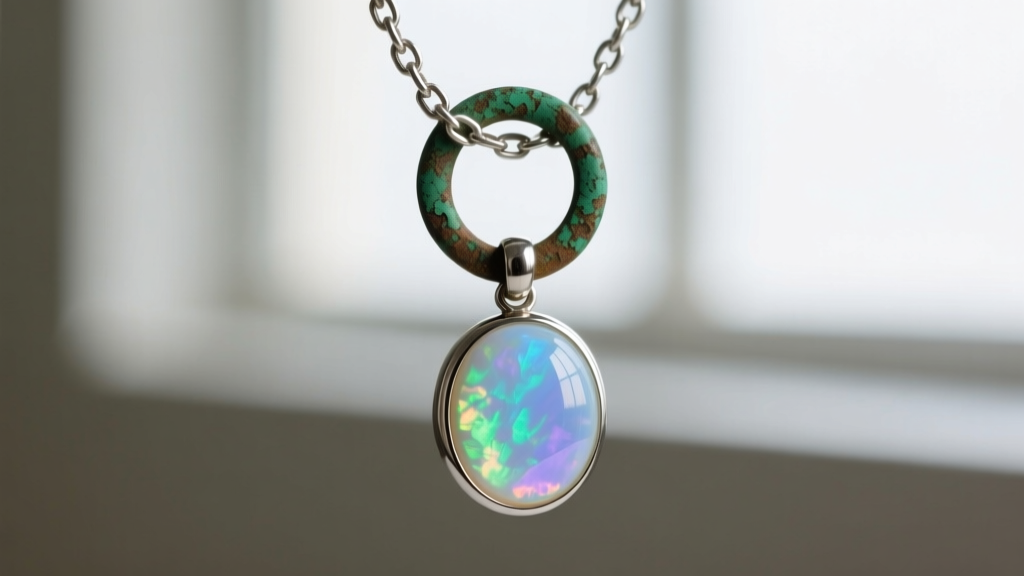
Avon's vintage necklaces typically feature a base metal of pewter, zinc alloy, or brass, finished with a microscopically thin electroplated flash layer of silver or gold tone. When this plating wears thin, the underlying brass or copper reacts with sulfur and moisture in the air, creating dark tarnish or green oxidation.
The biggest mistake collectors make is reaching for liquid silver dips (like Tarn-X). These harsh thiourea-based chemicals will instantly strip the remaining silver plating right off the zinc alloy, leaving you with a dull, gray, permanently ruined pendant. Below is a troubleshooting matrix for safely addressing Avon base metals:
| Cleaning Agent | Metal Type | Result & Recommendation |
|---|---|---|
| Silver Dip (Liquid) | Silver-Plated Brass/Pewter | CATASTROPHIC: Strips plating. Never use. |
| Baking Soda Paste | Gold-Tone Zinc Alloy | POOR: Micro-scratches the soft plating. |
| Mild Soap & Distilled Water | All Base Metals | SAFE: Removes oils, but won't remove heavy tarnish. |
| Godards Silver Cloth | Silver-Plated Pewter | EXCELLENT: Gentle abrasives lift tarnish safely. |
| Cape Cod Metal Polishing Cloths | Solid Brass (if plating is entirely gone) | GOOD: Use only if you intend to polish the raw base metal. |
For routine maintenance, the Jewelers of America organization recommends using only untreated, ultra-soft flannel cloths to wipe down costume jewelry after every wear to prevent the acidic buildup of sebum that accelerates plating loss.
Structural Failures: Fixing Snapped Chains and Bail Loops
Vintage Avon chains are notoriously delicate, often utilizing thin, hollow-curb links that snap under minimal tension. Furthermore, the bail loop (the metal ring connecting the pendant to the chain) frequently suffers from friction wear, eventually rubbing through the soft base metal and causing the loss of the pendant.
Jump Ring Replacement Sizing
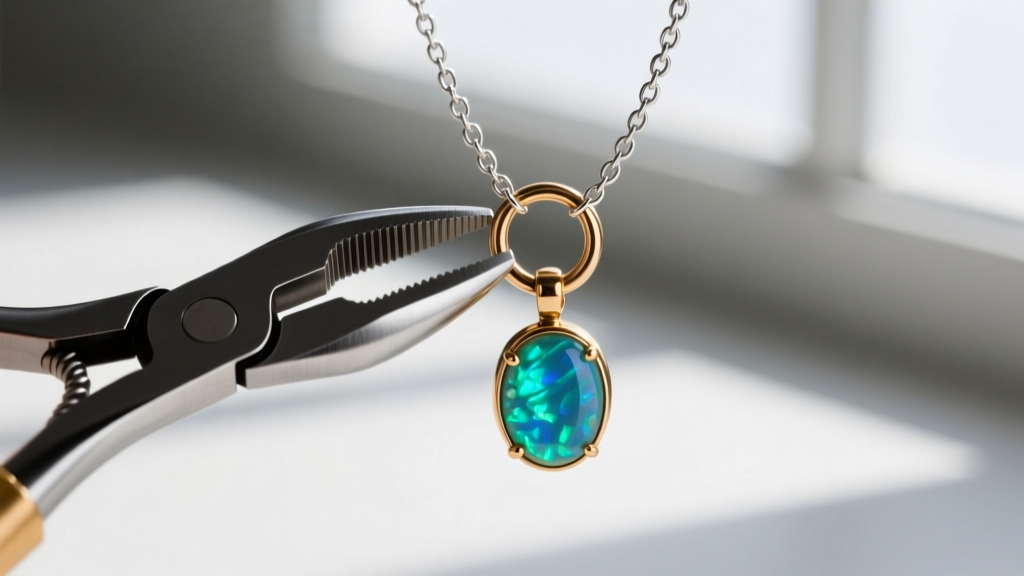
If the bail loop has worn through, do not attempt to solder it. The heat from a jeweler's torch will melt the zinc alloy base and shatter the opalite or resin stone. Instead, use jewelry pliers to carefully open the remaining loop and attach a heavy-duty replacement jump ring. For 90% of Avon pendants, a 4mm outer diameter, 20-gauge brass or stainless steel jump ring provides the perfect fit without overwhelming the delicate aesthetic of the piece.
Upgrading the Chain and Clasp
If the original chain is beyond repair or heavily tarnished, upgrading the chain is a practical solution. However, you must match the visual weight of the original piece. A 1.2mm to 1.5mm cable or rolo chain in a matching metal tone is ideal. Additionally, Avon frequently used tiny 5mm spring ring clasps that become brittle and fail over time. Swap the clasp for a 6mm or 8mm stainless steel lobster claw clasp, which offers vastly superior security and is much easier to manipulate for those with limited dexterity.
Safe Storage Protocols for Simulated Opals
How you store your Avon opal necklace is just as critical as how you clean it. Resin and Lucite stones are highly vulnerable to UV degradation; prolonged exposure to direct sunlight will cause the polymer chains to break down, resulting in an irreversible yellowing of the "opal."
Furthermore, storing costume jewelry in humid environments (like a bathroom hook) accelerates the oxidation of the base metals. Store your restored necklace in an airtight ziplock bag with a 3M anti-tarnish strip, and place it inside a dark, climate-controlled jewelry box. By understanding the specific material science behind Avon's costume pieces, you can ensure your vintage opal necklace remains a wearable piece of history for decades to come.


