How to Choose the Best Display Necklace Bust for Retail
Discover how to choose the best display necklace busts and stands for retail, craft fairs, and photography. Compare materials, angles, and pricing.

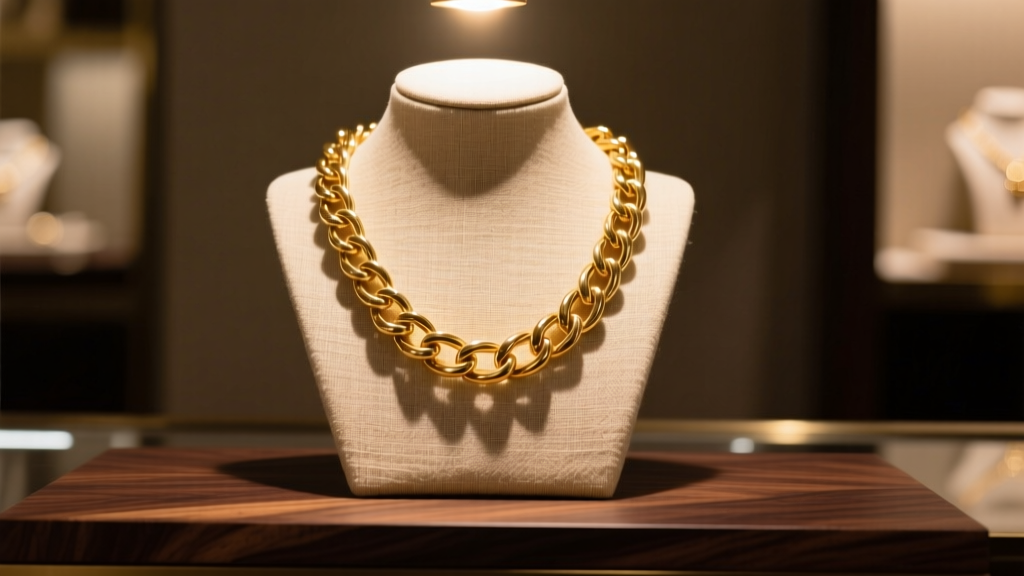
Visual merchandising is the silent salesperson of the jewelry industry. While the craftsmanship of your pendants and chains speaks to your artistic skill, the way you present these pieces dictates their perceived value. In 2026, with the rise of hybrid retail environments, immersive pop-up shops, and high-definition social commerce, selecting the right display necklace bust is no longer an afterthought—it is a critical conversion tool. The modern consumer is highly attuned to aesthetic cohesion. Whether you are outfitting a luxury boutique, setting up an artisan market booth, or building a professional e-commerce photography studio, the fixture you choose must elevate the jewelry while remaining structurally unobtrusive. A mismatched or flimsy stand can instantly drop the perceived value of a $2,000 gemstone pendant to that of a flea-market trinket.
The Anatomy of a Professional Display Necklace
Not all busts are created equal. A cheap, hollow plastic stand will immediately devalue high-end jewelry. To understand what to look for, we must break down the structural anatomy of a premium display necklace fixture.
Neck Slope and Collarbone Contour
The slope of the neck dictates how chains drape. A standard 15-degree slope is ideal for delicate 18-inch chains and chokers, allowing them to rest naturally against the clavicle area without sliding. However, if you specialize in heavy statement pieces or multi-strand opera-length necklaces, you need a 30-degree sloped bust. This steeper angle prevents heavy metal links from pooling at the bottom of the bust, ensuring the pendant remains centered. Furthermore, look for a subtle collarbone contour—a slight indentation near the base of the neck that mimics human anatomy and stops 14-inch chokers from creeping upward.
Base Weight and Stability Metrics
Stability is paramount, especially in high-traffic retail environments or outdoor artisan markets where wind is a factor. Entry-level displays often feature hollow bases weighing less than 8 ounces. For professional use, always opt for resin-filled or weighted metal bases. A high-quality display necklace stand should weigh between 2.5 and 4 pounds. This mass ensures that when a customer lifts a heavy 150-gram gold chain off the bust, the entire fixture doesn't tip over, potentially scratching the jewelry or damaging the display case glass.
Material and Upholstery Comparison
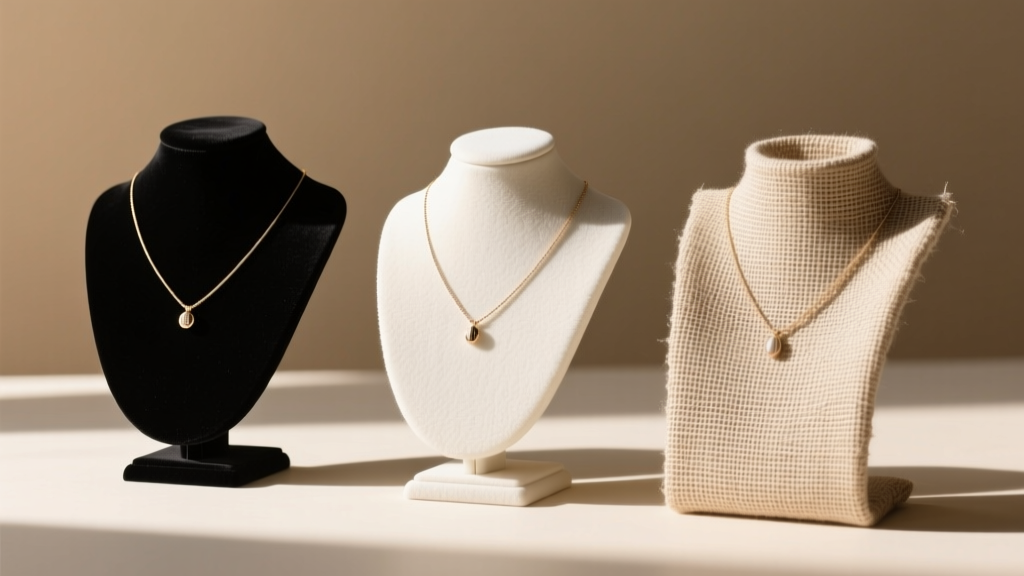
The fabric covering your display necklace stand interacts directly with retail lighting and camera sensors. According to visual merchandising guidelines from the National Retail Federation, the texture of your display materials can alter a customer's perception of price and quality. Below is a breakdown of the most common upholstery materials used in modern jewelry displays.
| Material | Light Interaction | Best For | Maintenance Level |
|---|---|---|---|
| Velvet | Absorbs light; creates deep shadows | Diamonds, platinum, high-end luxury | High (attracts lint/dust) |
| Linen | Diffuses light; soft organic glow | Artisan metals, pearls, bohemian styles | Medium (wrinkles easily) |
| Suede / Microfiber | Matte finish; neutral reflection | Everyday gold/silver, modern minimalist | Low (easy to wipe clean) |
| PU Leather | Slight sheen; contemporary look | Men's chains, edgy streetwear jewelry | Medium (can peel over time) |
When choosing a fabric, consider your primary lighting setup. If your retail space utilizes harsh, cool-toned LED track lighting, a black velvet display necklace will absorb the glare and make diamonds pop with brilliant contrast. Conversely, if you shoot product photography using natural window light, a natural linen bust will provide a warm, diffused backdrop that complements gold and rose gold alloys beautifully.
Sizing and Scale: Matching the Bust to the Necklace Length
One of the most common mistakes jewelers make is using a one-size-fits-all approach to their display necklace inventory. The physical dimensions of the bust must correlate with the chain lengths you intend to showcase. A standard bust typically measures 8.5 inches in height from the base to the top of the neck. This dimension is perfectly calibrated for 16-inch chokers and 18-inch princess-length chains, allowing the pendant to rest elegantly in the center of the chest area.
However, if your collection features 24-inch opera-length chains or 30-inch rope necklaces, a standard bust will force the jewelry to wrap awkwardly around the base or hang off the edge, creating a messy, unprofessional silhouette. For longer pieces, you must source elongated torso displays that measure at least 12 to 14 inches in height. Conversely, for delicate collar necklaces (12 to 14 inches), a mini-bust or a specialized floating acrylic neck form is preferable, as it prevents the chain from sinking into the deep contours of a full-sized bust. Always audit your inventory's length distribution before placing a bulk order for display fixtures.
Optimizing for Photography and E-Commerce
In the digital age, your display necklace bust is also a photography prop. The transition from physical retail to e-commerce requires fixtures that serve a dual purpose. Jewelry photography experts, including those cited by the Jewelers Mutual Jewelry Box, emphasize the importance of angle and scale in digital merchandising.
Flat Lay vs. Bust Photography
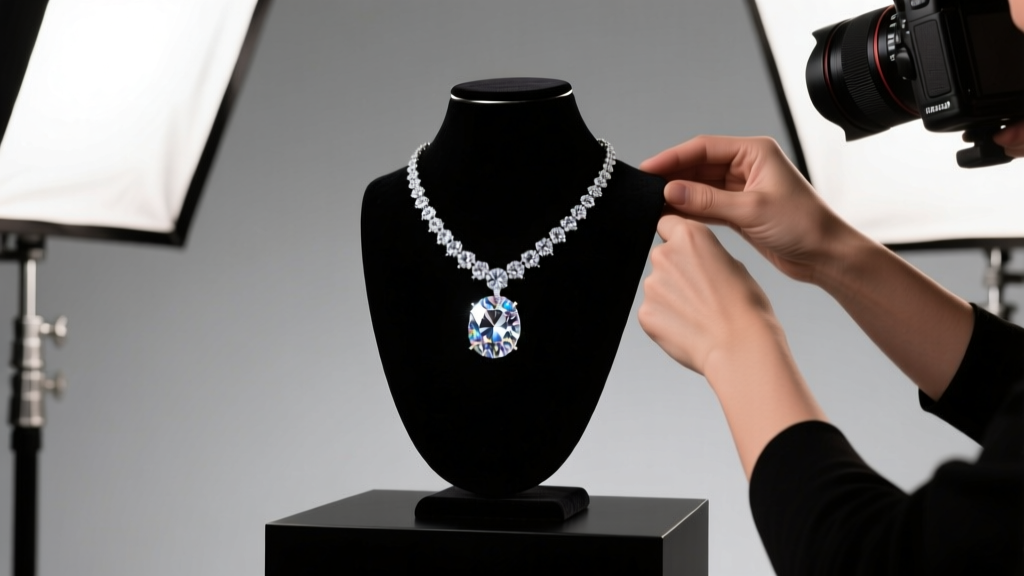
While flat lay photography is popular for social media grids, it fails to communicate the scale and drape of a necklace. Using a bust provides immediate context for the drop length. For e-commerce, invest in an adjustable armature bust. These fixtures allow you to detach the neck portion from the base, enabling you to shoot the necklace against a seamless paper backdrop without the visual clutter of a wooden or acrylic base.
Color Theory and White Balancing
Always keep a neutral grey display necklace in your studio arsenal. Bright white busts can trick your camera's auto-white balance, causing gold jewelry to look brassy or silver to look blue. A medium-grey suede bust acts as a natural grey card, ensuring that the camera captures the exact color temperature of your gemstones and metal finishes. This reduces post-production editing time by up to 40%.
Pricing Tiers and Brand Recommendations
Investing in the right display fixtures requires balancing budget with longevity. Here is what you can expect across different market tiers in 2026:
- Entry-Level ($12 - $25): Brands like Pacific Display Devices offer functional, mass-produced PU leather and velvet busts. These are ideal for high-volume craft fairs where fixtures might get scuffed or lost, but they lack the heavy bases required for luxury retail.
- Mid-Tier ($30 - $65): Companies like Storebound and specialized Etsy woodworkers provide resin-filled bases with premium microfiber or genuine linen upholstery. The stitching is hidden, and the neck contours are anatomically accurate. This is the sweet spot for independent boutiques and professional e-commerce sellers.
- Premium ($70 - $150+): Custom European linen busts with solid walnut or brass bases. These are architectural pieces designed for high-end showrooms where the display itself must reflect the luxury price point of the jewelry.
Maintenance and Fabric Care
A dirty display necklace bust will ruin the perceived value of your inventory. Velvet requires weekly lint-rolling and occasional steaming to revive the crushed pile. Linen should be spot-cleaned with a specialized upholstery foam; never use water-based sprays, as they will leave permanent water rings on the fabric. For microfiber and suede, a simple white vinyl eraser can lift oil transfers from customers' fingers or makeup smudges without damaging the nap of the fabric. By maintaining your fixtures, you ensure that every piece of jewelry is presented in a pristine, professional environment that commands the price it deserves.


