How to Make a Custom Labubu Necklace: Step-by-Step Guide
Learn how to craft a durable, custom Labubu necklace. This step-by-step guide covers chain gauges, bail adhesives, and UV protection for art toy pendants.

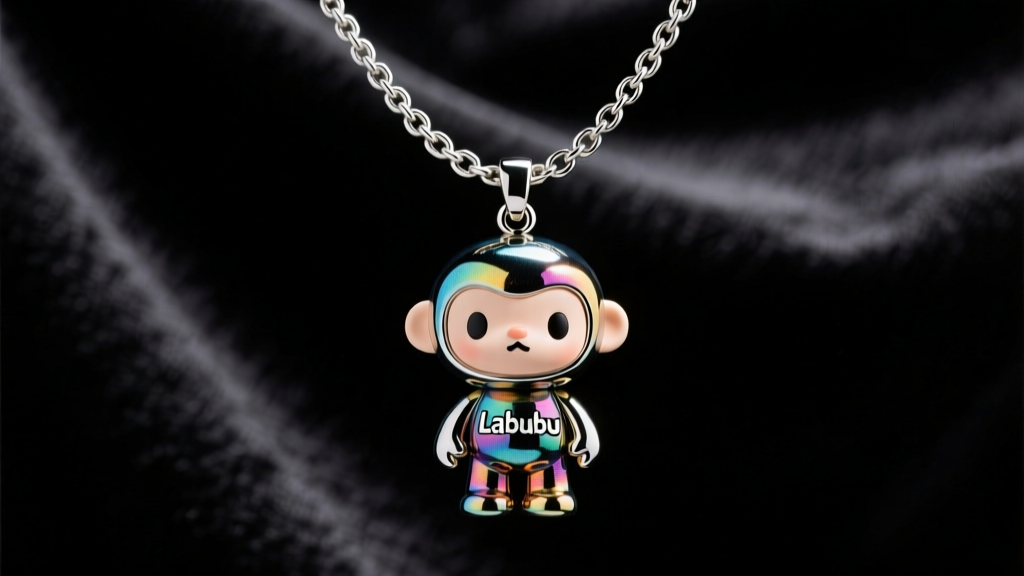
The Rise of Art Toy Jewelry: Why Labubu?
In 2026, the boundary between collectible art toys and high fashion has completely dissolved. The Labubu necklace, once primarily seen as a bag charm or a niche collector's item, has evolved into a statement pendant worn by fashion insiders and streetwear enthusiasts alike. Created by artist Kasing Lung and produced by Pop Mart, the mischievous, elf-like character features a distinct blend of playful and edgy aesthetics that pairs surprisingly well with industrial and minimalist jewelry hardware.
However, transforming a standard 3-inch vinyl or PVC Labubu figure into a wearable, durable necklace requires more than just looping a string through its head. Art toys are not cast in precious metals; they are manufactured from PVC, ABS plastics, and delicate hand-painted finishes. To create a custom Labubu necklace that withstands daily wear, body oils, and UV exposure, you must approach the project with a jeweler's mindset. This step-by-step guide will walk you through the exact materials, metallurgical considerations, and preservation techniques required to craft a professional-grade pendant.
Materials and Tools Checklist
Before beginning, gather the following specialized jewelry-making and crafting supplies. Skipping the UV sealant or using the wrong adhesive are the most common failure points in DIY art toy jewelry.
- The Figure: 1 authentic Labubu figure (approx. 15g to 25g depending on the series).
- Chain: 1.5mm to 2.0mm gauge 316L stainless steel or 925 sterling silver chain (18 to 22 inches).
- Bail: 10mm pad bail or a 2mm brass screw-eye bail.
- Adhesive: E6000 Jewelry & Bead flexible adhesive (do not use cyanoacrylate/super glue).
- Sealant: Krylon UV-Resistant Clear Coating (Matte or Gloss).
- Tools: Dremel rotary tool with a 2mm diamond burr bit, masking tape, isopropyl alcohol (90%+), and microfiber cloths.
Step 1: Preparing and Sealing Your Labubu Figure
The paints used on mass-produced art toys are highly susceptible to degradation from human sebum (skin oils), friction, and ultraviolet light. Without a protective barrier, the matte finish on a Labubu's face will develop a shiny, degraded patina within weeks of being worn against the chest.
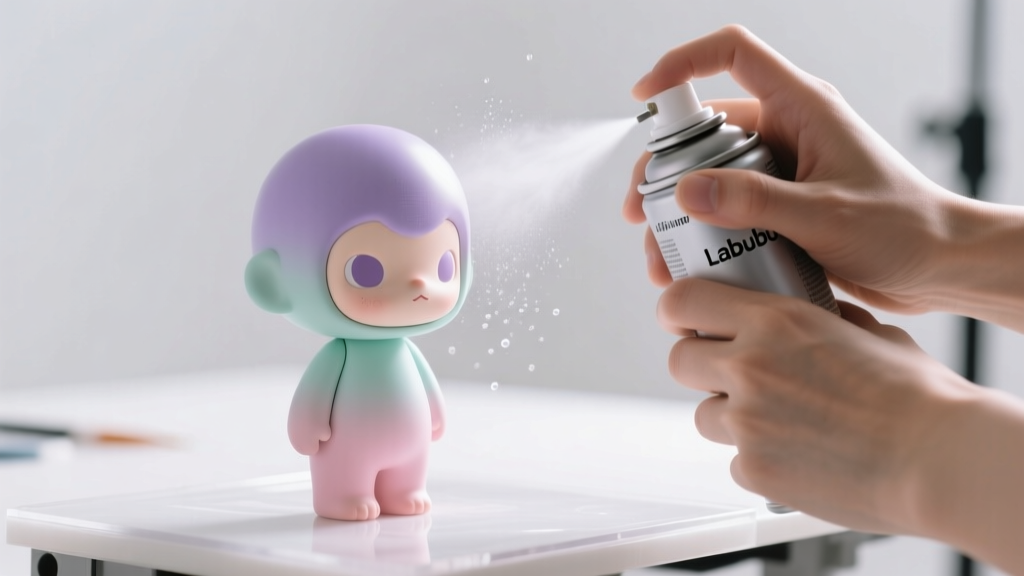
Cleaning and Masking
Wipe the entire figure down with a microfiber cloth lightly dampened with 90% isopropyl alcohol. This removes factory mold release agents and handling oils, ensuring the sealant adheres properly. Use delicate surface masking tape to cover any areas you do not want coated, though a full-body seal is generally recommended for pendants.
Applying the UV Barrier
In a well-ventilated area, apply two light, even coats of the Krylon UV-Resistant Clear Coating. Hold the can 12 inches away to prevent the propellant from pooling or melting the acrylic paint. Allow 24 hours for the coating to fully cure. This step is non-negotiable for preserving the Pop Mart factory paint job against the elements.
Step 2: Choosing the Right Chain and Bail Hardware
A standard Labubu figure weighs between 15 and 25 grams. While this may seem light, the pendulum effect of a pendant swinging against the chest creates dynamic tension that can easily snap delicate jewelry chains. According to hardware guidelines from Rio Grande, chains under 1.2mm in gauge are prone to link distortion when supporting pendants over 10 grams.
Chain Style and Gauge Comparison
| Chain Style | Recommended Gauge | Weight Limit | Durability for Art Toys |
|---|---|---|---|
| Curb Chain | 1.8mm - 2.5mm | Up to 60g | Excellent. Flat links resist twisting and distribute weight evenly. |
| Box Chain | 1.5mm - 2.0mm | Up to 40g | Very Good. Geometric structure provides high tensile strength. |
| Rope Chain | 2.0mm - 3.0mm | Up to 80g | Good, but the twisted texture can catch on clothing or hair. |
| Cable Chain | 1.2mm - 1.5mm | Up to 15g | Poor. High risk of link stretching or snapping with a 20g+ pendant. |
Step 3: Attaching the Bail Safely
The method you use to attach the chain to the figure will determine the lifespan of your Labubu necklace. There are two primary methods: the glue-on pad bail and the drilled screw-eye bail. For a secure, permanent hold, the drilled method is vastly superior.
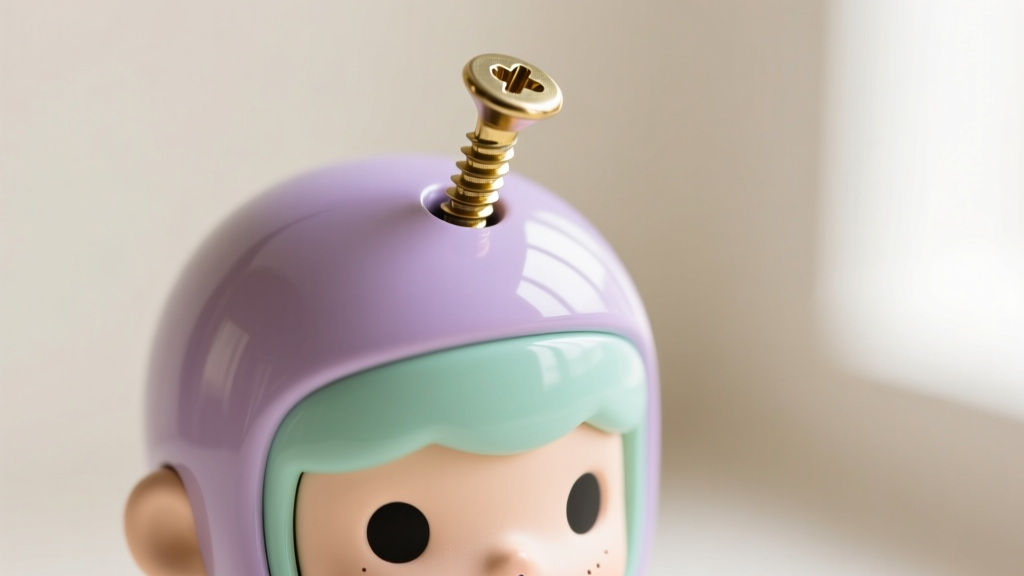
The Drilled Screw-Eye Method (Recommended)
- Mark the Spot: Identify the exact top-center of the Labubu's head or hat. Use a fine-tipped marker to mark the drill point.
- Drill the Pilot Hole: Using a Dremel tool fitted with a 2mm diamond burr bit, drill at a low speed (under 5,000 RPM). Crucial: High speeds generate friction heat, which will melt the PVC and ruin the figure's structural integrity. Dip the bit in water every few seconds to keep it cool.
- Insert the Bail: Apply a tiny drop of E6000 adhesive to the threads of a brass or stainless steel screw-eye bail. Twist it firmly into the pilot hole until the eyelet sits flush against the vinyl.
Why Avoid Glue-On Pad Bails?
While glue-on bails seem easier, cyanoacrylate (super glue) causes a chemical reaction with PVC that results in "frosting" (a permanent white haze) and creates a brittle bond that shatters under impact. Even flexible adhesives like E6000 struggle to maintain a permanent grip on smooth, flexible vinyl surfaces when subjected to the leverage of a heavy pendant. Always drill when possible.
Step 4: Assembly and Final Curing
Once the screw-eye bail is inserted, allow the E6000 adhesive to cure for a full 72 hours. E6000 reaches its maximum tensile strength only after a complete three-day cure cycle. After curing, thread your chosen 316L stainless steel curb chain through the bail eyelet.
Ensure your chain is finished with a high-quality lobster clasp rather than a spring ring clasp. Spring rings are notorious for failing under the dynamic weight of art toy pendants. For added security, use jewelry pliers to ensure the jump rings connecting the clasp to the chain are soldered shut or tightly closed with no visible gaps.
Maintenance and Care for Vinyl Pendants
Wearing a Labubu necklace requires specific care routines to maintain both the metal hardware and the vinyl figure. Treat your custom piece as a hybrid between fine jewelry and a delicate collectible.
- Avoid Acetone and Solvents: Never clean your necklace with nail polish remover or harsh chemical solvents. Acetone will instantly dissolve the PVC surface and strip the UV sealant.
- Perfume Protocol: Apply all perfumes, hairsprays, and lotions before putting on your necklace. The alcohol and essential oils in fragrances can degrade the acrylic paint over time.
- Storage: Store the necklace in a soft microfiber pouch. Do not store it in an airtight plastic bag with silica gel packets, as certain PVC compounds require minimal airflow to prevent plasticizer migration, which can cause the figure to become sticky over time.
By following these precise material selections and assembly techniques, your custom Labubu necklace will transcend the status of a simple toy, becoming a durable, high-fashion accessory that retains its value and aesthetic appeal for years to come. For further insights on sourcing high-quality jewelry findings and chains, consult specialized suppliers like Halstead Bead to ensure your hardware matches the quality of your art.


