DIY LOZ Necklace Value Assessment: Cost, Durability & Chain Pairings
We break down the true cost, material durability, and time investment of crafting a custom DIY LOZ necklace versus buying mass-market enamel pendants.

The Rise of the Custom LOZ Necklace
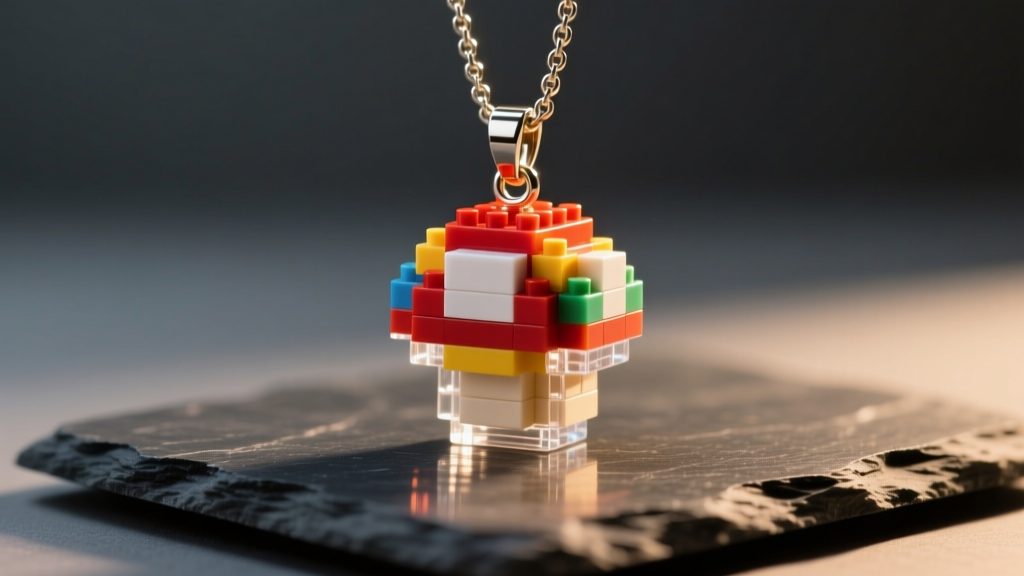
The jewelry market has seen a massive surge in hyper-customizable, micro-scale accessories over the last few years. At the forefront of this movement is the LOZ necklace—a DIY trend utilizing nano-sized building blocks to create intricate pixel-art and 3D pendants. Originally designed as a competitor to Nanoblocks, LOZ micro-blocks have been co-opted by jewelry makers to produce highly detailed, bespoke charms that rival the aesthetic of high-end enamel work. But as a budget-conscious jewelry enthusiast, you have to ask: is the time and material investment actually worth it compared to buying a traditional enameled or cast pendant? In this comprehensive value assessment, we break down the exact costs, material science, and hardware specifications required to turn a $5 toy into a durable, wearable piece of art.
The Anatomy and True Cost of a DIY LOZ Pendant
To accurately assess the value of a LOZ necklace, we must first break down the raw material costs. Unlike traditional jewelry making, which requires expensive precious metals and kiln-fired enamels, the barrier to entry for LOZ pendants is remarkably low. However, the hidden costs lie in the sealing and finishing materials required to make the piece wearable.
Material Cost Breakdown
- LOZ Block Sets: A standard 200-500 piece set costs between $6.00 and $14.00. These are made from high-grade ABS (Acrylonitrile Butadiene Styrene) plastic, which offers excellent color retention and structural rigidity.
- UV Resin or Epoxy: A 200g bottle of jewelry-grade UV resin costs roughly $15.00 and can seal up to 40 small pendants, bringing the per-pendant cost down to $0.38.
- Glue-On Bails: Essential for attaching the pendant to a chain. A pack of 10mm stainless steel pad bails costs about $4.00 ($0.40 each).
- Jewelry Chain: A reliable 316L stainless steel cable chain costs between $8.00 and $15.00 depending on the gauge and length.
Total Out-of-Pocket Cost: For your very first LOZ necklace, expect to spend around $35.00 to acquire all the foundational materials. However, the marginal cost for every subsequent pendant drops to roughly $6.78 (blocks + resin + bail). This makes it an incredibly budget-friendly avenue for bulk creation or personalized gifting.
The Material Science of Sealing ABS Plastic
The most common failure mode for amateur LOZ necklace makers is skipping the sealing process. Raw ABS plastic is highly porous at a microscopic level. When worn against the skin, it absorbs sebum (skin oils), sweat, and environmental pollutants. Within weeks, an unsealed LOZ pendant will develop a cloudy, degraded film that cannot be washed off. Furthermore, the friction from clothing will cause micro-scratches on the sharp edges of the blocks.
UV Resin vs. Two-Part Epoxy
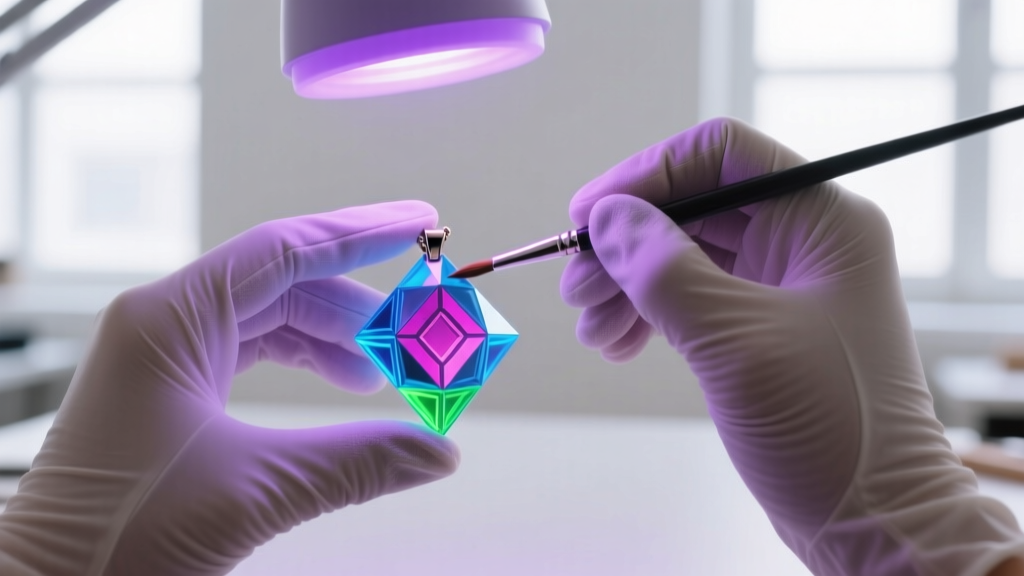
To achieve a glass-like, durable finish, you must encapsulate the pendant. You have two primary chemical options:
- UV Resin: Cures in 3-5 minutes under a 36W UV lamp. It offers a high Shore D hardness (typically around 85), making it highly scratch-resistant. However, cheap UV resins lack HALS (Hindered Amine Light Stabilizers) and will yellow when exposed to direct sunlight over time.
- Two-Part Epoxy: Requires a 24-hour cure time. Epoxy is slightly more flexible than UV resin, which is actually beneficial for LOZ necklaces. Because ABS plastic expands and contracts slightly with temperature changes, a flexible epoxy dome is less likely to crack or delaminate than a rigid UV resin shell.
Expert Tip: Always apply a thin 'flood coat' of resin first, curing it to seal the microscopic gaps between the blocks, before applying a thicker 'dome coat' to prevent air bubbles from ruining the finish.
Hardware Specifications: Bails and Chain Gauges
A LOZ necklace is only as strong as its weakest connection point. Because the pendant is essentially a block of plastic encased in resin, you cannot simply drill a hole through it for a jump ring. Drilling generates heat that will melt the ABS plastic and crack the resin shell. Instead, you must use a glue-on pad bail.
The Adhesive Debate: E6000 vs. Cyanoacrylate
Do not use super glue (cyanoacrylate) to attach your metal bail to the resin-sealed LOZ pendant. Super glue cures brittle and will cause 'frosting' (a white, cloudy bloom) on your clear resin. Instead, use a flexible, industrial-strength adhesive like E6000 or a two-part jeweler's epoxy. E6000 requires 24 hours to fully cure, but its flexibility absorbs the shock of the pendant swinging against the chest, preventing the bail from snapping off.
Selecting the Right Chain Gauge
LOZ pendants can be surprisingly heavy, especially 3D builds that utilize over 300 blocks and a thick resin dome. Pairing a heavy pendant with a delicate chain is a recipe for disaster.
- Flat 2D Pendants (Under 15g): A 1.2mm to 1.5mm stainless steel cable chain is sufficient. It offers a delicate, modern look without sacrificing tensile strength.
- Chunky 3D Pendants (15g - 40g): Upgrade to a 2.0mm to 2.5mm Figaro or Rope chain. These styles distribute weight more evenly and resist kinking.
Always opt for 316L surgical stainless steel or solid sterling silver for your chains. Plated brass chains will quickly tarnish and turn the wearer's skin green, completely undermining the value of your custom pendant. For authoritative guidance on chain tensile strengths and finding specifications, jewelry suppliers like Rio Grande offer extensive technical charts that can help you match the exact weight of your pendant to the correct chain gauge.
Cost vs. Time: The Value Matrix
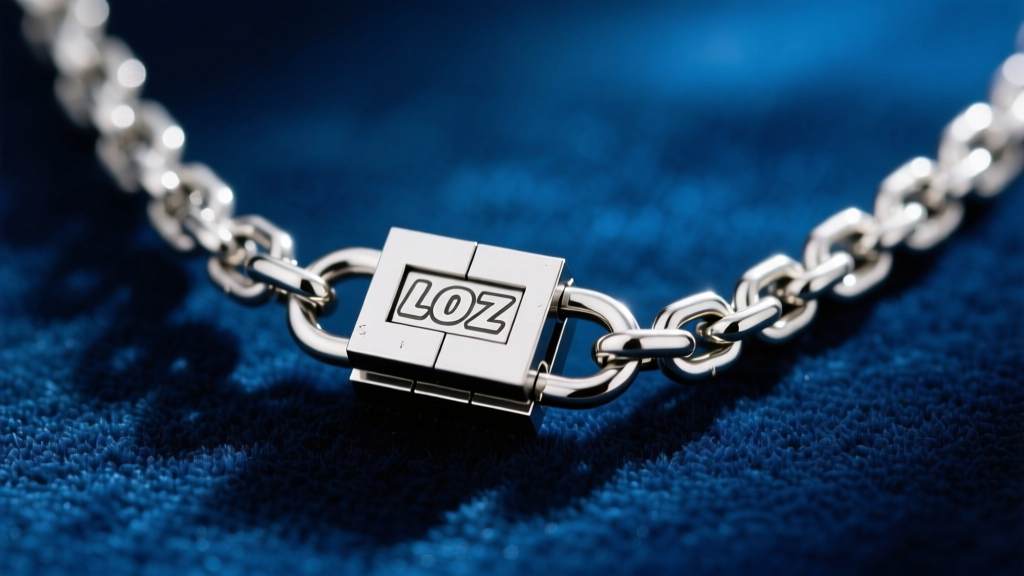
When assessing the budget and value of a LOZ necklace, we must factor in the 'time tax'. Building a detailed pixel-art portrait or complex 3D object can take anywhere from 2 to 6 hours. Below is a comparison matrix evaluating the DIY LOZ route against traditional market alternatives.
| Metric | DIY LOZ Necklace | Mass-Market Enamel Pendant | Custom Hand-Painted Resin |
|---|---|---|---|
| Material Cost | $6.78 (marginal) | $15.00 - $30.00 | $25.00 - $50.00 |
| Time Investment | 2 - 6 Hours | 0 Hours (Ready to wear) | 8 - 15 Hours |
| Customization Level | Absolute (Any pixel design) | Low (Restricted to stock) | High (But requires art skills) |
| Durability | High (If resin-sealed) | Medium (Enamel can chip) | Very High (Cast resin) |
As the matrix illustrates, the LOZ necklace offers the highest degree of customization for the lowest material cost, provided you are willing to invest the labor hours. It bridges the gap between cheap, mass-produced jewelry and prohibitively expensive bespoke commissions.
Sourcing Safely and Sustainably
Working with resins and adhesives requires strict adherence to safety protocols. UV resin, while convenient, releases volatile organic compounds (VOCs) during the curing process. Always work in a well-ventilated area and wear nitrile gloves to prevent skin sensitization. For detailed safety data sheets and non-toxic certification standards, resources like ArtResin provide excellent educational material on handling jewelry-grade resins safely.
Furthermore, consider the environmental impact of ABS plastic. While highly durable, it is not biodegradable. To maximize the sustainability of your LOZ necklace, ensure your designs are timeless or deeply meaningful to the recipient, reducing the likelihood of the piece being discarded as fast fashion.
Final Verdict: Who is the LOZ Necklace Actually For?
The DIY LOZ necklace is not a shortcut to high-end luxury jewelry, nor is it a replacement for cast gold or gemstone pieces. Instead, it represents a triumph of budget-friendly personalization. It is the ultimate medium for cosplayers needing specific prop jewelry, couples wanting matching pixel-art charms, or individuals seeking a hyper-niche design that simply does not exist in the commercial market.
From a pure budget and value assessment, the LOZ necklace scores exceptionally high. With a marginal cost of under $7 per piece and a durability that rivals commercial enamel when properly sealed in UV resin or epoxy, it is one of the most cost-effective, high-reward jewelry crafting trends available today. By investing in quality 316L stainless steel chains and taking the time to properly seal your ABS blocks, you can create a bespoke accessory that punches far above its weight class in both aesthetics and longevity.


