How to Make Necklace Chains Shine: DIY Cleaning Guide
Learn how to make necklace cleaning solutions at home. Expert DIY recipes for gold, silver, and platinum chains plus vital maintenance tips.

The Chemistry of Tarnish and Grime: Why Necklaces Dull
Many jewelry owners wonder how to make necklace chains regain their original luster without spending a fortune on professional ultrasonic cleanings. The truth is that everyday wear exposes your necklaces to a complex cocktail of environmental and biological factors. Dead skin cells, sebum, cosmetic lotions, and environmental pollutants create a microscopic film over the metal links, dulling their light reflection. Furthermore, reactive metals like sterling silver undergo chemical changes when exposed to airborne sulfur compounds.
Before reaching for harsh commercial chemicals, it is crucial to understand that fine jewelry requires a nuanced approach. According to the Gemological Institute of America (GIA), the most common cause of damaged jewelry is the use of improper cleaning agents that strip protective rhodium plating or scratch soft precious metals. By formulating your own cleaning solutions, you control the pH levels, abrasiveness, and chemical composition, ensuring your delicate chain necklaces, lockets, and pendants remain pristine for decades.
How to Make Necklace Cleaning Solutions for Specific Metals
Not all metals are created equal. A solution that works wonders for platinum could permanently damage gold vermeil or porous gemstone pendants. Below are the precise DIY formulations tailored to the metallurgical properties of your favorite chains.
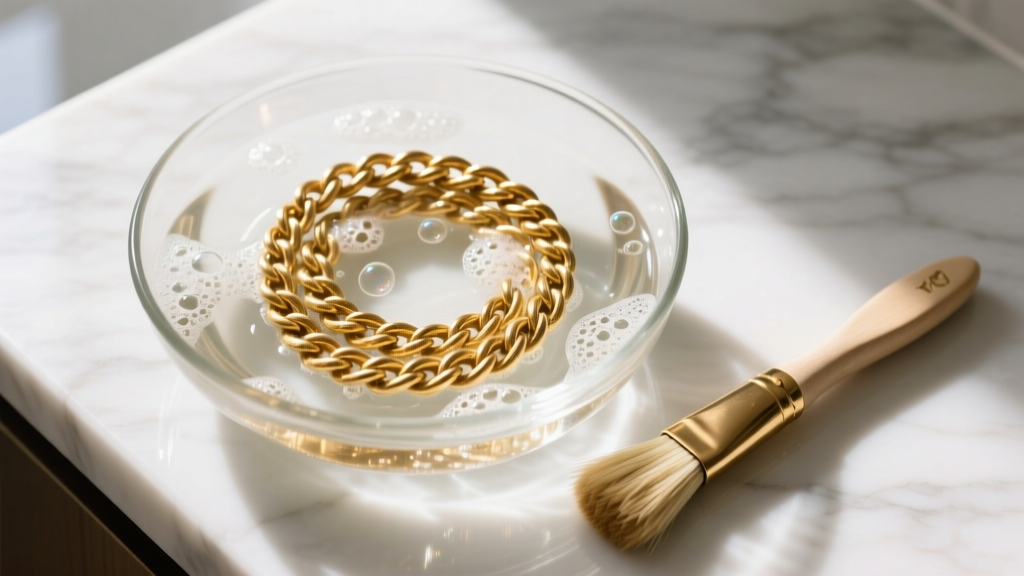
14K and 18K Gold: The Mild Surfactant Method
Gold alloys (14K and 18K) do not tarnish or oxidize, but they are highly susceptible to accumulating oily grime. The alloyed metals (like copper and zinc) lower the Mohs hardness to around 3.0, making them vulnerable to micro-scratches.
- The Recipe: Mix 3 drops of phosphate-free, non-detergent liquid soap (such as pure Castile soap or a mild dish soap like Dawn) into 1 cup of lukewarm distilled water.
- The Technique: Submerge the gold chain for exactly 15 minutes. Do not exceed this time, especially if the necklace features gemstone pendants, as prolonged soaking can weaken prong adhesives.
- The Agitation: Gently agitate the water. Use an extra-soft baby toothbrush (with bristles measuring 0.003 inches or less) to lightly sweep the crevices of rope or box chains.
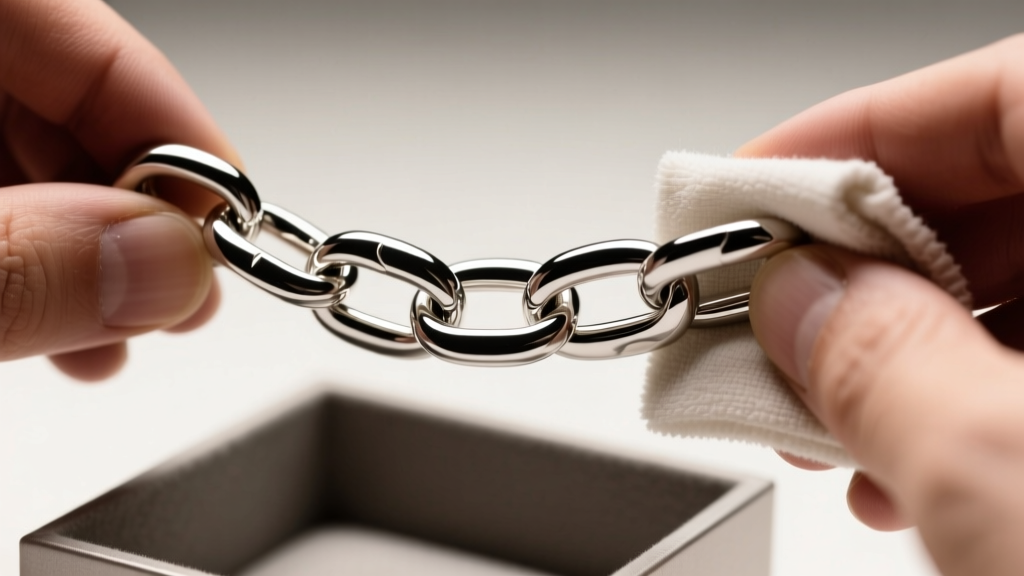
- The Rinse: Rinse thoroughly under a gentle stream of lukewarm distilled water to prevent hard water calcium spots, then pat dry with a lint-free microfiber cloth.
925 Sterling Silver: The Electrochemical Bath
Sterling silver tarnishes when the copper alloy (7.5%) and the silver react with hydrogen sulfide in the air, forming a dark layer of silver sulfide. Abrasive polishing physically removes this layer, along with a microscopic layer of the silver itself. Instead, use an electrochemical reaction to reverse the tarnish without removing any metal.
- The Recipe: Line a glass or ceramic bowl with aluminum foil, shiny side facing up. Add 1 tablespoon of baking soda (sodium bicarbonate) and 1 tablespoon of non-iodized sea salt.
- The Technique: Pour 2 cups of boiling water into the bowl to activate the solution. Immediately drop your sterling silver chain into the bath, ensuring it touches the aluminum foil. You will see bubbling and smell a faint sulfur odor (like rotten eggs) as the silver sulfide is converted back into silver and transfers to the aluminum.
- Crucial Warning: Never use this method on intentionally oxidized (antiqued) silver jewelry or chains featuring porous stones like turquoise, opals, or pearls, as the heat and alkaline environment will cause irreversible damage.
Platinum and Palladium: The Ammonia-Free Soak
Platinum is incredibly dense and hypoallergenic, boasting a Mohs hardness of 4.0 to 4.5. While it does not tarnish, it develops a 'patina'—a satin-like finish caused by microscopic scratches displacing the metal rather than removing it. Cleaning will remove dirt but will not remove the patina; only professional polishing can restore a mirror finish.
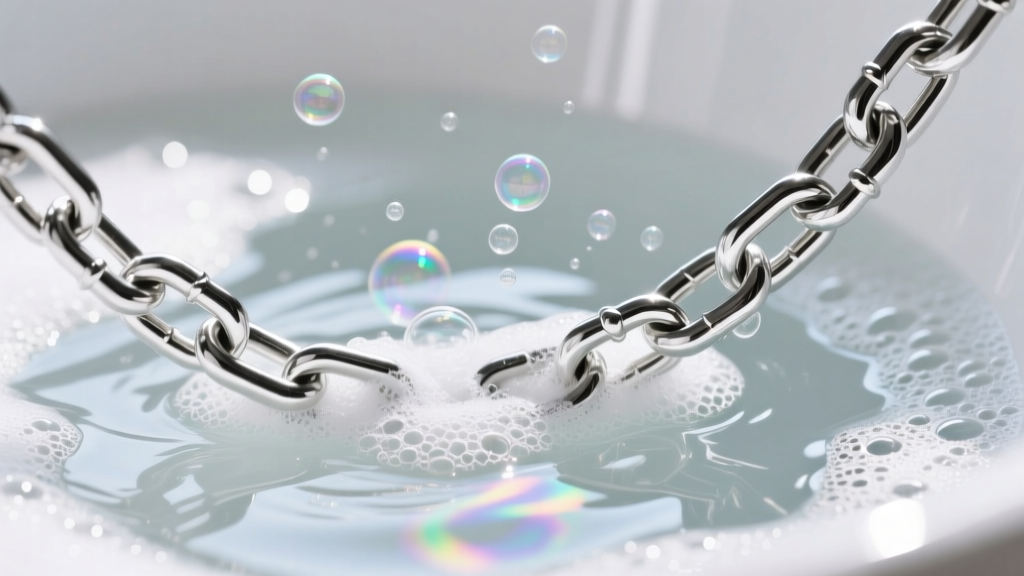
- The Recipe: Combine 1 part mild, ammonia-free glass cleaner (or a specialized ammonia-free jewelry soak) with 3 parts lukewarm water.
- The Technique: Soak the platinum chain for 10 minutes. Gently brush with a soft-bristled jewelry brush to dislodge debris from the tight links of a wheat or snake chain.
Tools of the Trade: Brushes and Cloths
The physical tools you use are just as important as the chemical solutions. The Jewelers of America emphasizes that improper tools are a leading cause of consumer-inflicted jewelry damage.
- Extra-Soft Baby Toothbrushes: Standard adult toothbrushes have stiff nylon bristles that can easily scratch high-polish gold and silver. Always opt for infant toothbrushes or specialized jewelry brushes with natural horsehair bristles.
- Untreated Microfiber Cloths: Avoid using paper towels, tissues, or standard bath towels. Wood pulp in paper products contains silica particles that will leave microscopic swirl marks on polished metals. Use a dedicated, high-GSM (grams per square meter) microfiber cloth.
- Untreated Silver Polishing Cloths: For light surface tarnish that the electrochemical bath didn't catch, use a two-layer jeweler's cloth. The inner layer is treated with a mild micro-abrasive and anti-tarnish agent, while the outer layer buffs the metal to a high shine.
What NEVER to Do: Common DIY Disasters
In the quest to learn how to make necklace chains shine, many well-intentioned owners accidentally destroy their jewelry. Avoid these catastrophic mistakes at all costs:
1. The Toothpaste Myth
Toothpaste contains hydrated silica and calcium carbonate, which have a Mohs hardness of around 7.0. Since 14K gold has a hardness of roughly 3.0 and silver is 2.5, scrubbing your necklace with toothpaste is akin to sanding it with industrial sandpaper. It will permanently ruin the mirror finish and create deep, irreversible scratches.
2. Chlorine and Bleach Exposure
Never clean gold or silver with bleach, and never wear your necklace in a chlorinated pool. Chlorine reacts with the copper and zinc alloys in 14K and 18K gold, causing a phenomenon called 'stress corrosion cracking.' This weakens the metal at a molecular level, leading to brittle chains that snap under their own weight.
3. Boiling Delicate Gemstone Pendants
While boiling water is great for plain metal chains, it is disastrous for pendants. Heat causes thermal shock, which can fracture diamonds with internal inclusions and completely shatter temperature-sensitive stones like emeralds, opals, and tanzanite.
Metal vs. Cleaning Agent Compatibility Matrix
Use this quick-reference table to ensure you are matching the correct DIY solution to your specific necklace material.
| Metal Type | Mohs Hardness | Safe DIY Cleaner | Unsafe Cleaner | Primary Enemy |
|---|---|---|---|---|
| 14K / 18K Gold | 2.5 - 3.0 | Mild Castile Soap | Toothpaste, Bleach | Sebum, Cosmetics |
| 925 Sterling Silver | 2.5 | Electrochemical Bath | Silver Dip Acids | Hydrogen Sulfide |
| Platinum | 4.0 - 4.5 | Ammonia-Free Soak | Chlorine, Ultrasonic | Micro-scratches |
| Gold Vermeil | Varies | Damp Microfiber Only | Any Liquid Soak | Moisture, Friction |
Long-Term Maintenance: Storage and Wear Habits
Cleaning is only reactive; true jewelry care is proactive. How you store and wear your necklaces dictates how often you need to clean them.
The 'Last On, First Off' Rule: Your necklace should be the very last item you put on when getting dressed and the first item you take off when returning home. This prevents contact with perfumes, hairsprays, and lotions, which contain alcohols and oils that degrade metals and cloud gemstones.
Proper Storage Architecture: Never toss multiple necklaces into a single jewelry box drawer. Chains will inevitably tangle, and the friction between different metal hardnesses will cause scratching. Store each necklace individually in a soft, anti-tarnish flannel pouch or a ziplock bag with a silica gel desiccant packet to control ambient humidity. For silver chains, placing a piece of standard white chalk in the storage bag can also help absorb excess moisture and slow the tarnishing process.
By mastering these DIY cleaning techniques and adhering to strict storage protocols, you can maintain the brilliant shine of your necklaces and pendants, ensuring they remain a staple of your wardrobe for a lifetime.


