The Ultimate DMC Devil May Cry Dante Necklace Material Guide
Compare zinc, steel, silver, and titanium for your DMC Devil May Cry Dante necklace. Find the best metal for cosplay, daily wear, and skin safety.

The Metallurgy of Sparda’s Legacy
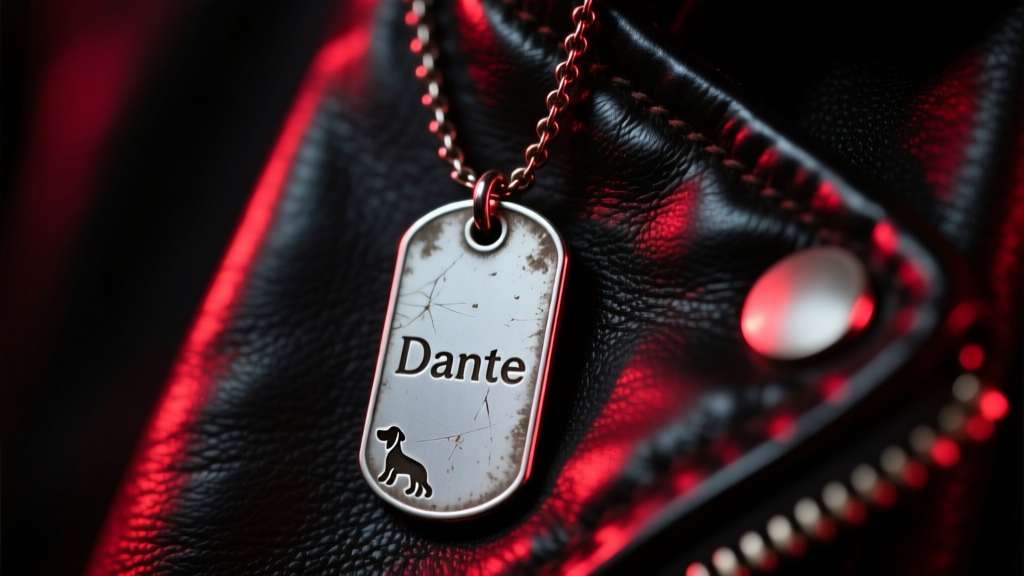
When hunting for the perfect dmc devil may cry dante necklace, fans often prioritize visual accuracy over metallurgical integrity. Whether you are replicating the iconic Perfect Amulet from DMC3, the bullet casing dog tags from DMC5, or a custom Rebellion hilt pendant, the metal you choose dictates the piece's longevity, weight, and skin safety. Cheap convention-floor replicas frequently degrade, turning the wearer's skin green or snapping under the weight of a solid metal pendant. As a jewelry specialist, I break down the exact material properties, casting methods, and structural realities of the metals used to forge Dante's legendary accessories, ensuring your cosplay or daily homage survives the test of time.
Material Breakdown: From Budget Cosplay to Heirloom Replicas
Zinc Alloy (Zamak): The Die-Cast Standard
The vast majority of budget-friendly dmc devil may cry dante necklace replicas found on Amazon or AliExpress are cast from Zamak, a family of zinc alloys containing aluminum, magnesium, and copper. Specifically, manufacturers use Zamak 3 or Zamak 5 due to their low melting points (around 385°C), which makes them ideal for high-speed die-casting. This process forces molten metal into steel molds under extreme pressure, capturing the intricate gothic typography and demon skull motifs of the DMC universe with surprising fidelity.
However, Zamak is inherently porous. To achieve a silver or gunmetal finish, these pendants are heavily electroplated, often with a nickel underplate. According to the National Center for Biotechnology Information, nickel exposure from degrading jewelry plating is a leading cause of allergic contact dermatitis. Once the sweat and friction of a convention wear through the topcoat, the porous zinc reacts with your skin's natural pH (typically 4.5 to 7.0), resulting in the dreaded green skin effect and rapid structural pitting.
316L Surgical Stainless Steel: The Heavyweight Beater
For a mid-tier upgrade ($40–$80), 316L stainless steel is the undisputed champion of daily-wear anime and gaming jewelry. The 'L' stands for low carbon, while the addition of 2-3% molybdenum drastically increases resistance to pitting and corrosion from chlorides (like sweat and seawater). Unlike Zamak, 316L is generally cast using the lost-wax investment method or CNC-milled, resulting in a denser, non-porous pendant that will never turn your skin green.
The primary drawback is density. Steel has a density of roughly 8.0 g/cm³. A screen-accurate, chunky DMC5 dog tag or the sprawling wings of the Perfect Amulet cast in solid steel can easily exceed 80 grams. While this provides a satisfying, premium heft, it demands a robust chain to prevent neck strain and hardware failure.
.925 Sterling Silver: The Collector’s Investment
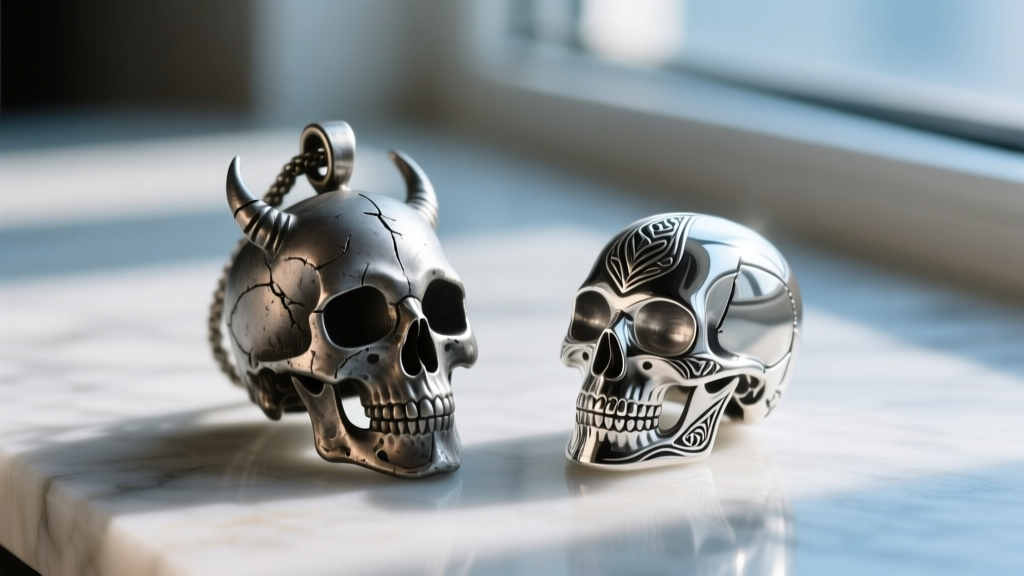
High-end artisan jewelers and licensed premium merchandisers utilize .925 sterling silver (92.5% pure silver, 7.5% copper) for collector-grade pieces ($150–$400+). The Gemological Institute of America (GIA) notes that the copper alloy is necessary to give pure silver the hardness required for wearable jewelry. Silver excels in lost-wax casting, capturing the microscopic file marks and battle damage often seen on Dante's gear.
Silver's unique property is its reaction to sulfur in the air, creating silver sulfide (tarnish). In the context of a DMC necklace, this is actually a benefit. Jewelers use a process called 'antiquing'—intentionally oxidizing the piece and then polishing the high spots—to leave dark, gritty tarnish in the deep crevices of demon faces and gothic runes, dramatically enhancing the 3D relief and gritty aesthetic of the Devil May Cry universe.
Grade 5 Titanium: The CNC-Milled Anomaly
Titanium (specifically Ti-6Al-4V, or Grade 5) is a niche choice for custom-machined DMC pendants. It is completely biocompatible, highly scratch-resistant, and 45% lighter than steel. However, titanium's extreme hardness and high melting point make traditional casting nearly impossible for small jewelry studios. Therefore, titanium Dante necklaces are usually CNC-milled from solid billets. This limits the design to sharper, more geometric interpretations of the amulet or dog tags, lacking the organic, flowing curves of cast silver or zinc, but offering unparalleled indestructibility.
Comparative Analysis: Weight, Detail, and Reactivity
To make an informed purchasing decision, review the metallurgical data below. This framework evaluates how each metal performs specifically for large, detailed gaming pendants.
| Metal / Alloy | Density (g/cm³) | Detail Resolution | Skin Reactivity | Est. Price Range |
|---|---|---|---|---|
| Zamak (Zinc Alloy) | 6.7 | Excellent (Die-cast) | High (if plated) | $12 - $35 |
| 316L Stainless Steel | 8.0 | Good (Investment cast) | Very Low | $40 - $90 |
| .925 Sterling Silver | 10.3 | Superior (Lost-wax) | Low (Copper allergy rare) | $150 - $450 |
| Grade 5 Titanium | 4.4 | Moderate (CNC milled) | None (Biocompatible) | $120 - $300 |
Chain Mechanics: Supporting the Amulet
A heavy dmc devil may cry dante necklace is only as secure as its chain. The most common failure point in cosplay jewelry is the clasp or the jump ring connecting the pendant to the chain. For pendants weighing over 40 grams, abandon standard spring-ring clasps and delicate cable chains immediately.
- Chain Style: Opt for a 4mm to 6mm Rope chain or a flat Cuban link. Rope chains offer multi-directional flexibility and high tensile strength, while Cuban links lay flat against the chest, preventing the pendant from flipping awkwardly during movement.
- Clasp Hardware: Insist on a heavy-duty Lobster clasp with a welded jump ring. Lobster clasps feature an internal spring mechanism that is vastly superior to the easily bent wire of a spring ring.
- Length: Dante’s pendants typically sit at the mid-sternum. For a 24-inch chain, ensure the pendant's bail (the loop it hangs from) is at least 5mm in inner diameter to accommodate thicker rope chains without causing metal-on-metal friction wear.
Maintenance: Preserving the Demon Hunter Aesthetic
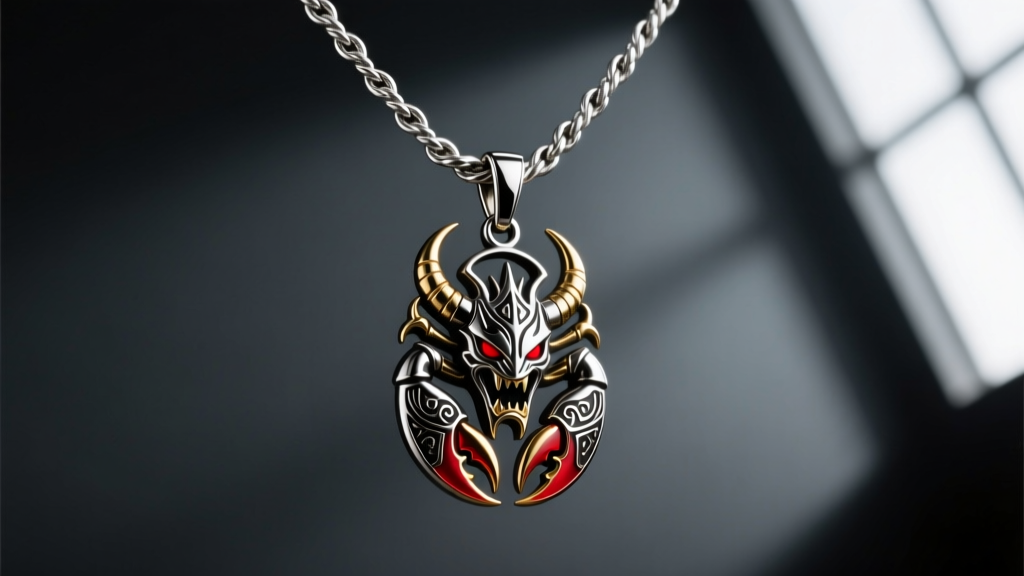
Maintenance protocols vary wildly by material. Zamak pieces should never be submerged in liquid cleaners; the porous metal can trap moisture and chemical salts, leading to internal 'zinc pest' (a slow expansion and crumbling of the alloy). Wipe Zamak strictly with a dry microfiber cloth.
For 316L steel, warm water and a drop of dish soap are sufficient to remove sebum and dead skin cells that accumulate in the pendant's deep engravings. Sterling silver requires a dedicated silver polishing cloth (impregnated with mild abrasives and anti-tarnish agents) to maintain the high-polish edges while leaving the antiqued recesses dark. Never use liquid silver dips on oxidized DMC replicas, as the harsh chemicals will strip the intentional blackening from the demon crevices, leaving the piece looking flat and lifeless.
Final Verdict: Which Metal Suits Your Playstyle?
If you need a lightweight, budget-friendly piece for a weekend convention and plan to store it in a display case afterward, a Zamak replica is perfectly adequate. For daily wear, gym sessions, and a piece that feels like a genuine weapon accessory, invest in 316L Stainless Steel; the weight and indestructible nature justify the slightly muted detail. Finally, for the dedicated collector seeking a screen-accurate, heirloom-quality tribute to the Son of Sparda, a custom-cast .925 Sterling Silver pendant with hand-applied antiquing is the ultimate endgame.


