Do Men Wear Necklaces? A Step-by-Step Sizing & Styling Guide
Discover the answer to 'do men wear necklaces' with our step-by-step guide on sizing, materials, layering, and neckline pairing for modern men's style.

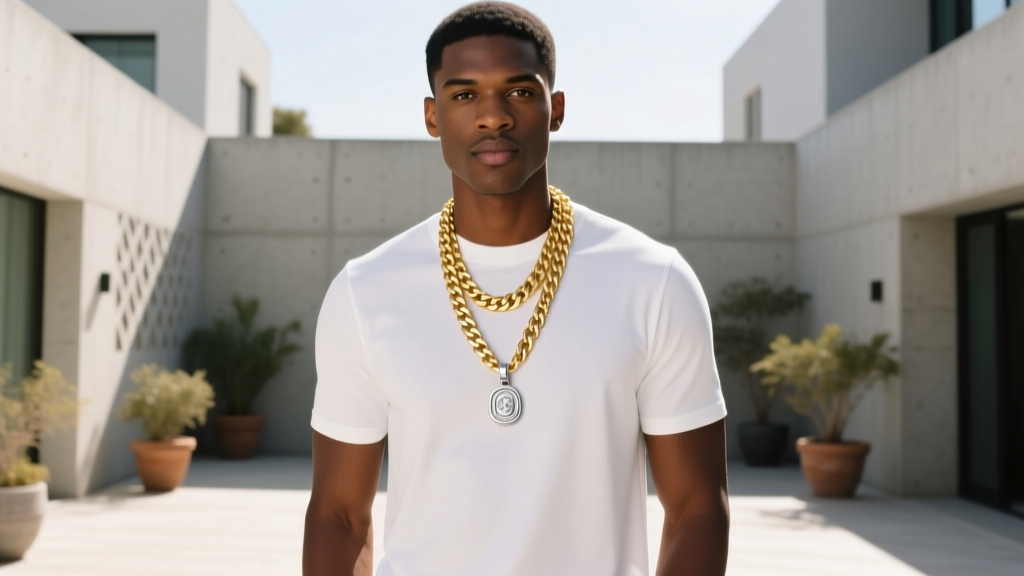
The Short Answer: Do Men Wear Necklaces?
If you are asking, "do men wear necklaces?" the definitive answer is yes. Historically, necklaces have been a staple of male adornment across countless cultures, from ancient Egyptian pharaohs wearing lapis lazuli collars to 17th-century European nobility sporting pearl strands. Today, the modern men's jewelry market has exploded, moving far beyond the caricature of oversized hip-hop chains or surfer puka shells. In 2026, necklaces are a foundational element of men's style, serving as subtle anchors for tailored suits or bold statements in streetwear. However, wearing a necklace well requires an understanding of proportions, metallurgy, and styling mechanics. This step-by-step guide will walk you through exactly how to select, size, and style a necklace to elevate your wardrobe without looking like you are wearing borrowed accessories.
Step 1: Determine Your Ideal Chain Length
The most common failure point in men's jewelry is wearing the wrong chain length for your torso and neck size. A chain that is too short will look like a choker and restrict movement, while one that is too long will get lost in your clothing or swing awkwardly. For an average male height of 5'10" (178 cm), here is a precise breakdown of standard lengths and where they sit on the body.
| Chain Length | Placement on Body | Best Use Case | Recommended Thickness |
|---|---|---|---|
| 18 Inches (45 cm) | Base of the neck (Choker fit) | Thicker chains, streetwear, tight crew necks | 4mm - 8mm+ |
| 20 Inches (50 cm) | Collarbone (Standard fit) | Everyday wear, dog tags, subtle pendants | 2mm - 5mm |
| 22 Inches (55 cm) | Upper chest | Heavier pendants, V-necks, unbuttoned shirts | 3mm - 6mm |
| 24 Inches (60 cm) | Mid-chest / Sternum | Statement pieces, layering, outerwear | 4mm - 10mm |
| 30 Inches (76 cm) | Lower chest / Solar plexus | Oversized pendants, hip-hop styling, tall men | 6mm - 12mm |
Pro-Tip: If you have a thicker neck (over 16 inches in circumference) or a broader chest, add 2 inches to the standard recommendations above to maintain the intended visual placement on your torso.
Step 2: Select the Right Metal and Material Grade
Not all metals are created equal, and choosing the wrong alloy can lead to rapid tarnishing, structural failure, or severe contact dermatitis. According to the Gemological Institute of America (GIA), understanding metal purity and alloy composition is critical for daily-wear jewelry. Here are the top material grades for men's necklaces:
- 316L Surgical Stainless Steel: The ultimate budget-friendly workhorse. It is highly resistant to tarnish and corrosion. However, be aware that 316L steel contains trace amounts of nickel. While generally hypoallergenic, men with severe nickel sensitivities may still experience reactions after prolonged exposure to sweat.
- 925 Sterling Silver: Composed of 92.5% pure silver and 7.5% copper. As The Silver Institute notes, the copper addition provides necessary structural hardness, but it also causes silver to oxidize and tarnish when exposed to sulfur in the air and skin oils. It requires regular polishing with a jeweler's cloth.
- 14k Gold (58.5% Pure Gold): The gold standard for daily wear. It offers the perfect balance between the rich color of gold and the durability provided by alloy metals like zinc and copper. It will not tarnish and is highly resistant to scratching.
- Grade 5 Titanium (Ti-6Al-4V): An aerospace-grade alloy that is 100% hypoallergenic, incredibly lightweight, and virtually impossible to scratch with everyday materials. It is the best choice for men who work with their hands or have severe metal allergies, though it cannot be resized or easily cut off in a medical emergency.
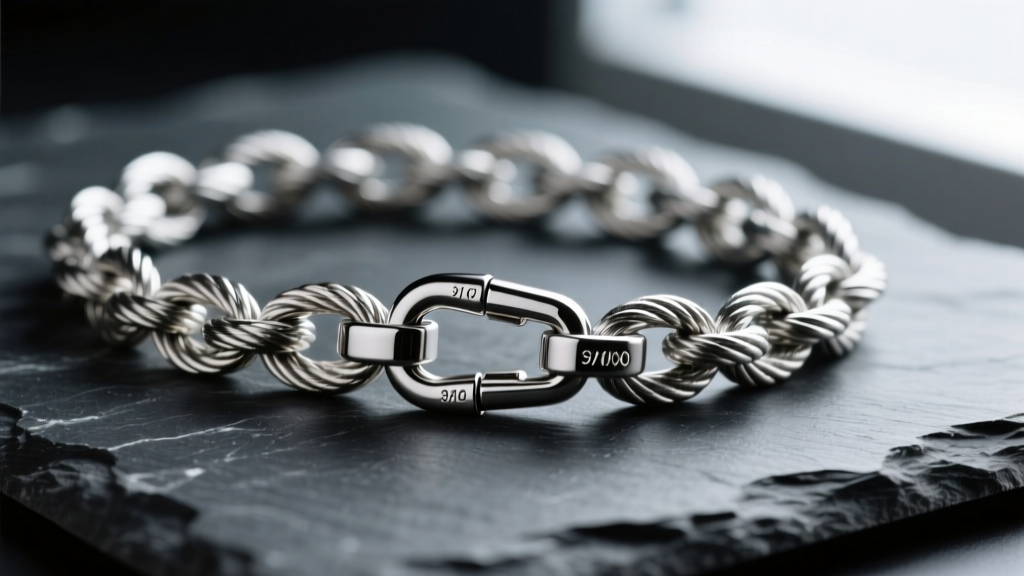
Step 3: Match Chain Thickness to Your Build and Clasp Mechanics
Thickness (measured in millimeters) dictates the visual weight of the necklace. A 2mm chain is a whisper; a 10mm chain is a shout. But thickness also dictates the mechanical requirements of the clasp, a detail most buyers overlook until their chain snaps and is lost.
The Thickness-to-Clasp Rule
As chains get thicker and heavier, the tension on the clasp increases exponentially. Using the wrong clasp for a heavy chain is a primary failure mode in men's jewelry.
- 2mm - 3mm Chains (Under 15 grams): A standard spring ring clasp is sufficient here. The chain is light enough that the internal spring mechanism will not be compromised by sudden tugs.
- 4mm - 6mm Chains (15 to 45 grams): You must upgrade to a lobster claw clasp. Lobster clasps have a solid, forged lever that locks securely and can handle the kinetic shock of a heavier chain swinging during movement.
- 8mm+ Chains (50+ grams): For heavy Cuban links or thick rope chains, a lobster clasp will eventually fail due to the sheer weight pulling on the jump ring. You need a box clasp with a dual safety latch and reinforced figure-8 wire hinges. This distributes the tensile load across the entire width of the chain end rather than a single tiny ring.
Step 4: Pairing Necklaces with Common Necklines
A necklace should interact harmoniously with your clothing, not fight it for attention. Here is how to pair your chain with standard menswear silhouettes, a topic frequently covered by style authorities like GQ Style.
The Crew Neck T-Shirt
The crew neck is the most common casual baseline. To avoid the necklace resting awkwardly on the fabric rim, opt for a 22-inch chain that drops just below the collar of the shirt. Alternatively, an 18-inch chain worn over a slightly oversized, heavyweight cotton tee creates a deliberate, modern streetwear aesthetic.
The V-Neck and Henley
V-necks and unbuttoned Henleys create a natural geometric frame pointing toward the chest. This is the ideal canvas for pendant necklaces. A 22-inch or 24-inch chain with a geometric pendant, signet, or dog tag will sit perfectly in the negative space of the open collar without touching the fabric edges.
The Button-Down and Suit Jacket
When wearing tailored clothing, subtlety is paramount. You want the chain to be a "secret" that is only visible when you move or unbutton your top collar. Use a 2mm to 3mm 18k gold or platinum chain at a 20-inch length. It should rest against the skin, hidden beneath the collar points, flashing only occasionally. Never wear thick, highly reflective chains over a dress shirt or tie; it disrupts the clean lines of the tailoring.

Step 5: Layering Techniques for Advanced Styling
Layering necklaces is where personal style truly shines, but it requires strict adherence to spatial rules to avoid a tangled, cluttered mess. The golden rule of layering is the 2-to-3 Inch Separation Rule.
If your base chain is 20 inches, your second chain must be at least 22 or 23 inches. This ensures that the chains lay flat against the chest without constantly overlapping and catching on one another's links, which causes premature micro-scratches and metal fatigue.
Contrast in Texture and Weight
Do not layer two identical chain styles. If your base layer is a sleek, polished 2mm box chain, your second layer should be a textured, matte, or braided style, such as a 4mm wheat or rope chain. You can also mix metals—a sterling silver base chain with a subtle 14k yellow gold pendant on the longer layer creates a sophisticated, mixed-metal aesthetic that feels intentional and curated rather than accidental.
Maintenance and Troubleshooting
To ensure your necklace lasts a lifetime, implement a basic maintenance routine. Remove your chain before swimming in chlorinated pools, as chlorine aggressively attacks the alloy metals in gold and silver, causing structural brittleness over time. Once a month, wash your chain with warm water, a few drops of mild dish soap, and a soft-bristled baby toothbrush to remove dead skin cells and sebum that build up in the links. Dry it thoroughly with a microfiber cloth. By respecting the mechanics of clasps, the chemistry of metals, and the geometry of your wardrobe, you will seamlessly integrate necklaces into your daily rotation with absolute confidence.


