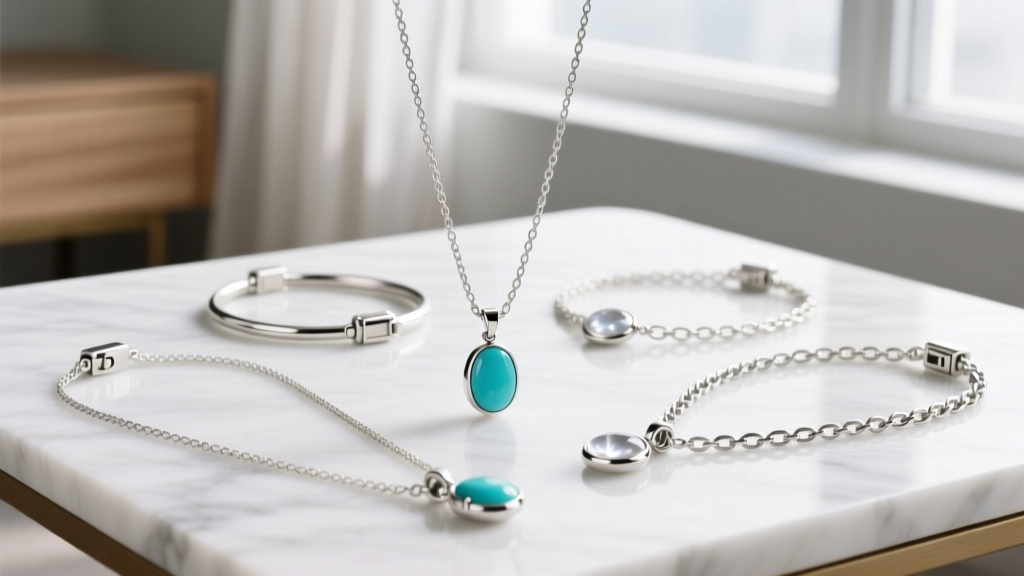
Does a Stainless Steel Necklace Tarnish? Expert Guide
Wondering if stainless steel jewelry is truly waterproof? We break down 316L vs 304 grades, PVD plating, and whether a stainless steel necklace tarnishes.
The Short Answer: Does a Stainless Steel Necklace Tarnish?
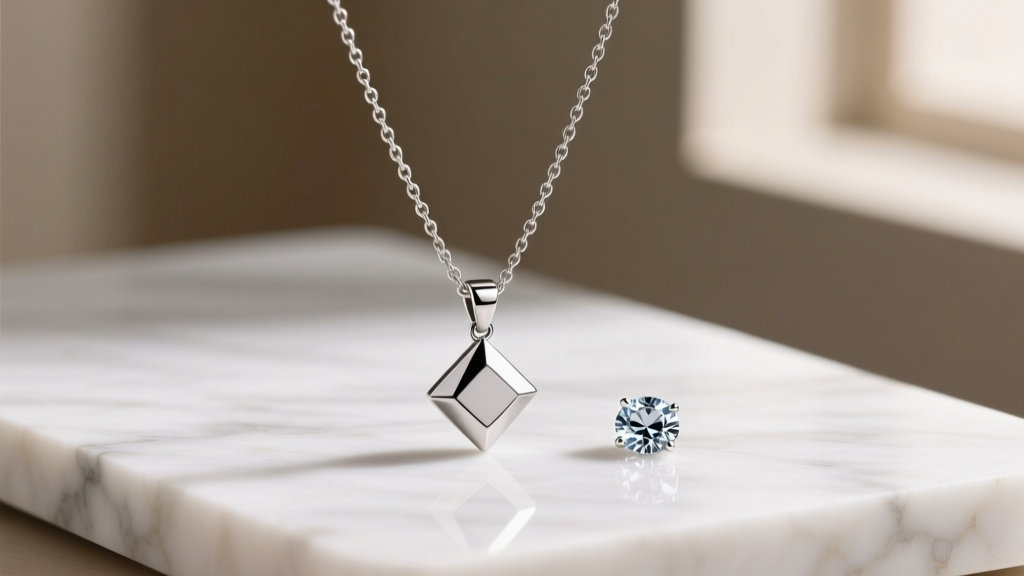
When building a resilient, everyday jewelry wardrobe, the question inevitably arises: does a stainless steel necklace tarnish? The short answer is no—pure, high-grade stainless steel does not tarnish, rust, or turn your skin green. However, the complete answer requires a deeper look into metallurgy, manufacturing shortcuts, and the modern reality of plated jewelry. In 2026, the market is flooded with 'waterproof' and 'tarnish-free' claims, but not all stainless steel is created equal. Understanding the difference between alloy grades and surface treatments is the key to investing in pieces that actually last.
Stainless steel owes its 'stainless' nature to chromium. When chromium is exposed to oxygen, it forms a microscopic, self-healing layer of chromium oxide on the surface. If this layer is scratched, it reforms instantly. But environmental factors, alloy impurities, and surface coatings complicate this simple chemistry. Let us break down the exact science and style trends dictating the stainless steel jewelry market today.
The Metallurgy: 304 vs. 316L Stainless Steel in Jewelry
To understand failure modes, we must look at the atomic composition of the steel. The two most common grades used in jewelry manufacturing are 304 and 316L. While both contain iron, carbon, and chromium, their secondary alloys dictate their longevity against human sweat and environmental pollutants.
Grade 304 is the standard commercial stainless steel. It is highly durable for indoor use but lacks the chemical armor required for continuous skin contact. Grade 316L, often marketed as 'surgical steel,' contains an additional 2% to 3% molybdenum. According to the British Stainless Steel Association, molybdenum acts as a vital shield against chloride ions. Chlorides are everywhere: they are present in human sweat, seawater, and municipal swimming pools. Without molybdenum, chloride ions can penetrate the passive chromium oxide layer, causing localized 'pitting' corrosion that looks exactly like dark, stubborn tarnish.
| Material Grade | Nickel Content | Molybdenum | Tarnish & Pitting Resistance | Best Use Case |
|---|---|---|---|---|
| 304 Stainless Steel | 8-10.5% | None | Moderate; prone to pitting in saltwater/chlorine | Occasional wear, fashion jewelry, display pieces |
| 316L Surgical Steel | 10-14% | 2-3% | Excellent; highly resistant to chlorides and sweat | Everyday wear, waterproof chains, heavy pendants |
| PVD-Coated 316L | 10-14% | 2-3% | Base is excellent; coating may wear after 2-5 years | Gold/Rose Gold aesthetic with high durability |
For a comprehensive breakdown of alloy properties, materials scientists at AZoM Materials Science note that the 'L' in 316L stands for 'Low Carbon.' This low carbon content prevents carbide precipitation during the high-heat welding and casting processes used to create intricate chain links, ensuring the structural integrity and corrosion resistance of the final necklace.
Trend Analysis: Why 'Waterproof' Jewelry is Dominating 2026
The shift toward 316L stainless steel is not just a metallurgical preference; it is a massive style and market trend. Historically, affordable gold-toned jewelry was crafted from brass or copper bases and electroplated with a thin layer of gold. These pieces would inevitably tarnish, oxidize, and turn the wearer's skin green within months. Today, consumers demand longevity, driving the explosion of 'waterproof' jewelry.
In 2026, layering multiple waterproof stainless steel chains of varying lengths (typically 16-inch chokers paired with 20-inch pendant chains) is a dominant streetwear and minimalist trend. Designers favor 316L because it allows them to offer premium-looking, heavy-weight chains at accessible price points, without the reputational damage of selling jewelry that degrades quickly. The tactile weight of a 5mm 316L Cuban link chain mimics the drape of solid gold, providing a luxurious feel without the prohibitive cost.
The Reality of PVD Gold Plating on Stainless Steel
When you buy a gold-toned stainless steel necklace, you are not buying solid gold. You are buying 316L steel coated via Physical Vapor Deposition (PVD). PVD is a vacuum coating process where titanium or zirconium is vaporized and bonded to the steel substrate at a molecular level.
Micron Thickness and Wear Patterns
Unlike traditional electroplating, which results in a soft, easily scratched layer, PVD creates a finish that is up to 10 times harder. The standard thickness for jewelry PVD is between 0.1 and 0.5 microns. While the underlying stainless steel will never tarnish, the PVD color can eventually wear away. This is not tarnishing (which is a chemical oxidation); it is mechanical wear. High-friction areas, such as the lobster clasp, the jump rings, or the exact spot where a heavy pendant rests against the chain, will show signs of the silver-toned steel beneath after 2 to 5 years of daily wear. Leading manufacturers in 2026 are now applying clear nano-ceramic topcoats over PVD to extend this color life significantly.
Real-World Failure Modes: When Stainless Steel *Does* Discolor
If your stainless steel necklace appears to be tarnishing, one of three specific failure modes has occurred:
- The Counterfeit Base Metal: If your necklace turns your skin green, you were sold a counterfeit. True stainless steel contains no copper or brass. Green skin is caused by copper oxidizing and reacting with skin acids. Unscrupulous manufacturers sometimes use zinc alloy bases with a microscopic flash-plating of stainless steel.
- Sebum and Cosmetic Buildup: Lotions, sunscreens, perfumes, and dead skin cells accumulate in the tight crevices of cable, rope, and curb chains. Over time, this organic buildup oxidizes and turns dark brown or black. This mimics tarnish perfectly, but it is merely trapped grime.
- Chloride Pitting on 304 Steel: If you purchased a cheaper 304 stainless steel chain and wore it in the ocean or a chlorinated pool, the chloride ions have likely breached the passive layer, creating microscopic rust spots. These appear as dull, rough, brown patches that cannot be polished away because the metal itself has corroded.
Care and Maintenance Framework
Maintaining a bare, silver-toned 316L stainless steel necklace is remarkably simple, but it requires the right approach to avoid damaging the polished finish.
- The Mild Soap Soak: For organic buildup, mix warm water with a few drops of phosphate-free dish soap. Let the necklace soak for 10 minutes, then gently agitate with a soft-bristled baby toothbrush. Rinse thoroughly and pat dry with a microfiber cloth.
- Ultrasonic Cleaning: Bare 316L stainless steel can safely be cleaned in an ultrasonic jewelry cleaner. However, if your necklace has a PVD gold coating, limit ultrasonic cycles to under 3 minutes, as prolonged high-frequency cavitation can accelerate the delamination of the PVD layer at stress points.
- Avoid Abrasive Polishes: Never use silver polish, baking soda paste, or abrasive jewelry dips on stainless steel. These compounds are designed to strip oxidation from sterling silver, but on stainless steel, they will micro-scratch the mirror finish, leaving it looking permanently cloudy and dull.
Conclusion
So, does a stainless steel necklace tarnish? If you invest in genuine 316L surgical steel, the metal itself will remain impervious to tarnish, rust, and oxidation for a lifetime. By understanding the vital role of molybdenum, recognizing the mechanical limits of PVD coatings, and avoiding harsh abrasive cleaners, you can confidently build a waterproof, everyday jewelry collection that defies the elements and outlasts fleeting trends.