Dog Ashes Necklace: 2026 Cost and Value Assessment
Discover the true cost of a dog ashes necklace in 2026. Compare material values, avoid hidden fees, and learn how to choose a lasting memorial.

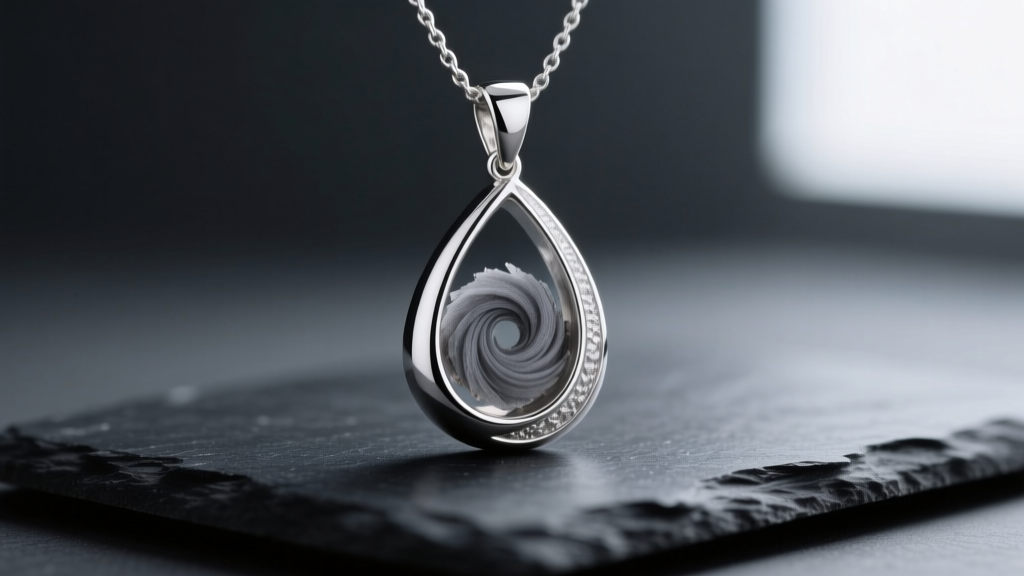
Losing a beloved canine companion is a profound emotional experience. Commissioning a dog ashes necklace is a deeply personal way to keep their memory physically close to your heart. However, the memorial jewelry market remains largely unregulated, leaving grieving pet owners vulnerable to inflated prices, poor craftsmanship, and materials that degrade rapidly over time. As we navigate the 2026 market, understanding the true cost, material science, and structural value of pet cremation jewelry is essential. This guide strips away the marketing fluff to help you assess budget, avoid hidden fees, and ensure your investment lasts a lifetime.
Market Pricing and Material Tiers
The price of a dog ashes necklace varies wildly based on the base material, the inclusion method, and the artisan's overhead. When evaluating your budget, it is critical to separate the cost of the raw materials from the cost of the custom labor. Below is a breakdown of the 2026 market rates for memorial pendants.
| Material Grade | Average Cost (2026) | Durability & Maintenance | Best Use Case |
|---|---|---|---|
| 316L Surgical Steel | $45 - $90 | High; tarnish-resistant, hypoallergenic | Tight budgets, active daily wearers |
| 925 Sterling Silver | $110 - $220 | Medium; requires periodic polishing | Classic aesthetics, traditional urn styles |
| Borosilicate Glass | $140 - $280 | High; shock and scratch-resistant | Visible ash inclusions, vibrant color work |
| 14k Solid Gold | $550 - $1,400+ | Very High; heirloom quality, no tarnish | Generational keepsakes, sensitive skin |
| Epoxy Resin | $60 - $130 | Low; prone to yellowing and micro-scratches | Avoid for long-term value |
The Science of Inclusion: Resin vs. Glass vs. Metal
How the cremains are actually integrated into the necklace dictates its long-term value. Many budget-friendly options on mass-market sites utilize epoxy resin, while premium artisans use kiln-formed glass or precision-machined metal vessels.
The Epoxy Resin Trap
Resin pendants are cheap to produce and require no specialized equipment, which is why they flood the budget market. However, standard epoxy resin is highly susceptible to UV degradation. Even when manufacturers add UV stabilizers (like HALS inhibitors), resin will inevitably yellow and become cloudy after 2 to 4 years of exposure to sunlight and body oils. Furthermore, resin has a Mohs hardness of roughly 2.5, meaning it will accumulate micro-scratches from daily wear, eventually obscuring the dog ashes suspended inside. From a value perspective, resin is a short-term solution that will require replacement.
Borosilicate Glass and Annealing
For visible inclusions, borosilicate glass is the gold standard. Unlike standard soda-lime glass, borosilicate has a low coefficient of thermal expansion, making it highly resistant to thermal shock and shattering. When a skilled lampworker melts the glass (which requires temperatures exceeding 1,500°F), the carbon in the dog ashes reacts with the flame, often creating beautiful, unpredictable metallic streaks.
 Crucially, the glass must be properly annealed in a digital kiln at approximately 960°F to relieve internal stresses. If an artisan skips this step to save time, the pendant can spontaneously crack months later due to trapped thermal tension. Always verify that your glass artist uses a controlled annealing process.
Metal Urn Pendants: Threaded vs. Friction Fit
If you prefer a traditional metal cylinder or teardrop urn where the ashes are hidden inside, pay close attention to the closure mechanism. Friction-fit plugs rely on a tiny rubber O-ring to create a seal. Over 3 to 5 years, this rubber dries out, shrinks, and fails, leading to the tragic loss of the cremains. Always opt for a threaded screw-top with a precision-machined gasket. For added security, apply a microscopic drop of jewelry-grade cyanoacrylate or clear threadlocker to the threads before the final closure.
Hardware, Chains, and Hidden Logistics
A common mistake buyers make is spending $300 on a custom pendant and hanging it on a $15 hollow chain. The chain is the primary failure point in any necklace. According to the FTC Jewelry Guides, metal stamps like '925' or '14k' must be accurate, but they do not guarantee structural integrity.
Chain Gauge and Clasp Mechanics
Glass and solid gold pendants carry significant weight. A delicate 0.8mm snake chain or a hollow rope chain will easily snap under the dynamic stress of daily movement. For a standard memorial pendant weighing between 5 and 15 grams, you need a chain with a breaking strength of at least 15 lbs.
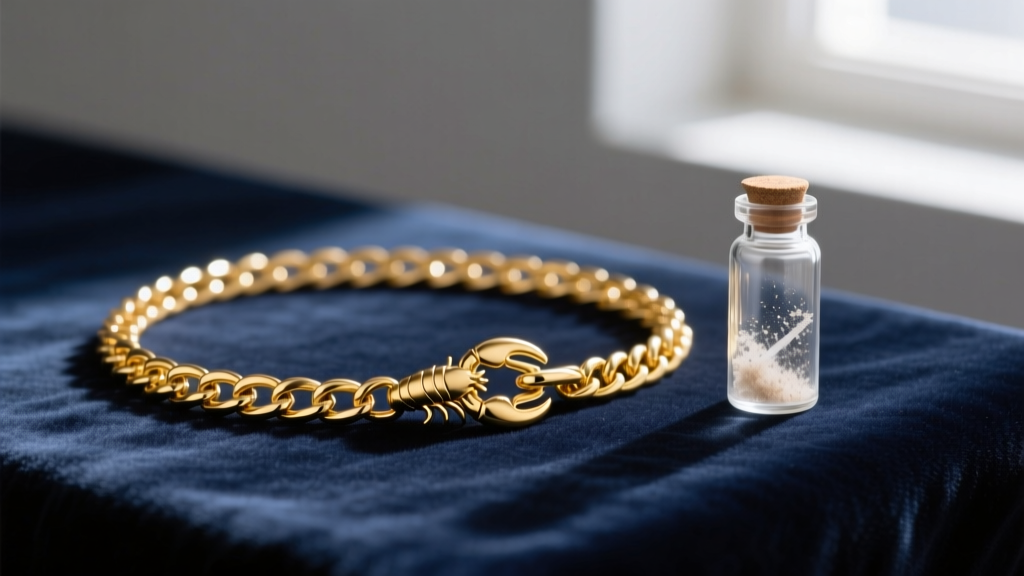 Look for a 1.2mm to 1.5mm solid box chain or a welded cable chain. Equally important is the clasp: avoid spring-ring clasps, which rely on a tiny internal spring that frequently fatigues or rusts. A solid lobster clasp with a soldered jump ring is the only secure choice for memorial jewelry.
Shipping Cremains Safely
A hidden cost often omitted from the checkout page is the logistics of sending the ashes to the artisan. In the United States, the United States Postal Service (USPS) is the only legal carrier for cremated remains. According to USPS Publication 52, cremains must be shipped via Priority Mail Express and packaged in a sealed, sift-proof inner container surrounded by cushioning. Expect to pay between $35 and $60 for shipping, plus an additional $10 to $20 for mandatory insurance. Factor this into your total budget assessment before committing to an out-of-state maker.
Evaluating the Artisan: Red Flags and Green Lights
When researching who to trust with your dog's ashes, look beyond the portfolio photos. The Association for Pet Loss and Bereavement frequently notes that the emotional vulnerability of buyers makes them targets for predatory practices. Red Flags:
- Turnaround times under 14 days (indicates rushed resin work or drop-shipping).
- No clear policy on remakes if the glass cracks during the annealing process.
- Vague material descriptions like 'silver-plated alloy' or 'crystal resin'.
- Provides a Certificate of Authenticity detailing the exact materials and ash batch.
- Offers a 'leftover ashes' return policy, sending back any unused cremains with the finished piece.
- Transparent communication about the chemical reactions that may alter the color of the ashes in glass.
Final Budgeting Framework
To ensure you receive genuine value, allocate your budget using the 70/20/10 rule: dedicate 70% to the pendant material and artisan labor, 20% to a high-quality, appropriately gauged chain and secure clasp, and 10% to insured shipping and optional laser engraving. By prioritizing borosilicate glass or solid precious metals over degrading resins, and by demanding secure mechanical closures, your dog ashes necklace will transition from a fragile keepsake into a durable, lifelong tribute worthy of the bond you shared.


