Silver Necklace Heart Locket Buying Guide: What to Look For
Discover how to choose the perfect silver necklace heart locket. Learn about silver grades, hinge mechanics, photo sizes, and chain pairings today.

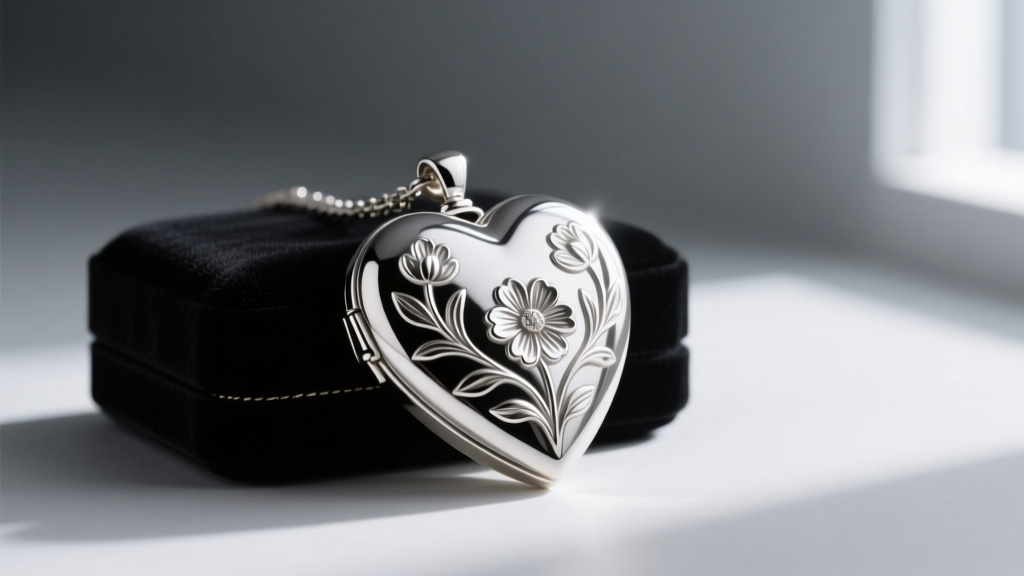
The Enduring Appeal of the Silver Necklace Heart Locket
The silver necklace heart locket is more than just a jewelry staple; it is an heirloom-in-training, a tactile vessel for memory, and a masterclass in miniature engineering. Unlike standard pendants, a locket requires moving parts, precise tension, and structural integrity to survive decades of daily wear. Whether you are shopping for a vintage-inspired piece with intricate floral repoussé or a sleek, modern minimalist design, understanding the metallurgy and mechanics behind these sentimental pieces is crucial. In this comprehensive buying guide, we break down exactly what to look for when investing in a high-quality silver heart locket, ensuring your piece remains as timeless as the memories it holds.
Decoding Silver Alloys: What Your Locket is Actually Made Of
When shopping for a silver necklace heart locket, the term "silver" can be dangerously ambiguous. The structural demands of a locket—specifically the hinge and the snap closure—dictate that the metal must possess a precise balance of malleability and hardness. Pure silver is far too soft for this application, which is why alloying is necessary.
Sterling Silver (925): This is the gold standard for lockets. Composed of 92.5% pure silver and 7.5% alloy metals (usually copper), sterling silver provides the necessary tensile strength to hold a hinge pin and maintain the tension of the clasp lip. However, the copper content makes it susceptible to tarnishing when exposed to sulfur and moisture in the air.
Fine Silver (999): While hypoallergenic and highly tarnish-resistant, fine silver is rarely used for the body of a locket. It lacks the structural rigidity required for moving parts; a fine silver hinge would quickly warp, and the snap closure would bend out of shape, leaving the locket permanently open.
Silver-Plated: These lockets feature a brass or copper core with a microscopically thin layer of silver (often less than 0.5 microns). While budget-friendly, the friction at the hinge and clasp will quickly wear through the plating, exposing the base metal and leading to irreversible corrosion and green skin discoloration.
| Silver Grade | Composition | Hinge Durability | Tarnish Risk | Typical Price Range |
|---|---|---|---|---|
| Sterling (925) | 92.5% Ag, 7.5% Cu | Excellent | Moderate (Requires care) | $60 - $250+ |
| Fine (999) | 99.9% Ag | Poor (Too soft) | Very Low | Rarely used for lockets |
| Silver-Plated | Brass core, Ag coating | Poor (Plating wears off) | High (Base metal corrodes) | $15 - $45 |
| Rhodium-Plated 925 | 925 Sterling + Rhodium flash | Excellent | Very Low (Rhodium barrier) | $80 - $300+ |
The Engineering of Sentiment: Hinge and Closure Mechanics
The true value of a silver necklace heart locket lies in its hardware. A beautiful exterior is useless if the locket pops open against your chest or the hinge seizes up. When inspecting a locket, pay close attention to the pin and the snap mechanism.
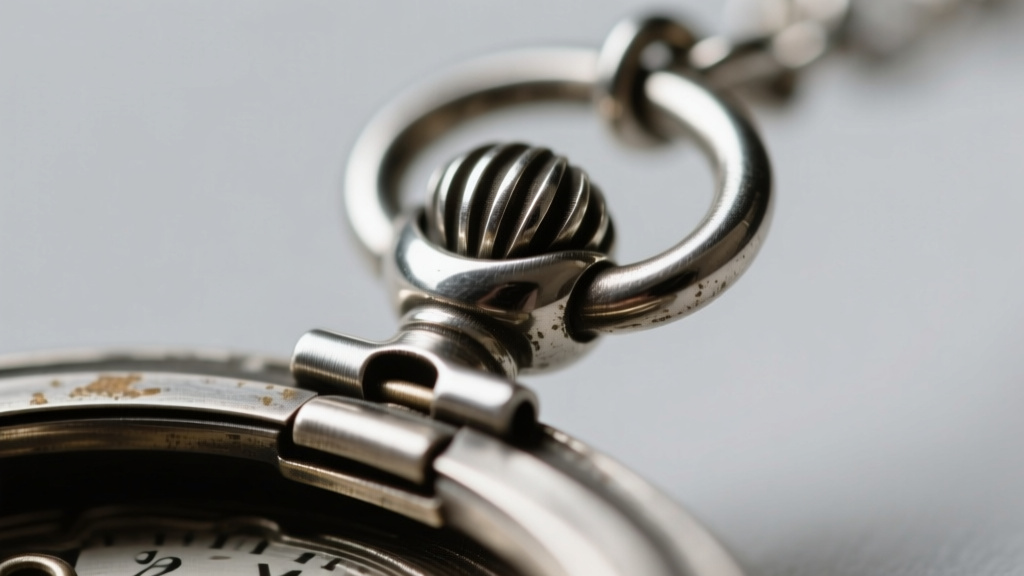
Tension Snaps vs. Friction Closures
High-quality lockets utilize a tension-based snap closure. Inside the rim of the locket, a tiny metal lip catches a corresponding ridge on the opposite half. In premium manufacturing, this lip is slightly spring-loaded or crafted from a hardened alloy to ensure it maintains its "snap" for decades. Cheaper lockets rely on simple friction, where the two halves are merely squeezed together. Over time, friction closures warp, resulting in a locket that refuses to stay shut. Always test the closure: it should require a deliberate, firm thumbnail press to open, accompanied by an audible, crisp click.
Furthermore, examine the hinge pin. While the locket body should be sterling silver, the hinge pin itself is often made of hardened steel or titanium. If a manufacturer uses a pure silver pin, the repeated opening and closing will eventually shear or bend the pin, destroying the locket's alignment.
Photo Inserts: Navigating Dimensions and Templates
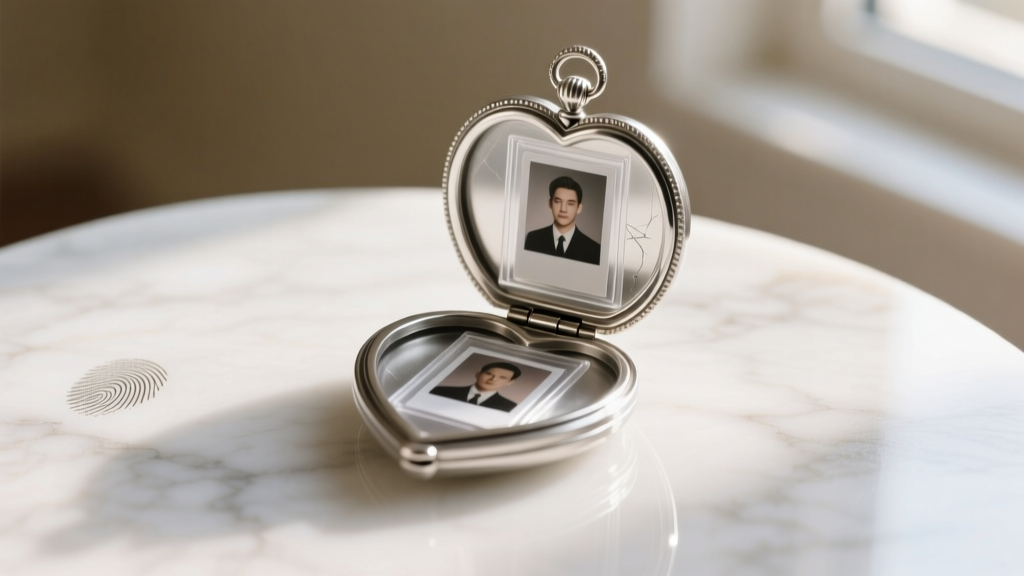
One of the most common frustrations buyers face is realizing that standard square or circular photos do not fit perfectly into a heart-shaped cavity. The cleft at the top and the point at the bottom of a heart locket reduce the usable surface area by up to 30% compared to a round locket of the same width.
Most standard medium-sized heart lockets (measuring roughly 25mm x 25mm on the outside) have an internal photo well measuring approximately 18mm x 15mm. To avoid ruining cherished photographs, look for lockets that include pre-cut, heart-shaped clear plastic insert sleeves. These sleeves protect the photos from skin oils and moisture while holding them firmly in place without the need for messy adhesives. In 2026, many jewelers and online retailers offer AI-driven cropping tools or printable PDF templates specifically calibrated to their locket models, ensuring a flawless fit for your portraits.
- Small Lockets (15mm - 18mm): Best for a single, tightly cropped face or a small lock of hair. Internal well is roughly 10mm x 8mm.
- Medium Lockets (20mm - 25mm): The most versatile size. Fits standard head-and-shoulders portraits. Internal well is roughly 15mm x 12mm.
- Large/Oversized Lockets (30mm+): Ideal for two full-body photos or intricate engraved messages. Internal well is roughly 22mm x 18mm.
Chain Pairing: Supporting the Pendant's Weight
A solid sterling silver heart locket is surprisingly heavy, typically weighing between 6 and 12 grams depending on the gauge of the metal and whether it features a solid or hollow back. Pairing a heavy locket with a delicate, hollow chain is a recipe for disaster. The constant pendulum motion of the locket will quickly fatigue the weak links of a hollow chain, leading to a snap and a lost heirloom.
For a standard 8-gram locket, opt for a solid 1.2mm to 1.5mm cable, rolo, or figaro chain. These styles offer high tensile strength and resist kinking. Crucially, ensure the jump ring connecting the locket to the chain is soldered closed. An unsoldered jump ring will eventually twist open under the dynamic weight of the heart pendant, dropping the locket. Finally, choose a lobster claw clasp over a spring ring clasp for the chain itself; lobster claws offer superior security and are easier to manipulate when putting the necklace on.
Hallmarks, Stamps, and Authenticity Rules
Authenticating your silver necklace heart locket begins with the hallmark. According to the Federal Trade Commission Jewelry Guides, any item stamped with "925", "Sterling", or "Ster" must contain at least 92.5% pure silver. However, a stamp alone is not a guarantee of quality. Reputable manufacturers will also include a Maker's Mark—a unique registered symbol or initials that trace the piece back to its origin.
In regions with strict assay laws, such as the UK, lockets will carry a full hallmark from an official assay office, detailing the metal purity, the maker, and the year of manufacture. The Birmingham Assay Office provides extensive resources on reading these microscopic stamps. If you are buying online, always request a macro photograph of the hallmark area, typically located on the back of the locket or near the hinge, to verify authenticity before purchasing.
Long-Term Care and Tarnish Prevention
Because sterling silver contains copper, your locket will naturally tarnish when exposed to humidity, sulfur, and the natural pH of your skin. To preserve the intricate engravings and the mirror finish of your locket, adopt a proactive care routine. Store the necklace in an airtight ziplock bag with a 3M anti-tarnish strip or a piece of Pacific Silvercloth when not in use.
When cleaning, avoid harsh chemical dips, which can strip the rhodium plating and damage the internal photo inserts. Instead, use a high-quality jeweler's polishing cloth embedded with micro-abrasives, gently buffing the exterior while avoiding the hinge to prevent pushing polish grit into the moving parts. For deep cleaning, a soft baby toothbrush with a drop of mild dish soap and warm water will safely lift dirt from the engraved crevices without harming the metal or the internal mechanics. By understanding the metallurgy, mechanics, and maintenance of these beautiful pieces, you ensure your silver necklace heart locket remains a flawless keeper of memories for generations to come. For more on precious metal properties, consult the GIA Gem Encyclopedia.


