Dog Necklace Collar Materials: Leather, Metal & Velvet Guide
Compare band and hardware materials for the perfect dog necklace collar. Expert analysis on leather grades, metal alloys, and sizing specs.

The Anatomy of a High-Quality Dog Necklace Collar
The dog necklace collar has transcended its alternative and punk roots to become a staple in high-fashion grunge, e-girl aesthetics, and avant-garde streetwear. However, the market is flooded with poorly constructed pieces that tarnish, peel, or snap under minimal tension. To invest in a piece that lasts, you must look past the aesthetic and analyze the material science of the band and the metallurgy of the hardware. A true statement piece relies on the synergy between tensile strength, skin-safe alloys, and structural weight.
In this comprehensive material guide, we break down the exact specifications you should demand when shopping for a dog necklace collar in 2026. From leather tanning processes to the specific gauge of the center O-ring, understanding these properties will save you from premature wear and allergic contact dermatitis.
Band Materials: Leather, BioThane, and Velvet Compared
The band forms the foundation of the choker. It must be flexible enough to contour to the cervical spine but rigid enough to support heavy metal hardware without warping. Here is how the top three materials compare in real-world wear scenarios.
Full-Grain Leather vs. Vegan Alternatives
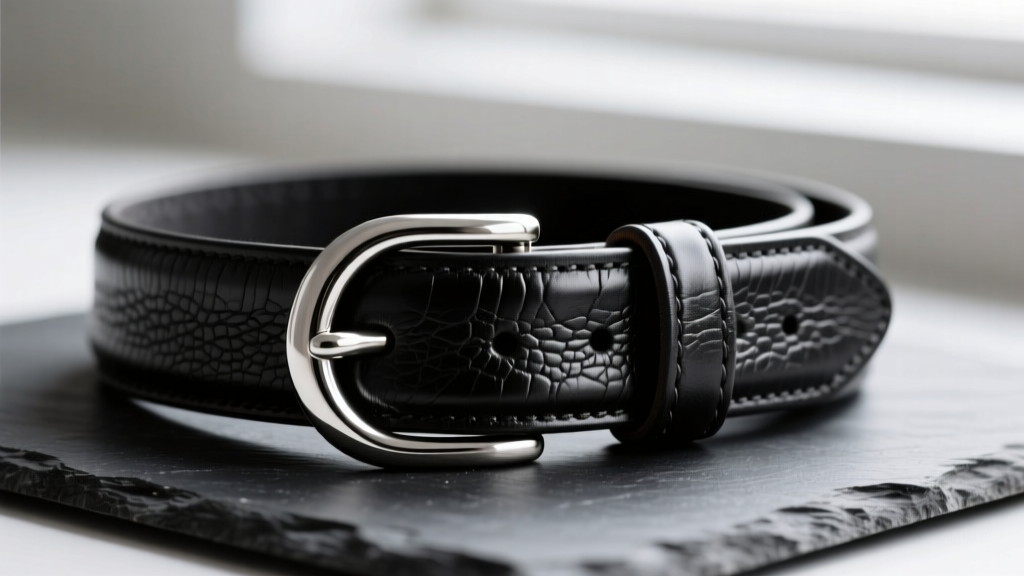
Genuine full-grain leather remains the gold standard for durability and patina development. When sourcing leather, look for a weight between 7-8 oz (approximately 2.8mm to 3.2mm thick). This thickness provides the necessary rigidity to hold a heavy O-ring upright without folding over on itself. According to the Leather Working Group, environmentally responsible vegetable-tanned leather is preferable for sensitive skin, as it avoids the harsh chromium salts used in cheap chrome-tanning processes that can cause localized contact dermatitis.
Conversely, vegan or PU (polyurethane) leather is a common budget alternative. While initially appealing, PU leather suffers from a chemical failure mode known as hydrolysis. Over 12 to 18 months of exposure to ambient humidity and skin oils, the polyurethane coating separates from the microfiber base, resulting in irreversible peeling and flaking. If you prefer vegan options, seek out cactus leather (Desserto) or apple leather, which offer superior structural integrity and biodegradability compared to traditional plastics.
The Rise of BioThane in Alternative Jewelry
BioThane has rapidly gained traction in the alternative jewelry sector. Originally designed for equestrian and working dog tack, BioThane consists of a high-tensile polyester webbing core coated in a proprietary TPU or PVC layer. It boasts a tensile strength of up to 1,000 pounds per inch of width, making it virtually indestructible under human-wear conditions. It is entirely waterproof, sweat-proof, and can be cleaned with simple soap and water, making it the ultimate choice for festival-goers and those living in high-humidity climates.
Velvet and Silk-Blend Delicacy
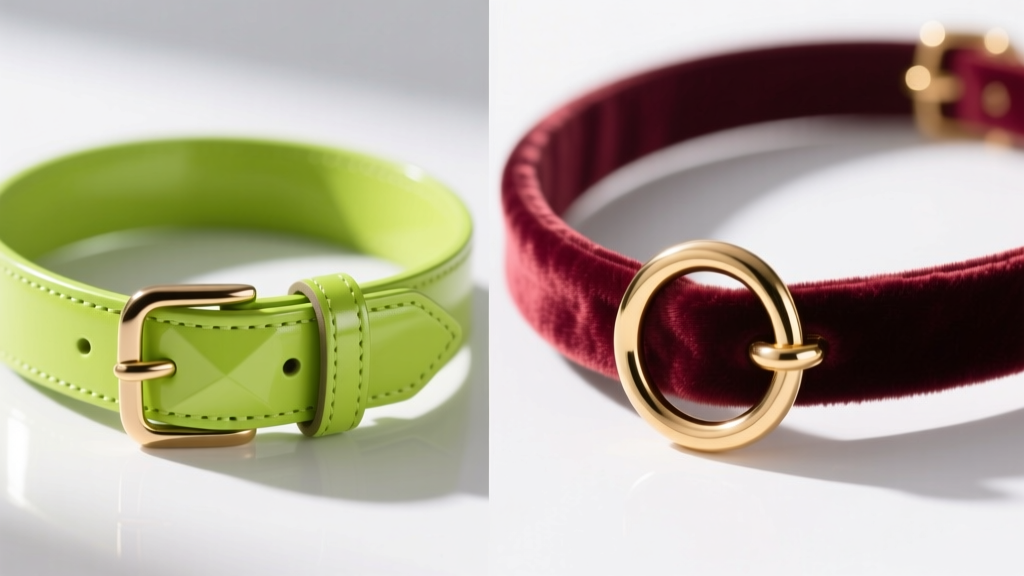
For a softer, romantic-goth aesthetic, velvet is the material of choice. However, standard cotton velvet crushes easily and absorbs sweat, leading to odor and fabric degradation. High-end designers utilize silk-blend velvets backed with a thin layer of grosgrain ribbon. The grosgrain provides the necessary tensile strength to support the hardware, while the silk-blend face resists crushing and maintains its luxurious light-catching pile.
Hardware Metallurgy: What Holds the O-Ring?
The hardware—specifically the center ring, buckle, and rivets—is where most commercial dog necklace collars fail. The friction and tension applied to the O-ring require specific metallurgical properties to prevent bending, snapping, or rusting.
316L Surgical Steel vs. Solid Brass
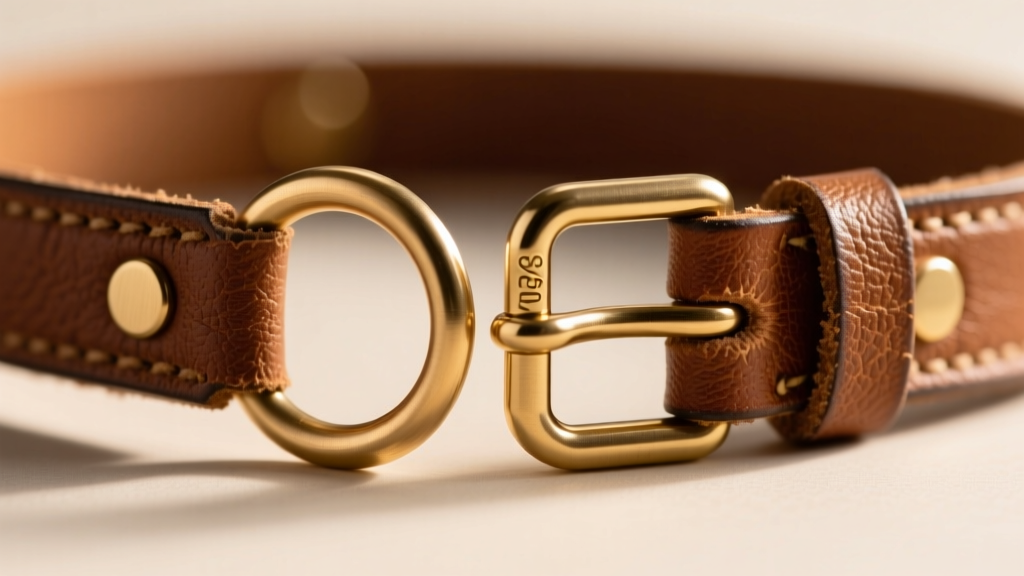
For silver-toned hardware, 316L surgical stainless steel is the absolute minimum standard. The "L" stands for low carbon, and the alloy includes molybdenum, which drastically increases resistance to chloride corrosion (i.e., sweat and salt). Unlike 304 stainless steel, 316L will not pit or rust with daily skin contact. For gold-toned hardware, solid brass (an alloy of copper and zinc) is highly prized. Solid brass is incredibly dense, providing a satisfying, heavy drape. Over time, it develops a natural patina. However, buyers must ensure the brass is unlacquered if they desire patina, or sealed with a jewelry-grade epoxy if they wish to prevent skin discoloration. For authoritative standards on jewelry metal alloys and hypoallergenic properties, Rio Grande provides extensive metallurgical data sheets for jewelry fabrication.
The Danger of Zinc Alloy (Zamak)
Budget collars frequently use Zamak, a die-cast zinc alloy. While it allows for cheap, intricate mass production, Zamak is brittle and highly susceptible to pitting and corrosion when exposed to human sebum. Under the sudden tension of a snagged O-ring, a Zamak ring will snap cleanly rather than bend, posing a safety hazard.
| Material | Corrosion Resistance | Weight / Drape | Allergy Risk | Price Tier |
|---|---|---|---|---|
| 316L Surgical Steel | Exceptional | Heavy / Structured | Very Low | Mid to High |
| Solid Brass | Moderate (Patina) | Very Heavy / Luxe | Low (if nickel-free) | Mid to High |
| Titanium (Grade 23) | Flawless | Lightweight | Zero | Premium |
| Zinc Alloy (Zamak) | Poor (Pits/Rusts) | Light / Flimsy | High | Budget |
Sizing, Width, and Hardware Gauge Specifications
Aesthetics aside, the physical dimensions of the materials dictate the collar's structural viability. When evaluating a dog necklace collar, pay close attention to the wire gauge of the O-ring and the width of the band.
- O-Ring Wire Thickness: The wire used to forge the center ring should be between 4mm and 6mm thick (approximately 5 to 6 gauge). Rings made from 2mm or 3mm wire lack the structural mass to hold the leather band open and will easily bend out of shape if caught on clothing.
- Band Width: The classic silhouette requires a band width of 1 inch to 1.5 inches (25mm - 38mm). Bands narrower than 3/4 inch lose the architectural "collar" aesthetic and begin to resemble standard chokers, while bands wider than 2 inches restrict cervical mobility and become uncomfortable for extended wear.
- Closure Mechanics: A traditional roller buckle with a square pin is vastly superior to snap buttons. Snap buttons concentrate all the pulling force onto a single 8mm brass post, which frequently tears through the leather over time. A roller buckle distributes tension across the entire width of the band and allows for micro-adjustments in sizing.
Maintenance and Failure Modes
Even the highest quality materials require specific maintenance protocols to maximize their lifespan. Full-grain leather bands should be conditioned every six months using a light application of neatsfoot oil or a beeswax-based leather balm. Avoid mink oil on dark leathers, as it can oxidize and darken the hide unevenly. For solid brass hardware that has developed unwanted tarnish, a gentle polish with a specialized brass cloth will restore the high-shine finish without stripping the metal. BioThane and 316L steel require virtually zero maintenance beyond a periodic wipe-down with a damp microfiber cloth.
By prioritizing full-grain or advanced vegan leathers, demanding 316L steel or solid brass hardware, and verifying the wire gauge of the O-ring, you can secure a dog necklace collar that serves as a lifelong wardrobe staple rather than a disposable fast-fashion accessory.