Styling a Dog Necklace for Human Wear: Safety & Fit Guide
Troubleshoot fit, weight, and skin irritation when wearing a dog necklace for human fashion. Expert tips on hardware, materials, and safe styling.


The Anatomy of the Problem: Why Pet Collars Fail on Humans
The search for a dog necklace for human wear has surged as avant-garde streetwear, goth aesthetics, and high-fashion runways embrace heavy-duty hardware, O-ring chokers, and spiked collars. However, consumers attempting to adapt actual pet hardware or purchase cheap, mass-produced "costume" collar necklaces frequently encounter severe physical and dermatological issues. The core problem is anatomical. A dog’s neck is a relatively uniform cylinder protected by fur and thick muscle. The human neck, conversely, tapers at a roughly 15-degree angle toward the jawline, features highly sensitive skin, and houses the vulnerable trachea and thyroid cartilage.
When you place a straight, cylindrical band designed for a pet onto a tapering human neck, the jewelry shifts. The heavy front hardware (like a D-ring or padlock) drops downward, creating a fulcrum effect that puts localized, damaging pressure directly on the anterior trachea. Meanwhile, the back of the collar rides up, causing friction burns at the nape of the neck. Troubleshooting a dog necklace for human wear requires a complete overhaul of material selection, weight distribution, and clasp security.
Troubleshooting Material & Hardware Failures
The Nickel Allergy Trap in Pet-Grade Hardware
Most authentic pet collars utilize Zamak (a zinc alloy) or low-grade stainless steel for their buckles and D-rings to keep costs down. When exposed to human sweat—which has a slightly acidic pH ranging from 4.5 to 7.0—Zamak rapidly oxidizes and corrodes. More dangerously, cheap hardware is often plated with nickel to achieve a bright chrome finish. According to the Mayo Clinic, nickel allergy is one of the most common causes of allergic contact dermatitis, resulting in severe rashes, blistering, and hyperpigmentation on the delicate neck skin.
- The Fix: Discard any collar hardware that is not explicitly stamped as 316L Surgical Steel or ASTM F136 Implant-Grade Titanium.
- The Fix: If you are upcycling a vintage leather pet collar, use a jeweler's saw to remove the original zinc-alloy buckle and replace it with a solid brass or titanium side-release clasp.
Clasp Security: Preventing Accidental Drops and Choking
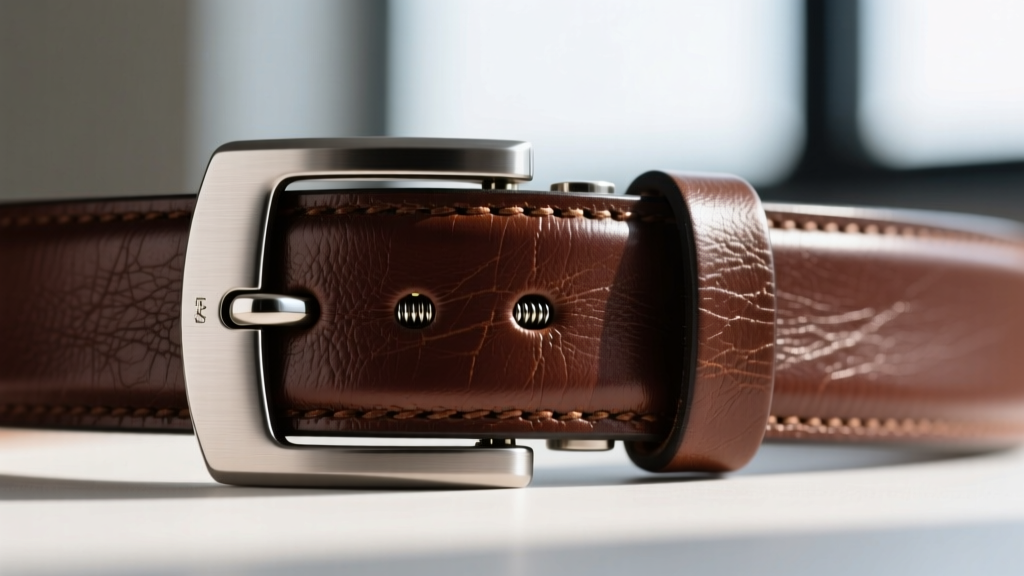
Standard jewelry lobster claws are rated for lightweight chains (under 50 grams). A heavy leather collar with steel hardware can easily exceed 250 grams. The lateral tension applied when turning your head will snap a standard lobster claw, resulting in lost jewelry or, worse, a sudden whipping hazard. Furthermore, fixed-buckle collars pose a severe choking risk if snagged on environmental hazards like door handles or transit turnstiles.
Expert Rule of Thumb: Any collar-style necklace weighing over 150 grams must utilize a locking magnetic quick-release clasp or a heavy-duty bolt ring with a threaded barrel to ensure it stays secure during movement but can be removed safely in an emergency.
Solving Fit and Weight Distribution Issues
Weight distribution is the most overlooked factor when adapting heavy collar necklaces for human wear. The cervical spine and trapezius muscles are not designed to bear sustained, localized anterior loads. Below is a troubleshooting matrix to help you determine the safe wear limits of your hardware based on weight and surface area.
| Collar Weight | Hardware Width | Max Safe Wear Time | Cervical Strain Risk |
|---|---|---|---|
| Under 150g | 10mm - 15mm | 12+ Hours | Low |
| 150g - 300g | 20mm - 30mm | 4 - 6 Hours | Moderate |
| Over 300g | 40mm+ | 1 - 2 Hours | High (Trapezius Fatigue) |
Adjusting Fixed-Ring Chokers for Fluctuating Neck Sizes
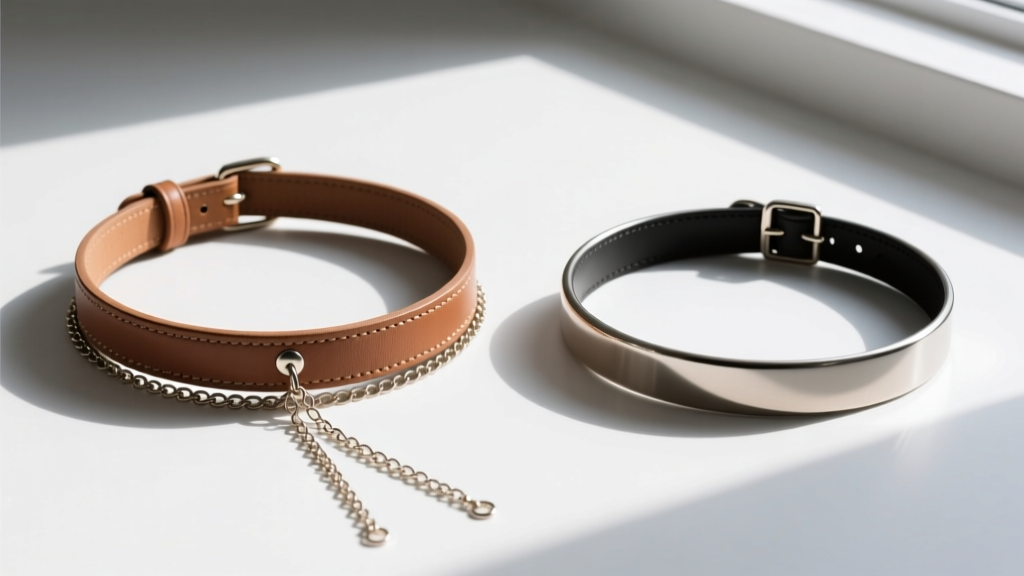
Human neck circumference fluctuates by up to half an inch throughout the day due to hydration, sodium intake, and ambient temperature. A rigid steel band or a fixed-leather loop that fits perfectly at 8:00 AM may restrict blood flow by 8:00 PM. To solve this without compromising the heavy-duty aesthetic, integrate lateral extender chains. By attaching a 3-link stainless steel chain on either side of the primary O-ring, you allow the collar to articulate and expand dynamically with your neck's natural swelling and movement, eliminating the "tourniquet effect."
Skin Irritation & Leather Care Troubleshooting
If your collar features a leather band, the tanning process is critical to your skin's health. Over 80% of commercial leather is chrome-tanned using chromium salts. While this makes the leather cheap, soft, and water-resistant, the residual chemicals can leach out when saturated with human sweat, causing severe chemical burns and contact dermatitis. The American Academy of Dermatology frequently warns against prolonged skin contact with poorly regulated chemical dyes and tanning agents in fashion accessories.
The Vegetable-Tanned Alternative
For human wear, always source vegetable-tanned leather. Tanned using natural tree bark tannins, it is entirely hypoallergenic and safe for prolonged skin contact. However, veg-tanned leather is highly porous and will absorb sweat and body oils, which can lead to bacterial buildup and odor if not maintained.
- Troubleshooting Odor: Wipe the interior band weekly with a 50/50 mixture of distilled water and white vinegar, then condition with a beeswax-based leather balm to seal the pores.
- Troubleshooting Stiffness: New veg-tanned leather can chafe the collarbone. Manually roll and flex the band over a wooden dowel for 10 minutes before the first wear to break down the rigid fiber structure without compromising its tensile strength.
Safe Sourcing: Bridging Pet and Human Hardware
If you are committed to the heavy, utilitarian aesthetic of a dog collar but require human-grade safety, look to specialized alternative jewelers and tactical gear manufacturers rather than pet stores. Brands that produce "tactical collars" for working dogs often use mil-spec nylon webbing, Austenitic stainless steel hardware, and quick-release Cobra buckles. These materials are vastly superior to standard pet gear and can be easily adapted for human streetwear by simply resizing the webbing and adding a decorative O-ring drop.
Final Troubleshooting Checklist
Before wearing your adapted or newly sourced heavy collar necklace in public, run through this rapid safety checklist:
- The Trachea Test: Fasten the collar and turn your head sharply left and right. If the front hardware digs into your windpipe, the band is too narrow or lacks a contoured drop.
- The Snag Test: Ensure there are no exposed prongs, sharp burrs on the D-ring welds, or rough leather edges that could catch on clothing or hair.
- The Sweat Test: Wear the collar indoors for two hours. If you notice any green discoloration on your skin or a metallic odor, the hardware contains copper or reactive zinc alloys and must be replaced immediately.
By respecting the anatomical differences between human and animal physiology and prioritizing medical-grade materials, you can safely achieve the bold, heavy-hardware aesthetic without sacrificing your comfort or health.


