Dog With Necklace Pendants & Classic Dog Tags: Value Guide
Discover the true value of dog tag chains and the viral dog with necklace pendant trend. Compare materials, pricing, and custom engraving costs.

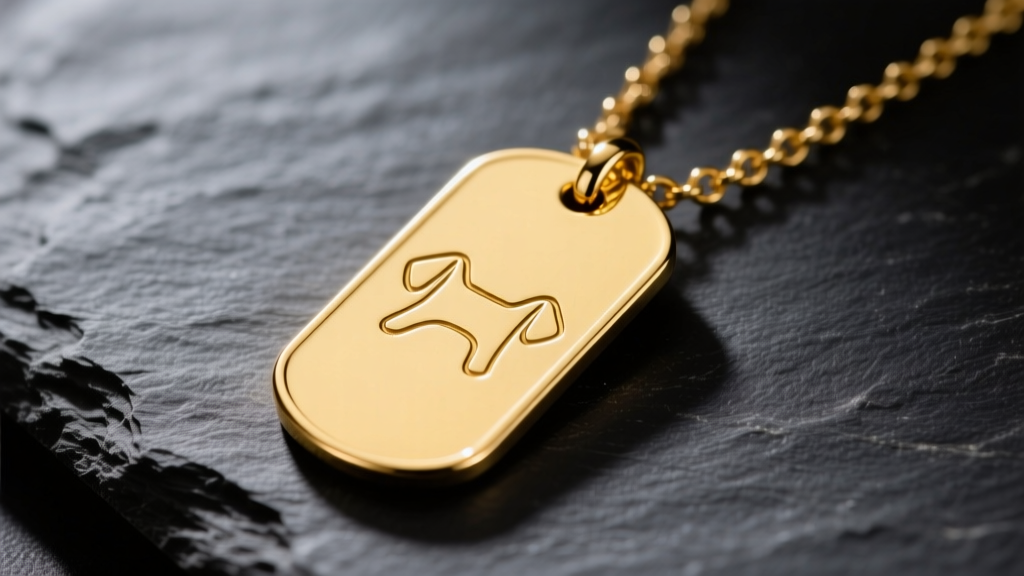
The Dual Market: Custom Pet Motifs vs. Military Staples
When evaluating necklaces in the budget and value sector, buyers typically encounter two vastly different categories that dominate search trends and artisan marketplaces. On one end, we have the traditional military-style dog tag necklace—a utilitarian staple that has transcended its armed forces origins to become a cornerstone of streetwear and minimalist fashion. On the other end sits a highly specific, rapidly growing artisan trend: the custom dog with necklace pendant. This viral motif features a 3D-sculpted or enameled charm of a client’s pet wearing a miniature gemstone or diamond collar, serving as a hyper-personalized memorial or celebration of a beloved companion.
Assessing the value of these two styles requires a deep dive into metallurgy, manufacturing techniques, and structural integrity. While a stamped stainless steel dog tag can be mass-produced for under five dollars, a bespoke dog with necklace charm requires CAD modeling, lost-wax casting, and micro-pavé or enamel detailing that can push the price into the hundreds. Understanding where your money actually goes—and where brands inflate their margins—is critical for making an informed purchase in 2026.
Material Grades & 2026 Pricing Tiers
The foundation of any pendant's value lies in its base metal. According to the Federal Trade Commission’s Jewelry Guides, precious metal markings must strictly adhere to karat and purity standards, but base metals like stainless steel often lack standardized consumer disclosures. Here is how the materials break down in terms of durability, skin safety, and actual market value.
| Metal Grade | Composition & Traits | Dog Tag Price Range | Custom Pet Motif Price |
|---|---|---|---|
| 316L Surgical Steel | Contains 2-3% molybdenum for high corrosion resistance. Hypoallergenic. | $15 – $35 | $80 – $140 (Cast) |
| 925 Sterling Silver | 92.5% silver, 7.5% copper. Prone to oxidation; requires rhodium plating. | $45 – $85 | $150 – $280 |
| 14k Solid Gold | 58.5% pure gold. Excellent tarnish resistance, high intrinsic melt value. | $250 – $600 | $650 – $1,200+ |
For traditional dog tags, 316L stainless steel offers the highest value proposition. It will not rust from sweat or shower exposure, and its Vickers hardness (approx. 150-190 HV) ensures that laser engravings remain crisp for decades. However, if you are commissioning a custom dog with necklace pendant, 925 sterling silver or 14k gold is vastly superior. The Gemological Institute of America (GIA) notes that sterling silver captures micro-details in the casting process far better than steel, which is crucial for rendering the tiny fur textures and miniature necklace chains on a custom pet charm.
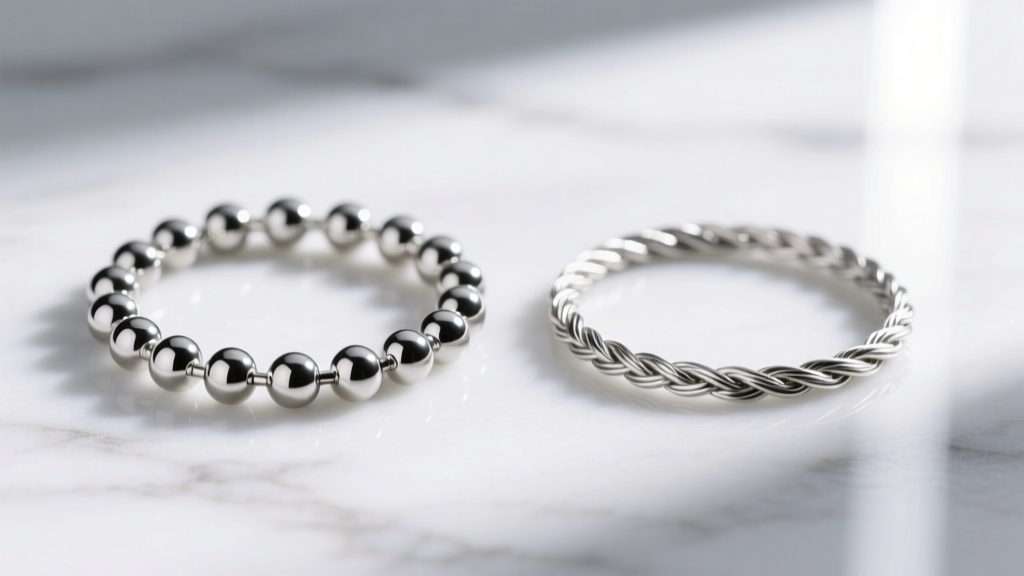
Chain Mechanics: Ball Chains, Gauge Sizes, and Tensile Limits
A pendant is only as valuable as the chain that secures it. The classic dog tag is almost universally paired with a ball chain (also known as a bead chain). While aesthetically appropriate, ball chains are structurally the weakest link in jewelry design. They consist of small metal spheres connected by short wire links, and their tensile strength is notoriously low.
The Ball Chain Vulnerability
If you are purchasing a heavy, solid 14k gold dog tag weighing upwards of 15 grams, pairing it with a standard 1.2mm (Size #1) ball chain is a critical error. A 1.2mm ball chain will typically snap under 4 to 6 pounds of lateral force—easily achieved if the tag catches on a shirt collar or steering wheel. For heavy tags, you must upgrade to a 2.4mm (Size #3) ball chain, which increases the break point to roughly 15-20 pounds, or abandon the ball chain entirely in favor of a 2.0mm rolo or cable chain with a secure lobster clasp.
For the delicate dog with necklace pendants, which usually weigh between 3 and 8 grams, a 1.0mm to 1.2mm box chain or cable chain is ideal. These chains distribute weight evenly across the links and utilize spring-ring or lobster clasps that are significantly more secure than the barrel clasps found on cheap ball chains. When assessing value, always check the clasp mechanism; a solid steel pendant on a chain with a hollow, poorly soldered clasp is a liability waiting to happen.
Engraving & Enamel: Assessing the Detail Work
Value in the necklace category is heavily dictated by the customization process. For standard dog tags, fiber laser engraving (operating at a 1064 nm wavelength) is the industry standard. Unlike rotary diamond-drag engraving, which physically cuts into the metal and can weaken thin tags, a fiber laser uses heat to create a permanent annealed mark. This process turns the surface of the steel dark without removing material, preserving the structural integrity of the tag. Expect to pay a premium of $15 to $30 for high-resolution fiber laser work that includes QR codes or micro-text.
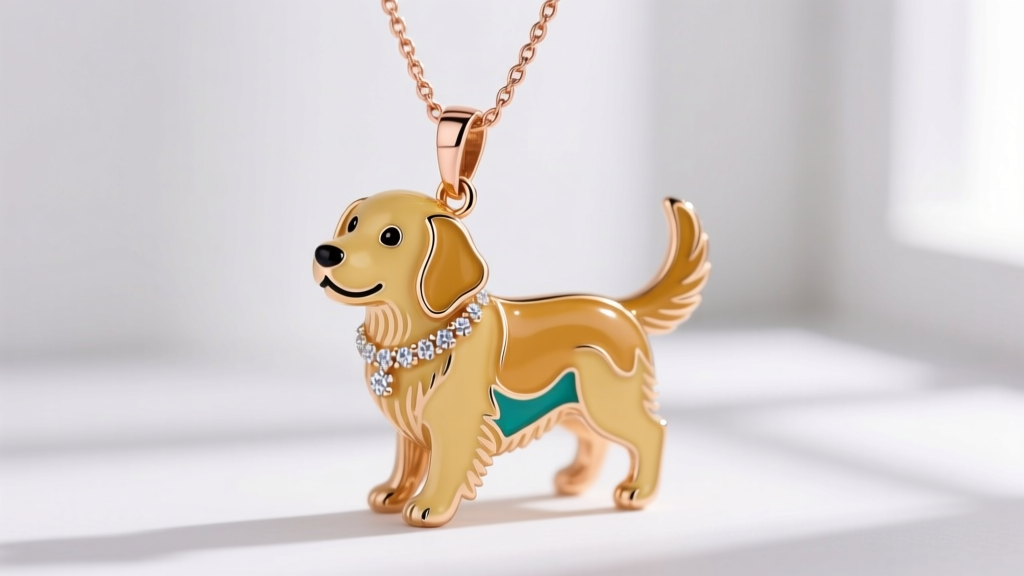
The artisan dog with necklace trend relies on entirely different value-add techniques: vitreous enameling and micro-casting. To create the illusion of the pet wearing a necklace, jewelers use a process called lost-wax casting. A 3D model is printed in wax, encased in investment plaster, and burned out in a kiln before molten metal is injected. The shrinkage rate of gold during this process is roughly 1.5% to 2.5%, meaning the artisan must over-engineer the miniature necklace links in the CAD software to ensure they survive the casting and polishing phases. If the pendant features colored enamel on the pet's collar or fur, verify whether the jeweler uses cold epoxy resin (cheaper, prone to yellowing and scratching) or kiln-fired vitreous enamel (fused to the metal at 1,400°F, virtually scratch-proof). Vitreous enamel adds $50 to $120 to the base price but guarantees the piece will last a lifetime.
Final Verdict: Where Should You Allocate Your Budget?
If your goal is a rugged, everyday dog tag necklace, allocate your budget toward a thick, 14-gauge (1.6mm) 316L stainless steel blank and a heavy-duty 2.4mm ball chain. Avoid paying premiums for "designer" brand names on basic steel tags, as the material cost is negligible and the value lies purely in the logo.
Conversely, if you are investing in the bespoke dog with necklace pendant trend, your budget must prioritize the artisan's CAD sculpting skills and the metal's casting quality. Opt for 925 sterling silver or 14k gold to ensure the micro-details of the pet's features and the miniature necklace collar are sharply defined. Skimping on the metal grade for a custom 3D pet charm will result in a muddy, poorly finished casting that fails to capture the emotional value of the piece. Ultimately, true value in necklaces is found where structural engineering meets precise, personalized artistry.


