Dominic Necklace Troubleshooting: Fix Clasp and Bail Wear
Is your Dominic necklace breaking or tarnishing? Learn expert troubleshooting for bail wear, clasp failure, and chain tangling in this detailed repair guide.

The Anatomy of the Dominic Necklace: Why It Fails
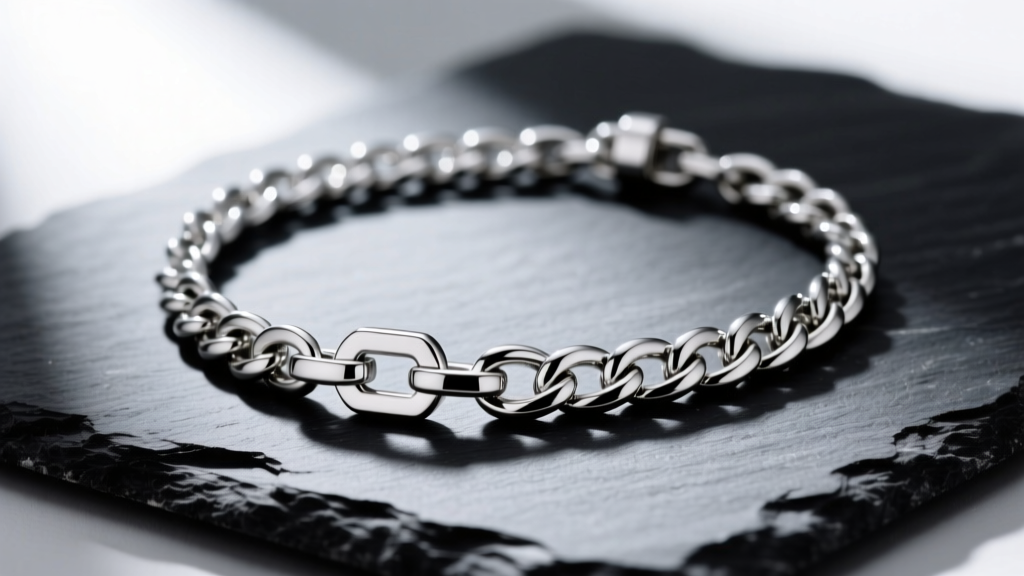
The Dominic necklace has cemented itself as a cornerstone of contemporary unisex and menswear jewelry. Characterized by its bold, architectural pendant—often featuring geometric lines, vintage signet motifs, or heavy oxidized detailing—and paired with a substantial chain, it is a statement piece. However, from a structural engineering perspective, the Dominic necklace is a mechanical nightmare if not properly spec'd. The top-heavy nature of the pendant creates severe stress points that lead to three primary failure modes: bail friction (the 'sawing' effect), clasp deformation under dynamic load, and link fatigue.
As a jewelry specialist, I see hundreds of these pieces come across my bench every year. The vast majority of breakages are not due to poor craftsmanship, but rather a fundamental mismatch in material hardness and weight distribution. In this 2026 troubleshooting guide, we will dissect the exact mechanical failures of the Dominic necklace and provide actionable, metallurgically sound solutions to keep your piece intact.
Troubleshooting Bail Friction and the 'Sawing' Effect
The most common point of failure on any heavy pendant necklace is the bail—the loop that connects the pendant to the chain. On many mass-produced Dominic necklaces, the pendant is cast in 925 sterling silver, while the accompanying chain is made of 316L stainless steel or a hardened silver alloy. This creates a severe hardness mismatch.
The Metallurgy of Bail Wear
To understand the failure, we must look at the Vickers Hardness (HV) scale. Annealed 925 sterling silver has a hardness of roughly 65 HV, while work-hardened silver reaches about 120 HV. In contrast, 316L surgical stainless steel sits between 150 and 190 HV. When a heavy 35-gram Dominic pendant swings during daily wear, the harder steel chain acts like a microscopic file against the softer silver bail. Over 6 to 12 months, this friction literally saws through the bail, resulting in a dropped and often lost pendant.
Solution: Upgrading the Bail Hardware
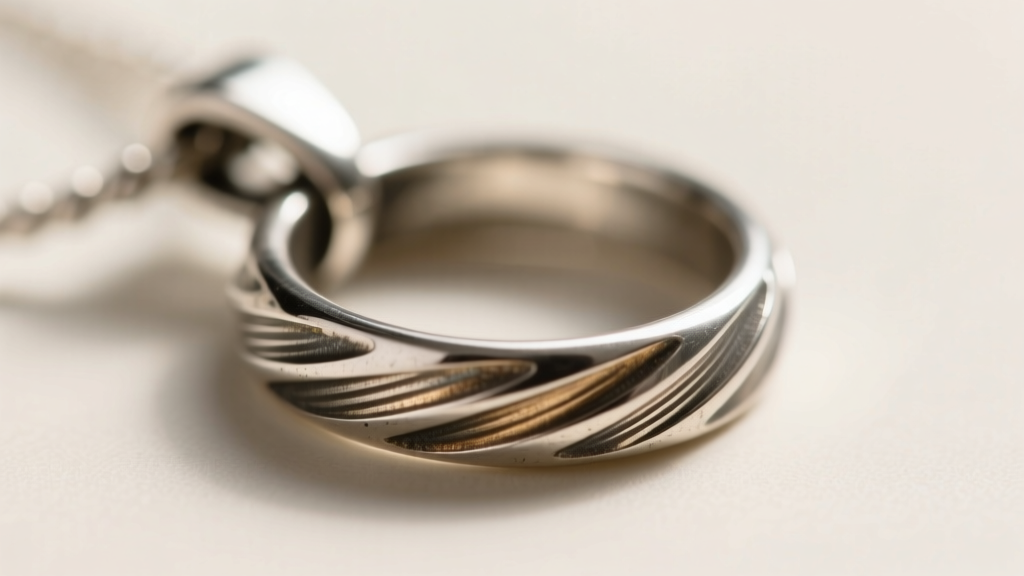
If your Dominic necklace features a simple soldered jump ring or a cast-in-place silver bail, you must upgrade it before it snaps. The solution is to replace the bail with a harder metal. According to findings specialists at Rio Grande, transitioning to a 14k white gold or platinum tube bail drastically increases wear resistance. Platinum sits at roughly 130-150 HV (and work-hardens significantly higher), while 14k white gold alloyed with nickel or palladium offers superior friction resistance compared to silver.
| Bail Material | Vickers Hardness (HV) | Estimated Lifespan (Daily Wear) | Cost to Upgrade |
|---|---|---|---|
| 925 Sterling Silver (Cast) | 65 - 120 | 6 - 14 Months | $0 (Included) |
| 14k Yellow Gold | 120 - 140 | 2 - 4 Years | $85 - $120 |
| 14k White Gold (Nickel) | 150 - 170 | 5 - 8 Years | $110 - $150 |
| Platinum (950/50 Ru) | 135 - 200+ | 15+ Years | $180 - $250 |
Note: If upgrading the bail is outside your budget, an alternative troubleshooting hack is to thread the chain through a small piece of clear PVC tubing or use a Teflon-coated nylon cord instead of a metal chain to eliminate metal-on-metal friction entirely.
Fixing Clasp Failure on Heavy Pendants
The second major failure point is the clasp. A standard Dominic pendant weighs between 28 and 45 grams. When you factor in the dynamic load—the sudden jerking force applied when the necklace catches on clothing or when you move quickly—the effective weight on the clasp can momentarily spike to over 80 grams.
Why Spring Rings and Small Lobsters Fail
Most commercial necklaces are fitted with 10mm spring ring clasps or 12mm lobster clasps. A standard 10mm spring ring clasp has a maximum dynamic load threshold of about 15 to 20 grams before the internal tension spring deforms or the outer wire ring pulls open. A 12mm lobster clasp maxes out around 35 grams. Using these on a 40-gram Dominic necklace is a guaranteed recipe for loss.
The Heavy-Duty Clasp Matrix
To troubleshoot clasp failure, you must replace the finding with one rated for heavy pendants. Here are the top three structural upgrades recommended by jewelry engineers:
- 15mm to 18mm Solid Cast Lobster Clasp: Unlike stamped sheet-metal lobsters, cast lobsters have no seams and can withstand dynamic loads up to 70 grams. Ensure the lever spring is reinforced.
- Magnetic Neodymium Clasp with Safety Link: Modern 2026 magnetic clasps use N52-grade neodymium magnets encased in 316L steel. They offer a 15lb pull force but must be paired with a figure-8 safety catch to prevent accidental sliding.
- Large Toggle Clasp (T-Bar): A 20mm toggle clasp is mechanically the most secure for heavy pendants, as the weight of the Dominic pendant actually pulls the T-bar tighter against the O-ring. However, the chain must be sized perfectly; if it is too long, the toggle will not have enough tension to stay seated.
Chain Gauge, Link Fatigue, and Tangling
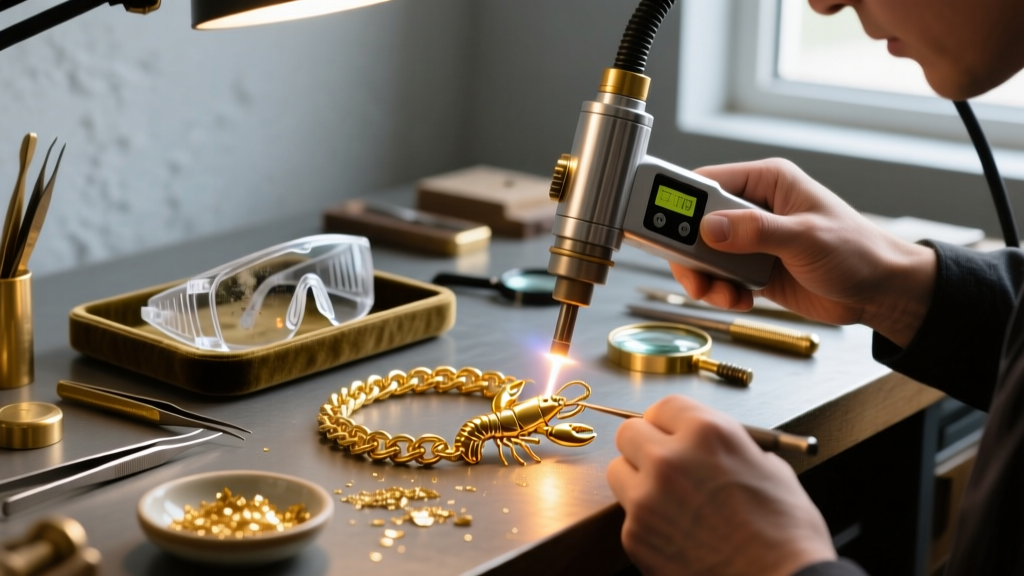
The chain on a Dominic necklace is typically a Cuban, Figaro, or Curb link, chosen for its masculine, structured aesthetic. However, the gauge (thickness) of the wire used to make these links dictates the necklace's overall structural integrity.
Identifying the Weak Links
Chains in the 2.0mm to 2.5mm range are visually proportional to the pendant but are highly susceptible to link fatigue. The constant pivoting of the links against one another, combined with the downward pull of the heavy pendant, causes the links to stretch into ovals. Once a link stretches, the structural integrity of the entire chain is compromised.
For a Dominic pendant weighing over 30 grams, the chain should never be thinner than 3.0mm (approximately 10 gauge wire). If your current chain is stretching, the only troubleshooting solution is to retire it and upgrade to a 3.5mm or 4.0mm solid-link chain. Look for chains that are laser-welded at the seams rather than simply soldered, as laser welding penetrates deeper into the metal, creating a bond that is as strong as the parent wire.
Tarnish and Chemical Troubleshooting
Beyond mechanical breakage, the Dominic necklace is prone to rapid tarnishing, particularly in the deep, oxidized crevices of the architectural pendant. While intentional oxidation (blackening) is often used to highlight the design's geometry, unintentional yellow or green tarnish ruins the aesthetic.
The Role of Skin pH and Environmental Sulfur
925 sterling silver contains 7.5% copper. It is this copper that reacts with sulfur in the air and the natural acids in your skin to create silver sulfide (tarnish). If you live in a high-humidity environment or have a naturally acidic skin pH (below 5.5), your Dominic necklace may turn black within weeks.
Actionable Fixes:
- Rhodium Plating: Have a jeweler apply a 0.5-micron layer of rhodium over the polished areas of the pendant. This creates an inert, platinum-group metal barrier that will not tarnish. (Note: This will alter the color slightly to a cooler, whiter tone).
- Anti-Tarnish Strips: When not wearing the necklace, store it in an airtight ziplock bag with a 3M anti-tarnish strip. These strips absorb ambient sulfur gases and can extend the time between polishing by up to 12 months.
- Ultrasonic Cleaning Warning: Never put an oxidized Dominic pendant in an ultrasonic cleaner. The high-frequency vibrations will strip the intentional black patina from the recessed areas, leaving the piece looking flat and washed out. Stick to a soft polishing cloth for the high points only.
When to DIY vs. When to See a Professional
Not all troubleshooting should be done at home. While you can easily swap out a chain or use a polishing cloth, structural repairs require professional intervention. Here is a quick decision framework:
DIY Safe: Replacing the chain, polishing the high-relief areas, storing with anti-tarnish strips, and applying a clear nail polish barrier to the back of the pendant to prevent skin-greying.
Jeweler Required: Laser welding a stretched link, soldering a new 14k gold bail, resizing a chain by adding/removing links, and rhodium plating. Attempting to solder a heavy bail at home with a butane torch will likely melt the delicate details of the Dominic pendant due to improper heat distribution.
Final Maintenance Checklist
To ensure your Dominic necklace survives the rigors of daily wear, implement this bi-annual maintenance routine:
- The 'Pull' Test: Gently pull the bail away from the pendant. If you see any light passing through the connection point, the solder has cracked and requires immediate professional repair.
- The Clasp Snap Test: Open and close the clasp. It should produce a sharp, definitive 'click'. If it closes softly or requires manual pushing to latch, the internal spring is failing.
- The Link Inspection: Run your fingers along the chain. If any section feels rough or catches on your skin, the links have stretched and are grinding against one another.
By understanding the specific mechanical and chemical vulnerabilities of the Dominic necklace, you can transition from constantly replacing broken jewelry to maintaining a lifelong staple piece. For further reading on chain gauge standards and clasp tension metrics, consult the educational resources at Halstead.


