Pooka Necklace Value Guide 2026: Real Shell vs Fakes
Is your pooka necklace real shell or cheap resin? Our 2026 value guide breaks down pricing, material grades, and how to spot authentic puka shells.

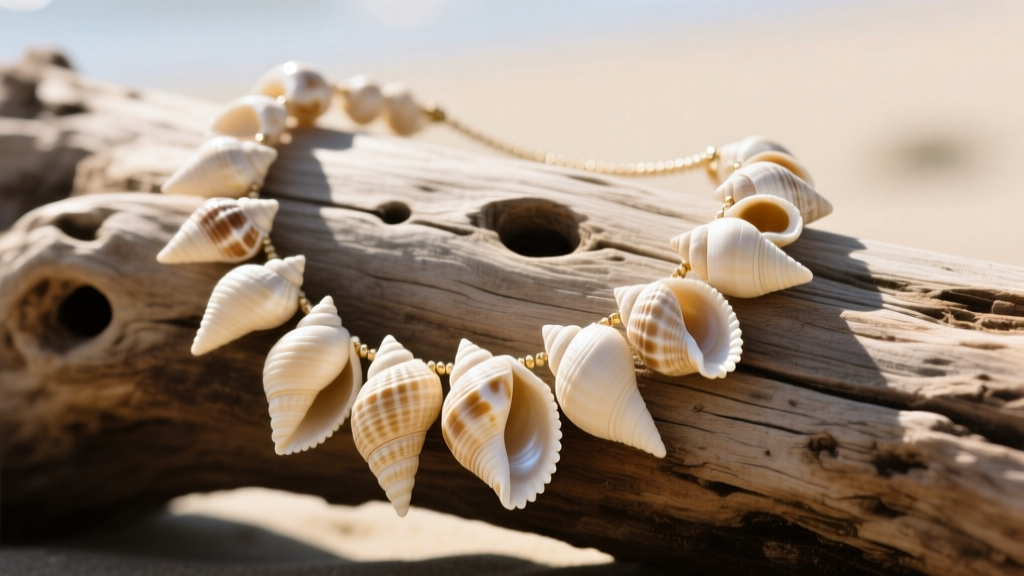
The "Pooka" vs. Puka Confusion: Defining the 2026 Market
If you have been searching for a "pooka necklace," you are part of a massive 2026 search trend driven by a phonetic misspelling of the legendary Puka shell necklace. While the internet has adopted the "pooka" spelling, the jewelry and conchology industries strictly refer to these organic gems as Puka (meaning "hole" in Hawaiian). As organic materials surge back into mainstream fashion, the market has been flooded with imitations, making a rigorous budget and value assessment more critical than ever for informed buyers.
Assessing the true value of a Puka necklace requires looking past the viral aesthetic and examining the material grade, stringing engineering, and sourcing ethics. A genuine Puka shell is not merely a bead; it is a naturally occurring artifact formed by the ocean. In this comprehensive guide, we break down exactly what you should be paying, how to identify synthetic fakes, and the hidden failure modes that destroy cheap imitations within months of wear.
Conchology 101: What Makes a True Puka?
To assess value, you must first understand the raw material. Authentic Puka shells are the naturally weathered remnants of the cone snail, specifically the Conus miliaris species found in the warm waters of the Pacific. According to the Smithsonian Ocean Portal, cone snails possess a distinct, asymmetric conical shape. When the snail dies and the shell tumbles in the surf for years, the softer tip erodes, leaving a naturally smooth, flared hole.
This natural formation process is the primary driver of a genuine necklace's value. No two authentic Puka shells are identical. They feature a rounded, convex "lip" side and a flatter, concave underside. Imitations, conversely, are mass-produced. Manufacturers stamp flat sheets of mother-of-pearl, dyed howlite, or molded resin into uniform disks, drilling perfectly cylindrical holes through the center. If your "pooka" necklace features beads that are identical in thickness, perfectly round, and possess sharp, machine-drilled holes, you are wearing a synthetic imitation with virtually zero long-term intrinsic value.
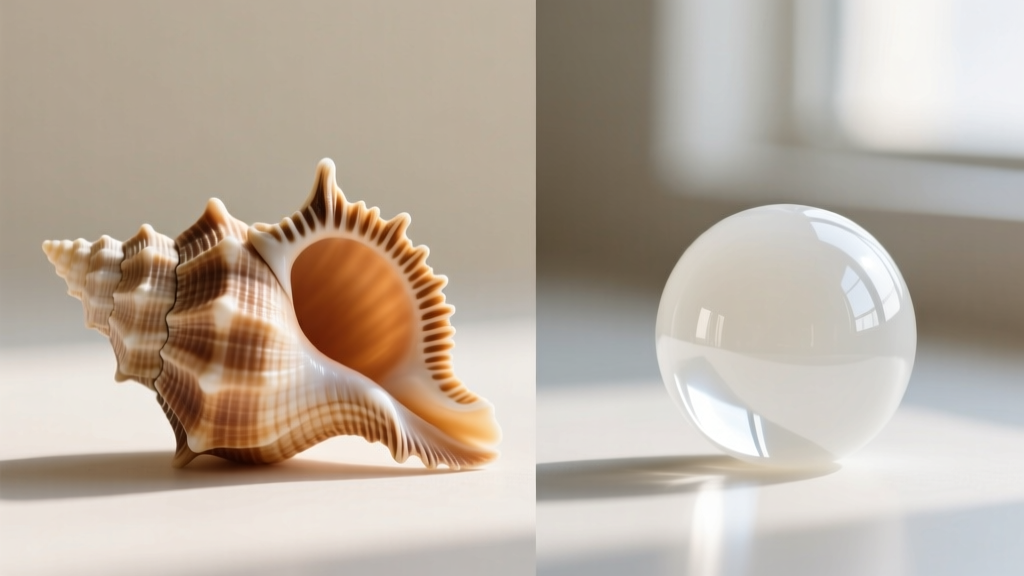
The 2026 Pricing Matrix: Budget vs. True Value
When budgeting for a Puka shell necklace, consumers generally encounter three distinct market tiers. Understanding these tiers prevents you from overpaying for dyed resin disguised as premium organic jewelry. Below is our 2026 market analysis of current retail pricing based on material authenticity and craftsmanship.
| Tier | Material Composition | Estimated Retail Price | Value Assessment |
|---|---|---|---|
| Low-End | Molded Resin, Plastic, or Dyed Howlite | $12 – $35 | Poor. Prone to yellowing, chipping, and skin irritation. Zero resale value. |
| Mid-Tier | Stamped Mother-of-Pearl or Heishi Disk Shell | $45 – $95 | Fair. Genuine shell material, but machine-cut. Lacks the natural Puka cone structure. |
| High-End | Authentic, Undyed Conus miliaris Cone Shell | $150 – $450+ | Excellent. Naturally formed, hand-sorted for color gradients, strung on premium cord. |
As the Gemological Institute of America (GIA) notes in their documentation on organic gem materials, the value of shell jewelry is heavily dictated by the lack of artificial enhancement. High-end pieces command premium prices because artisans must hand-collect, sort, and match thousands of naturally tumbled shells to create a single, cohesive gradient necklace. When you pay $20 for a "pooka" necklace on a fast-fashion marketplace, you are exclusively funding the cost of molded plastic and cheap labor, not the rarity of the organic gem.
Failure Modes: Why Cheap Necklaces Snap and Fade
A critical component of value assessment is longevity. A budget resin necklace might seem like a smart financial choice until you examine its structural failure modes. The most common point of failure in low-tier shell necklaces is the stringing material. Mass-produced imitations are typically strung on cheap elastic or thin, waxed cotton. Cotton absorbs sweat, sunscreen, and ocean salt, leading to rapid fiber degradation. Within six months of regular summer wear, the cotton rots, resulting in a catastrophic snap and the loss of the beads.
Furthermore, resin and dyed howlite beads react poorly to UV exposure and chemical contact. The oils in human skin, combined with chlorine from swimming pools and the chemical filters in modern sunscreens, will cause white resin beads to yellow and become brittle. Dyed howlite will bleed its artificial color onto your clothing and skin when exposed to moisture.
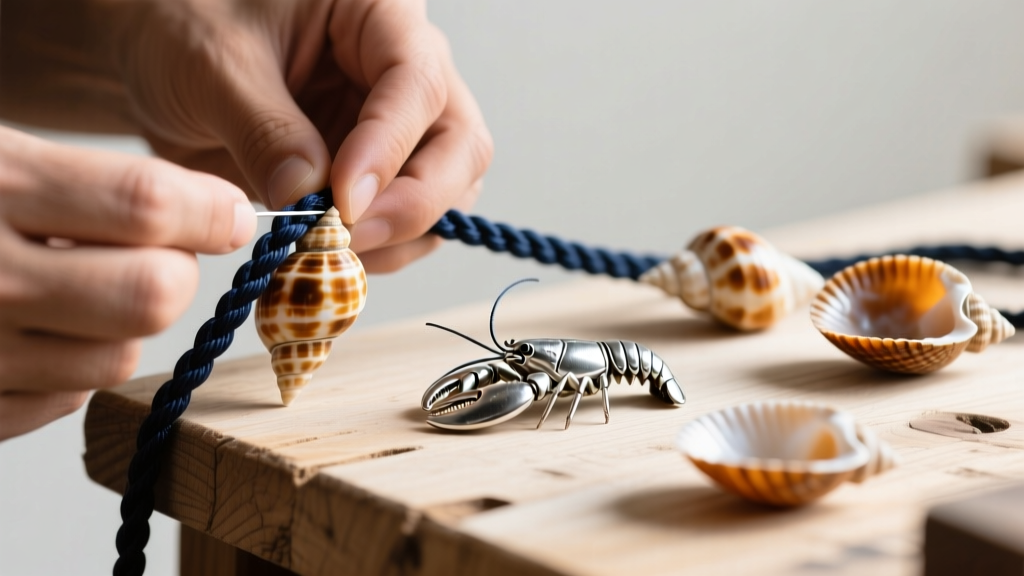
Engineering Longevity: What to Demand from Artisans
If you are investing in the $150+ tier for authentic Puka shells, you must verify the engineering of the stringing mechanism. High-value necklaces in 2026 are strung using multi-strand, gel-spun polyethylene cords (such as WildFire or FireLine) or high-tensile braided nylon. These synthetic cords are entirely impervious to water, salt, and UV degradation. They possess a break strength of 6 to 10 pounds, ensuring the necklace will outlast the shells themselves.
Additionally, inspect the clasp hardware. Authentic, high-value Puka necklaces utilize solid sterling silver or 14k gold-filled lobster clasps with reinforced jump rings. Avoid necklaces that use base-metal spring rings or glue-set crimp beads, as the calcium carbonate structure of the shell can easily fracture if a rigid metal crimp is crushed too tightly against it during assembly.
The Thermal & Tactile Test: Verifying Your Purchase
When evaluating a necklace in person, bypass the visual inspection and rely on thermodynamics. Genuine organic shell is dense and possesses high thermal conductivity. When you press a real Puka shell against your cheek or the inside of your wrist, it will feel distinctly cool to the touch and will take several seconds to absorb your body heat. Resin and plastic, conversely, are thermal insulators; they will feel room-temperature or slightly warm immediately upon contact.
Finally, run your thumb over the hole of the bead. A genuine, ocean-tumbled Puka will have a smooth, slightly flared, and asymmetrical lip where the hole naturally formed. If the hole feels sharp, perfectly cylindrical, or features microscopic drill striations, you are holding a machine-altered fake. By applying these strict material and structural assessments, you can confidently navigate the 2026 market, ensuring your budget is allocated toward genuine, heirloom-quality organic jewelry rather than disposable synthetic trends.
"True value in organic jewelry is not just about the aesthetic; it is about the geological time and oceanic force required to shape the material. A machine can drill a hole in a second, but the ocean takes a decade to sculpt a true Puka."


