2026 Volleyball Necklace Guide: Budget & Value Tips
Evaluate the true cost of a volleyball necklace in 2026. We compare 316L steel, sterling silver, and silicone for on-court durability and budget value.

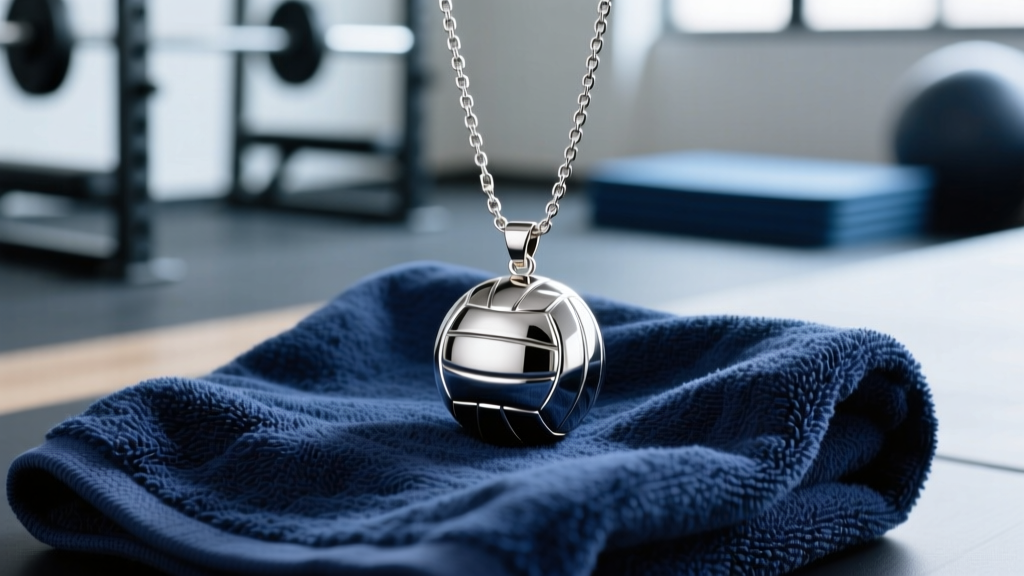
The True Cost of Sports Jewelry: What Are You Paying For?
When shopping for a volleyball necklace, buyers are often caught between sentimental value and practical durability. Whether you are purchasing a gift for a senior night, a team banquet, or personal everyday wear, understanding the intersection of material science and sports environment is crucial. In 2026, the market is flooded with options ranging from $12 silicone cords to $400 solid gold pendants. But does a higher price tag guarantee a better return on investment for an athlete? The short answer is no. The harsh reality of competitive volleyball—involving high-impact dives, constant friction from jerseys, and exposure to highly acidic sweat—demands specific material properties that traditional luxury jewelry often lacks. This comprehensive budget and value assessment breaks down exactly where your money should go, and where you are simply paying for a brand name.
Material Breakdown: Durability vs. Price
The core value of any sports pendant lies in its base metal. Sweat contains water, salt (sodium chloride), and trace amounts of urea and lactic acid. This combination is highly corrosive to reactive metals. Below is a detailed assessment of the most common materials used in volleyball jewelry this year.
| Material | Sweat Resistance | Tensile Strength | Avg. Price Range (2026) | Best Use Case |
|---|---|---|---|---|
| 316L Stainless Steel | Excellent | Very High | $25 - $60 | Everyday / Off-Court Wear |
| 925 Sterling Silver | Poor (Tarnishes) | Moderate | $45 - $120 | Banquets / Formal Events |
| Medical-Grade Silicone | Perfect | Flexible | $12 - $30 | On-Court / Active Play |
| Solid 10k Gold | Good | High | $150 - $300 | Heirloom / Coach Gifts |
| Gold Vermeil / Plated | Very Poor | Varies | $20 - $50 | Avoid for Sports |
According to standards outlined by Jewelers of America, 316L stainless steel is the undisputed champion of budget sports jewelry. Unlike 304 steel, 316L contains molybdenum, a specific alloying element that drastically increases resistance to chloride corrosion (the exact compound found in human sweat). If you are buying a necklace for a player to wear daily to school and practice, 316L steel offers the highest value-to-cost ratio. Conversely, gold vermeil (a thick layer of gold over sterling silver) will experience micro-abrasions from jersey friction, leading to rapid flaking and a wasted investment.
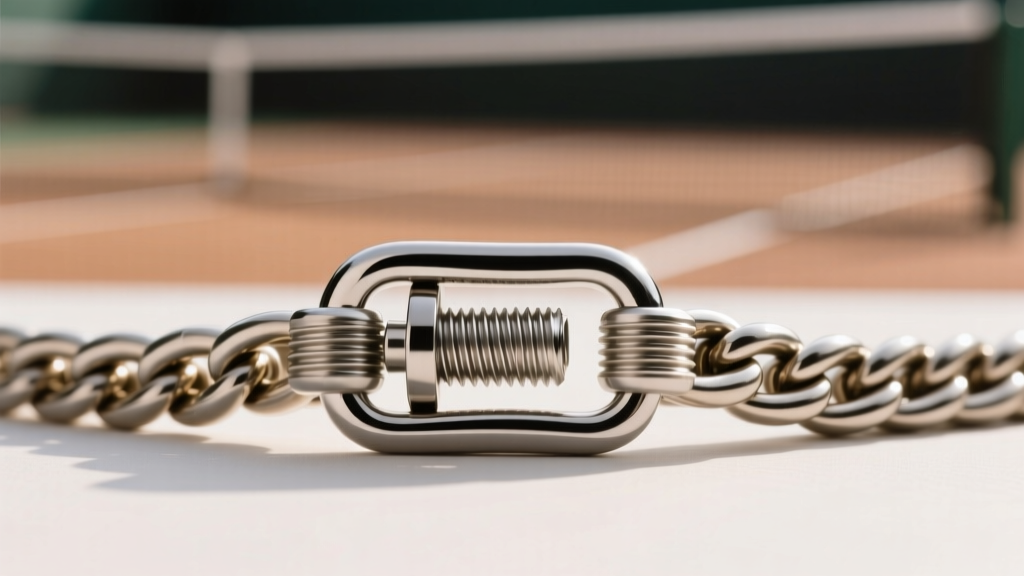
Chain & Clasp Mechanics: Preventing Court-Side Breakages
A pendant is only as valuable as the chain holding it. Many budget necklaces cut costs by pairing a heavy metal volleyball charm with a weak, mass-produced cable chain. When assessing value, you must scrutinize the chain link style and the clasp mechanism.
High-Value Chain Styles
- Box Chains: Composed of interlocking square links, box chains offer exceptional tensile strength and lie flat against the collarbone. They are highly resistant to kinking and will not pull arm or chest hair.
- Wheat (Spiga) Chains: Featuring braided, woven links, wheat chains distribute tension evenly across the entire length. They are virtually impossible to snap under standard athletic stress.
- Avoid Snake Chains: While sleek, snake chains consist of tightly joined rings that trap sweat, dead skin, and lotion. They are notoriously difficult to clean and prone to permanent kinking if bent sharply during a dive.
The Clasp Failure Point
The spring-ring clasp is the most common point of failure on budget necklaces. The tiny internal spring degrades quickly when exposed to salt and moisture, leading to accidental drops. For maximum value, seek out necklaces equipped with a lobster clasp (which features a stronger, wider spring mechanism) or a screw-barrel clasp. Screw-barrel clasps physically thread together, making them virtually snag-proof and ideal for athletes who refuse to take their jewelry off before stepping onto the court.
Engraving and Customization: Hidden Costs and Value Traps
Customizing a volleyball necklace with a player's number, graduation year, or a short motivational quote adds immense sentimental value. However, the method of engraving drastically impacts both the price and the longevity of the text. Because a volleyball pendant features a compound spherical curve, standard flat-bed laser engravers will distort the text on the outer edges of the ball.
High-value jewelers will use a 4-axis rotary laser or a diamond-drag engraving bit, which maps the curvature of the pendant. Expect to pay a premium for this service. Standard flat laser engraving on a curved surface typically costs $10 to $15 but results in blurred edges. Precision rotary engraving on 316L steel or solid gold usually ranges from $25 to $45. If a retailer offers free engraving on a spherical pendant, they are likely using a cheap flat-bed laser that will compromise the aesthetic value of the piece within months as the shallow surface marks wear away from friction.
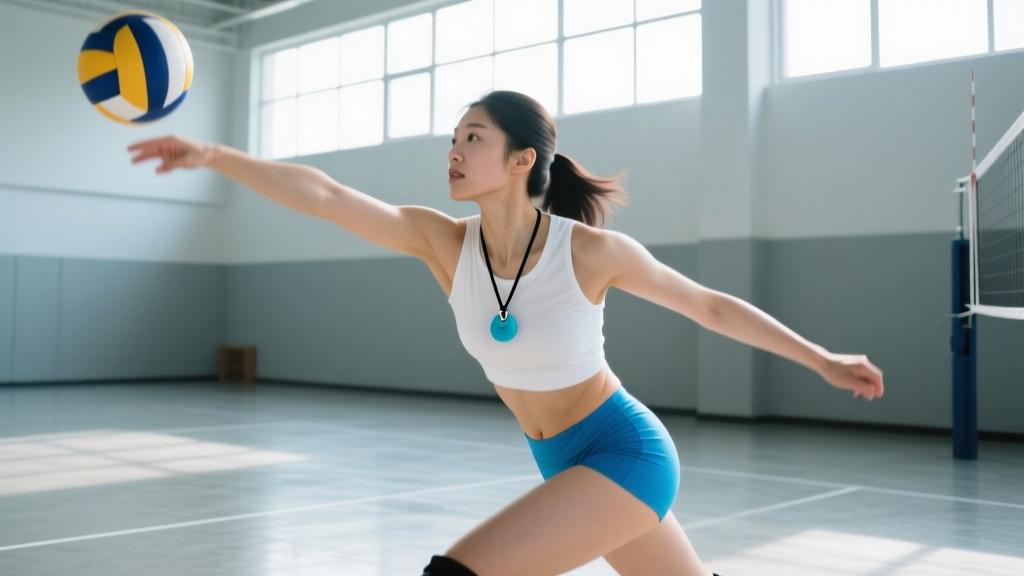
On-Court Safety: The NFHS Rule and Silicone Alternatives
When assessing the budget for a volleyball necklace, you must factor in the rules of the game. The National Federation of State High School Associations (NFHS) strictly prohibits the wearing of hard jewelry, including metal pendants and chains, during live warm-ups and match play. This rule exists to prevent degloving injuries, lacerations from snagged chains, and damage to the net or other players.
Therefore, a $200 solid gold volleyball necklace holds zero functional value during the actual sport. This has driven a massive surge in the value of medical-grade silicone pendants strung on breakaway black cords. Priced between $12 and $30, these necklaces offer athletes the ability to represent their sport safely during active play. The silicone is impervious to sweat, completely non-conductive, and designed to snap under extreme pressure, eliminating choking hazards. For the pragmatic buyer, allocating $25 toward a high-quality silicone setup for game days, and $40 toward a 316L steel setup for off-court wear, provides a superior, dual-purpose value proposition compared to dropping $150 on a single silver piece that must be locked in a locker room during matches.
The 2026 Verdict: Best Budget Tiers
Ultimately, the value of a volleyball necklace is dictated by its intended environment. Here is the definitive budget framework for 2026:
The Under $30 Tier (Maximum Utility): Medical-grade silicone pendants on breakaway cords. Unbeatable for active, on-court players who prioritize safety and sweat resistance.
The $40 - $75 Tier (The Sweet Spot): 316L surgical stainless steel pendants on 2mm box chains with lobster clasps. The absolute best value for seniors, team gifts, and everyday school wear. Look for PVD (Physical Vapor Deposition) coating if you want a gold or rose-gold finish that will not flake.
The $150+ Tier (The Heirloom): Solid 10k or 14k gold with precision rotary engraving. Reserve this budget for milestone achievements, championship coaches, or graduation keepsakes meant for display and formal wear, not the hardwood.
By aligning your budget with the material realities of competitive sports, you ensure that your volleyball necklace remains a source of pride, rather than a tarnished, broken disappointment.


