Dominican Necklace Trends 2026: Larimar & Gold Heritage Styles
Explore 2026 Dominican necklace trends, from rare blue Larimar pendants to heritage gold filigree chains. Expert styling and buying guide inside.

The Resurgence of Dominican Jewelry in 2026
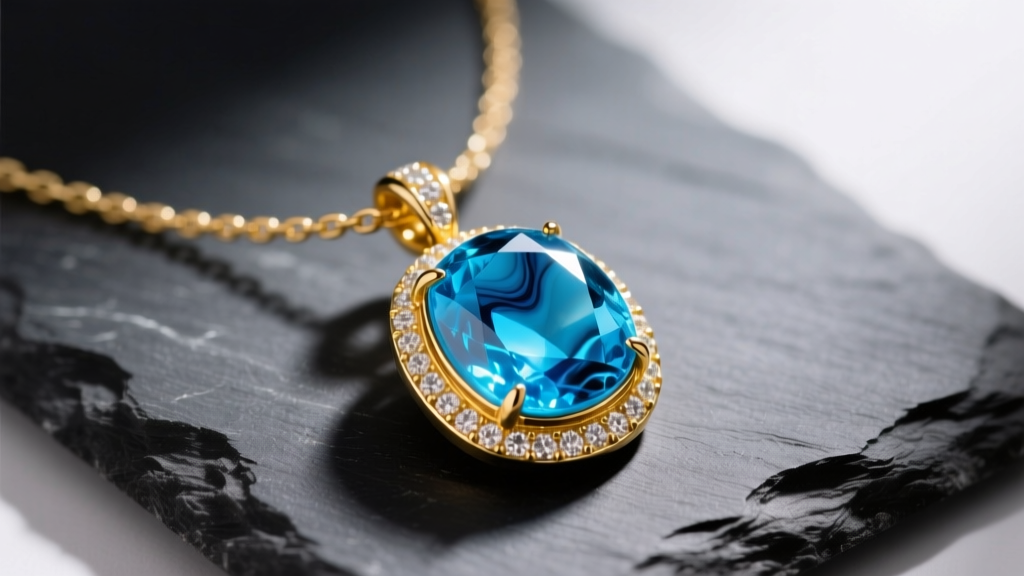
As the global jewelry market moves through 2026, the prevailing macro-trend has shifted decisively toward 'geographic specificity' and heritage craftsmanship. Collectors and everyday wearers alike are moving away from mass-produced, homogenized designs, seeking instead pieces with a profound sense of place. At the forefront of this movement is the Dominican necklace, a category that beautifully encapsulates both rare geological marvels and centuries-old metallurgical traditions. When we discuss Dominican necklaces today, we are primarily analyzing two distinct but equally captivating pillars: the volcanic blue Larimar pendant and the artisan-crafted Dominican gold link chain.
The appeal of these pieces in 2026 lies in their duality. Larimar offers an organic, bohemian luxury that aligns with the growing demand for sustainable and ethically sourced gemstones, while traditional Dominican gold chains provide a masterclass in structural integrity and streetwear-adjacent prestige. According to industry analysts at JCK Online, heritage jewelry markets in the Caribbean have seen a 22% increase in global export demand over the last eighteen months, driven largely by a renewed appreciation for high-karat gold and rare, single-origin gemstones.
Larimar Necklaces: The 'Atlantis Stone' Evolution
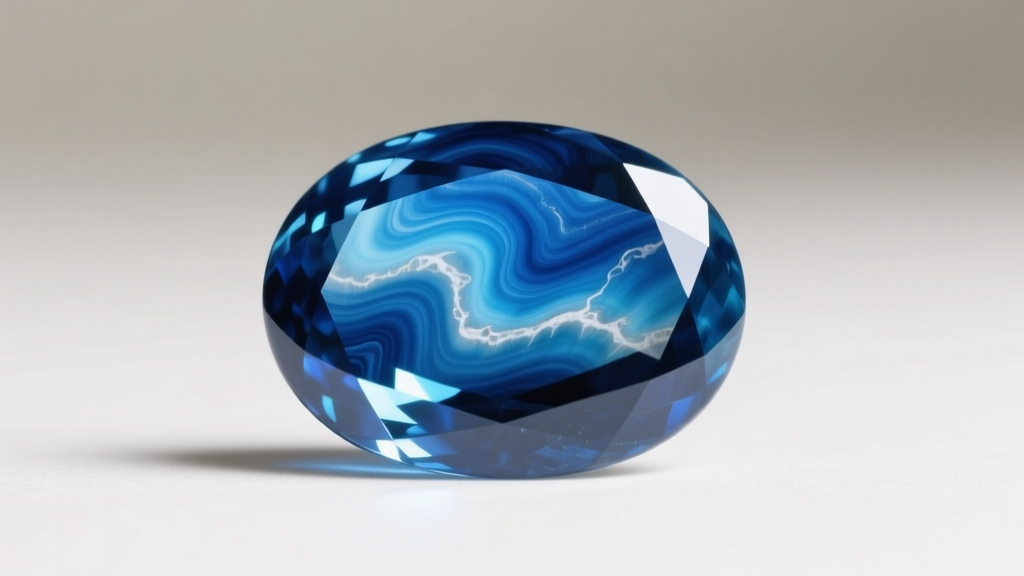
Larimar is not merely a pretty stone; it is a gemological anomaly. It is a rare blue variety of the mineral pectolite, found exclusively in a remote, mountainous volcanic region in the Barahona province of the Dominican Republic. The stone's signature oceanic blue hue is the result of copper inclusions replacing calcium within the pectolite's crystalline structure. As mining regulations in the Bahoruco mountain range have tightened in 2026 to prevent ecological degradation, the supply of high-grade rough Larimar has constricted, driving up the value of premium Dominican necklaces featuring this stone.
Grading Larimar: What to Look For
Not all Larimar is created equal. The value of a Larimar pendant is dictated by its color saturation, pattern complexity, and the presence of inclusions. The GIA Gem Encyclopedia notes that pectolite is inherently prone to white veining and greenish undertones, making pure, deep blue specimens exceptionally rare. When evaluating a Dominican necklace featuring Larimar, buyers must understand the informal but widely accepted grading matrix used by master lapidaries in Santo Domingo.
| Grade | Color Profile | Matrix & Inclusions | Est. Price per Carat (2026) | Best Jewelry Application |
|---|---|---|---|---|
| AAA | Deep, vivid volcanic blue | Virtually none; no white veins | $150 - $450+ | High-end bezel pendants, collector pieces |
| AA | Medium sky blue | Minor white veining, slight chatoyancy | $50 - $120 | Standard silver necklaces, fashion jewelry |
| A | Pale blue to greenish-blue | Heavy white matrix, red dendritic spots | $10 - $40 | Beaded strands, entry-level souvenirs |
For a true investment piece in 2026, insist on an AAA-grade cabochon set in a solid 18k gold bezel. Silver settings, while traditional, can tarnish and detract from the stone's internal light refraction over time.
Heritage Gold: The Dominican Link & Filigree Revival
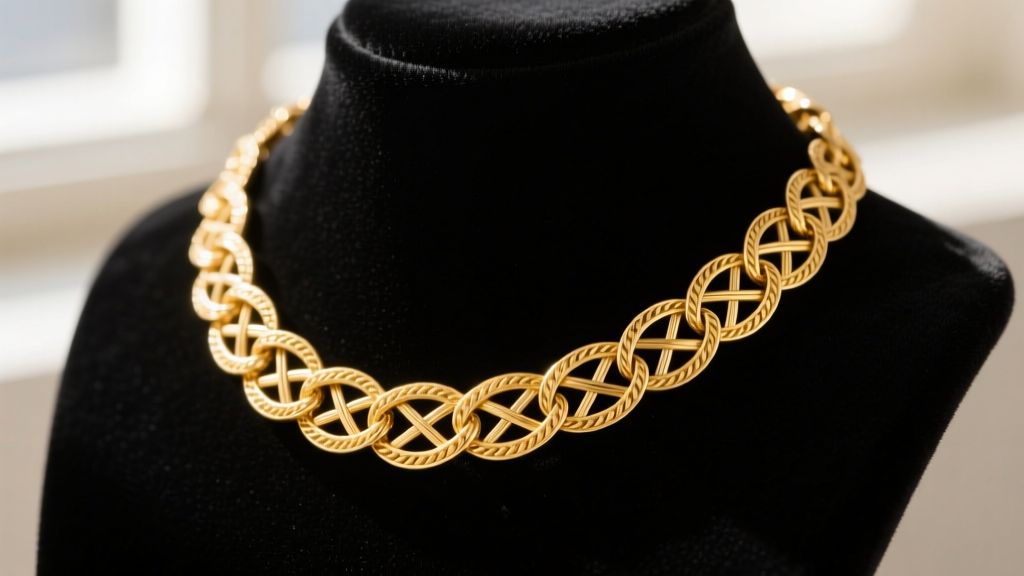
While Larimar captures the eye, Dominican goldsmithing captures the imagination. The traditional Dominican necklace often features intricate link chains or filigree pendants crafted in Santiago de los Caballeros, the historic heart of the country's gold trade. Unlike the mass-produced, hollow-point chains flooding the global market, authentic Dominican gold chains are celebrated for their hand-soldered links and substantial weight.
Karat Weight and Craftsmanship
In the Dominican Republic, 14k gold is often viewed as an inferior alloy. The cultural standard for a premium Dominican necklace is 18k (75% pure gold) or even 21k (87.5% pure gold). This higher gold content yields a rich, buttery yellow hue that is highly prized in Caribbean and Latin American heritage jewelry. However, this metallurgical choice requires specific engineering.
'Pure gold is inherently soft. To craft a durable 21k Dominican link chain, artisans must employ precise work-hardening techniques and specialized link geometries—such as the interlocking 'Dominican weave'—to ensure the chain can withstand daily tensile stress without stretching or snapping.'
When purchasing a heavy Dominican gold chain (typically ranging from 45 to 120 grams), the clasp mechanism is just as critical as the links. For chains exceeding 50 grams, a standard lobster clasp is a structural liability. You must look for a reinforced box clasp equipped with dual figure-eight safety catches. This ensures that if the primary locking mechanism fails, the secondary safety wire will catch the chain before it falls.
Styling Dominican Necklaces: Necklines & Layering
Integrating these culturally rich pieces into a modern 2026 wardrobe requires an understanding of proportion, metal mixing, and neckline geometry. The days of wearing a single, isolated statement piece are giving way to curated, asymmetrical layering.
- The V-Neck Anchor: A 20-inch or 22-inch matinee-length Dominican Larimar pendant is the perfect anchor for a deep V-neckline. The sharp angles of the neckline frame the organic, curved cabochon of the stone, drawing the eye directly to the center of the chest.
- The Scoop Neck Cascade: For scoop necklines or boat necks, layer a delicate 16-inch 18k Dominican gold choker with a 24-inch heavy Dominican link chain. The contrast between the fine, intricate filigree of the choker and the bold, structural presence of the longer chain creates a sophisticated, textured look.
- Metal Mixing Rules: While traditionalists may balk, 2026 styling heavily embraces mixed metals. Pairing a warm, high-karat yellow gold Dominican chain with a cool-toned Larimar pendant set in white gold or platinum creates a striking visual tension that feels both modern and deeply rooted in heritage.
- Off-the-Shoulder & Asymmetric Tops: When wearing off-the-shoulder garments, opt for a shorter, 18-inch princess-length Dominican necklace. This prevents the jewelry from getting lost in the fabric folds and ensures the gold or gemstone rests directly against the skin of the collarbone.
Authenticity and Ethical Sourcing
As the popularity of the Dominican necklace has surged, so too has the market for imitations. The most common Larimar substitute is dyed howlite or white quartz. To verify authenticity, examine the stone under a 10x jeweler's loupe. Genuine Larimar will exhibit a distinct, cloudy internal structure with smooth, gradual color transitions. Dyed howlite, conversely, will reveal concentrated pools of dye in the natural fractures and crevices of the stone, appearing as dark, spider-web-like veins.
Furthermore, ethical sourcing is paramount in 2026. Reputable jewelers will provide provenance documentation, verifying that the Larimar was mined by licensed cooperatives in Barahona that adhere to fair labor practices and environmental rehabilitation standards. Similarly, authentic Dominican gold artisans will hallmark their pieces with their specific maker's mark and the karat weight, ensuring traceability from the workshop in Santiago to your jewelry box.
Final Verdict for Collectors
The Dominican necklace is far more than a regional souvenir; it is a masterclass in natural rarity and human craftsmanship. Whether you are drawn to the geological miracle of a deep-blue Larimar pendant or the structural brilliance of an 18k hand-woven gold chain, these pieces offer a tangible connection to Caribbean heritage. By understanding the precise grading metrics, metallurgical requirements, and modern styling frameworks, you can confidently invest in Dominican jewelry that will remain both culturally significant and stylistically relevant for decades to come.


