Is a Layered Tennis Necklace Worth the Investment in 2026?
Discover if a layered tennis necklace is worth your budget in 2026. We break down lab-grown vs. natural costs, durability, and cost-per-wear value.

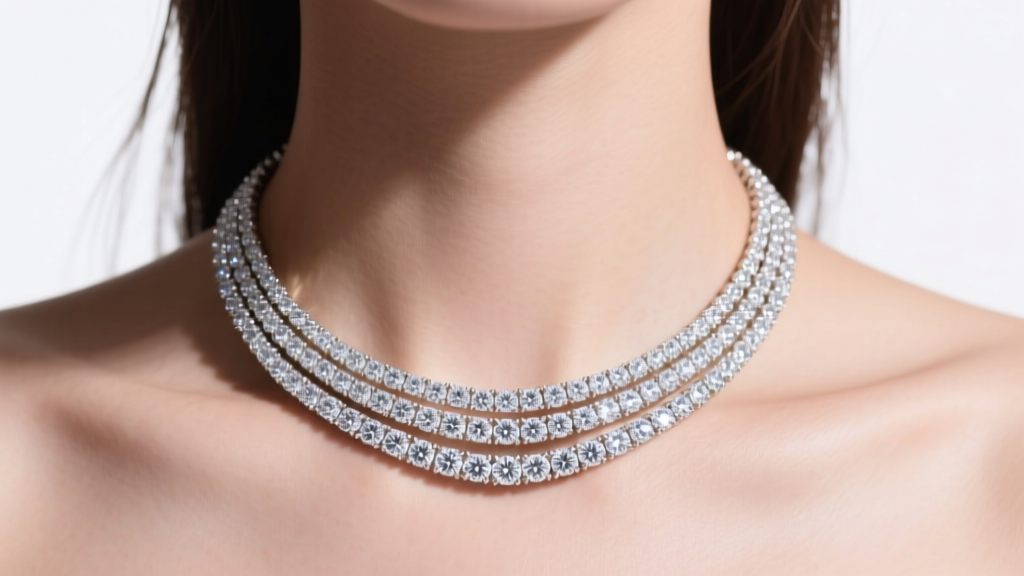
The Rise of the Layered Tennis Necklace: Trend or Timeless?
The tennis necklace has been a staple of fine jewelry since the late 1980s, but the modern iteration has evolved. In 2026, the layered tennis necklace dominates high-end and accessible luxury markets alike. Whether achieved by stacking individual chains of varying carat weights or purchasing a pre-soldered multi-strand piece, the visual impact is undeniable. However, from a budget and value assessment perspective, this trend introduces complex variables regarding metal weight, diamond total carat weight (TCW), and structural integrity. Before allocating thousands of dollars to this look, buyers must understand the hidden costs and long-term value propositions of layering.
Budget Breakdown: Pre-Layered vs. Individual Stacking
When building a layered tennis necklace, you face a primary fork in the road: buy a pre-layered piece (where multiple strands are permanently attached to a single master clasp) or buy individual chains and stack them. The financial difference is substantial.
| Configuration | Est. TCW (Diamonds) | Metal Weight (14k) | Avg. Lab-Grown Price (2026) | Avg. Natural Price |
|---|---|---|---|---|
| Pre-Layered (3-strand, 3mm uniform) | 12.5 ct | 28g | $3,200 - $4,500 | $14,000 - $18,000 |
| Individual Stack (2mm, 3mm, 4mm) | 14.0 ct | 35g | $4,100 - $5,800 | $17,500 - $22,000 |
The Value Insight: Pre-layered necklaces are generally 15% to 20% more cost-effective. This is because they require only one master clasp (often a box clasp with double figure-eight safeties) and share structural jump rings, reducing both gold weight and the labor cost of setting individual clasps. However, individual stacking offers modular versatility—you can wear the 4mm chain alone for a minimalist look, which increases the cost-per-wear (CPW) value of your investment.
Material Value: Lab-Grown vs. Natural Diamonds in 2026
The most critical factor in your budget assessment is the origin of the diamonds. The market has shifted dramatically over the last few years. According to the Gemological Institute of America (GIA), lab-grown diamonds possess the exact same chemical, physical, and optical properties as natural diamonds. Yet, their pricing structures are entirely different.
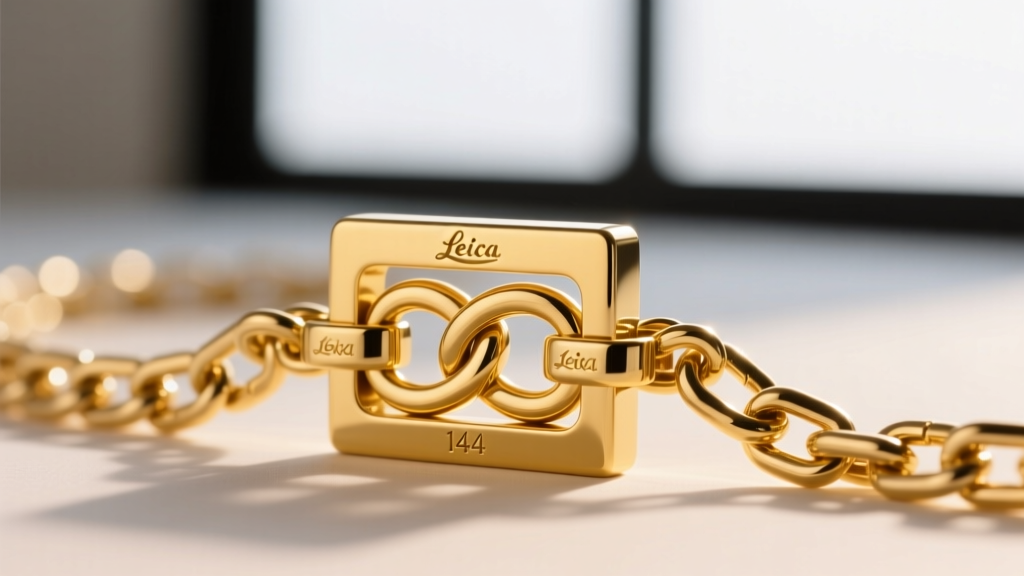
In 2026, a high-quality lab-grown diamond tennis chain (3mm, VS clarity, F-G color) costs roughly $250 to $350 per carat. Conversely, a comparable natural diamond chain commands $1,200 to $1,800 per carat. When layering three strands, you are easily looking at 12 to 15 total carat weight. The price gap between a $4,500 lab-grown layered set and a $18,000 natural set is massive.
The Resale Reality Check
If you view jewelry as a financial asset, you must confront the secondary market. Forbes Advisor notes that natural diamonds typically retain 30% to 40% of their retail value upon resale, depending on market conditions and certification. Lab-grown diamonds, due to their infinitely scalable production, currently hold near-zero resale value. The Verdict: If your goal is wealth preservation, a layered natural diamond necklace is the only viable route. If your goal is maximum visual brilliance and everyday wearability without the anxiety of depreciation, lab-grown is the undisputed champion of value.
Durability & Failure Modes: What Jewelers Won't Tell You
Layering tennis necklaces introduces mechanical friction that a single chain does not experience. As a domain expert assessing long-term value, I must highlight the specific failure modes associated with the layered tennis necklace trend:
- Prong Snagging: If you stack a 5mm chain with a 2mm chain, the larger, more prominent prongs of the 5mm chain will inevitably catch on the delicate links and settings of the 2mm chain. Over 12 to 18 months of daily wear, this friction can loosen stones or warp the gallery wire.
- Clasp Slippage: Tennis chains are notorious for flipping over, exposing the back of the settings. When layered, the combined weight of three chains puts immense lateral torque on the master clasp. Ensure your pre-layered piece uses a box clasp with a double figure-eight safety catch, not a simple lobster clasp, which will warp under the 35+ gram weight of a triple-layer setup.
- Bezel vs. Prong: To maximize durability in a layered setup, consider mixing styles. Use a bezel-set tennis chain as your bottom layer (closest to the skin). Bezels eliminate exposed prongs, drastically reducing the friction and snagging that plagues layered prong-set chains.
Cost-Per-Wear (CPW) Analysis
To truly assess value, we must calculate the Cost-Per-Wear. A $4,500 lab-grown layered tennis necklace worn 4 times a week for 3 years yields a CPW of roughly $7.21 per wear. Compare this to a $1,200 designer pendant that tarnishes or goes out of style in one season. Because the layered tennis necklace bridges the gap between high-impact evening wear and elevated daily streetwear, its utilization rate is exceptionally high.
"True jewelry value isn't just about the melt weight of the gold or the wholesale price of the stones; it's about the asset's ability to integrate seamlessly into your daily wardrobe without requiring constant maintenance."
Final Verdict: The Budget-to-Brilliance Framework
Is a layered tennis necklace worth the investment in 2026? Yes, provided you align your purchase with the correct strategic framework based on your budget and lifestyle.
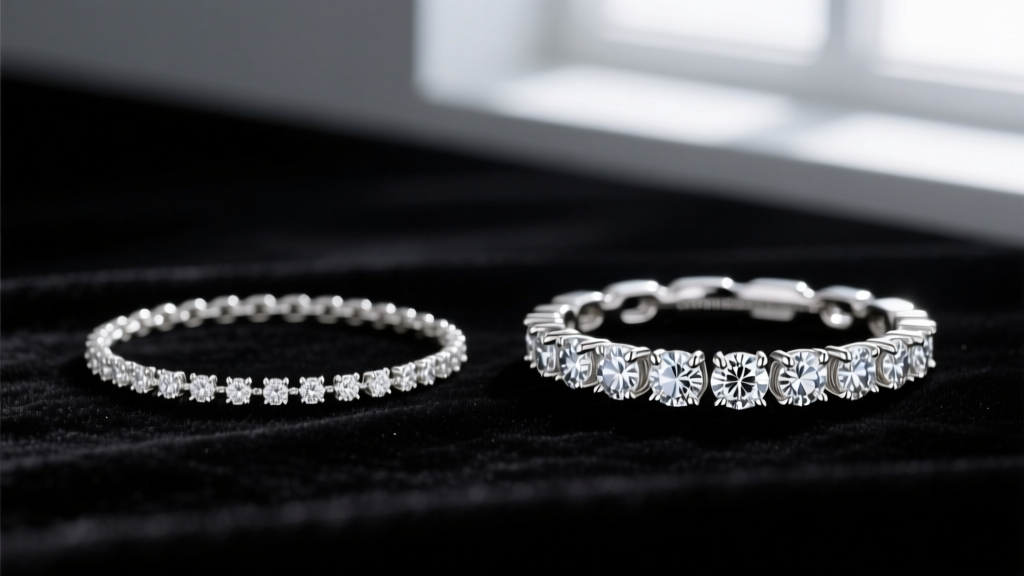
- The Maximalist on a Budget: Opt for a pre-layered, 3-strand lab-grown diamond necklace (3mm uniform stones) in 14k white gold. You get the massive 12+ carat look for under $5,000, with 14k gold offering superior scratch resistance compared to 18k.
- The Heirloom Seeker: Avoid pre-layered natural diamond pieces. Instead, buy a single, high-quality 5mm natural diamond tennis chain (approx. $8,000). Wear it solo, and add a 3mm natural chain next year. This protects your capital and ensures each piece retains independent resale value.
- The Daily Wearer: Prioritize structural integrity. Invest in individual lab-grown chains featuring bezel or half-bezel settings. While slightly more expensive per carat than traditional prong settings, the elimination of prong-snagging will save you hundreds of dollars in stone-replacement and re-tipping repairs over the next decade.
Ultimately, the layered tennis necklace is a triumph of modern styling. By understanding the mechanics of clasps, the friction of layered prongs, and the stark financial divide between lab-grown and natural markets, you can secure a piece that delivers unmatched brilliance without compromising your financial logic.


