Tattoo Necklace Care: Cleaning Elastic & Metal Styles
Learn how to properly clean, maintain, and store your tattoo necklace. Expert tips for restoring both 90s elastic stretch chokers and metal tattoo pendants.

Understanding the Modern Tattoo Necklace
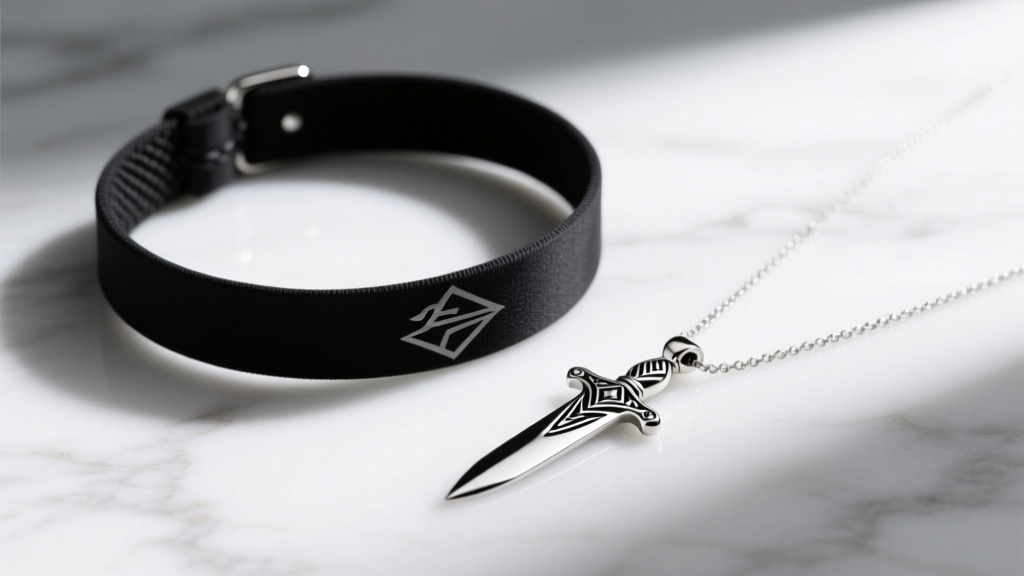
When you search for a tattoo necklace, you are likely looking for one of two distinct styles: the iconic 1990s stretchy elastic choker woven from nylon or thermoplastic polyurethane (TPU), or a contemporary metal chain featuring traditional tattoo-motif pendants like daggers, panthers, swallows, or barbed wire. While they share a name and a rebellious aesthetic, their material compositions are vastly different. Consequently, applying a universal cleaning method will ruin one or both pieces. Elastic degrades under harsh chemicals and heat, while metal alloys require specific polishing techniques to prevent micro-scratching and chemical pitting. This comprehensive care guide breaks down the exact material science and maintenance protocols required to keep both styles of tattoo necklaces in pristine condition.
Part 1: Caring for Elastic & Nylon Stretch Tattoo Chokers
The Degradation Problem: Sweat, Sebum, and UV Light
The classic stretch tattoo choker is woven in a tight figure-eight pattern. While this creates a beautiful, flexible lattice that mimics real tattoo lines, it also creates hundreds of microscopic crevices. These crevices trap dead skin cells, cosmetic residues, and sebum. Human sweat has a pH ranging from 4.5 to 7.0 and contains urea, lactic acid, and salts. Over time, the acidic nature of sweat accelerates the hydrolysis of TPU and nylon blends, leading to the dreaded "crunchy" texture, loss of elastic memory, and eventual snapping. Furthermore, prolonged exposure to UV radiation breaks down the polymer chains, causing black plastic to turn brittle and gray.
Step-by-Step Washing Protocol for Elastic Chokers
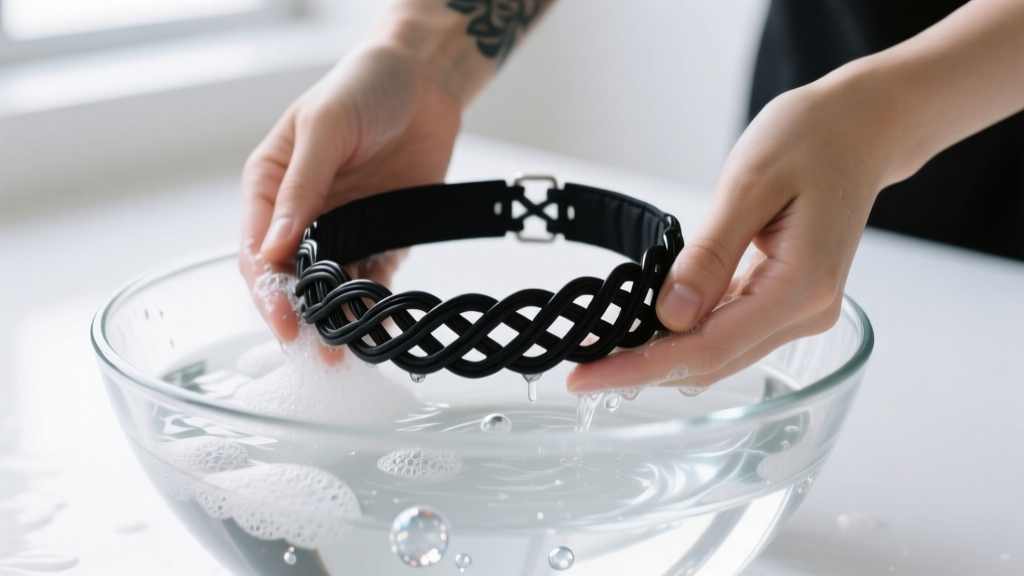
To safely remove biological buildup without destroying the polymer structure, avoid harsh detergents, alcohol, and hot water. Follow this precise cleaning method:
- Step 1: The Pre-Soak. Fill a glass bowl with lukewarm water (never exceeding 90°F or 32°C). Add three drops of pH-neutral baby shampoo. Baby shampoo is formulated to be gentle and lacks the heavy sulfates found in dish soaps that strip plastics of their natural flexibility.
- Step 2: Agitation. Submerge the elastic tattoo necklace. Gently massage the weave between your thumb and forefinger for 60 seconds, focusing on areas that rest directly against the pulse points of the neck where sweat accumulates.
- Step 3: The Rinse and Dry. Rinse thoroughly under cool, distilled water to prevent hard water mineral deposits from drying into the weave. Lay the choker flat on a microfiber towel. Never hang an elastic choker to dry, as the weight of the water will stretch the polymers beyond their elastic recovery point.
Part 2: Maintaining Metal Tattoo Motif Pendants
Material Breakdown: Sterling Silver vs. PVD Black Steel
Modern metal tattoo necklaces usually feature heavy, intricate pendants cast in either 925 sterling silver or 316L surgical stainless steel coated with black PVD (Physical Vapor Deposition). Understanding the metallurgy is critical for proper care. According to The Silver Institute, sterling silver is an alloy containing 92.5% pure silver and 7.5% copper. It is the copper that reacts with atmospheric sulfur and moisture to form copper sulfide—the black tarnish that obscures the fine details of a tattoo-motif casting.
Conversely, black PVD coatings are created in a vacuum chamber where titanium or zirconium nitrides are bonded to the steel at a molecular level. While highly scratch-resistant, PVD coatings can be destroyed by ultrasonic jewelry cleaners. The high-frequency cavitation bubbles generated by ultrasonic waves create micro-pitting in the PVD layer, causing the black finish to flake and peel. For expert insights on preserving specialized metal finishes, jewelers often refer to the Rio Grande Jewelry Care guidelines, which emphasize gentle, non-abrasive polishing for coated metals.
Safe Cleaning Agents by Material Profile
| Material Profile | Tarnish / Oxidation Risk | Recommended Cleaning Agent | Strictly Avoid |
|---|---|---|---|
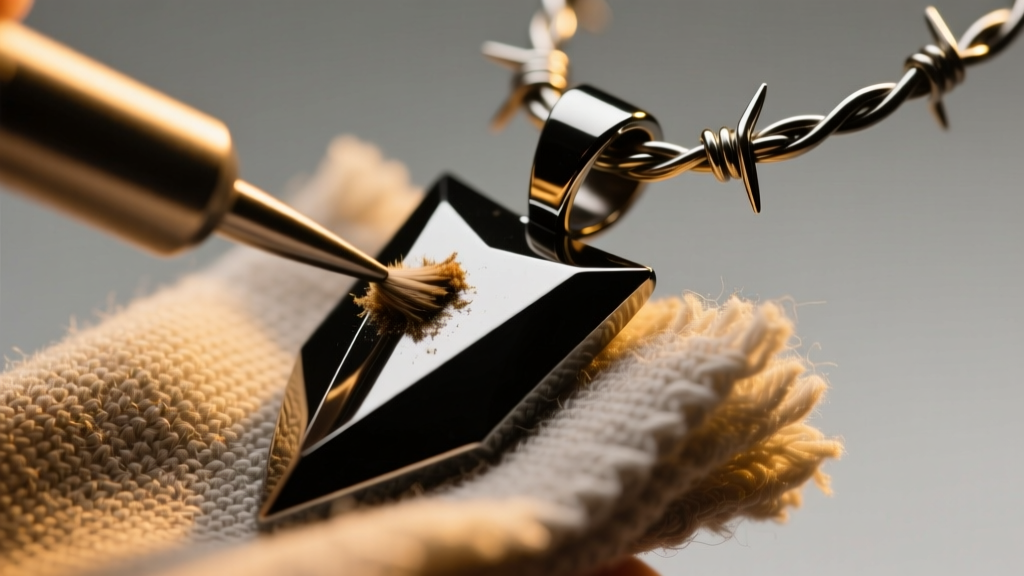
| 925 Sterling Silver | High (Copper Sulfide buildup) | Mild dish soap, warm water, and a soft-bristled baby toothbrush for crevices. | Chlorine, Bleach, Baking Soda pastes, Silver dip baths. |
| 316L Steel (Raw/Polished) | Very Low | Isopropyl alcohol (70%) on a cotton pad to remove skin oils. | Abrasive polishing cloths, steel wool. |
| Black PVD Coated Steel | None (but coating can chip) | Damp microfiber cloth with a drop of gentle soap. | Ultrasonic cleaners, Steamers, Silver polishing dips. |
Part 3: The Anatomy of the Clasp and Chain Maintenance
A common failure point in metal tattoo necklaces is the clasp mechanism. Many affordable pieces use base-metal spring ring clasps that contain a tiny internal steel spring. When exposed to the salt and acidity of sweat, this internal spring corrodes, causing the clasp to stick open or snap shut unpredictably, leading to lost pendants. If you are investing in a high-quality tattoo necklace, look for lobster clasps crafted entirely from 316L surgical steel or solid gold. To maintain the clasp hinge, apply a microscopic drop of synthetic watch oil using a toothpick once a year. Never use WD-40 or household lubricants, as these contain petroleum distillates that attract dust and degrade skin over time.
Proper Storage to Prevent Tangling and Tarnish
How you store your tattoo necklace is just as important as how you clean it. Elastic chokers should be stored flat in a drawer, away from direct sunlight and heat sources like radiators. Metal chains, particularly those with intricate tattoo pendants, are prone to knotting. Store them hanging vertically or laid completely flat in a lined jewelry box. For sterling silver pieces, include a 3M anti-tarnish strip and a small silica gel desiccant packet in the storage compartment. The desiccant controls ambient humidity, drastically slowing the chemical reaction that causes copper sulfide tarnish to form on your silver daggers and panther pendants.
Troubleshooting Common Tattoo Necklace Failures
- Elastic Won't Snap Back: This indicates irreversible heat damage. TPU loses its elastic memory when exposed to temperatures above 140°F (60°C), such as being left in a hot car or washed in hot water. The necklace must be replaced.
- Silver Pitting and White Spots: If your sterling silver tattoo necklace develops white, chalky spots, it has been exposed to chlorine (from swimming pools or hot tubs). This creates silver chloride, which eats into the metal. This cannot be polished out at home and requires professional buffing by a jeweler.
- PVD Coating Peeling: If the black finish on your barbed wire or safety pin pendant is flaking, it is likely due to friction against coarse clothing or improper ultrasonic cleaning. While the coating cannot be repaired at home, you can embrace the "distressed" grunge aesthetic or have a local jeweler apply a matte black rhodium plating over the exposed areas.
Conclusion
Whether you are rocking a nostalgic 90s plastic stretch choker or a heavy, gothic sterling silver dagger pendant, proper maintenance ensures your jewelry survives the elements. By respecting the specific chemical vulnerabilities of TPU polymers and silver alloys, you can keep your tattoo necklace looking sharp, hygienic, and structurally sound for years to come.


