Necklace Buying Guide: Ladies Necklace Styles & Fit
Master chain selection with our comprehensive ladies necklace buying guide. Learn about metal grades, clasp mechanics, and ideal lengths for any neckline.

The Anatomy of a Perfect Chain: Beyond Aesthetic Appeal
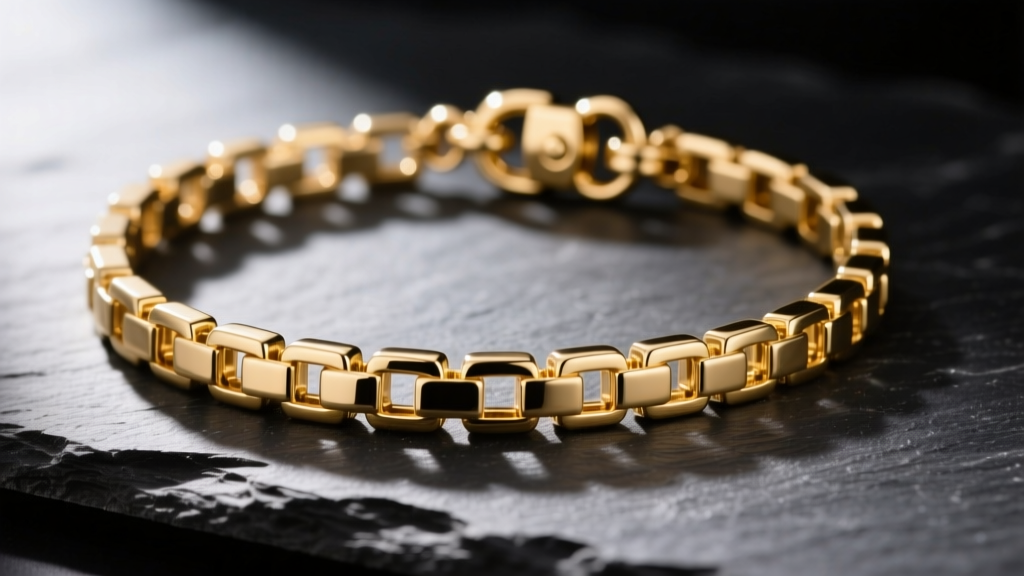
When evaluating a new necklace, ladies necklace buyers must look far beyond the display case aesthetics to understand the structural engineering beneath the shine. A chain is not merely a string of metal; it is a complex system of interlocking links subjected to constant torsion, friction, and tensile stress. In 2026, the market is saturated with ultra-delicate micro-chains that look beautiful but fail under the weight of even a modest pendant. To build a lasting jewelry collection, you must understand the mechanical differences between chain weaves and how they interact with your daily movements.
Tensile Strength and Snag Factors
Not all chains are created equal when it comes to durability. The Box Chain remains the undisputed champion for pendant suspension. Its square, interlocking links distribute weight evenly, offering exceptional tensile strength. A 1.5mm solid 14k gold box chain can safely support a 15-gram pendant without warping. Conversely, Rope Chains—while brilliant at catching the light due to their helical, twisted structure—are notorious for snagging on fine hair and knitwear. The torsion stress on a rope chain's soldered joints makes it more susceptible to snapping if pulled suddenly. Mariner Chains, characterized by their oval links and center stability bar, offer a rugged, twist-resistant alternative that lays flat against the skin, making them ideal for active lifestyles.
Material Science: Vermeil, Gold-Filled, and Solid Alloys
Understanding metal purity and plating standards is critical to avoiding premature tarnishing and allergic contact dermatitis. According to the Federal Trade Commission Jewelry Guides, strict definitions govern how metals can be marketed, yet confusing terminology still plagues the industry.
- Gold Vermeil: True vermeil requires a base of sterling silver (.925) plated with a minimum of 2.5 microns of solid gold (usually 14k or 18k). Anything less than 2.5 microns is considered standard gold plating and will wear through to the base metal within months of daily friction.
- Gold-Filled: This is a mechanical bonding process where a thick layer of solid gold (at least 1/20th of the total weight) is heat-bonded to a brass core. It is vastly superior to plating and can last decades, making it a smart investment for budget-conscious buyers who want solid gold aesthetics.
- Solid 14k vs. 18k: The Gemological Institute of America (GIA) notes that 18k gold (75% pure gold) offers a richer, warmer hue but is inherently softer. For chains that will bear heavy pendants or endure daily wear, 14k gold (58.5% pure gold) is vastly superior due to its higher copper and zinc alloy content, which significantly increases its yield strength and resistance to scratching.
The Engineering of Clasps: Where Necklaces Fail
The clasp is the most common point of catastrophic failure in any necklace. A chain might withstand twenty pounds of tensile force, but a poorly engineered clasp will pop open from a simple snag on a scarf.
Lobster Clasps: The industry standard for mid-weight chains. However, cast lobster clasps are prone to internal spring failure, and the lever can bend outward over time, compromising the closure. Always inspect the tension of the lever before purchasing.
Spring Ring Clasps: Common on delicate, lightweight chains. They are inexpensive to produce but notoriously difficult to operate one-handed. Furthermore, the tiny internal spring is highly susceptible to moisture-induced corrosion, leading to a clasp that refuses to snap shut.
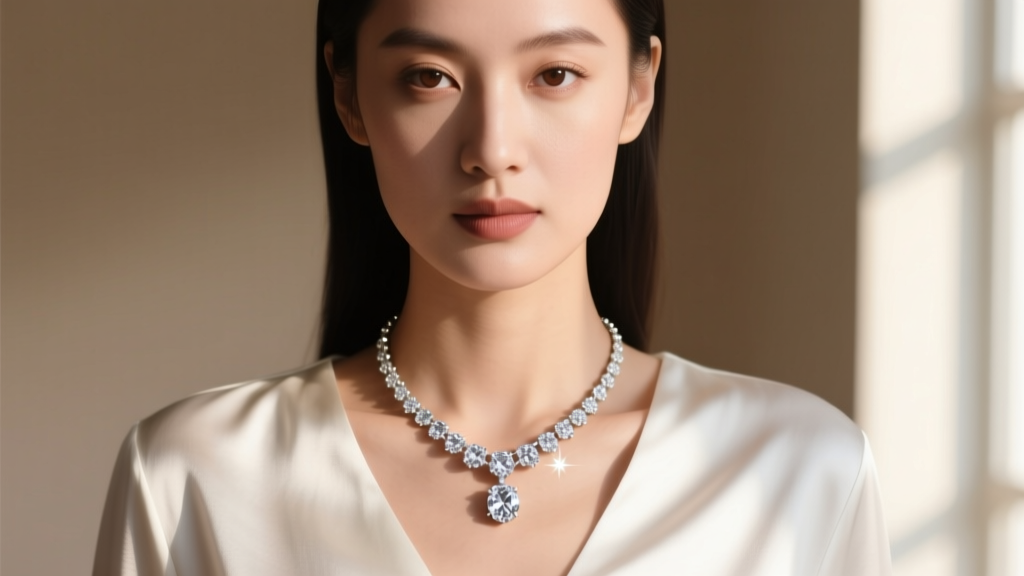
Box Clasps with Figure-8 Safeties: Mandatory for heavy chains, tennis necklaces, or high-value gemstone pieces. The box clasp uses a tensioned metal tongue that clicks securely into a recessed housing. The 'figure-8' safety is a secondary wire hinge that locks over the top of the box, ensuring that even if the primary tongue is compressed or fails, the necklace remains secured around the neck.
Length, Neckline, and Pendant Weight Matrix
Choosing the correct length is a matter of anatomical proportion and wardrobe compatibility. The standard 'one-size-fits-all' 18-inch chain does not work universally. Below is a structural guide to matching chain length, neckline, and pendant scale.
| Length Category | Measurement | Ideal Neckline Pairing | Pendant Weight Limit (14k Solid) |
|---|---|---|---|
| Collar | 12" - 14" | Off-shoulder, Boatneck, V-Neck | Max 5g (Delicate pendants only) |
| Choker | 15" - 16" | Crew neck, Scoop neck, Open collar | Max 8g (Small solitaires) |
| Princess | 17" - 19" | Almost any, especially high necklines | Up to 20g (Standard pendants) |
| Matinee | 20" - 24" | Business attire, Turtlenecks, Plunging V | Up to 35g (Statement pieces) |
| Opera | 28" - 36" | Evening wear, Deep V, Layering base | N/A (Typically worn without pendants) |
The Golden Ratio of Pendant Suspension
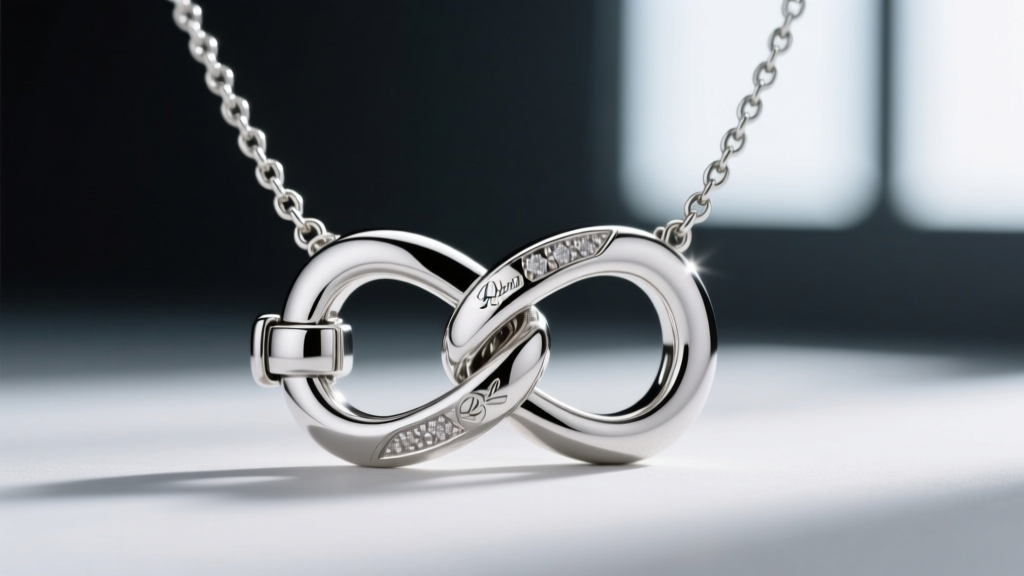
A critical, often overlooked rule in necklace styling and structural integrity is the pendant-to-chain weight ratio. A chain should never be overburdened. As a general horological and jewelry-making rule, the chain's tensile rating should exceed the pendant's weight by a factor of three to account for dynamic movement (e.g., bending over, sudden stops). If you are mounting a heavy 15-gram solid gold or gemstone pendant, pairing it with a flimsy 0.9mm cable chain will inevitably result in link elongation and eventual snapping. Always opt for a 1.5mm to 2.0mm box or wheat chain to ensure the focal point remains secure and the metal does not suffer from fatigue stress.
Final Verdict: Building a Core Collection
Investing in the right necklace requires a synthesis of aesthetic preference and mechanical pragmatism. Start your collection with an 18-inch, 1.5mm solid 14k gold box chain equipped with a robust lobster clasp. This single piece offers the versatility to layer with shorter chokers or to suspend a meaningful, moderate-weight pendant securely. By prioritizing metal thickness, understanding plating standards, and respecting the engineering limits of clasps, you ensure that your jewelry transcends fleeting trends and becomes a lasting, wearable asset.


