What Are the Necklaces on Naked and Afraid? Survival Jewelry Guide
Discover what are the necklaces on Naked and Afraid. Our buying guide covers survival pendants, paracord specs, and tactical jewelry.

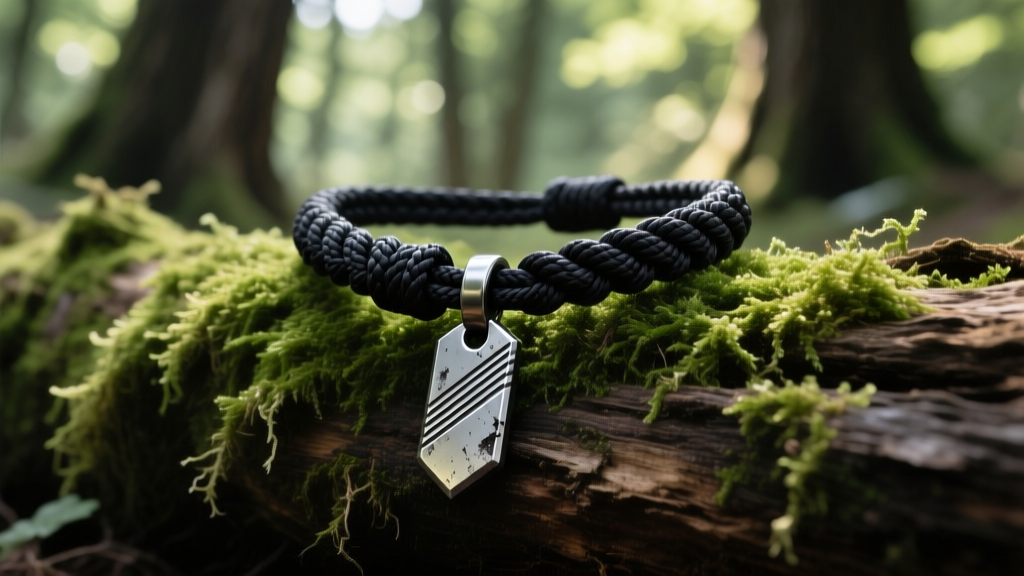
When contestants are dropped into the most unforgiving environments on Earth with absolutely nothing, one crucial exception is made: a single personal item. For viewers tuning in to the hit survival series, a common search query emerges: what are the necklaces on Naked and Afraid? While some participants opt for sentimental keepsakes, wedding rings, or religious medals, the most seasoned survivalists strategically choose tactical survival necklaces. These aren't just fashion statements; they are life-saving tools disguised as jewelry, offering hands-free utility in extreme conditions.
In this comprehensive buying guide, we decode the exact specifications, material grades, and tactical advantages of the survival necklaces seen on television. Whether you are building a wilderness-ready pendant or shopping for a tactical gift, here is exactly what to look for regarding materials, weave structures, and functional payloads.
The "One Item" Rule: Why Survival Necklaces Dominate
The premise of the show dictates that participants may bring only one personal item, provided it fits in a small bag and offers no unfair advantage (like a pre-packed survival kit). Necklaces dominate the meta for three distinct reasons:
- Concealment and Security: Worn under clothing or tucked against the chest, a necklace is less likely to be lost in dense brush or confiscated by producers compared to a pocket knife or belt tool.
- Constant Access: In a survival scenario, losing your gear means losing your lifeline. A necklace remains tethered to your body while swimming, foraging, or sleeping.
- Multi-Functionality: A well-designed survival necklace combines cordage, cutting tools, and fire-starting capabilities into a single, lightweight footprint.
Decoding the Gear: What Are the Necklaces on Naked and Afraid?
If you pause the show and analyze the gear, you will notice that "survival jewelry" generally falls into three distinct categories. Understanding these categories is the first step in choosing the right configuration for your own wilderness excursions.
1. The Paracord & Ferro Rod Combo
The most common tactical necklace features a hand-woven paracord lanyard terminating in a thick ferrocerium (ferro) rod. This provides the wearer with up to 25 feet of high-tensile cordage and thousands of fire-starting strikes. The cord itself can be unraveled to provide inner yarns for fishing line, sutures, or snare wire.
2. The Water Purification Capsule
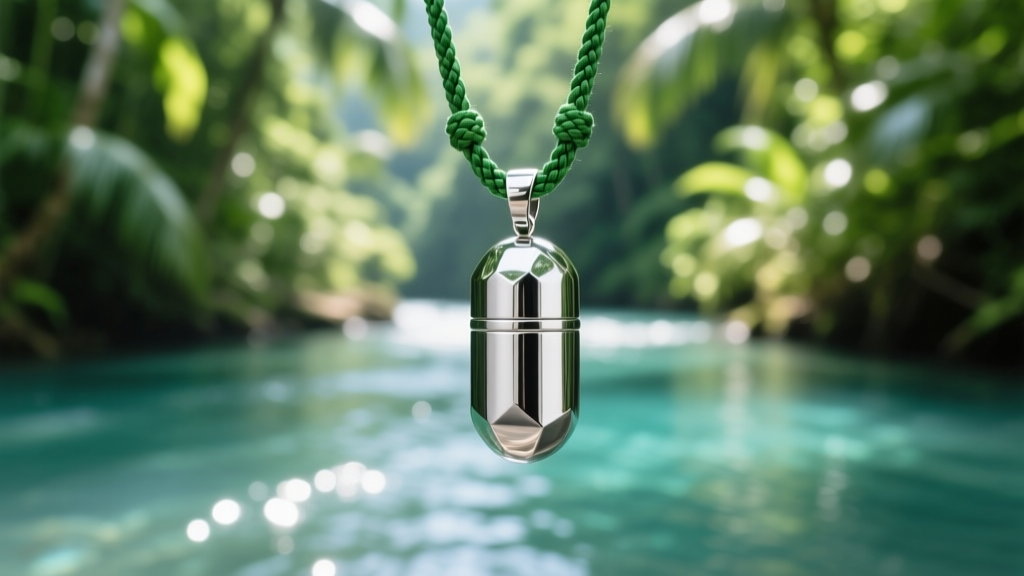
In jungle or swamp environments where waterborne pathogens like giardia and cryptosporidium are prevalent, contestants often wear a hollow, screw-top titanium capsule pendant. Inside, they store a tightly rolled strip of chlorine dioxide water purification tablets. This ensures they can safely drink from stagnant pools without boiling, saving crucial calories and time.
3. The Multi-Tool Pendant
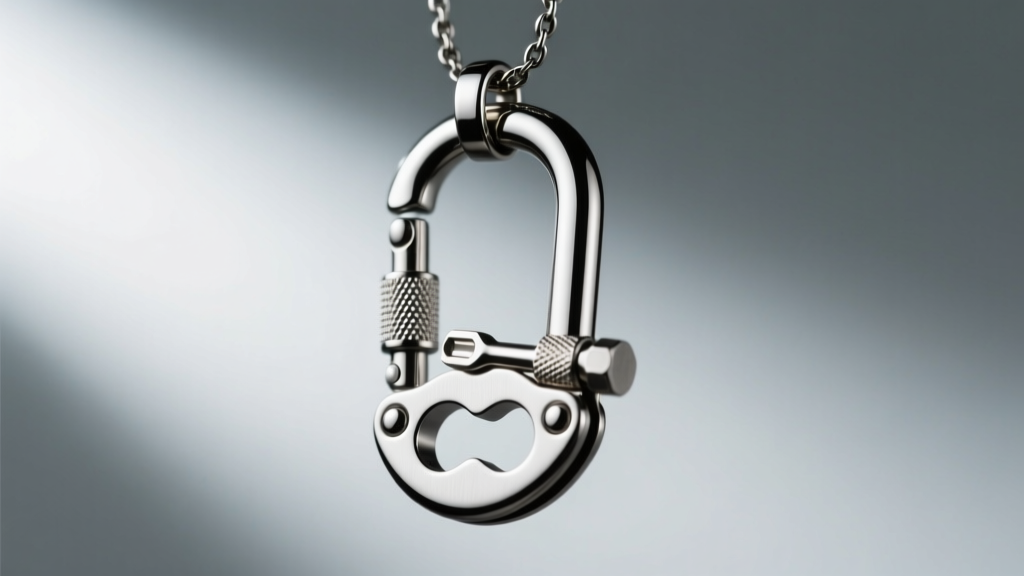
Some survivalists opt for a solid piece of stamped stainless steel or titanium shaped like a dog tag or carabiner, featuring integrated hex wrenches, a scoring edge, a small Phillips head driver, and a bottle opener. While less critical for raw survival, the scoring edge can be used to strike a ferro rod or process small game.
Material Grades & Durability: What to Look For
When shopping for a survival necklace, material integrity is non-negotiable. A clasp failure or cord snap in the Amazon basin can cost you your only fire starter. According to REI's survival gear guidelines, prioritizing military-spec materials ensures your gear won't fail when exposed to saltwater, sweat, and extreme humidity.
Cordage Specifications
Do not settle for generic "paracord." You must look for MIL-C-5040H Type III (550 Cord). Genuine Mil-Spec 550 cord is made from nylon 6,6 and contains exactly 7 to 9 inner yarns, each composed of 3 core strands. It boasts a minimum breaking strength of 550 pounds. Cheaper commercial alternatives often use 5 inner yarns and polyester blends that melt and snap under heavy load or UV exposure.
Pendant Metallurgy
For the pendant or capsule, Grade 5 Titanium (Ti-6Al-4V) is the gold standard. It is incredibly lightweight, non-magnetic, and 100% impervious to rust, making it ideal for ocean or swamp environments. If titanium is out of your budget, 316L Marine-Grade Stainless Steel is an acceptable alternative, though it requires occasional wiping to prevent surface oxidation in high-salinity environments.
The Fire Starter Pendant: Ferrocerium Rod Specs
The ferrocerium rod is the crown jewel of the tactical necklace. Often referred to as "mischmetal," these rods are an alloy of iron, cerium, lanthanum, and magnesium. When scraped with a hard edge, they shed microscopic metal shards that instantly oxidize, creating sparks that burn at roughly 3,000°C (5,432°F).
When buying a ferro rod necklace, pay close attention to the diameter. A standard 1/8-inch rod is too thin and brittle for heavy wilderness use; it will snap under the pressure of a desperate strike. Look for a minimum thickness of 5/16-inch (8mm). Additionally, ensure the rod is uncoated or only lightly coated in a protective oil that can be scraped off. Painted ferro rods will fail to spark until you waste precious strikes removing the paint layer.
Comparison Chart: Top Survival Necklace Configurations
To help you decide which tactical necklace fits your specific survival philosophy, we have compiled a breakdown of the most popular configurations seen in the field and on television. For more tactical equipment reviews, consult resources like Outdoor Life's tactical gear section.
| Configuration | Primary Utility | Weight | Est. Price Range |
|---|---|---|---|
| Cobra Weave + 5/16" Ferro Rod | Fire starting, emergency cordage | 3.5 oz | $25 - $45 |
| Titanium Capsule + Chlorine Dioxide | Water purification, secure storage | 1.2 oz | $35 - $60 |
| 316L Steel Multi-Tool Tag | Minor repairs, striking, prying | 2.0 oz | $15 - $30 |
| King Cobra Weave + Compass Bead | Navigation, heavy-duty towing/lashing | 5.0 oz | $40 - $75 |
Clasp Mechanisms and Failure Points
The weakest point of any necklace is the clasp. In a survival scenario, you may need to remove the necklace quickly with cold, numb fingers, or it may get snagged on a branch. Avoid standard jewelry lobster clasps; they are prone to spring failure and corrosion.
- Screw-Lock Titanium Beads: The most secure option. The paracord is fed through two threaded titanium beads that screw together tightly. They will never accidentally open, but require two hands to remove.
- Paracord Side-Release Buckles: Woven directly into the cobra stitch, these 3/8-inch plastic buckles allow for one-handed removal. However, the plastic can become brittle in extreme cold or degrade under intense UV exposure over several years.
- The Melt-Splice: Many survivalists skip clasps entirely, weaving the necklace to a fixed length and melting the ends together with a butane lighter. This creates a permanent, fail-proof loop that must be cut off in an emergency.
Sentimental vs. Tactical: Making Your Choice
While tactical gear dominates the conversation, it is vital to acknowledge the psychological toll of wilderness survival. Many contestants on the show bring a simple silver chain holding a wedding band, a child's birthstone, or a religious medal. From a purely physical standpoint, these items offer zero survival utility. However, from a psychological standpoint, they serve as an anchor to reality and a powerful motivator to endure starvation, insect swarms, and isolation. If you are assembling a personal item kit for a real-world expedition, balancing a tactical fire-starter necklace with a secondary sentimental token (if rules permit) can provide a crucial mental edge when morale plummets.
Maintenance and Care in Extreme Environments
Even the best survival jewelry requires basic maintenance. After exposure to saltwater or heavy sweat, rinse your paracord in fresh water to prevent the nylon fibers from degrading and developing a foul odor. For ferrocerium rods, wipe them dry and apply a micro-thin layer of mineral oil to prevent the mischmetal from oxidizing and flaking apart in humid environments. By treating your tactical necklace as a vital piece of life-saving equipment rather than a mere accessory, you ensure it will perform flawlessly when the stakes are at their highest.


