2026 Gift Guide: The Ultimate Double Heart Necklace Silver
Discover the perfect double heart necklace silver gift for any occasion in 2026. Expert tips on silver grades, chain lengths, and styling for loved ones.

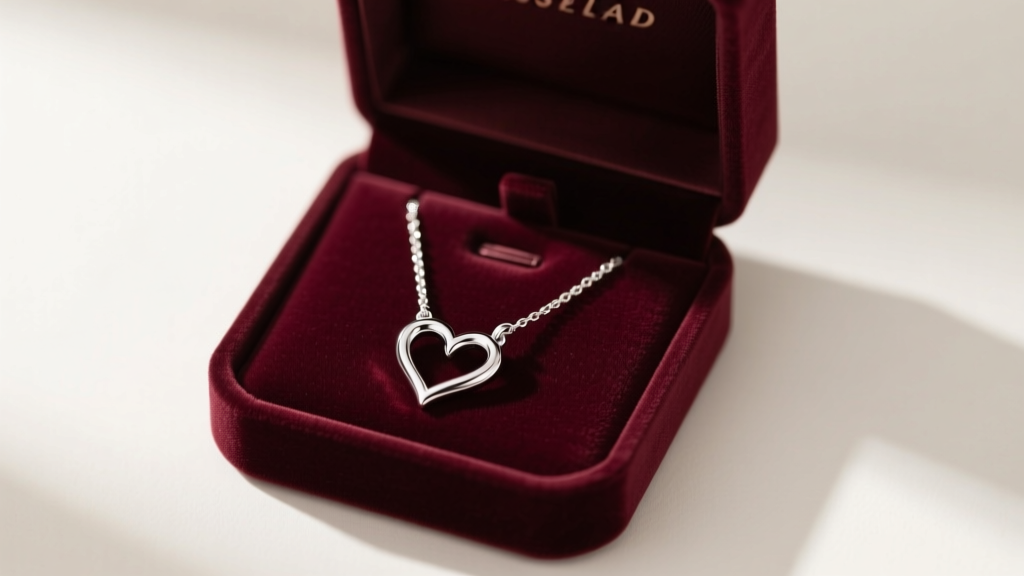
Gifting jewelry is an exercise in emotional translation. You are not just handing over metal and stone; you are offering a tangible symbol of a relationship. In 2026, the double heart necklace silver category remains one of the most sought-after gift choices, bridging the gap between everyday wearability and profound sentimental value. Whether representing a romantic bond, a mother-daughter connection, or an unbreakable friendship, the dual-heart motif speaks volumes without saying a word.
However, the market is saturated with varying qualities of silver, chain styles, and craftsmanship. To ensure your gift stands the test of time, you must look beyond the display case and understand the metallurgy, mechanics, and styling nuances of these pieces. This comprehensive guide will equip you with the expert knowledge needed to select a flawless silver double heart necklace for your intended recipient.
Decoding Silver Grades: What You Are Actually Gifting
Not all silver is created equal. When purchasing a double heart necklace silver piece, understanding the alloy composition is critical for longevity and skin safety. According to The Silver Institute, pure silver is too malleable for daily-wear jewelry, necessitating the use of specific alloys.
- 999 Fine Silver: Composed of 99.9% pure silver. While it has a brilliant, icy-white luster and is highly hypoallergenic, it ranks at just 2.5 to 3 on the Mohs hardness scale. It will scratch, bend, and lose its shape if used for interlocking pendants. Avoid this for heart pendants.
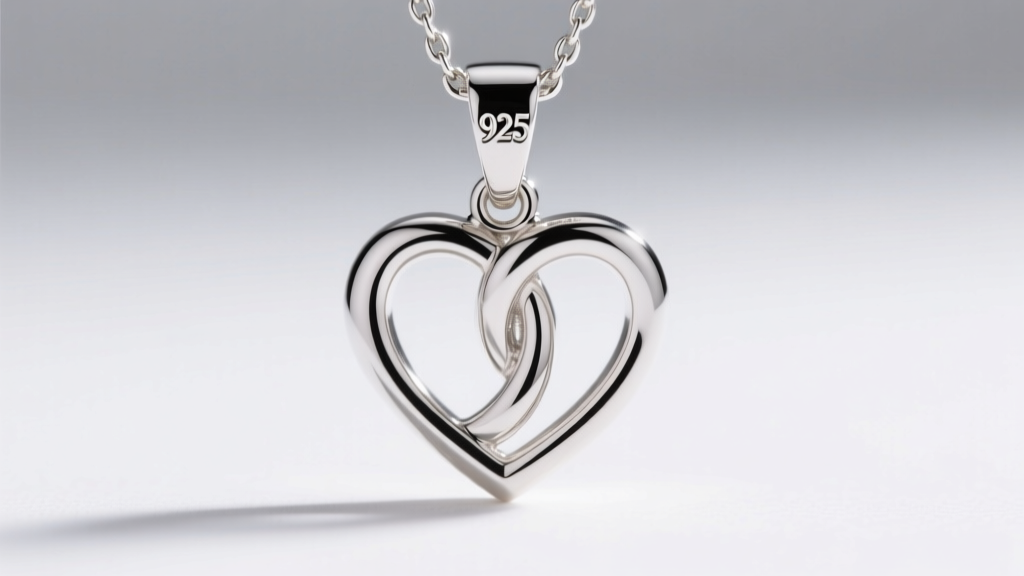
- 925 Sterling Silver: The industry standard. It contains 92.5% silver and 7.5% alloy metals (usually copper). This increases the hardness to a wearable 3.5 to 4 on the Mohs scale. It is durable enough to hold intricate heart engravings and interlocking mechanisms.
- Argentium Silver (960): The premium 2026 upgrade. Argentium replaces some of the copper with germanium. This virtually eliminates firescale during manufacturing and makes the silver highly tarnish-resistant. If your recipient hates polishing jewelry, an Argentium double heart pendant is the ultimate luxury choice.
Expert Tip: Always look for a rhodium flash plating over 925 sterling silver. Rhodium is a platinum-group metal that provides a brilliant, mirror-like finish and acts as a barrier against the sulfur in the air that causes silver to tarnish.
The Anatomy of the Perfect Chain Pairing
A pendant is only as good as the chain that holds it. The wrong chain can cause a double heart pendant to flip upside down constantly or break under the pendant's weight. Here is a structural breakdown of chain styles and lengths to match the recipient's wardrobe.
| Chain Style | Durability & Mechanics | Best Pendant Pairing |
|---|---|---|
| Box Chain | Highly durable; square links interlock tightly. Resists kinking. | Heavier, solid-cast double hearts. Provides a modern, geometric contrast. |
| Cable Chain | Moderate durability; classic oval links. Can snag on hair if links are thin. | Delicate, minimalist side-by-side hearts. Offers a traditional, romantic look. |
| Rolo Chain | Very strong; thick, round, uniform links. Excellent weight distribution. | Chunky, textured, or enamel-filled heart pendants. |
| Wheat (Spiga) Chain | Exceptional strength; woven, directional links. Virtually unbreakable. | Intricate interlocking hearts with diamond or CZ accents. |
Length and Neckline Matching
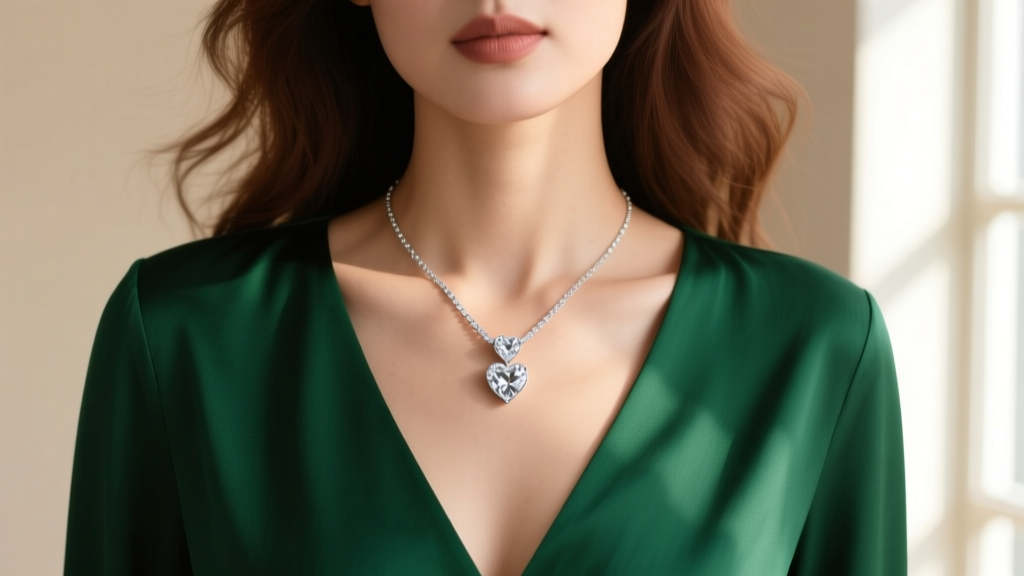
The standard lengths for women's necklaces are 16 inches (choker/collarbone), 18 inches (princess/base of neck), and 20 inches (matinee/cleavage). For a double heart pendant, an 18-inch chain is the most versatile gift, allowing the hearts to rest perfectly on the sternum, visible above most crewnecks and scoop necks. If the recipient favors deep V-necks or business blazers, opt for a 20-inch chain.
Occasion Matching: The Symbolism of the Double Heart
The specific design of the two hearts should reflect the nature of your relationship. In 2026, jewelers are moving away from generic motifs toward highly intentional, narrative-driven designs.
1. Romantic Anniversaries: The Interlocking Heart
For partners, the interlocking double heart (resembling a puzzle or infinity knot) symbolizes two lives inextricably bound. Look for pendants where the two hearts are cast as a single, continuous piece of metal rather than two separate pieces hooked together, which can rub against each other and cause premature wear.
2. Mother’s Day & Family: The Heart-Within-A-Heart
A larger outer heart framing a smaller, solid inner heart is the quintessential mother-child motif. For a personalized touch, seek out designs that allow for a flush-set birthstone (like a 2mm round cubic zirconia or sapphire) in the center of the smaller heart.
3. Milestones & Graduations: The Openwork Silhouette
For a younger recipient or a professional milestone, heavy sentimentality might feel overwhelming. An openwork (hollowed-out) double heart silhouette offers a sleek, architectural, and modern aesthetic that pairs beautifully with contemporary, minimalist fashion.
The 2026 Buyer’s Checklist: Quality Control
Before finalizing your purchase, run the piece through this jeweler's inspection checklist to ensure you are getting a high-quality artifact.
- Verify the Hallmarks: The Federal Trade Commission mandates that if a piece is stamped with a quality mark like '925', it must also bear a registered maker's mark (a trademark or symbol identifying the manufacturer). A '925' stamp without a maker's mark is a red flag for unverified overseas mass-production.
- Inspect the Bail: The bail (the loop connecting the pendant to the chain) must have an inner diameter large enough to accommodate the chain. If you are buying a 1.5mm box chain, the bail opening must be at least 2.5mm to allow the pendant to slide freely and lay flat.
- Evaluate the Clasp: Avoid spring-ring clasps on chains wider than 1.2mm; the internal tension springs are notoriously weak and prone to snapping. Insist on a lobster claw clasp, which features a solid internal mechanism and a secure, spring-loaded gate.
- Check the Weight Distribution: Hold the chain by the clasp and let the pendant hang. If the pendant immediately flips backward, the bail is positioned incorrectly or the top of the hearts is too heavy. A well-engineered pendant will hang face-forward naturally.
Pricing Tiers: What to Expect in 2026
Understanding the market pricing will protect you from overpaying for subpar materials or underestimating the cost of true craftsmanship. Jewelers of America notes that labor and precision-casting costs have risen, shifting the baseline for quality jewelry.
- The Budget Tier ($35 - $80): Expect hollow-backed pendants (which dent easily), thin 1mm cable chains, and spring-ring clasps. Suitable for casual gifting or teenagers, but not meant for lifelong daily wear.
- The Mid-Tier ($90 - $250): The sweet spot for gifting. This tier includes solid-cast 925 sterling silver, rhodium plating, sturdy 1.5mm box or rolo chains, lobster clasps, and high-quality AAA-grade cubic zirconia accents. Brands like Mejuri and Pandora dominate this space.
- The Luxury Tier ($300 - $800+): Here you enter the realm of designer jewelry (e.g., David Yurman, Tiffany & Co.). You are paying for Argentium silver, 18k gold vermeil accents, genuine diamond pavé, and exceptional brand heritage and packaging.
Final Gifting Advice: The Presentation
When gifting a double heart necklace silver piece, presentation elevates the experience. Silver is highly reactive to humidity and sulfur. Do not gift the necklace in a standard cardboard or velvet box if it will be stored there long-term, as the glues and dyes in cheap boxes can accelerate tarnishing. Instead, present the necklace in an anti-tarnish cloth pouch (impregnated with silver nitrate or zinc salts) placed inside a high-quality presentation box. Include a small, treated silver polishing cloth as a thoughtful accessory, ensuring your gift remains as brilliant as the day it was opened.


