The Dragonbone Necklace Trend: 2026 Fantasy Core Guide
Discover the 2026 dragonbone necklace trend. We analyze the dragonbone chainmaille weave, carved fantasy pendants, materials, and styling.

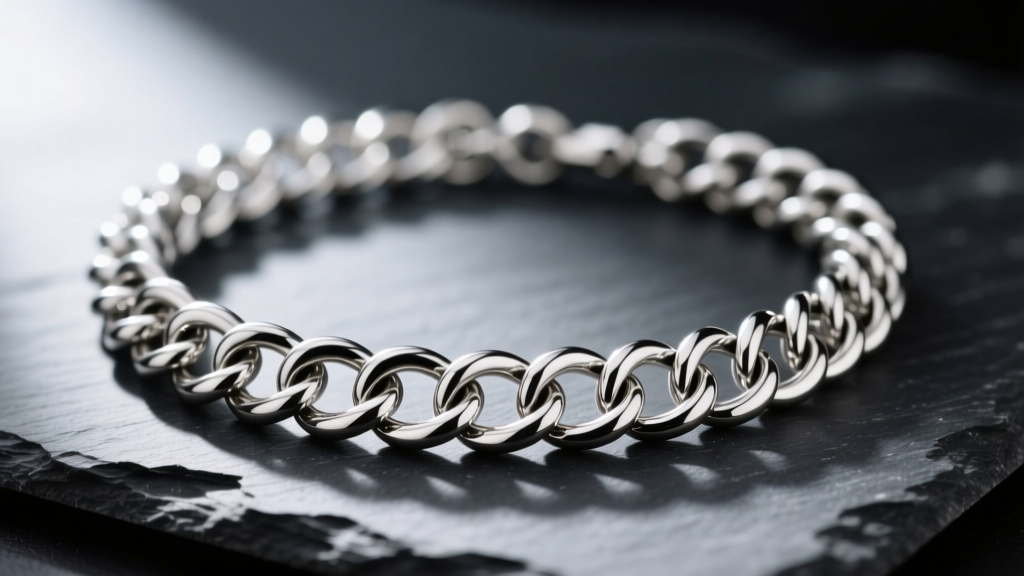
The intersection of dark academia, gothic revival, and high-fantasy aesthetics has birthed one of the most compelling jewelry movements of 2026: the dragonbone necklace. Far from a mere costume accessory, the modern dragonbone necklace represents a masterclass in structural metalwork and ethical material sourcing. Whether you are exploring the intricate geometry of the dragonbone chainmaille weave or the organic textures of carved fantasy pendants, understanding the technical nuances of this trend is essential for both collectors and stylists.
The Anatomy of the Dragonbone Necklace Trend
When jewelers and trend forecasters refer to a "dragonbone necklace," they are typically categorizing two distinct but complementary design pillars. The first is structural, relying on the mathematical precision of chainmaille. The second is sculptural, relying on the organic porosity of ethically sourced bone or advanced resin casting. Both pillars share a common visual language: skeletal articulation, spinal fluidity, and a distinctly mythic silhouette.
Pillar 1: The Dragonbone Chainmaille Weave
The Dragonbone weave is a highly advanced variation of the traditional Byzantine chainmaille pattern. According to the Maille Artisans International League (MAIL), achieving a true Dragonbone structure requires strict adherence to specific Aspect Ratios (AR). The AR is the mathematical relationship between the inner diameter of the jump ring and the thickness of the wire. For a fluid, non-rigid Dragonbone chain that mimics the articulation of a spine, artisans typically use an AR of 5.2 for the primary rings.
In practical terms, this means a jeweler will use 16 AWG (American Wire Gauge) wire, which is roughly 1.29mm thick, and wrap it around a mandrel to create jump rings with a 5/16-inch (7.94mm) inner diameter. The weave incorporates alternating sequences of single and double ring connections, creating a raised, textured "ridge" that runs down the center of the chain, flanked by interlocking "ribs." This structural density makes the chain remarkably heavy and durable, but it also demands precision cutting—often utilizing a jeweler's saw rather than wire cutters to ensure a flush kerf (the cut line) so the rings close seamlessly.
Pillar 2: Carved & Cast Fantasy Pendants
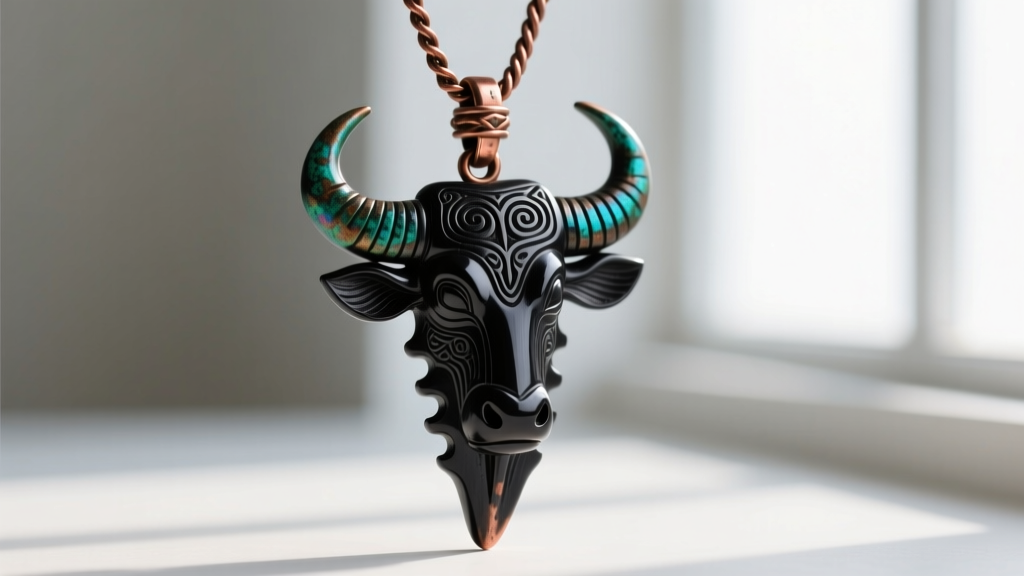
The sculptural pillar of the trend focuses on pendants designed to resemble dragon vertebrae, ribs, or claws. In 2026, the industry has largely pivoted away from synthetic plastics in favor of ethically sourced organic materials and lost-wax cast metals. Water buffalo bone (Bubalus bubalis), sourced as a byproduct of the agricultural food industry, has become the gold standard for carved dragonbone pendants. Artisans bleach, tea-stain, or pressure-dye the porous bone to achieve everything from aged ivory to obsidian black finishes.
Material Grades & Sourcing Ethics in 2026
Choosing the right material for a dragonbone necklace dictates not only its price point but its longevity and skin-reactivity. Because the Dragonbone chainmaille weave traps moisture and oils within its dense interlocking rings, material selection is critical to prevent localized corrosion or skin irritation.
| Material | Durability & Tarnish Profile | Avg. Price Range | Best Application |
|---|---|---|---|
| Grade 5 Titanium (Ti-6Al-4V) | Extreme; zero tarnish, hypoallergenic | $400 - $1,200 | Heirloom chainmaille weaves, daily wear |
| Sterling Silver (925) | High; prone to sulfur tarnish in crevices | $250 - $800 | Everyday fantasy chains, formal gothic attire |
| Silicon Bronze | Moderate; develops a rich, dark patina | $120 - $350 | Rustic, oxidized dragon scale aesthetics |
| Carved Buffalo Bone | Low; highly porous, degrades in water | $40 - $150 | Vertebrae & claw pendants, lightweight layering |
For those with nickel sensitivities, Grade 5 Titanium is the undisputed champion. However, titanium is notoriously difficult to work-hardening and requires specialized saw blades to cut the jump rings. Sterling silver remains the most popular choice for its brilliant luster, though the dense nature of the Dragonbone weave means the interior of the rings will oxidize faster than the exterior, creating a natural, high-contrast antiqued look that many dark fantasy enthusiasts actively seek out.
Styling Framework: Necklines & Layering
The visual weight of a dragonbone necklace demands strategic styling. Because the chainmaille weave is inherently three-dimensional and casts micro-shadows, it can easily overwhelm delicate fabrics or compete with busy patterns.
- The V-Neck Anchor: A 20-to-22-inch Dragonbone chain perfectly traces the geometry of a deep V-neckline. The skeletal ridge of the chain acts as a visual arrow, drawing the eye downward and elongating the neck.
- The Turtleneck Contrast: For autumn and winter, draping a heavy silicon bronze or oxidized silver Dragonbone chain over a fitted, charcoal or black merino wool turtleneck creates a striking textural contrast. The metallic articulation pops against the matte, soft knit.
- Layering Protocol: Never layer a Dragonbone chain with another heavy structural chain (like a Cuban link or a thick Rope chain). Instead, pair a 16-inch Dragonbone choker with a 24-inch, ultra-delicate 18k gold or silver box chain featuring a single, small carved bone talon pendant. This creates depth without visual clutter.
"The 2026 dark fantasy trend isn't about wearing a costume; it's about integrating mythic architecture into modern minimalism. A well-crafted Dragonbone weave acts as wearable armor—subtle enough for a boardroom, but intricate enough to spark a conversation." — Contemporary Jewelry Trend Forecast, Q1 2026

Care & Maintenance for Intricate Weaves
Maintaining a dragonbone necklace requires abandoning standard jewelry cleaning shortcuts. The Gemological Institute of America (GIA) frequently warns against using ultrasonic cleaners for porous materials and complex mechanical structures.
For carved bone pendants, ultrasonic vibrations can cause micro-fractures along the natural grain of the bone, and the liquid bath will permanently stain or warp the organic material. Instead, wipe bone pendants with a slightly damp microfiber cloth and occasionally treat them with a microscopic drop of mineral oil to prevent desiccation and cracking.
For Dragonbone chainmaille, the tight tolerances of the interlocking rings can trap ultrasonic cleaning solutions, leading to hidden moisture that accelerates tarnish or causes skin irritation upon wearing. The correct cleaning protocol involves soaking the chain in a warm bath of distilled water and a few drops of pH-neutral dish soap. Use a soft-bristled makeup brush to gently agitate the crevices between the "ribs" of the weave. Rinse thoroughly with distilled water, and crucially, use a hair dryer on a cool setting to force moisture out of the microscopic gaps between the jump rings before storing it in an anti-tarnish cloth pouch.
Final Verdict: An Investment in Articulation
The dragonbone necklace has transcended its niche origins to become a staple of avant-garde and fantasy-core styling in 2026. Whether you opt for the mathematical brilliance of a hand-woven titanium chainmaille collar or the raw, tactile energy of a carved buffalo bone vertebra pendant, you are investing in a piece of wearable sculpture. By prioritizing correct Aspect Ratios in chainwork and ethical sourcing in organic materials, you ensure your dragonbone necklace remains a resilient, striking artifact for decades to come.


