Resin Necklace Trends 2026: Styling Eco-Epoxy Pendants
Discover 2026 resin necklace trends, from bio-epoxy materials to styling encapsulated pendants. Expert tips on hardness, care, and layering.

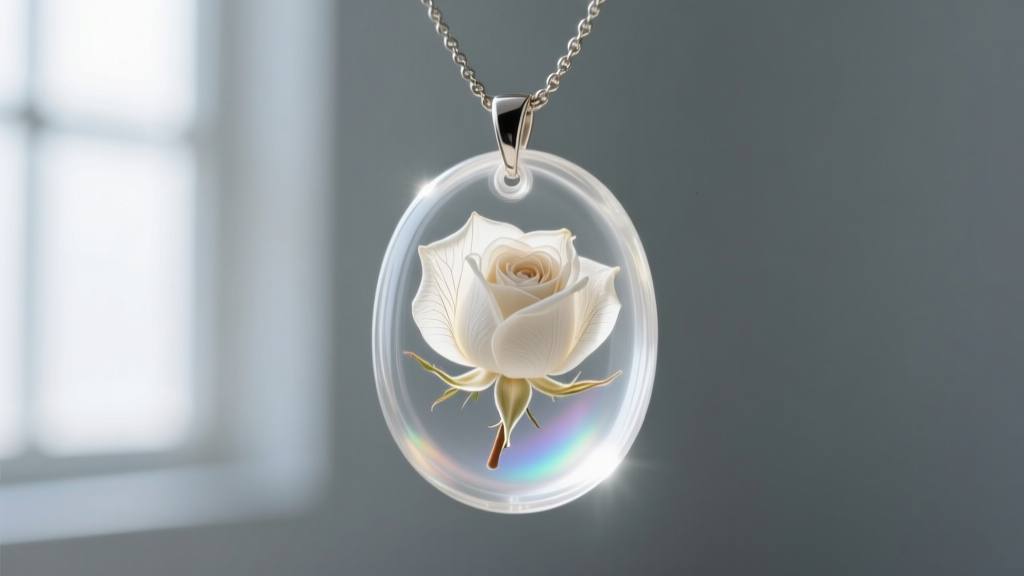
The resin necklace has undergone a radical transformation. Once relegated to festival souvenirs and cheap mall kiosks, the 2026 landscape of artisanal neckwear is defined by high-performance bio-epoxies, advanced encapsulation techniques, and architectural silhouettes. As sustainable fashion dictates market movements, the resin necklace has emerged as a serious canvas for both eco-conscious innovation and avant-garde styling. No longer just a budget alternative to glass or gemstones, modern resin pendants are engineered materials that demand specific care, precise hardware pairings, and an understanding of polymer chemistry.
The Material Shift: Bio-Resin vs. Traditional Epoxy
The most significant evolution in the 2026 resin necklace market is the departure from petroleum-based epoxies toward bio-resins. Formulated with bio-based carbon—often derived from pine sap, cashew nut shell liquid, or epoxidized soybean oil—these eco-epoxies drastically reduce volatile organic compound (VOC) emissions during the curing process. According to the EPA Green Chemistry initiatives, the shift toward bio-based polymers is one of the most critical developments in sustainable manufacturing this decade.
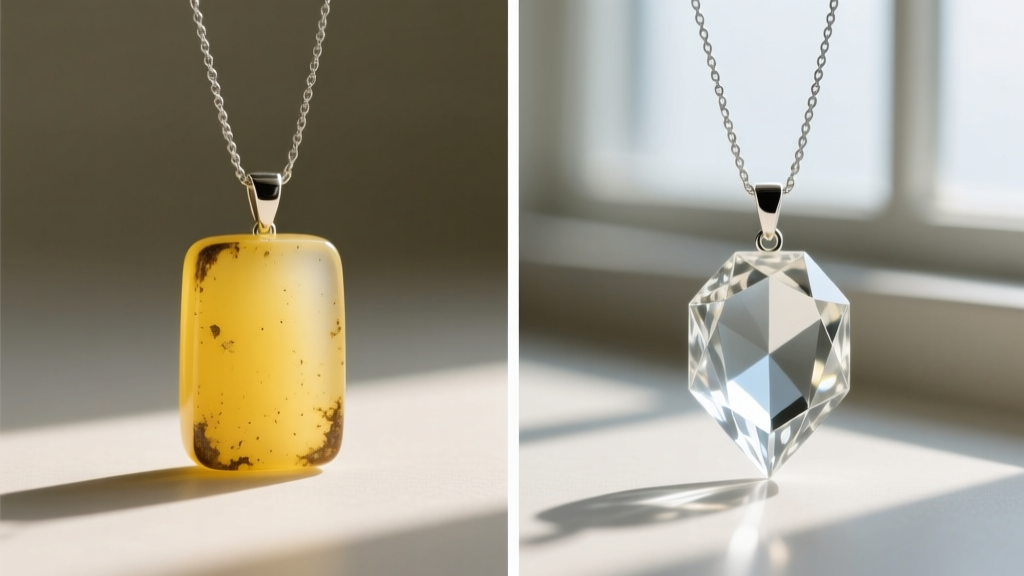
However, not all resins are created equal when it comes to jewelry wearability. A high-quality resin necklace must possess a Shore D hardness rating of 80 to 85. Anything lower (like the 65-70 range found in mass-produced imports) will suffer from micro-scratches, clouding, and edge-chipping within months of friction against clothing or zippers. Furthermore, jewelry-grade resins must be formulated with HALS (Hindered Amine Light Stabilizers) and UVA (Ultraviolet Absorbers) to combat the inevitable yellowing caused by UV exposure. As noted by the experts at Resin Obsession, even the clearest epoxy will amber over time if it lacks these critical chemical stabilizers.
2026 Aesthetic Trends: Beyond the Glitter
The era of suspending cheap plastic glitter in resin is over. Today's luxury and indie artisans are treating the resin necklace as a fine jewelry medium, utilizing advanced inclusions and optical techniques.
Terrazzo 2.0 and Mineral Inclusions
Instead of synthetic sparkle, 2026's top designers are embedding crushed malachite, recycled brass flakes, raw lapis lazuli dust, and tumbled sea glass. This creates a 'Terrazzo 2.0' effect that mimics high-end stone inlay work but at a fraction of the weight. Because resin has a specific gravity of roughly 1.1 to 1.2 (compared to glass at 2.5), a massive 60mm terrazzo resin pendant will weigh under 35 grams, making it comfortable for all-day wear without straining the neck.
Scientific Botanical Encapsulation
Encapsulating flowers in a resin necklace is notoriously difficult; organic matter contains moisture that leads to rot, browning, and trapped air bubbles. Top-tier artisans now employ a rigorous 48-hour silica gel desiccation process to drop the moisture content of petals below 8%. Following this, the botanicals are sealed with a micro-thin layer of UV-cured resin before the final deep-pour epoxy bath. This base coat prevents 'outgassing'—the release of trapped air from porous plant tissues that causes cloudy halos around the petals.
Dichroic Film Suspensions
Borrowing from aerospace and photography, dichroic glass films are being suspended in clear resin blocks. These pendants shift color dynamically based on the angle of ambient light and the wearer's movement, creating a holographic effect that requires no batteries or electronics.
Sourcing & Pricing Matrix
When shopping for a resin necklace, understanding the pricing tiers will help you differentiate between a disposable accessory and an heirloom-quality artisanal piece. The table below outlines what to expect across the current market spectrum.
| Market Tier | Material Grade | Average Price Range | Hardware Quality | Expected Lifespan |
|---|---|---|---|---|
| Mass-Market | Standard UV Resin (Shore D 65) | $12 - $28 | Plated alloy, prone to tarnish | 6 - 12 months |
| Indie Artisan | UV-Stabilized Epoxy (Shore D 82) | $45 - $110 | Sterling silver or gold-filled | 3 - 5 years |
| Luxury Designer | Bio-Resin with HALS (Shore D 85) | $180 - $450+ | Solid 14k/18k gold, custom bails | 10+ years |
Styling & Layering by Neckline and Weight
A resin necklace requires specific hardware considerations. Because resin pendants are often cast in large, chunky geometric molds or deep bezel trays, they can easily exceed 40 grams. A standard 0.9mm cable chain will stretch, snap, or dig into the back of your neck under this weight.
For pendants exceeding 30 grams, always opt for a chain gauge between 1.5mm and 2.5mm. Wheat chains, rope chains, and Cuban curb chains distribute weight evenly and provide the structural integrity needed to support heavy epoxy drops.
Mapping Necklines to Resin Silhouettes
- The Crew Neck & Turtleneck: Pair with a 20-inch matinee length. A large, opaque terrazzo resin necklace resting just below the collarbone breaks up the heavy fabric and adds an architectural focal point.
- The V-Neck & Wrap Dress: Opt for an 18-inch princess length featuring a sharp, elongated geometric resin drop (like a teardrop or hexagon). The angular pendant mirrors the V-neckline, creating a cohesive, elongating visual effect.
- The Scoop Neck: Layering is key here. Combine a delicate 16-inch gold-filled chain with a small, minimalist resin charm, and layer it beneath a 22-inch heavy rope chain holding a massive, abstract bio-resin pendant.

The Bail Bottleneck
One of the most common points of failure in artisanal jewelry is the bail—the loop that connects the pendant to the chain. When purchasing a thick, cast resin necklace, ensure the bail has an inner diameter of at least 5mm. Many mass-produced pendants feature tiny 2mm glued-on bails that simply cannot accommodate the 1.5mm+ chains required to safely bear the pendant's weight, leading to frustrating hardware mismatches.
Care & Longevity: Preventing the Yellowing Effect
Despite advances in polymer chemistry, the resin necklace remains a semi-delicate material that requires mindful maintenance to preserve its optical clarity and structural integrity.
UV Exposure and Storage
Even the highest grade bio-resins with HALS additives will eventually amber if subjected to hundreds of hours of direct, unfiltered sunlight. When not wearing your pendant, store it in a dark jewelry box or a UV-blocking pouch. Avoid leaving your necklace on a sunny dashboard or windowsill.
The Cleaning Protocol
Never clean a resin necklace with isopropyl alcohol, acetone, or commercial jewelry dips. Solvents will attack the polymer chains on the surface, causing 'crazing'—a network of microscopic fractures that permanently clouds the piece. Instead, use a damp microfiber cloth with a drop of mild, pH-neutral dish soap to gently wipe away skin oils and lotions. Dry immediately with a soft lint-free towel to prevent water spots.
Scratch Mitigation
While a Shore D 85 rating is hard, it is not scratch-proof against metals and diamonds. Store your resin pendants in individual soft cotton pouches. If your piece does accumulate light surface scuffs over the years, it can be professionally wet-sanded with 3000-grit automotive sandpaper and polished with a plastic-safe buffing compound to restore its glass-like finish.
The Verdict on the 2026 Resin Renaissance
The resin necklace has firmly planted its flag in the territory of serious, collectible jewelry. By prioritizing bio-based materials, demanding high Shore D hardness ratings, and pairing heavy pendants with appropriately gauged chains, you can invest in pieces that are as durable as they are visually striking. As 2026 continues to push the boundaries of sustainable adornment, the eco-epoxy pendant stands out as a triumph of modern material science meeting artisanal design.


