The Ultimate Egyptian Necklace Ankh Buyer's Guide
Discover how to choose the perfect Egyptian necklace ankh. Our buyer's guide covers metal grades, chain pairings, and sizing for lasting quality.

Decoding the Ankh: More Than Just a Symbol
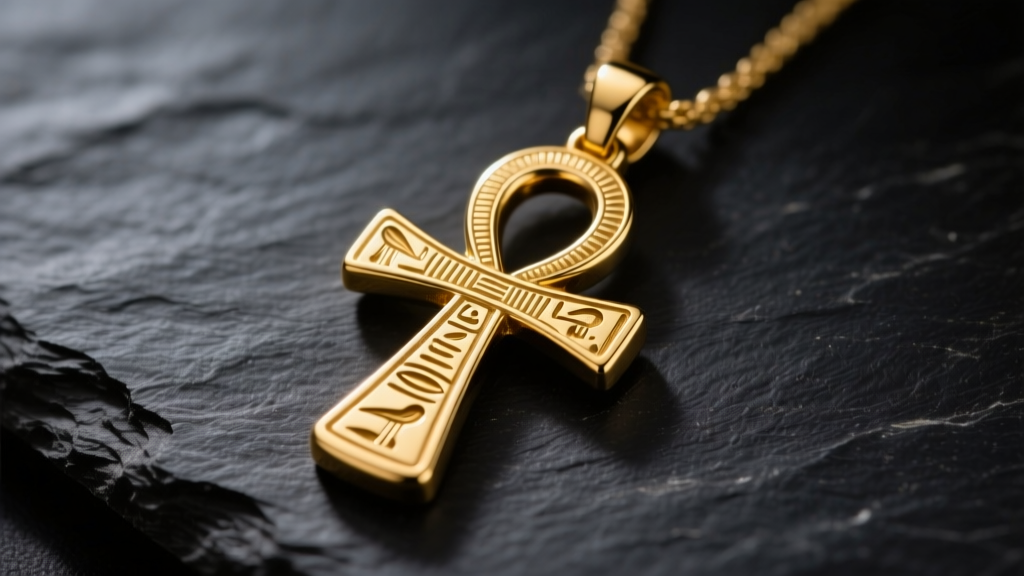
The ankh, historically known as the crux ansata or 'key of life,' is one of the most enduring symbols of ancient Egypt, representing eternal life and divine protection. In contemporary jewelry, an Egyptian necklace ankh transcends mere trendiness; it is a statement piece that bridges ancient history with modern personal style. However, the market is saturated with everything from mass-produced costume jewelry to high-end artisanal heirlooms. Navigating this landscape requires a keen eye for metallurgy, structural integrity, and proportional balance. This comprehensive buying guide will equip you with the technical knowledge needed to select an ankh pendant that is both historically respectful and built to last a lifetime.
"When investing in historical revival jewelry, the longevity of the piece relies entirely on the intersection of material grade and structural engineering, particularly at the bail connection point." — Jewelry Manufacturing Standards Council
Material Grades: What to Look for in 2026
The metal composition of your Egyptian necklace ankh dictates its durability, skin-reactivity, and long-term value. Do not rely solely on color; always demand verified hallmarks.
Solid Gold (14k and 18k)
For an heirloom-quality ankh, solid gold is the undisputed standard. According to the Gemological Institute of America (GIA), 14k gold (58.5% pure gold) offers the ideal balance of rich color and structural hardness. Because ankhs often feature intricate, raised hieroglyphic engravings, 14k gold resists scratching and edge-wear far better than softer 18k or 24k gold. Look for the '585' or '14K' stamp on the bail.
Sterling Silver (925)
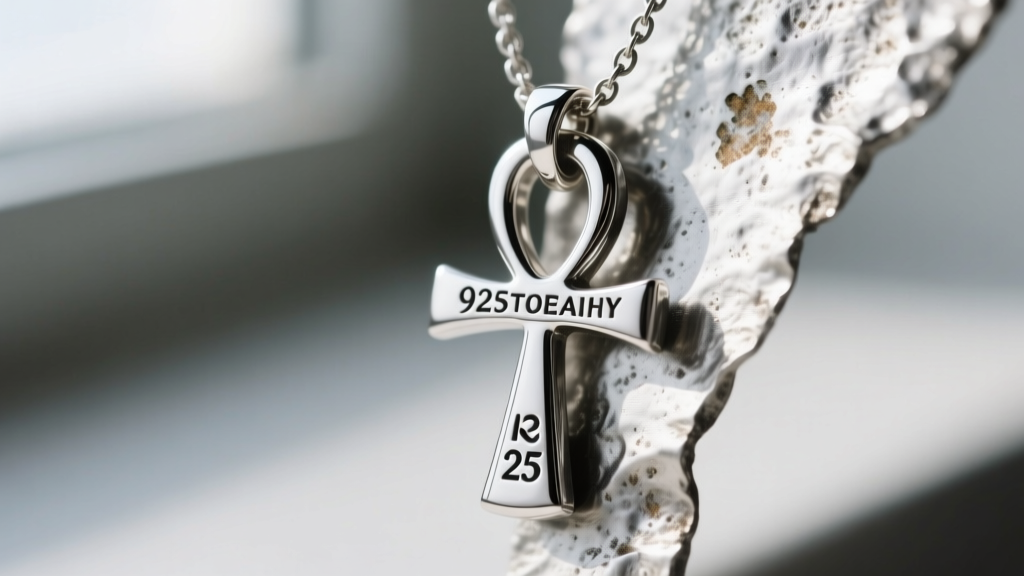
Sterling silver is a fantastic mid-tier option, but it comes with a specific maintenance profile. The deep crevices of carved ankhs trap moisture and sulfur, accelerating tarnish. If you live in a humid climate, seek out rhodium-plated sterling silver, which provides a brilliant, tarnish-resistant barrier. Always verify the '925' stamp.
Gold Vermeil vs. Standard Plating
This is where most buyers are misled. Standard 'gold-plated' jewelry uses a brass or copper base with a microscopic flash of gold (often less than 0.5 microns) that will wear off in months, leaving a green residue on your skin. True Gold Vermeil, as regulated by the Federal Trade Commission (FTC), must feature a sterling silver base with a gold layer of at least 2.5 microns. When buying a vermeil Egyptian necklace ankh, explicitly ask the jeweler for the micron thickness. Anything less than 2.5 microns is merely plated and will fail to withstand daily friction.
Bronze and Brass
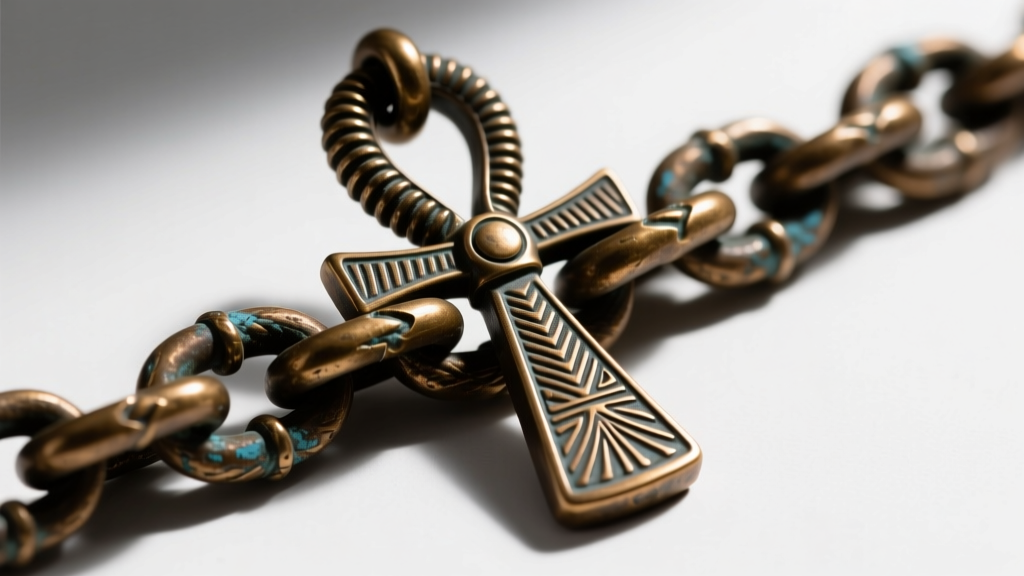
While bronze offers an authentic, archaeological aesthetic that pairs beautifully with the ankh motif, it is highly reactive. Unsealed bronze will oxidize rapidly and turn your skin green due to copper content. If choosing bronze, ensure the pendant has been treated with a jeweler-grade clear nano-coating to seal the metal.
Proportions and Dimensions: Sizing Your Ankh
An ankhs that is too small gets lost on the chest; one that is too large looks like a costume prop. Furthermore, the physical weight of the pendant must be matched to the tensile strength of the chain. Use the framework below to find your ideal proportion.
| Pendant Height | Weight Class | Ideal Bail Inner Diameter | Best Use Case |
|---|---|---|---|
| 15mm - 20mm | Light (2-4g) | 2.0mm - 3.0mm | Subtle, everyday layering; pairs with delicate 1mm box chains. |
| 25mm - 35mm | Medium (5-10g) | 4.0mm - 5.0mm | Standard standalone piece; requires a 2.0mm-3.0mm rope or cable chain. |
| 40mm - 60mm+ | Heavy (15g+) | 6.0mm - 8.0mm | Statement streetwear or outerwear; demands a 4.0mm+ Cuban or thick rope chain. |
Chain Selection: Matching the Bail and Weight
The most common point of failure in heavy pendant necklaces is the bail—the loop at the top of the ankh that connects to the chain. A heavy cast bronze or solid gold ankh exerts continuous downward friction on the chain.
Friction and Wear Mechanics
If you pair a soft 14k gold ankh with a sharp, faceted chain (like a wheat or spiga chain), the chain will act like a microscopic saw, eventually cutting through the bail. To prevent this catastrophic failure, match the chain style to the metal hardness:
- Box Chains: Smooth, flat surfaces. Ideal for softer gold or silver ankhs as they minimize friction wear inside the bail.
- Rope Chains: Excellent for heavy, medium-to-large ankhs. The twisted links distribute weight evenly and complement the traditional ribbed textures often found on Egyptian revival pieces.
- Cable Chains: Classic, but ensure the wire gauge is thick enough (minimum 1.5mm) to support the ankh's weight without stretching the individual oval links over time.
Authenticity vs. Costume: Pricing Tiers
Understanding market pricing prevents overpaying for base metals masquerading as fine jewelry. Here is what you should expect to pay for an Egyptian necklace ankh in the current market:
- $15 - $45 (Costume Tier): Zinc alloys, brass, or stainless steel. Often mass-cast with poor detail resolution. The hieroglyphs may be blurred, and the metal is prone to rapid oxidation or allergic contact dermatitis.
- $60 - $180 (Demi-Fine Tier): Solid 925 sterling silver or legitimate 2.5-micron gold vermeil. Expect crisp, die-struck or high-quality 3D-printed cast details. This is the sweet spot for everyday wearers.
- $350 - $1,200+ (Fine Jewelry Tier): Solid 14k or 18k gold. Pricing fluctuates heavily based on the gram weight of the piece and whether it includes genuine gemstone inlays like lapis lazuli, turquoise, or malachite.
Care and Maintenance for Ancient Motifs
Egyptian-style jewelry frequently incorporates inlaid stones or deep, oxidized engravings that require specialized care. Never use an ultrasonic cleaner on an ankh featuring inlaid lapis lazuli or turquoise. These stones are relatively soft (Mohs hardness of 5-6) and highly porous; the high-frequency vibrations and chemical baths of ultrasonic cleaners will fracture the stones and strip their natural oils.
Instead, clean your ankh using a soft-bristled baby toothbrush, warm water, and a drop of mild, phosphate-free dish soap. Gently agitate the bristles into the hieroglyphic crevices to remove sebum and lotion buildup. For sterling silver pieces with intentional antique oxidation (blackened crevices), avoid silver dip solutions, as they will strip the dark patina and leave the pendant looking flat and overly bright.
Final Verdict: Investment Pieces vs. Everyday Wear
Selecting the right Egyptian necklace ankh ultimately depends on your wearing habits. If you intend to wear the piece daily, in the shower, and at the gym, a solid 14k gold or rhodium-plated sterling silver ankh on a smooth box chain is your most durable, low-maintenance option. If you are seeking a bold, historical statement piece for occasional wear, a heavy cast bronze or oxidized silver ankh on a thick rope chain offers unparalleled aesthetic impact. By prioritizing verified material grades, respecting the bail-to-chain weight ratio, and avoiding porous stone inlays for daily wear, your ankh will remain a powerful symbol of life and style for decades to come.


