2026 Style Trends: The Best Elevated 4th of July Necklaces
Discover 2026 trends for elevated 4th of July necklaces. Learn how to style fine jewelry Americana motifs, layer summer necklaces, and choose gemstones.

The Evolution of Holiday Jewelry: From Costumey to Curated
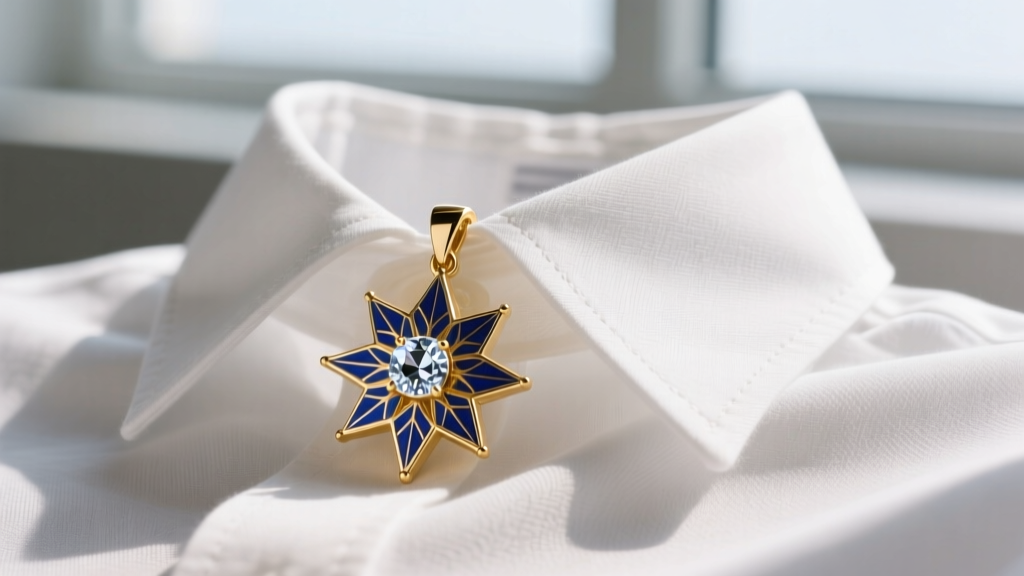
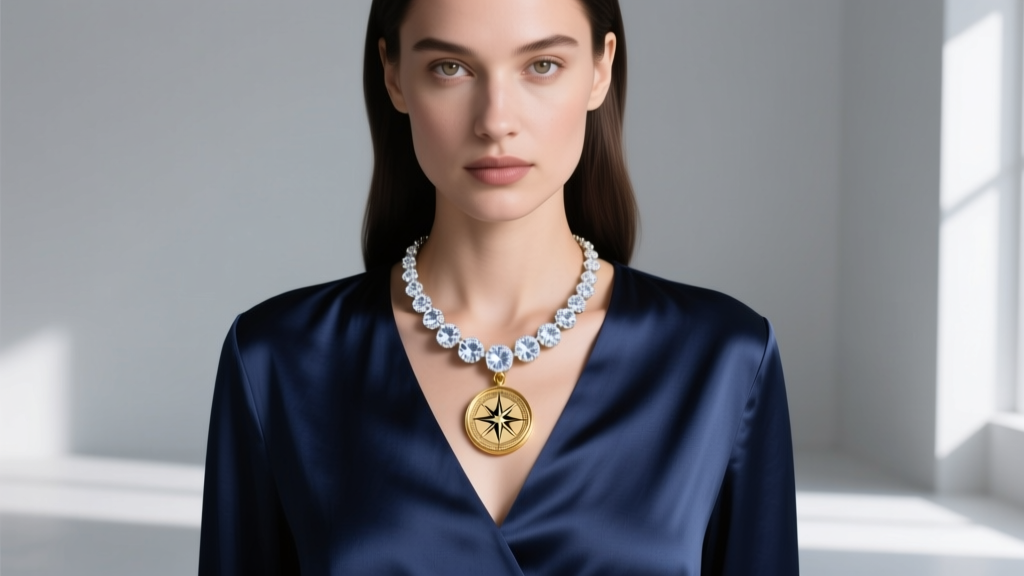
For decades, holiday-themed jewelry was relegated to the realm of novelty: acrylic beads, plastic flag pendants, and cheap alloy charms that tarnished before the fireworks even started. However, as we navigate the 2026 style landscape, the market for 4th of July necklaces has undergone a radical transformation. Today’s discerning collectors and style enthusiasts are rejecting literal interpretations of Americana in favor of subtle, sophisticated nods to the holiday. The modern approach relies on celestial motifs, compass pendants, and color-blocked gemstone tennis necklaces that celebrate the season without looking like a costume.
This shift is driven by a broader industry movement toward 'quiet luxury' and versatile fine jewelry. Consumers want pieces that can be worn to a backyard barbecue, a rooftop cocktail party, and the office the following Monday. By focusing on high-quality materials, precise layering techniques, and historically significant gemstones, you can build a summer jewelry rotation that feels both patriotic and profoundly elegant.
Decoding the Americana Palette: Gemstone Alternatives
The traditional red, white, and blue color scheme is iconic, but relying on rubies, diamonds, and sapphires can quickly become prohibitively expensive and visually predictable. In 2026, the most striking 4th of July necklaces utilize elevated, historically rich alternative gemstones. These stones offer incredible brilliance, unique optical properties, and a fraction of the cost per carat, allowing for bolder, more substantial pendant designs.
According to the Gemological Institute of America (GIA), red spinel has historically been confused with ruby, even featuring in the British Crown Jewels. Similarly, treated topazes offer a depth of blue that rivals fine sapphires. Below is a strategic breakdown of the 2026 Americana gemstone palette.
| Color Theme | Traditional Stone | 2026 Elevated Alternative | Mohs Hardness | Avg. Price Range (Per Carat) |
|---|---|---|---|---|
| Red | Burmese Ruby | Red Spinel / Rhodolite Garnet | 7.5 - 8.0 | $150 - $400 |
| White | White Sapphire / Rainbow Moonstone | 6.0 - 9.0 | $50 - $250 | |
| Blue | Ceylon Sapphire | London Blue Topaz / Tanzanite | 6.5 - 8.0 | $30 - $300 |
Note: When purchasing London Blue Topaz, always ensure the vendor discloses any irradiation treatments, which are standard but should be transparently priced.
Mastering the Summer Layering Framework
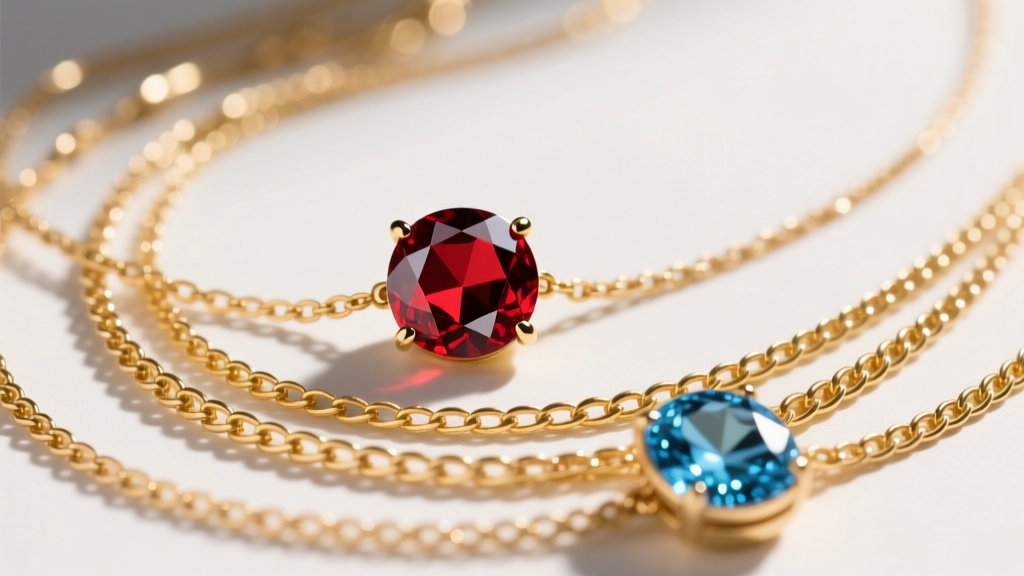
A single pendant rarely captures the festive, maximalist spirit of mid-summer styling. The secret to wearing multiple 4th of July necklaces lies in a strict mathematical approach to chain lengths, widths, and clasp hardware. The 'Rule of Thirds' in visual weight ensures your necklaces don't tangle and that each gemstone catches the light independently.
The 3-Tier Layering Blueprint
- The Base Layer (14-15 inches): Opt for a lightweight 1.2mm cable chain or a delicate bead chain. This sits high on the collarbone. A small, 4mm bezel-set white sapphire or moonstone slider works perfectly here, providing a subtle 'white' anchor without overwhelming the neckline.
- The Focal Layer (16-17 inches): This is where your primary motif lives. A 2.0mm rope chain holding a 14k solid gold starburst or compass pendant. The rope chain's twisted links reflect sunlight brilliantly, mimicking the sparkle of fireworks.
- The Anchor Layer (18-20 inches): A slightly heavier 3.5mm box chain that drops below the collar of a standard V-neck or linen button-down. Suspend a deeper-toned stone here, such as a 7x5mm emerald-cut London Blue Topaz or a rich Rhodolite Garnet, to ground the composition with visual weight.
Pro-Tip on Hardware: Avoid standard spring-ring clasps for layered looks; they are notoriously difficult to fasten when wearing multiple chains. Upgrade your necklaces to 5mm lobster clasps or, for ultimate ease, magnetic neodymium clasps concealed within 14k gold sleeves.
Elevating the Finish: Guilloché and Plique-à-Jour Enamel
Color is essential for holiday jewelry, but the method of applying that color separates heirloom-quality pieces from fast fashion. In 2026, top-tier jewelers are reviving antique enameling techniques to create rich, translucent reds and blues that won't chip or yellow under the summer sun.
Guilloché Enamel: This technique involves engine-turning the underlying gold or silver base metal with intricate geometric patterns (like sunbursts or waves) before applying transparent enamel. The light passes through the glass-like enamel and reflects off the engraved metal, creating a mesmerizing, three-dimensional depth. A deep cobalt blue guilloché pendant is a breathtaking, subtle way to incorporate the 'blue' of the Americana palette.
Plique-à-Jour: Often described as 'stained glass for jewelry,' this method uses no metal backing, allowing light to shine directly through the translucent red or blue enamel. Because it is fragile, it is usually reserved for small, protected accents on star or floral motifs, but the visual payoff is unparalleled. Avoid 'cold enamel' (epoxy resin) if you want your piece to last; it lacks the vitreous luster and scratch resistance of kiln-fired glass enamel.
Investment Tiers: What to Expect in 2026
Understanding the pricing architecture of fine jewelry helps you allocate your budget effectively when shopping for 4th of July necklaces. Here is a realistic breakdown of what your investment yields at different price points in the current market.
Demi-Fine & Vermeil ($85 - $250)
At this tier, expect heavy gold vermeil (a minimum of 2.5 microns of 14k gold over sterling silver) paired with lab-grown sapphires or high-grade cubic zirconia. These pieces are excellent for trend-driven, seasonal wear. Look for brands that use PVD (Physical Vapor Deposition) coating over the vermeil to prevent the silver from oxidizing and turning your skin green during humid July afternoons.
Entry-Level Fine Jewelry ($350 - $850)
This is the sweet spot for everyday luxury. You will find solid 14k yellow or white gold chains (which will not tarnish or require replating) set with genuine semi-precious stones like red spinel, garnet, and treated blue topaz. The craftsmanship here usually includes secure bezel settings and soldered jump rings, ensuring your pendants survive the rigors of summer travel and outdoor activities.
Heirloom & Artisan ($1,200+)
Investment pieces feature 18k solid gold, untreated natural sapphires, and hand-applied guilloché or plique-à-jour enamel. These are often produced by independent artisan jewelers or heritage houses in limited, numbered runs. They transcend the holiday itself, functioning as wearable art that can be passed down through generations while still evoking the patriotic spirit of mid-summer.
Final Thoughts on Summer Styling
The key to pulling off thematic jewelry in 2026 is restraint and material integrity. By swapping out literal flag motifs for celestial geometry, utilizing historically rich gemstones like spinel and topaz, and mastering the mathematics of chain layering, your 4th of July necklaces will feel like a natural, elevated extension of your personal style rather than a temporary holiday costume. Invest in solid metals, demand transparent gemstone sourcing, and let the subtle interplay of red, white, and blue elevate your summer wardrobe.


