Understanding the True Cost of Necklace Materials and Chains
Discover the true cost of necklace chains and pendants. Learn how metal purity, chain weight, and clasps impact jewelry pricing in our beginner guide.

Why Do Necklace Prices Vary So Wildly?
If you are new to buying fine jewelry, the pricing landscape can feel completely arbitrary. You might find a delicate silver chain for $35, a gold-plated pendant for $80, and a solid gold chain of the exact same length and thickness for $850. As a beginner, it is crucial to understand that the cost of necklace pieces is rarely about the brand name alone; it is a direct mathematical reflection of metallurgy, chain geometry, manufacturing labor, and hardware quality. In 2026, with precious metal spot prices remaining historically high, understanding these variables is the only way to ensure you are paying a fair market rate.
This guide breaks down the exact factors that dictate jewelry pricing, moving past marketing fluff to give you a practical framework for evaluating necklaces and pendants. Whether you are shopping for an everyday sterling silver cable chain or a heavy solid gold Cuban link, knowing where the money actually goes will make you a vastly smarter consumer.
The Metallurgy: Base Metals, Plating, and Solid Alloys
The single largest driver of the cost of necklace chains is the raw material. Precious metals are commodities traded on global markets, meaning their base value fluctuates daily. However, jewelry is rarely made from 100% pure metal because pure gold and pure silver are too soft to withstand daily wear. Instead, they are alloyed with other metals for durability, which creates different pricing tiers.
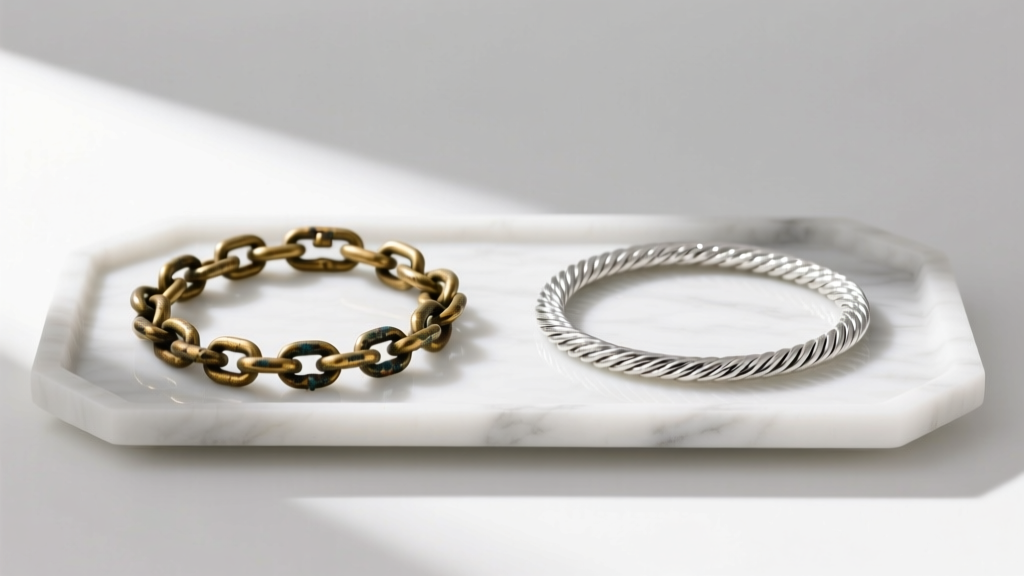
According to the Federal Trade Commission (FTC) Jewelry Guides, strict legal definitions govern how metals can be labeled. Understanding these definitions is your first line of defense against overpaying.
| Metal Type | Composition | Estimated Retail Cost (18" 2mm Chain) | Longevity & Tarnish |
|---|---|---|---|
| Brass / Copper Base | Base alloy, often plated | $15 - $30 | Low; high tarnish and skin reaction risk |
| Sterling Silver (925) | 92.5% Silver, 7.5% Copper | $40 - $90 | High; requires occasional polishing |
| Gold Vermeil | 925 Silver base, 2.5+ microns gold | $80 - $150 | Medium; plating wears off in 1-3 years |
| Solid 10k Gold | 41.7% Pure Gold | $180 - $250 | Lifetime; highly durable, less yellow |
| Solid 14k Gold | 58.5% Pure Gold | $350 - $600 | Lifetime; industry standard for fine jewelry |
| Solid 18k Gold | 75.0% Pure Gold | $600 - $1,100+ | Lifetime; rich color, softer than 14k |
Notice the distinction between standard 'gold plated' and 'gold vermeil'. Standard plating can be as thin as 0.1 microns over cheap brass, meaning it will rub off in weeks. Vermeil legally requires a sterling silver base and a minimum gold thickness of 2.5 microns, offering significantly better longevity, though it still cannot match the permanence of solid gold.
Chain Geometry: How Weight Dictates the Price
Once you have selected your metal, the next major cost factor is chain geometry. Solid gold and silver chains are largely priced by their gram weight, plus a manufacturing premium. Two chains can be the exact same length and width (e.g., 20 inches long, 3mm wide), but if one is a hollow tube and the other is solid, their weights—and therefore their prices—will be drastically different.
Lightweight vs. Heavyweight Links
- Cable and Curb Chains: These feature simple, open oval links. An 18-inch, 2mm solid 14k gold cable chain might weigh only 4 grams. Because it uses less raw gold, the cost of necklace styles in this category remains accessible.
- Box and Figaro Chains: These links interlock tightly and use more metal per square inch. That same 18-inch, 2mm box chain in 14k gold could weigh 8 to 10 grams, effectively doubling the price.
- Cuban and Rope Chains: These are dense, heavy, and require complex manufacturing. A 4mm solid gold Cuban link can easily exceed 25 grams, pushing the price well into the thousands.
The Gemological Institute of America (GIA) notes that the density and weight of precious metals are primary indicators of value. When buying solid chains, always ask the jeweler for the exact gram weight. If they cannot provide it, you are likely overpaying for a lightweight or hollow-manufactured chain.
Hidden Costs: Findings, Clasps, and Craftsmanship
Beginners often inspect the pendant and the main chain but completely ignore the 'findings'—the mechanical components that hold the necklace together. The quality of the clasp and the soldering techniques used can add significant labor costs to the final piece.
Clasp Hierarchy
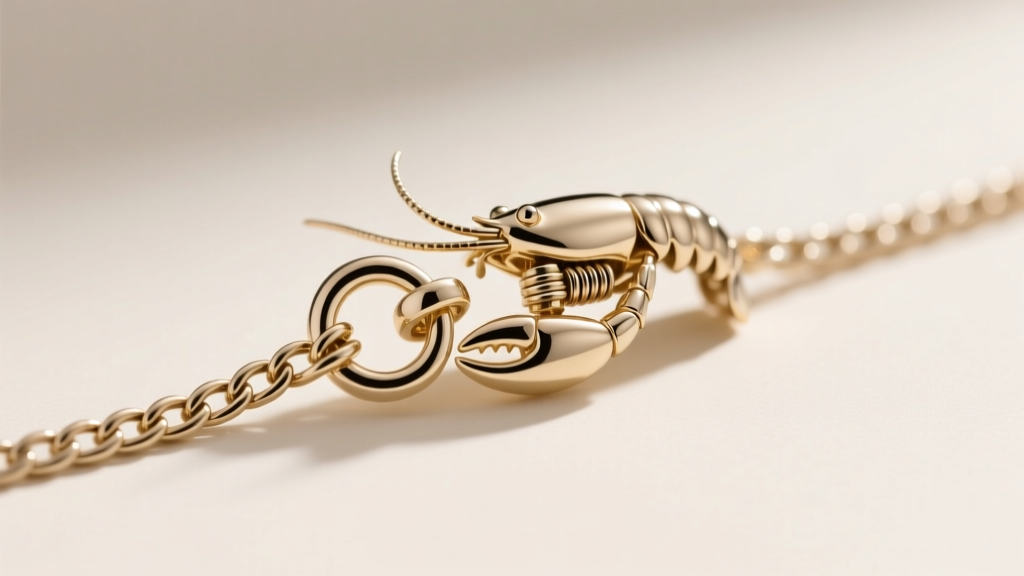
The type of clasp used is a dead giveaway of a necklace's overall quality tier. Cheap necklaces use spring ring clasps, which are difficult to operate one-handed and prone to snapping under tension. Mid-tier necklaces utilize lobster claws, which offer a secure, spring-loaded grip and are the industry standard for chains weighing under 30 grams. High-end, heavy chains require box clasps with safety latches or integrated tongue-and-groove mechanisms, which require precise, labor-intensive manufacturing and can add $50 to $150 to the base cost of the necklace.
Soldering and Laser Welding
Look closely at the individual links near the clasp and the jump rings. High-quality chains feature soldered jump rings (meaning the tiny metal loop is fused shut with heat and filler metal) so the chain cannot pull apart if snagged. Mass-produced, budget chains often use open, unsoldered jump rings that will easily bend and drop your pendant. Furthermore, premium chains utilize laser welding for seamless link integration, eliminating the visible solder seams found on cheaper, mass-produced chains.
The Beginner's Decision Framework: Budget vs. Longevity
Understanding the cost of necklace components is only useful if you can apply it to your purchasing decisions. Use this practical framework to determine where to allocate your budget based on your lifestyle and goals.
The Golden Rule of Jewelry Buying: Never pay solid gold prices for hollow manufacturing, and never expect vermeil to survive daily water exposure. Match the material to your maintenance tolerance.
When to Buy Sterling Silver or Vermeil
If you are buying a highly intricate, heavy pendant that you only plan to wear on special occasions, sterling silver or vermeil is a smart financial move. The cost savings on the raw metal allow you to afford a larger, more visually striking piece without the massive premium of solid gold. However, you must commit to removing it before showering, swimming, or exercising to prevent the copper alloys from oxidizing and tarnishing.
When to Invest in Solid 14k Gold
For an 'everyday' chain that you intend to wear in the shower, at the gym, and while sleeping, solid 14k gold is the only logical choice. While the upfront cost of necklace chains in 14k gold is high, the cost-per-wear over a decade drops to pennies. It will not flake, turn your skin green, or require chemical dips to restore its color. When buying for longevity, prioritize a simple, sturdy chain style like a 2mm to 3mm curb or cable chain, which offers the best balance of visible presence and manageable gram weight.


