How to Clean & Care for Your Elizabeth Locke Necklace
Learn expert techniques to clean and maintain your Elizabeth Locke necklace, preserving its 19k gold patina and delicate Venetian glass intaglios.

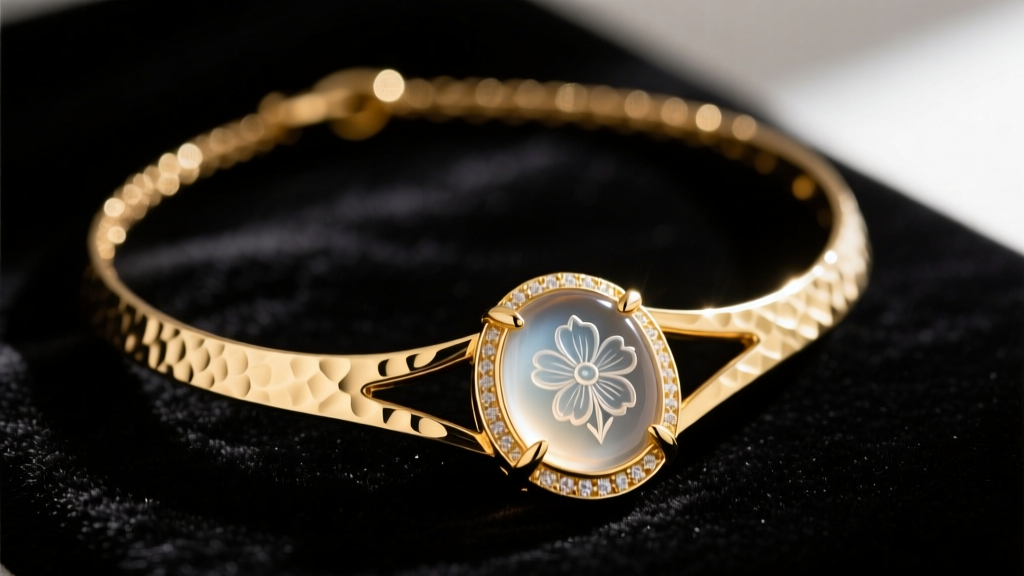
The Unique Anatomy of an Elizabeth Locke Necklace
Owning an Elizabeth Locke necklace is akin to possessing a wearable piece of classical antiquity. Renowned for her meticulous revival of ancient jewelry-making techniques, Locke designs her pieces using a highly specific 19-karat gold alloy and authentic Venetian glass intaglios. As of 2026, conservation-grade jewelry care emphasizes that these necklaces cannot be treated like standard 14k or 18k gold chains. The 19k gold (comprising 79.1% pure gold) is intentionally alloyed to achieve a warm, buttery yellow hue reminiscent of Hellenistic artifacts, but this high gold content makes the metal inherently softer and more malleable.
Furthermore, the signature hand-hammered matte finish of an Elizabeth Locke necklace is not a manufacturing defect; it is a deliberate aesthetic choice designed to evoke centuries-old excavation pieces. When you factor in the delicate nature of the materials often set into these necklaces—such as foil-backed glass intaglios, micromosaics, malachite, and lapis lazuli—it becomes clear that conventional jewelry cleaning methods can cause catastrophic, irreversible damage. Understanding the material science behind your necklace is the first step in preserving its heritage and value.
What NEVER to Do: Common Cleaning Mistakes
The most frequent way collectors ruin high-end artisan jewelry is by applying blanket cleaning rules to specialized pieces. When caring for your Elizabeth Locke necklace, you must strictly avoid the following modern cleaning conveniences:
- Ultrasonic Cleaners: The high-frequency cavitation bubbles generated by ultrasonic machines can easily shatter Venetian glass intaglios and dislodge the delicate metallic foil backing that gives them their luminescence. Furthermore, the vibrations can loosen the bezel settings holding porous cabochons in place.
- Commercial Polishing Cloths: Treated polishing cloths (like Sunshine cloths) contain micro-abrasives and chemical tarnish-removers. Using these on an Elizabeth Locke piece will strip away the intentional matte, hammered patina, leaving the gold artificially shiny and significantly diminishing its antique aesthetic and resale value.
- Harsh Chemical Dips: Silver dips and ammonia-based cleaners will react violently with the copper and silver alloys in 19k gold, potentially causing permanent surface pitting and discoloration of the gemstones.
- Steam Cleaning: High-pressure steam can force moisture past the bezel of an intaglio or micromosaic. Once trapped, this moisture will oxidize the foil backing, resulting in dark, cloudy patches that cannot be cleaned at home.
Step-by-Step Cleaning Guide for 19k Gold and Intaglios
To safely remove daily accumulations of skin oils, lotions, and environmental dust, you must use a gentle, non-reactive approach. According to the Gemological Institute of America (GIA), porous gems and specialized gold alloys require pH-neutral, non-abrasive cleaning solutions.
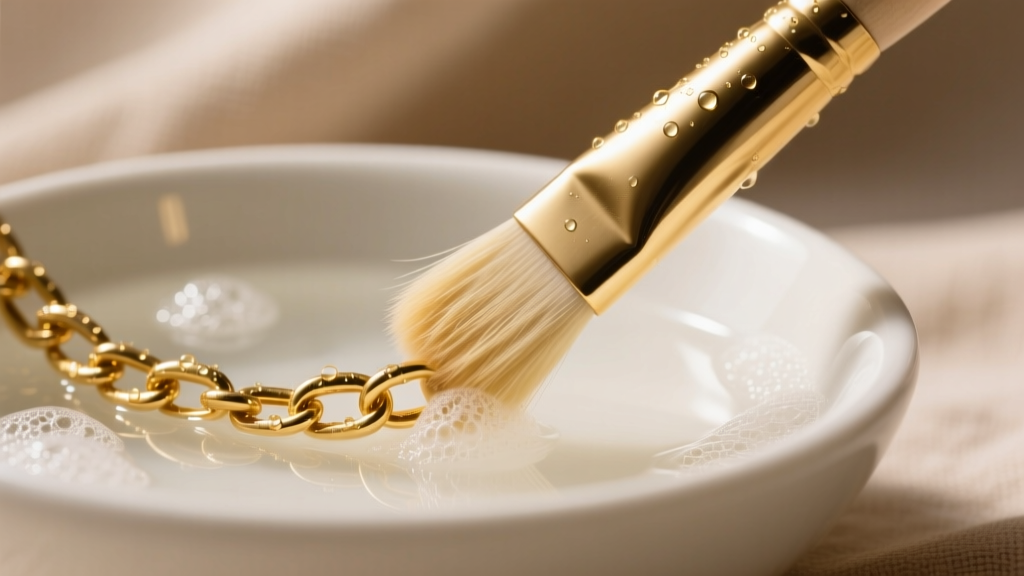
- Prepare a Conservation-Grade Solution: In a small ceramic bowl, mix lukewarm distilled water (never tap water, as chlorine and hard minerals can leave microscopic deposits) with two drops of pH-neutral, fragrance-free baby shampoo or a specialized conservation detergent like Orvus WA Paste.
- Target the Gold Chain Only: If your necklace features a foil-backed intaglio or a porous stone like malachite, avoid submerging the pendant entirely. Dip a soft, natural-bristle baby toothbrush into the solution and gently brush only the 19k gold chain and the outer bezel setting.
- Clean the Gemstone Surface: For the glass intaglio or hardstone cabochon, use a barely damp microfiber cloth to gently wipe the surface. Do not apply pressure to the edges where the gem meets the gold bezel, as this is where moisture ingress is most likely.
- Rinse with Distilled Water: If you cleaned the chain, rinse it briefly under a slow stream of distilled water to remove any soap residue.
- Dry Thoroughly: Pat the piece dry with a lint-free, unbleached cotton cloth. For intricate chain links and the crevices of the hammered gold, use a can of compressed air (held at least six inches away) to blow out trapped moisture. Ensure the piece is 100% dry before storage.
Caring for Specific Stone and Glass Elements
Elizabeth Locke frequently incorporates a diverse array of hardstones and glass into her pendant designs. Each material possesses a unique Mohs hardness rating and porosity level, dictating how it interacts with environmental factors and cleaning agents. The table below outlines the specific care requirements for the most common materials found in these necklaces.
| Material | Mohs Hardness | Porosity & Sensitivity | Specific Care Protocol |
|---|---|---|---|
| Venetian Glass Intaglio | 5.5 - 6.0 | Non-porous, but foil-backed. Highly sensitive to moisture ingress and thermal shock. | Surface wipe only with dry microfiber. Never submerge. Avoid sudden temperature changes. |
| Malachite | 3.5 - 4.0 | Highly porous and soft. Extremely sensitive to acids, heat, and prolonged water exposure. | Dry dusting only. Keep away from perfumes and lotions which can strip the polish. |
| Lapis Lazuli | 5.0 - 6.0 | Semi-porous. Contains calcite and pyrite inclusions that can degrade in harsh chemicals. | Wipe with a barely damp cloth. Never use ultrasonic or ammonia-based cleaners. |
| 19k Hammered Gold | 2.5 - 3.0 | Non-porous but very soft. Prone to scratching and losing its matte finish if polished. | Wash with mild soap and distilled water. Never use abrasive polishing cloths. |
For a deeper dive into the mineralogical properties of these stones and how they react to environmental stressors, the Elizabeth Locke official archives provide excellent historical context on why these specific, historically significant materials were chosen for their collections.
Storing and Preserving the Hammered Patina
Proper storage is just as critical as proper cleaning. Because 19k gold is exceptionally soft, storing an Elizabeth Locke necklace in a communal jewelry box will result in severe micro-scratching from contact with harder metals and gemstones like diamonds or sapphires. Furthermore, the heavy, hand-forged toggle clasps characteristic of Locke's designs can warp the chain links if the necklace is hung vertically on a jewelry stand for prolonged periods.
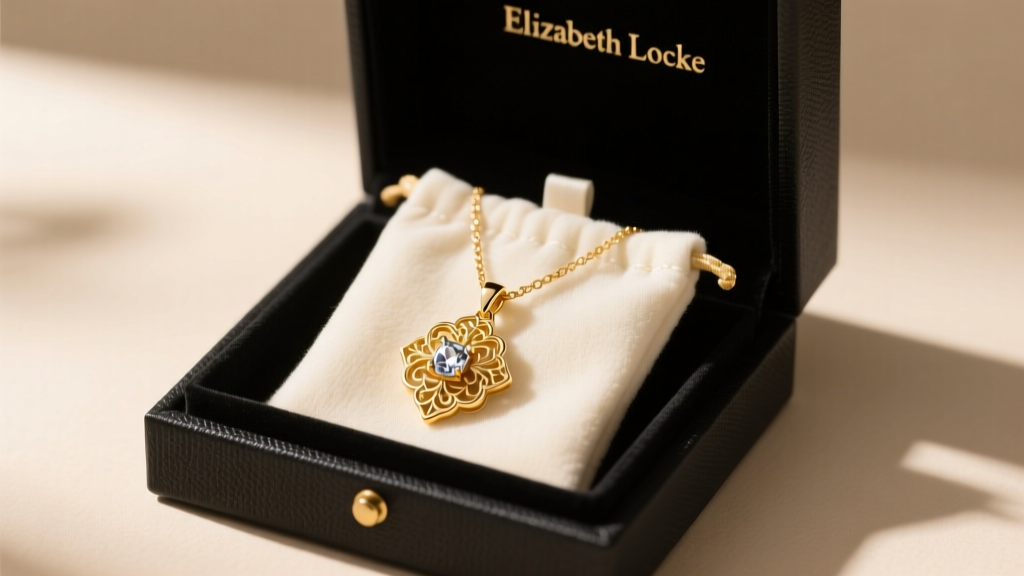
To maintain the structural integrity and the antique patina of your necklace, adhere to these storage guidelines:
- Individual Pouches: Always store the necklace in its original flannel pouch or a dedicated, unbleached cotton jewelry bag. This prevents friction and protects the hammered texture.
- Flat Storage: Lay the necklace completely flat in a drawer or a lined jewelry box. Fasten the toggle clasp to prevent the chain from tangling, but do not pull it taut.
- Climate Control: While 19k gold is highly resistant to tarnish compared to sterling silver, the alloy metals can still react to extreme humidity. Store your pieces in a climate-controlled room, avoiding bathrooms or damp basements. You may include a silica gel packet in the storage drawer to regulate ambient moisture, but never place the silica directly against the jewelry.
When to Seek Professional Restoration
Despite your best efforts at home care, an Elizabeth Locke necklace may eventually require professional intervention. Because these pieces are constructed using traditional, old-world techniques, they should never be handed over to a standard mall jeweler for repairs. If the gold foil backing of your Venetian intaglio becomes clouded, or if the hand-hammered bezel has worn thin and is no longer securing the cabochon safely, you must seek specialized restoration.
Always contact the brand directly or an authorized master jeweler who specializes in antique and high-karat gold restoration. They possess the specific tools and historical knowledge required to re-foil an intaglio or re-texture a bezel using traditional chasing hammers, ensuring your necklace retains its historical authenticity and investment value for decades to come.


