2026 Elven Necklace Trends: Ethereal Fine Jewelry Guide
Discover the 2026 elven necklace trend. Explore ethereal fine jewelry, from 925 silver vine motifs to lab-grown gem pendants for everyday magic.

The Etherealcore Shift: From Cosplay to High Jewelry
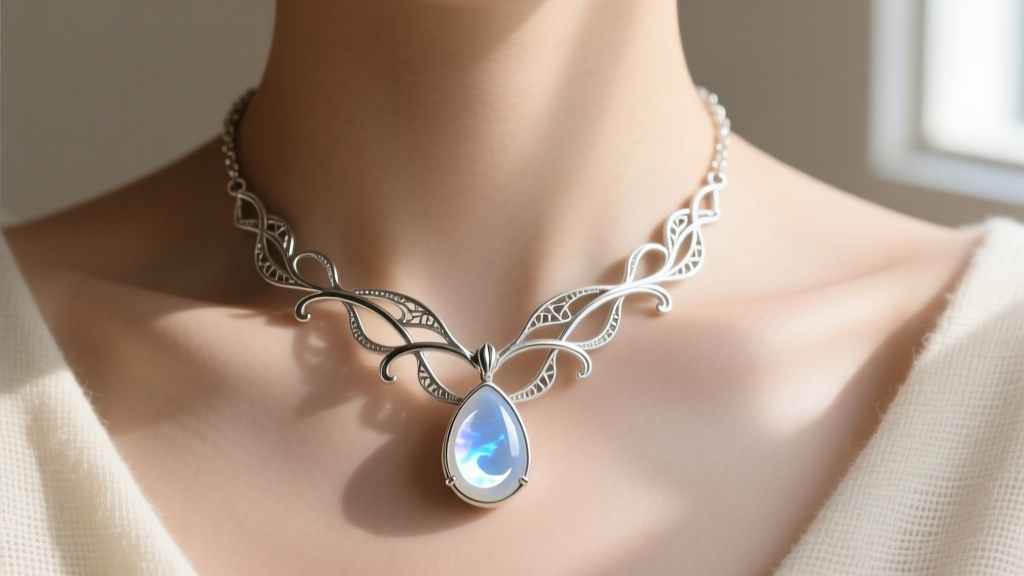
The elven necklace has undergone a radical transformation in 2026. No longer confined to the realm of convention-center cosplay or cheap zinc-alloy souvenirs, the aesthetic has been reclaimed by fine jewelry designers under the banner of "etherealcore" and "quiet fantasy." This movement draws heavily on organic, nature-inspired motifs—think creeping ivy, celestial maps, and ancient runic geometry—but executes them with the precision and material integrity of high-end luxury. Runways from Elie Saab to Alexander McQueen have recently featured models adorned in delicate, vine-like metallic lattices, signaling a massive consumer pivot toward jewelry that feels both ancient and meticulously crafted.
For the modern collector, an authentic elven necklace is defined by its asymmetry and organic flow. Unlike traditional geometric pendants, these pieces mimic the unpredictable growth patterns of flora. Achieving this requires advanced metallurgy and specialized casting techniques, which we will break down in this comprehensive style and trend analysis.
Metallurgy and Chain Mechanics for Organic Designs
The foundation of any high-quality elven necklace is its metal. The intricate, twisting vines and delicate leaf structures demand materials that balance malleability during the casting process with structural rigidity for daily wear.
The Case for Argentium and 925 Sterling Silver
While pure 999 fine silver offers a brilliant white luster, it is entirely unsuitable for the sprawling, asymmetrical branches of an elven pendant. Fine silver bends under minimal pressure, leading to warped motifs and lost detail. Instead, the industry standard is 925 Sterling Silver (92.5% silver, 7.5% copper). However, in 2026, top-tier artisans are migrating to Argentium Silver. By replacing some of the copper with germanium, Argentium offers superior tarnish resistance. This is critical for elven designs; polishing the deep, recessed crevices of a cast-leaf pendant without stripping the intentional oxidation (patina) in the background is nearly impossible with traditional silver.
Chain Gauges and Link Styles
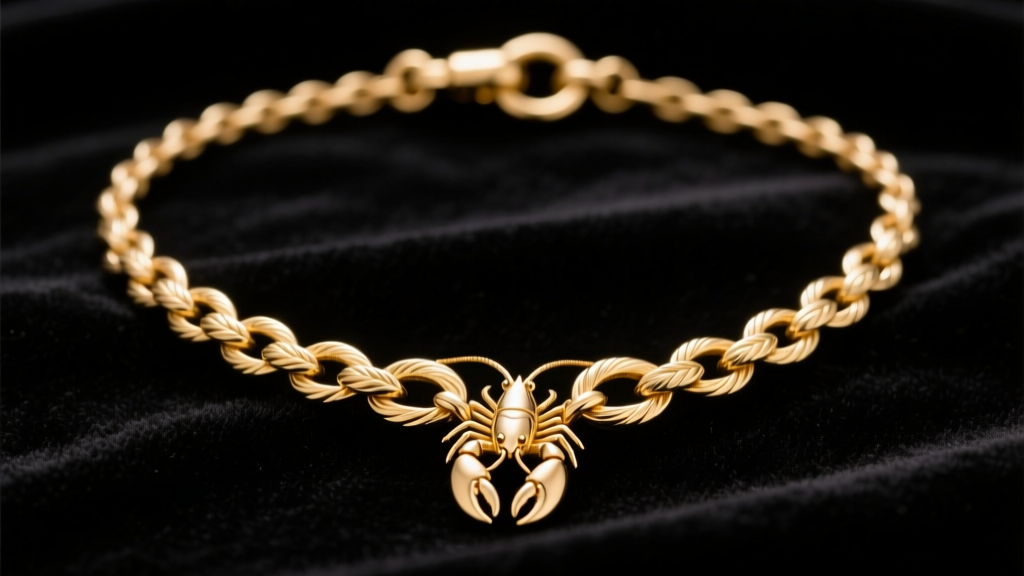
The chain must complement, not overpower, the pendant. The most popular choice for the elven aesthetic is the foxtail chain. Its woven, V-shaped links mimic the appearance of braided vines or metallic rope. According to The Silver Institute, jewelry durability is heavily dependent on proper gauge selection. For an elven pendant weighing between 8 and 15 grams, a 1.5mm to 2.0mm foxtail or rope chain provides the necessary tensile strength while maintaining a delicate, fluid drape. Avoid standard cable chains thinner than 1.2mm, as the soldered links are prone to snapping under the pendulum-like swing of a heavy, asymmetrical pendant.
Motif Anatomy: Lost-Wax Casting and Asymmetry
Mass-market fantasy jewelry relies on stamping or basic silicone mold casting, resulting in stiff, mirrored-symmetry designs that lack the "living" feel of true elven artistry. High-end 2026 collections utilize lost-wax casting. Artisans hand-carve the original design in jeweler's wax, allowing for organic undercuts, varying branch thicknesses, and intentional imperfections that mimic real forest growth. This method ensures that no two leaves on the pendant are perfectly identical, a hallmark of genuine etherealcore design.
2026 Market Comparison: Tiers of Elven Jewelry
When shopping for an elven necklace, understanding the market tiers is essential to avoid overpaying for base metals disguised as fine jewelry. Below is a structural breakdown of the current market landscape.
| Market Tier | Primary Metal | Gemstone Quality | Price Range (USD) | Durability & Longevity |
|---|---|---|---|---|
| Mass Market / Fast Fashion | Zinc Alloy / Brass with flash plating | Resin or molded glass | $15 - $45 | Poor; high risk of contact dermatitis and rapid tarnishing. |
| Artisan Boutique | 925 Sterling Silver (often oxidized) | Natural quartz, lab-opal, or cubic zirconia | $80 - $250 | Good; requires regular polishing and careful storage. |
| Fine Jewelry / Heirloom | 14k/18k Solid Gold or Platinum | Lab-grown sapphires, natural moonstone, diamonds | $800 - $3,500+ | Excellent; hypoallergenic, heirloom-grade structural integrity. |
Gemstone Selection and Setting Security
The "magic" of an elven necklace often resides in its central gemstone. The 2026 trend heavily favors stones that exhibit optical phenomena over simple faceted brilliance. Moonstone (specifically the rainbow and blue varieties) is the undisputed queen of the etherealcore movement due to its adularescence—a billowy, floating light effect that mimics moonlight. As detailed by the Gemological Institute of America (GIA), moonstone ranks between 6 and 6.5 on the Mohs hardness scale, making it highly susceptible to chipping if struck against a hard surface.
The Failure Mode of Prong Settings
Because elven designs rely on organic, sprawling metalwork, designers often use delicate prong settings to hold cabochon stones. This is a critical failure point. A standard four-prong setting on a 6-carat moonstone cabochon leaves the edges exposed. For an elven necklace, a bezel setting or a partial-bezel integrated into a vine motif is mandatory. The metal should wrap entirely around the gemstone's girdle, securing it against impacts while seamlessly blending into the "branch" structure of the pendant.
Clasp Mechanisms: Preventing Catastrophic Loss
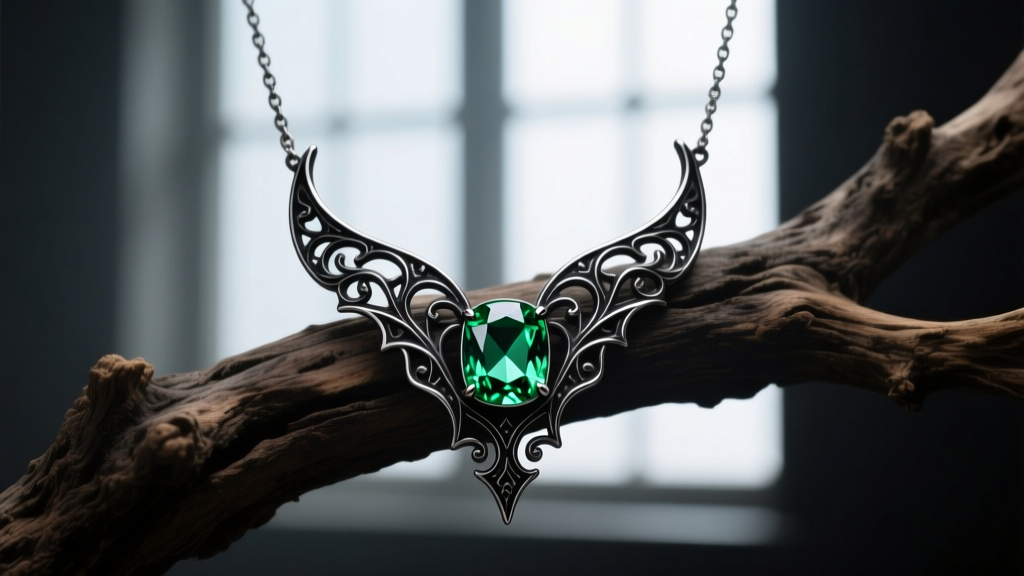
An often-overlooked aspect of fantasy jewelry is the clasp. Heavy, asymmetrical elven pendants create uneven tension on the chain. Standard spring-ring clasps are notorious for failing under these conditions; the internal tension spring degrades, or the tiny lever becomes difficult to operate, leading to accidental openings. For any elven necklace exceeding 12 grams, demand a 10mm or 12mm lobster claw clasp, or better yet, a decorative toggle clasp integrated into the front or side of the chain. Toggle clasps rely on gravity and tension to remain closed, making them vastly superior for heavy, organic pendants.
Styling Framework: Necklines and Layering
Integrating an elven necklace into a modern wardrobe requires an understanding of visual weight and neckline geometry.
- The Deep V-Neck: Pair a 20-to-22-inch foxtail chain with a long, dangling vine pendant. The vertical line of the necklace elongates the torso and draws the eye downward, perfectly framing the V-neckline.
- The Scoop or Boat Neck: Opt for a shorter, 16-to-18-inch choker-style elven necklace that hugs the collarbone. Look for horizontal, sprawling branch motifs rather than vertical drops to complement the wide neckline.
- The Layering Technique: The 2026 "Ranger Core" trend involves layering a delicate 14k gold elven vine choker (15 inches) with a heavier, oxidized silver celestial pendant on a 24-inch rope chain. This mixed-metal, mixed-length approach creates a curated, relic-hunter aesthetic that feels deeply personal and historically rich.
"True ethereal jewelry doesn't scream 'fantasy.' It whispers it. The best elven necklaces are those that pass as high-fashion botanical pieces to the untrained eye, revealing their magical origins only upon closer inspection." — 2026 Jewel Style Radar Trend Report
Ultimately, the modern elven necklace is a triumph of organic design meeting precise metallurgical engineering. By prioritizing Argentium silver, secure bezel settings, and robust foxtail chains, you can invest in a piece of quiet fantasy that will endure far beyond the current trend cycle.


