The Beginner’s Guide to Choosing an Emerald Cut Ruby Necklace
Discover how to choose the perfect emerald cut ruby necklace. Learn about ruby grading, ideal chain pairings, and pricing in our beginner-friendly guide.

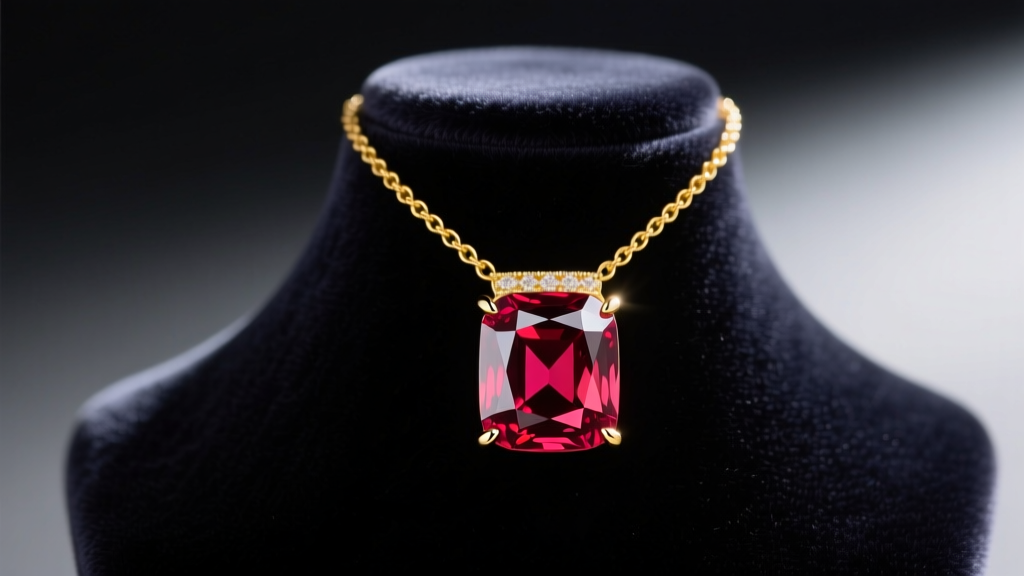
When it comes to colored gemstone jewelry, few pieces command attention quite like an emerald cut ruby necklace. While round brilliant cuts are designed to maximize sparkle, the emerald cut is all about sophisticated, understated elegance. With its long, rectangular facets and cropped corners, this step-cut style creates a mesmerizing "hall of mirrors" effect that draws the eye deep into the stone's natural color. For beginners stepping into the world of fine gemstones, navigating the nuances of ruby quality, setting styles, and chain pairings can feel overwhelming. This comprehensive guide will break down everything you need to know to confidently select, evaluate, and style your first emerald cut ruby pendant.
What Makes the Emerald Cut Special for Rubies?
Despite its name, the emerald cut was originally developed for diamonds before becoming a staple for emeralds and, eventually, rubies. The cut features a large, open table (the flat top surface) and parallel step facets. According to the Gemological Institute of America (GIA), step cuts are highly prized in colored gemstones because they do not scatter light into fiery flashes; instead, they emphasize the stone's inherent hue and saturation.
For rubies, which are valued primarily for their rich red color, the emerald cut acts as a showcase window. However, this large open table is a double-edged sword. Because there are fewer facets to hide behind, any internal inclusions or poor color zoning will be immediately visible. This means that finding a high-quality emerald cut ruby requires a much more discerning eye than purchasing a heavily faceted round or cushion cut.
"The Art Deco era of the 1920s popularized the emerald cut for its clean, geometric lines. Today, it remains the premier choice for collectors who prioritize deep color saturation over sheer brilliance."
How to Evaluate Ruby Quality: The 4 Cs Adapted
When shopping for your necklace, you must evaluate the ruby using a modified version of the traditional diamond 4 Cs. Color and clarity take center stage, while cut precision and carat weight dictate the final price.
1. Color: The Ultimate Value Driver
The most desirable ruby color is often referred to in the trade as "pigeon's blood"—a vivid, highly saturated red with a very slight purplish secondary hue. When looking at an emerald cut, pay close attention to color zoning. Because of the step facets, uneven color distribution will appear as stark, uneven bands across the stone. Always ask to view the pendant in natural daylight or LED lighting that mimics the sun, as warm jewelry store halogens can artificially enhance a ruby's red hue.
2. Clarity: The Step-Cut Challenge
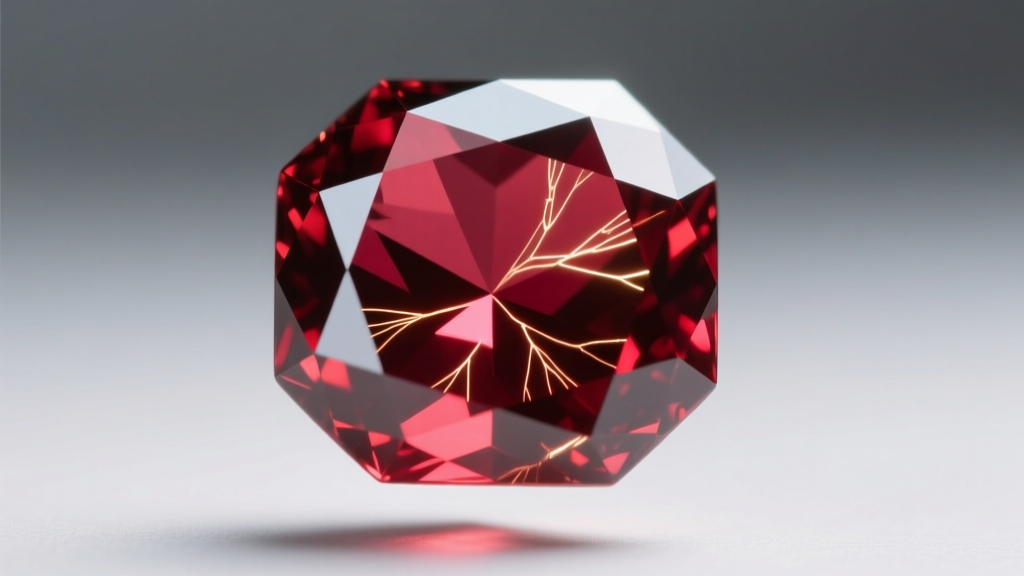
Rubies naturally contain inclusions, most commonly microscopic rutile needles known as "silk." While some silk can actually scatter light and improve a ruby's overall glow, the emerald cut demands higher clarity than other shapes. You should aim for a stone that is "eye-clean" (VS clarity or better). Beware of heavily included stones that have been subjected to lead-glass fracture filling—a common treatment that drastically lowers the stone's value and makes it highly vulnerable to damage from everyday cleaners.
3. Carat Weight and Proportions
Most emerald cut ruby pendants range between 1.00 and 3.00 carats. Because the emerald cut retains more of the original rough crystal than a round cut, you can often get a larger face-up size for your budget. Look for a length-to-width ratio between 1.30 and 1.50 for the most aesthetically pleasing rectangular shape on the neckline.
Choosing the Right Setting and Chain
The way your ruby is secured is just as important as the stone itself. Rubies rank a 9 on the Mohs hardness scale, making them incredibly scratch-resistant. However, they can still chip if struck against a hard surface, particularly at the vulnerable cropped corners of an emerald cut.
Prong vs. Bezel Settings
- V-Prong Setting: The absolute best choice for an emerald cut. V-prongs wrap securely around the four cropped corners, protecting them from impact while allowing maximum light to enter the sides of the stone.
- Standard 4-Prong: Leaves the corners exposed. Only recommended if the ruby is heavily bezel-set or if you plan to wear the necklace exclusively for low-impact evening events.
- Full Bezel: A rim of metal surrounds the entire perimeter. This offers maximum protection and a sleek, modern look, but it slightly reduces the amount of light entering the stone, which can darken a deep-toned ruby.
Pairing the Pendant with the Right Chain
The chain you choose will dictate how the pendant sits on your chest. An emerald cut ruby is heavy and geometric; it requires a chain with enough structural integrity to support it without tangling.
| Chain Style | Ideal Thickness | Best For |
|---|---|---|
| Box Chain | 1.0mm - 1.5mm | Modern, geometric pendants; offers excellent strength and a smooth drape. |
| Cable Chain | 1.2mm - 1.8mm | Classic, traditional looks; highly durable but can catch on fine fabrics. |
| Wheat Chain | 1.5mm - 2.0mm | Heavier pendants (2.50+ carats); provides a luxurious, braided texture. |
Pricing Expectations and Market Realities
Understanding the pricing tiers for an emerald cut ruby necklace will help you set a realistic budget and avoid overpaying for treated stones. The market is currently divided into three main categories:
- Lab-Grown Rubies ($400 - $1,200): Chemically and optically identical to natural rubies, lab-grown stones offer flawless clarity and vivid color at a fraction of the cost. They are an excellent choice for everyday wear and travel.
- Natural Heated Rubies ($2,500 - $8,000+): Heat treatment is a standard, universally accepted practice that improves color and clarity. A 1.50-carat emerald cut heated ruby of good quality in an 18k gold setting will typically fall in this range.
- Natural Unheated Rubies ($15,000 - $50,000+): Unheated rubies with "pigeon's blood" color and high clarity are exceptionally rare investment-grade assets. These require certification from top-tier labs like GIA or Gübelin.

Styling Your Emerald Cut Ruby Necklace
The geometric nature of the emerald cut makes it incredibly versatile for styling, but it requires careful consideration of your neckline.
The 16-Inch Drop (Choker/Collarbone)
A 16-inch chain places the ruby pendant directly on the collarbone. This is ideal for V-neck blouses, wrap dresses, and open-collar button-downs. The vertical lines of the emerald cut will naturally elongate the neck and draw the eye downward, complementing the V-shape of the garment.
The 18-Inch Drop (Princess Length)
An 18-inch chain allows the pendant to rest just below the collarbone, making it perfect for crew necks, scoop necks, and high-neck sweaters. If you are layering your ruby necklace with other chains, use the 18-inch length as your anchor piece and pair it with a 16-inch delicate gold chain and a 20-inch simple pendant to create a curated, multi-dimensional look.
Final Care and Maintenance Tips
To keep your emerald cut ruby necklace looking pristine, proper care is essential. While rubies are durable, the settings are not. Clean your pendant using a bowl of warm water, a drop of mild dish soap, and a soft baby toothbrush. Gently brush the back of the stone (the pavilion) where lotion and skin oils accumulate, which can dull the stone's transparency.
Crucial Warning: Never place a ruby necklace in an ultrasonic cleaner unless you are 100% certain the stone has not been fracture-filled. Ultrasonic vibrations can shatter the glass-like fillings inside treated rubies, ruining the stone. When in doubt, stick to gentle hand-cleaning and have a professional jeweler inspect the prongs every 12 months to ensure your precious gemstone remains secure.


