What Is a KA 1772 Italy 925 Necklace Worth in 2026?
Discover the true value of a KA 1772 Italy 925 necklace in 2026. Learn how to appraise Italian sterling silver and match it to the perfect gifting occasion.

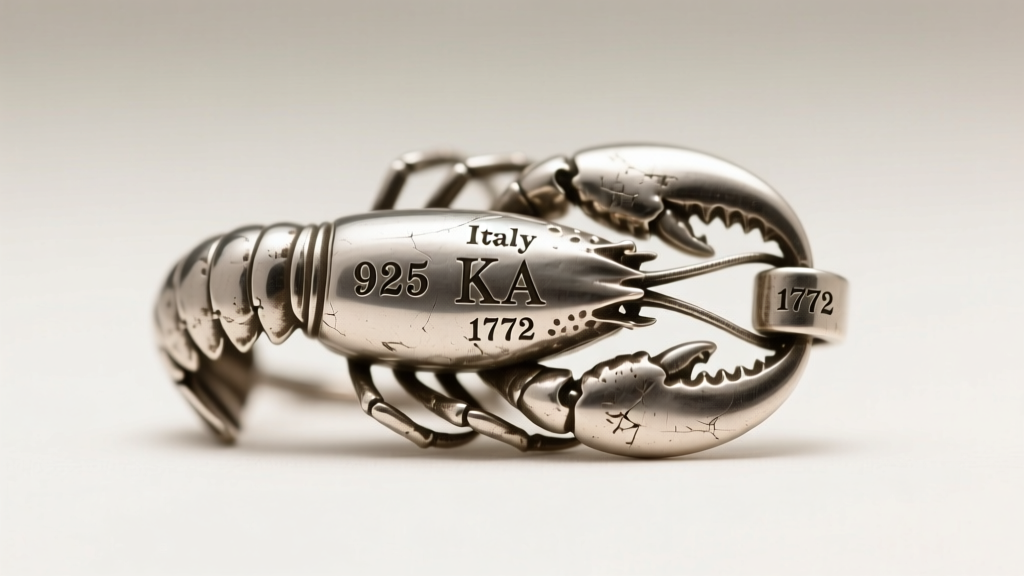
Estate jewelry shopping and vintage gifting have surged in popularity, bringing unique, historically rich pieces back into the spotlight. Among the most frequently searched estate finds is the Italian sterling silver necklace bearing the enigmatic stamps: 'KA', '1772', 'Italy', and '925'. Whether you have inherited this piece, found it at an antique market, or are considering purchasing it as a gift, understanding its true market value and historical context is essential. In 2026, with precious metal markets fluctuating and vintage craftsmanship highly prized, appraising this specific necklace requires looking beyond simple melt value. This comprehensive guide will decode the hallmarks, provide a precise valuation framework, and offer expert advice on matching this exquisite Italian silver piece to the perfect gifting occasion.
Decoding the Hallmarks: What Do the Stamps Actually Mean?
To accurately appraise any piece of precious metal jewelry, you must first understand the language of its hallmarks. According to the Gemological Institute of America (GIA), international hallmarks serve as a guarantee of purity and origin. Here is the exact breakdown of the 'KA 1772 Italy 925' markings:
- 925: This is the universal standard for Sterling Silver, indicating that the alloy consists of 92.5% pure silver and 7.5% strengthening metals (usually copper). This ratio provides the ideal balance of brilliance and durability for intricate chain weaving.
- Italy: This confirms the country of origin. Italy, specifically regions like Arezzo and Vicenza, has been the global capital of precision chain-making and diamond-cut silver techniques since the mid-20th century.
- KA: This is the registered maker's mark or sponsor's mark. While sometimes confused with the brand 'Karo', in the context of mid-century and late-century Italian exports, 'KA' often denotes a specific silversmithing cooperative or an import sponsor mark used for international distribution.
- 1772: A common misconception is that this represents the year of manufacture. In reality, 1772 is a manufacturer's catalog, pattern, or model number. Italian silver factories assign numerical codes to specific chain weaves (such as a specific gauge of Guilloché or a distinct rope twist) to streamline wholesale ordering.
Calculating the True Worth in 2026
Valuing a vintage Italian silver necklace requires a two-pronged approach: calculating the intrinsic melt value and assessing the artisan premium. To find the melt value, you need a digital jewelry scale and the current silver spot price, which you can track daily via the Kitco silver spot market.
The formula for melt value is: (Total Gram Weight / 31.1035) x 0.925 x Current Spot Price per Troy Ounce. Assuming a 2026 baseline spot price of $34.00 per troy ounce, here is how different chain weights translate to base value and estimated retail gifting value.
| Chain Style | Avg. Weight (Grams) | Pure Silver (Troy Oz) | Base Melt Value | 2026 Vintage Retail Value |
|---|---|---|---|---|
| Delicate Box Chain | 15g | 0.44 oz | $14.96 | $45 - $65 |
| Standard Figaro | 35g | 1.04 oz | $35.36 | $90 - $130 |
| Heavy Rope Chain | 65g | 1.93 oz | $65.62 | $180 - $250 |
| Complex Bizantine | 90g | 2.67 oz | $90.78 | $280 - $400+ |
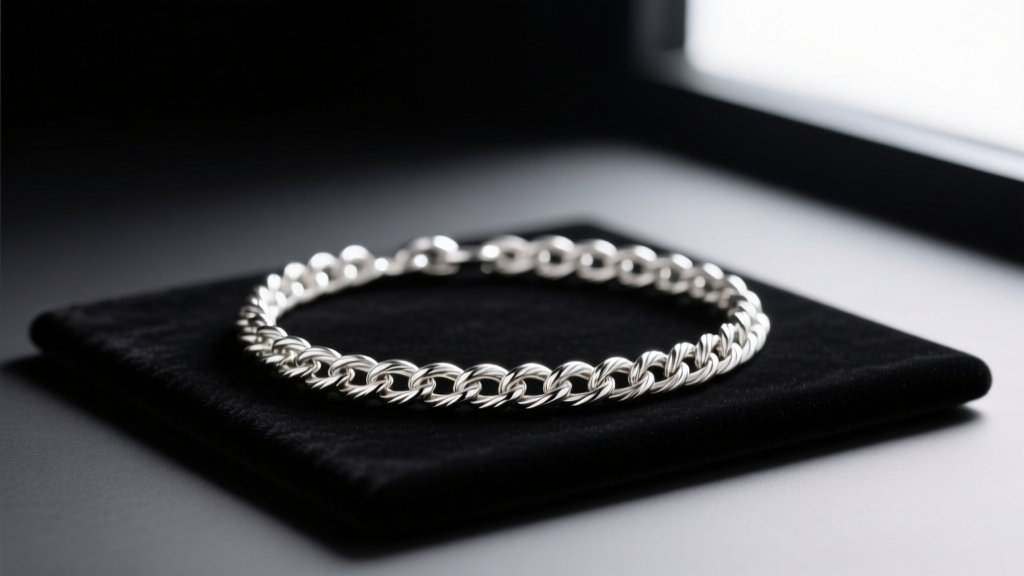
The 'Vintage Retail Value' accounts for the craftsmanship premium. Italian chain-makers are renowned for techniques like diamond-cutting, which facets the silver to catch the light without the need for gemstones. A complex weave like the Bizantine or a tightly wound Rope chain commands a much higher premium over melt value than a simple cable chain, making it a far more impressive and valuable gift.
The Gifting Guide: Occasion Matching for Italian Sterling Silver
Silver jewelry carries deep symbolic weight, representing clarity, reflection, and enduring strength. When you gift a piece of authenticated Italian sterling silver, you are not just giving a metal; you are giving a piece of European artisanal heritage. Here is how to match this specific necklace to the right milestone.
The 25th Silver Anniversary
The 25th wedding anniversary is universally recognized as the Silver Anniversary. Gifting a heavy-gauge, vintage Italian rope or wheat chain is a profound nod to this milestone. The durability of the 925 alloy mirrors the resilience of a quarter-century marriage. For this occasion, opt for a necklace weighing at least 40 grams. The substantial weight on the collarbone feels luxurious and significant, distinguishing it from everyday, lightweight jewelry. Pair it with a handwritten note detailing the '925' hallmark as a metaphor for a relationship that is 92.5% pure joy, with a little bit of necessary alloy to make it unbreakable.
Milestone Graduations and Career Landmarks
A sleek, diamond-cut Italian box or snake chain is an exceptional gift for a college graduation or a first major career promotion. These styles are sophisticated, professional, and sit beautifully against the neckline of a blazer or a silk blouse. The '1772' pattern number can be playfully framed in your gift card as a 'unique serial number for a one-of-a-kind career.' Because these chains reflect light brilliantly, they serve as a subtle, elegant statement piece in corporate or formal environments.
Curating the Perfect Presentation
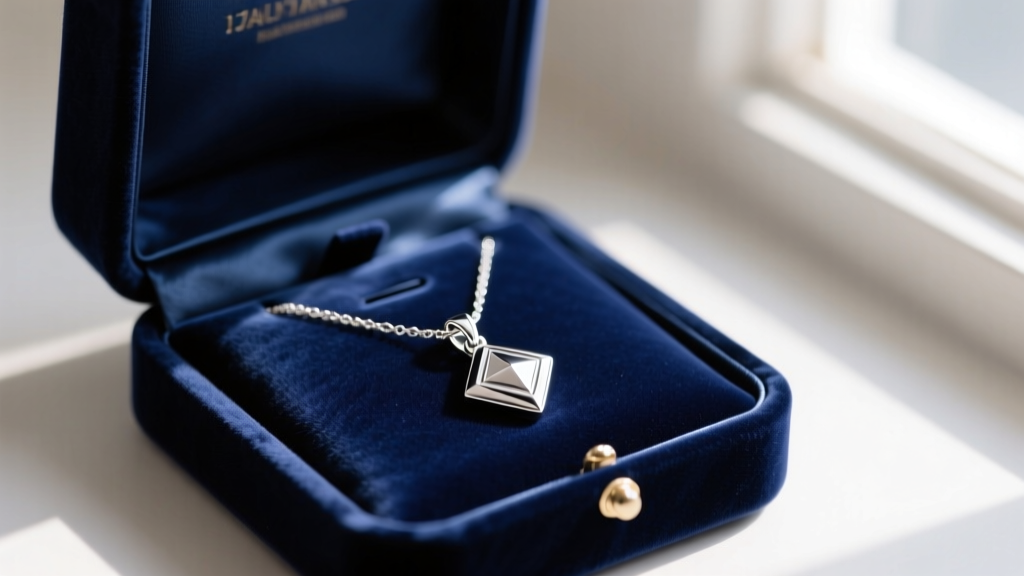
Presentation elevates the perceived value of estate and vintage jewelry. Never gift a silver necklace in a flimsy cardboard box or a tarnished plastic bag. Invest in a hinged, tarnish-resistant velvet or suede jewelry box. Include a small packet of anti-tarnish strips and a high-quality microfiber polishing cloth. This shows the recipient that you understand the care required for fine silver and adds a layer of thoughtful luxury to the unboxing experience.
Authenticity and Condition Checks Before You Gift
Before presenting a KA 1772 Italy 925 necklace as a gift, you must verify its authenticity and condition. The secondary market is unfortunately flooded with counterfeit stamps. Follow this expert troubleshooting checklist:
- The Magnet Test: Sterling silver is paramagnetic, meaning it is not attracted to magnets. If the chain or the clasp jumps to a strong neodymium magnet, the core is likely brass or steel, and the piece is merely silver-plated.
- Inspect the Clasp and Links: Italian manufacturing is characterized by seamless, soldered links. Examine the chain under a jeweler's loupe. If the links are pinched shut rather than soldered, or if the clasp feels flimsy and lightweight, it may be a modern mass-produced imitation.
- The Ice Test: Silver has the highest thermal conductivity of any common metal. If you place an ice cube on the thickest part of the chain, it should begin to melt almost instantaneously, much faster than it would on stainless steel or glass.
- Check for Tarnish Patterns: Authentic 925 silver tarnishes to a yellowish, brownish, or black hue due to the copper content reacting with sulfur in the air. If the piece is flaking, peeling, or revealing a green or pinkish metal underneath, it is silver-plated over a base metal core and holds virtually no intrinsic or gifting value.
Final Thoughts on Valuation and Gifting
A necklace stamped with 'KA 1772 Italy 925' is a beautiful intersection of intrinsic precious metal value and mid-century European craftsmanship. While its baseline worth is tethered to the daily fluctuations of the silver market, its true value as a gift lies in its durability, its brilliant Italian design, and its suitability for life's most meaningful milestones. By accurately calculating its weight, verifying its authenticity, and matching its specific chain style to the recipient's milestone, you transform a simple estate find into an unforgettable, heirloom-quality gift.


