Israeli Mezuzah Necklace Which Opens: Material Comparison
Discover the best metals for an Israeli mezuzah necklace which opens. Compare silver, gold, and titanium for durability, scroll protection, and style.

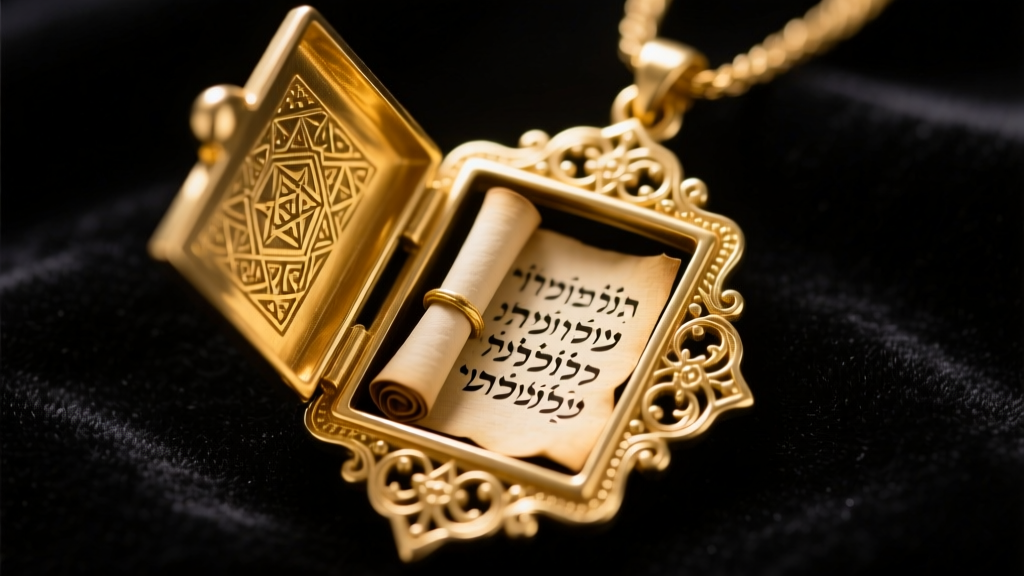
The Engineering Behind Functional Faith Jewelry
When shopping for religious jewelry, the distinction between a symbolic ornament and a functional vessel is critical. An israeli mezuzah necklace which opens is not merely a decorative pendant; it is a micro-architectural enclosure designed to house a genuine klaf (a kosher parchment scroll inscribed by a Sofer STaM). Because the pendant must be opened to verify the scroll's integrity or replace it, the structural properties of the metal dictate both the lifespan of the jewelry and the preservation of the sacred text inside.
Unlike solid cast pendants, an opening mezuzah requires precision machining. The metal must withstand repeated friction, resist cross-threading, and prevent environmental contaminants from degrading the organic parchment. In this comprehensive material guide, we evaluate the metallurgical properties of the most common alloys used in functional mezuzah necklaces, providing you with the data needed to make an informed, lifelong purchase.
Mechanics: Screw-Top vs. Hinged Enclosures
Before analyzing specific metals, it is essential to understand the mechanical forces at play. Opening mechanisms generally fall into two categories:
- Screw-Top Cylinders: The most common and secure design. The cap features internal threads that mate with the external threads of the pendant body. High-quality versions include a microscopic nitrile O-ring gasket to create a waterproof seal, protecting the scroll from sweat and humidity.
- Hinged or Friction-Fit Caps: Less common for Israeli designs, these rely on a tension fit or a small hinge. While easier to open, they lack a hermetic seal, making the internal environment highly susceptible to ambient moisture.
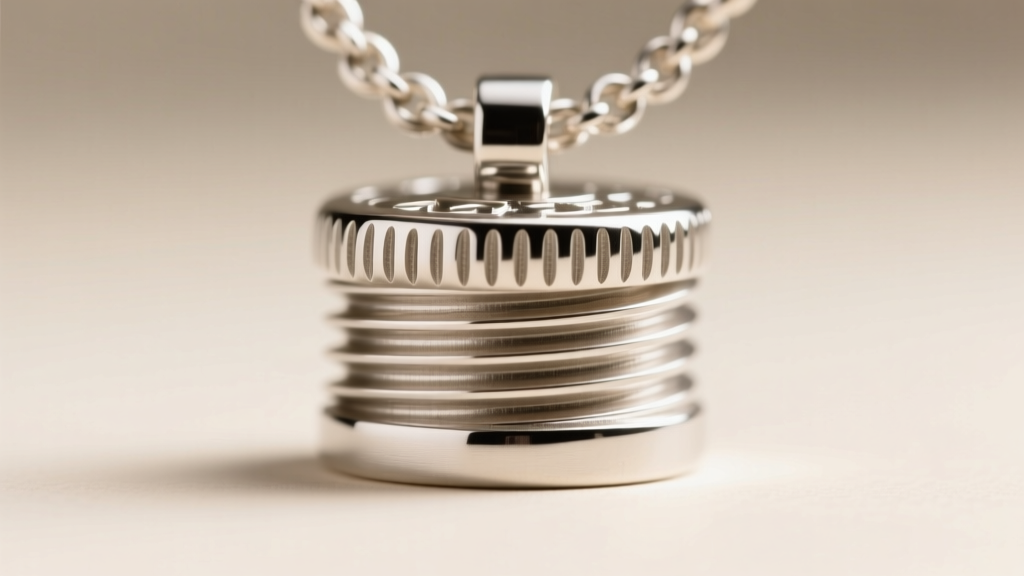
The integrity of a screw-top design relies entirely on the tensile strength and hardness of the chosen metal. If a metal is too soft, the threads will strip after a dozen rotations. If it is too brittle, the cap may crack under torque.
Material Properties and Thread Durability
925 Sterling Silver: The Traditional Standard
Sterling silver (92.5% silver, 7.5% copper) is the most prevalent material for Israeli mezuzah necklaces. Its high thermal conductivity and brilliant luster make it a favorite for intricate filigree and engraved designs. However, from a mechanical standpoint, sterling silver is relatively soft (Mohs hardness of 2.5 to 3).
The Thread Stripping Risk: The copper alloy in 925 silver provides some durability, but the threads on a silver screw-cap are highly susceptible to cross-threading. If the cap is forced at an angle, the silver threads will shear off. Furthermore, silver reacts with sulfur in the air and human sweat to form silver sulfide (tarnish). This tarnish can build up in the thread grooves, increasing friction and eventually causing the cap to seize or strip.
14k and 18k Gold: The Premium Choice
Gold is measured in karats, which dictates its alloy composition and mechanical strength. For an opening pendant, 14k gold (58.3% pure gold) is metallurgically superior to 18k gold. The higher percentage of alloy metals (such as copper, silver, and zinc) in 14k gold significantly increases its tensile strength and yield point. This means 14k gold threads are highly resistant to stripping and deformation, even with frequent opening and closing. Additionally, gold does not oxidize or tarnish, ensuring that the internal chamber remains chemically inert and safe for the parchment.
Grade 5 Titanium: The Modern Marvel
Titanium, specifically Grade 5 (Ti-6Al-4V), is increasingly used in high-end functional jewelry. It boasts a strength-to-weight ratio that dwarfs precious metals. Titanium threads are virtually indestructible under normal hand-torque, completely eliminating the risk of cross-threading or stripping. It is also 100% hypoallergenic and entirely impervious to corrosion. The primary drawback is manufacturing difficulty; because titanium is so hard, machining precise, micro-fine threads requires advanced CNC tooling, which limits the availability of highly ornate or filigree titanium designs.
Comprehensive Metal Comparison Chart
| Metal / Alloy | Thread Durability | Tarnish / Oxidation Risk | Avg. Price Range (USD) | Best Use Case |
|---|---|---|---|---|
| 925 Sterling Silver | Moderate (Prone to stripping if forced) | High (Requires rhodium flash or polishing) | $45 - $150 | Ornate, traditional designs; occasional opening |
| 14k Yellow / White Gold | High (Excellent tensile strength) | None (Chemically inert) | $350 - $900+ | Heirloom pieces; daily wear; frequent access |
| 18k Gold | Moderate-High (Softer than 14k) | None | $600 - $1,500+ | Luxury aesthetic with moderate durability |
| Grade 5 Titanium | Extreme (Virtually indestructible) | None | $60 - $200 | Active lifestyles; modern minimalist designs |
| 316L Stainless Steel | High (Strong but heavy) | Very Low | $25 - $80 | Budget-friendly, high-durability daily wear |
Data sourced from industry standard jewelry manufacturing benchmarks and precious metal refining specifications outlined by Hoover & Strong.
Preserving the Klaf: Metal Oxidation and Parchment Degradation
The most overlooked aspect of choosing an israeli mezuzah necklace which opens is how the internal metal environment interacts with the klaf. According to Chabad.org, the parchment must remain dry, intact, and legible to fulfill its spiritual purpose.
When sterling silver tarnishes, it off-gasses microscopic sulfur compounds. In a sealed, unventilated cylinder, these compounds can accelerate the degradation of the organic animal skin parchment, causing it to yellow, become brittle, or cause the iron gall ink to fade. Gold and titanium, being completely inert, provide a stable, non-reactive micro-climate. If you must choose silver for its aesthetic or cultural significance, ensure the pendant features an internal rhodium plating or a glass/plastic inner sleeve to create a barrier between the silver and the scroll.
Maintenance and Cleaning Protocols
Cleaning an opening mezuzah requires a strict protocol to avoid ruining the scroll or damaging the mechanical threads.
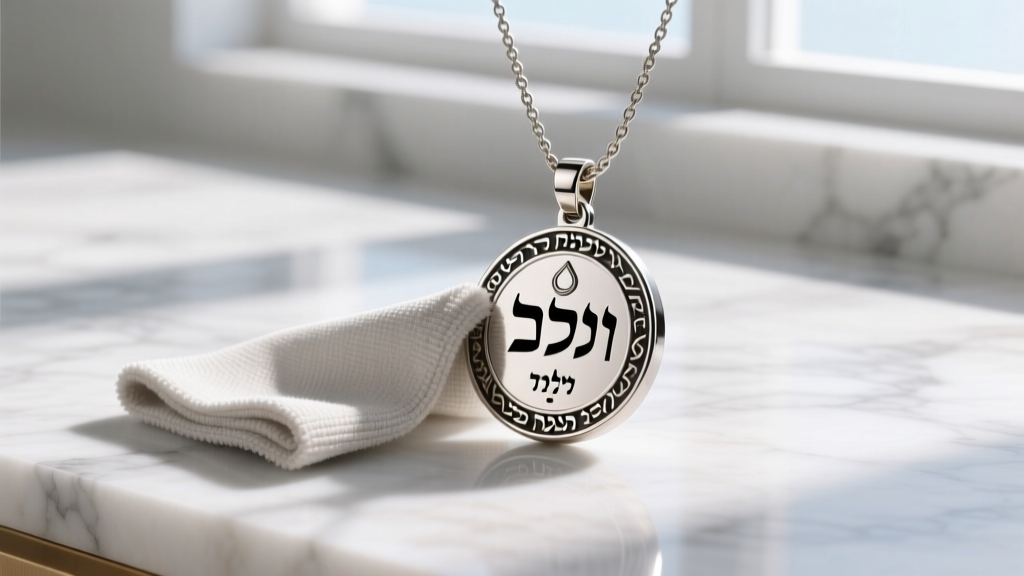
- Always Remove the Scroll: Never submerge an opening mezuzah in liquid jewelry cleaners or ultrasonic baths while the scroll is inside. Moisture will instantly ruin the parchment.
- Thread Lubrication: If a silver or steel cap becomes difficult to unscrew, do not use force. Apply a microscopic drop of synthetic watch oil or jewelers' thread wax to the external threads to dissolve tarnish buildup and restore smooth rotation.
- O-Ring Inspection: For pendants featuring a waterproof gasket, inspect the rubber O-ring annually. Body oils and lotions can degrade the rubber over time, compromising the seal.
Final Verdict: Selecting Your Pendant
The ideal metal for your israeli mezuzah necklace which opens depends entirely on your lifestyle and how frequently you intend to access the scroll.
For those seeking an heirloom-quality piece that will endure decades of daily wear and frequent opening without thread degradation, 14k Gold is the undisputed champion. Its perfect balance of tensile strength, chemical inertness, and traditional beauty makes it the safest investment for protecting the sacred text inside.
For active individuals, athletes, or those on a budget who require maximum structural integrity, Grade 5 Titanium offers unparalleled thread durability and corrosion resistance, ensuring the pendant will never seize or break, even in harsh environments. Conversely, if you prefer the classic, bright white luster of Sterling Silver, commit to a regular polishing routine and handle the screw-cap with deliberate care to preserve the delicate machined threads.


