Repairing Your Jane Win Heart Necklace: A Troubleshooting Guide
Expert troubleshooting for your Jane Win heart necklace. Learn how to fix tarnished vermeil, untangle micro-knots, and restore chipped enamel.

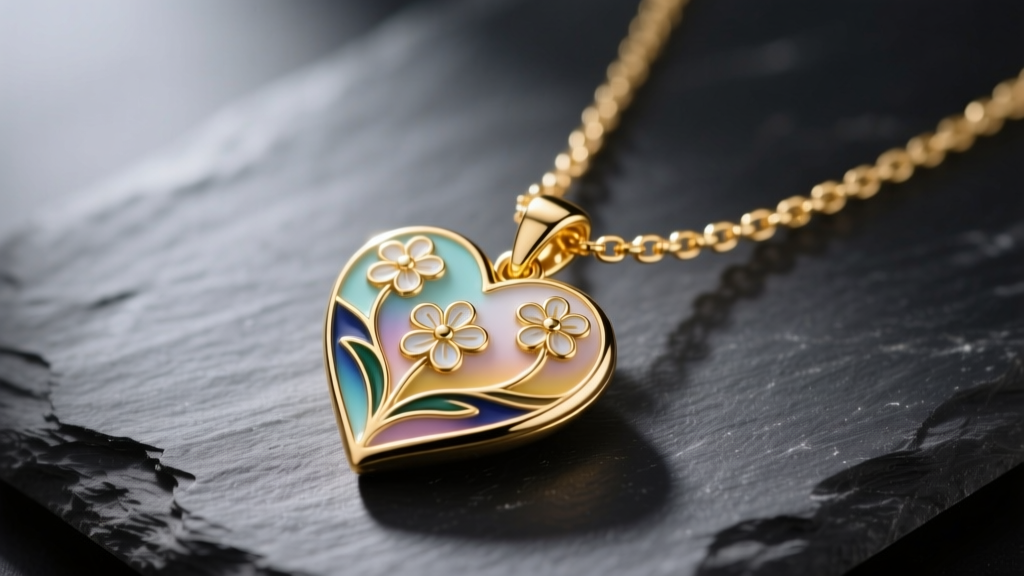
The Anatomy of Your Jane Win Heart Necklace
Owning a Jane Win heart necklace means investing in a piece of talismanic, vintage-inspired art. However, the very materials that give these pendants their antique charm—specifically 18k gold vermeil and hand-painted enamel—require specialized troubleshooting when things go wrong. Unlike solid 14k or 18k gold, vermeil is a layered material. According to the Federal Trade Commission's Jewelry Guides, true vermeil must consist of a 925 sterling silver base plated with at least 2.5 microns of 10k or higher gold. When the gold layer wears thin at high-friction points, the underlying silver is exposed to oxygen and sulfur, resulting in rapid tarnishing. This guide provides actionable, expert-level troubleshooting for the most common issues plaguing your Jane Win heart necklace.
Troubleshooting Vermeil Tarnish and Gold Wear-Through
The most frequent complaint with any vermeil pendant is the darkening of the metal near the clasp or the bail. This is not 'fake gold' peeling off; it is silver sulfide forming on the exposed sterling silver core.
What Never To Do
- Avoid Ultrasonic Cleaners: The 40kHz high-frequency waves can cause micro-fractures in the pendant's enamel detailing and accelerate the delamination of the gold plating.
- Skip Silver Dip Solutions: Liquid silver polishers contain thiourea, a harsh chemical that will instantly strip the remaining gold vermeil layer, leaving you with a bare silver heart.
The Safe Cleaning Protocol
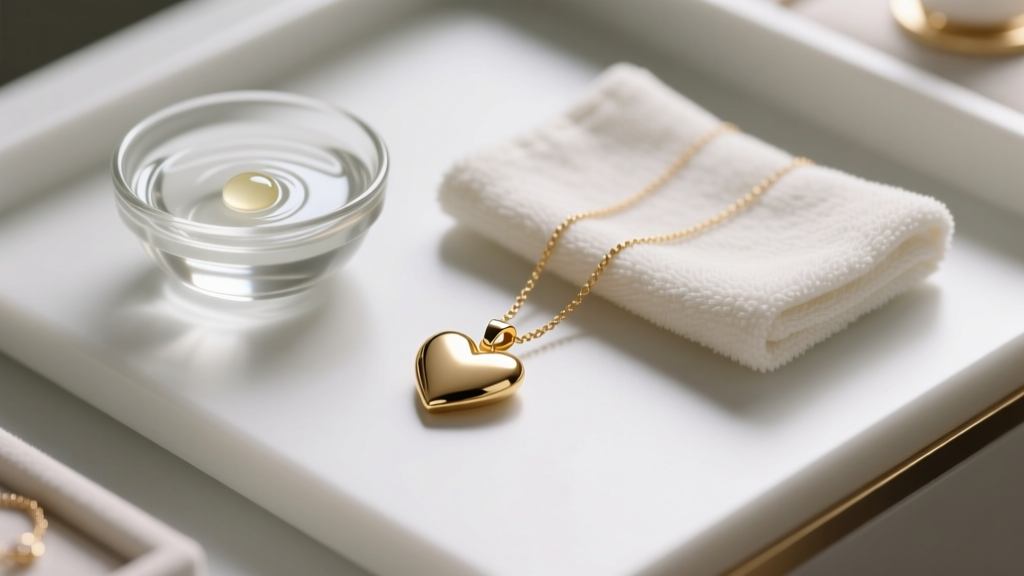
To safely remove tarnish without compromising the gold layer, use a phosphate-free, mild dish soap and lukewarm water. The Gemological Institute of America (GIA) recommends using a baby-soft toothbrush to gently agitate the surface. For localized silver tarnish on exposed areas, use a treated polishing cloth (like a Sunshine cloth), but only apply it to the darkened silver spots, carefully avoiding the surrounding gold vermeil to prevent uneven wear.
Resolving Chain Knots and Lobster Clasp Failures
Jane Win typically pairs their heart talismans with delicate 1.2mm to 1.5mm cable or rolo chains. While elegant, these fine links are highly susceptible to 'birdcage' micro-knots and clasp fatigue.
Untangling Micro-Knots
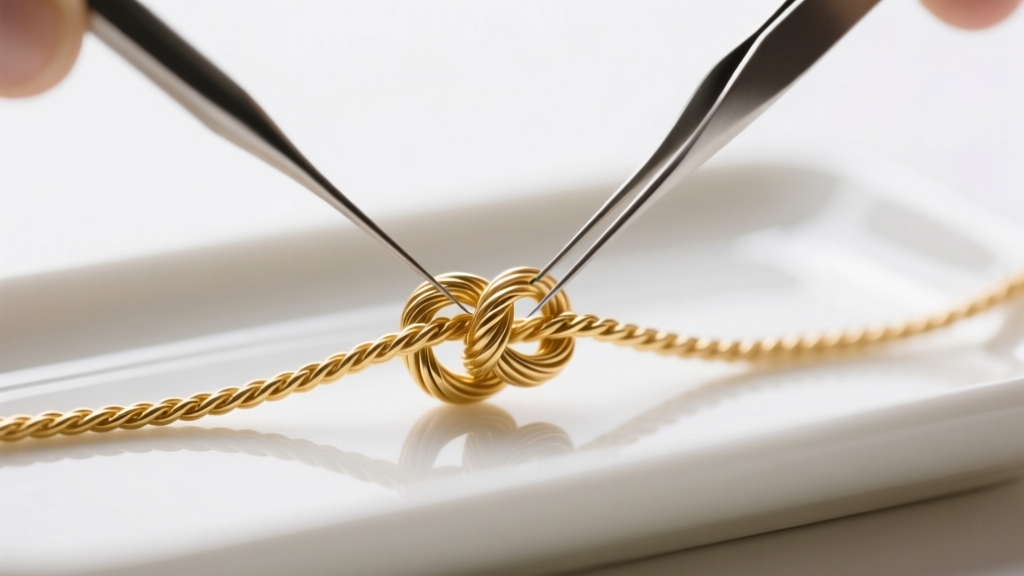
Do not pull the chain tight. Instead, lay the necklace flat on a white ceramic tray to provide high contrast. Apply a single drop of mineral oil to the knot. Unlike baby oil, mineral oil evaporates cleanly without leaving a sticky residue that attracts dust. Using two 0.3mm steel beading needles, gently work the needles into the center of the knot and push outward in opposite directions. Once loosened, wipe the chain with a microfiber cloth.
Fixing a Spongy Lobster Clasp
If the lever on your lobster clasp feels spongy or fails to snap shut, the internal steel spring is either dirty or failing. Never use WD-40, as it contains solvents that degrade jewelry finishes. Instead, use a micro-drop of synthetic watch oil applied via a fine needle tip. Work the lever back and forth to distribute the lubricant. If the spring is completely broken, a local bench jeweler can solder on a replacement 5mm or 7mm 14k gold-filled lobster clasp for approximately $25 to $45.
Jeweler's Note: Never attempt to solder a broken chain link directly adjacent to the pendant bail. The heat required for soldering will easily exceed 1400°F, which will instantly melt or scorch the delicate enamel detailing on your Jane Win heart.
Enamel Chipping: Restoration Options Compared
The vitreous or cold enamel used on Jane Win heart necklaces adds vibrant color but is essentially glass or hardened resin, making it vulnerable to chipping if dropped on hard surfaces like marble or tile.
| Repair Method | Best For | Estimated Cost | Durability |
|---|---|---|---|
| Professional Enamel Restoration | Deep chips, vintage color matching | $85 - $150 | Permanent (if vitreous) |
| Jeweler's Epoxy Resin Fill | Superficial scratches, minor edge chips | $40 - $70 | Moderate (may yellow over 3-5 years) |
| DIY Enamel Paint (Testors) | Tiny pinpoint dots on non-vintage colors | $5 - $15 | Low (prone to flaking) |
Expert Recommendation: If your Jane Win piece features their signature gradient or translucent enamel, DIY fixes will look patchy and ruin the talismanic aesthetic. Send it to a specialist enamel restorer who can kiln-fire a matching vitreous enamel powder into the chip.
The Impact of Skin pH and Chemical Exposures
One of the most misunderstood aspects of troubleshooting vermeil jewelry is the role of the wearer's unique body chemistry. The pH level of your skin, combined with daily chemical exposures, dictates how quickly the gold layer on your Jane Win heart necklace will degrade.
Acidic Skin and Gold Delamination
Human skin typically has a slightly acidic pH ranging from 4.7 to 5.75. However, diets high in processed foods, certain medications, and even stress can lower your skin's pH, making it more acidic. Highly acidic sweat accelerates the oxidation of the 925 sterling silver base beneath the gold. As the silver oxidizes, it expands microscopically, causing the overlying gold layer to blister and flake off. If you notice the gold on your pendant wearing away rapidly within the first six months, test your skin's pH using simple litmus paper. If your pH is below 5.0, consider applying a micro-thin layer of clear nail polish to the back of the pendant where it touches your skin, or opt to wear the necklace over clothing rather than directly against your chest.
Chlorine and Sulfur Exposure
Chlorine in swimming pools and hot tubs is the ultimate enemy of gold alloys and plating. Chlorine reacts with the copper and silver alloys in the vermeil, creating microscopic stress corrosion cracks. Similarly, sulfur—found in hot springs, certain rubber bands, and even the cardboard of some jewelry boxes—will instantly blacken exposed sterling silver. If your Jane Win necklace is accidentally exposed to chlorinated water, immediately rinse it in distilled water (not tap water, which contains trace minerals and chlorine) and pat it completely dry with a lint-free cloth.
Preventative Storage and Maintenance
Troubleshooting is only half the battle; preventing material degradation is paramount for layered jewelry.
- Climate Control: Store the necklace in a sealed silicone pouch with a 3M anti-tarnish strip. These strips absorb sulfur compounds in the air, extending the life of the vermeil plating by up to 24 months.
- The 'Last On, First Off' Rule: Perfumes, hairsprays, and lotions contain alcohols and emulsifiers that break down the microscopic bonds of gold plating and dull enamel. Always put your necklace on after applying cosmetics.
- Friction Reduction: When traveling, thread the chain through a plastic straw before clasping it. This prevents the chain from tangling and stops the pendant from scratching against other jewelry in your case.
By understanding the specific material science behind your Jane Win heart necklace, you can confidently troubleshoot wear-and-tear, ensuring your talisman remains a vibrant, meaningful staple in your jewelry wardrobe for decades.


