Expert Guide to Evaluating a Lia Sophia Silver Necklace
Discover how to authenticate, evaluate, and restore a vintage Lia Sophia silver necklace with our expert guide on hallmarks, metals, and clasps.

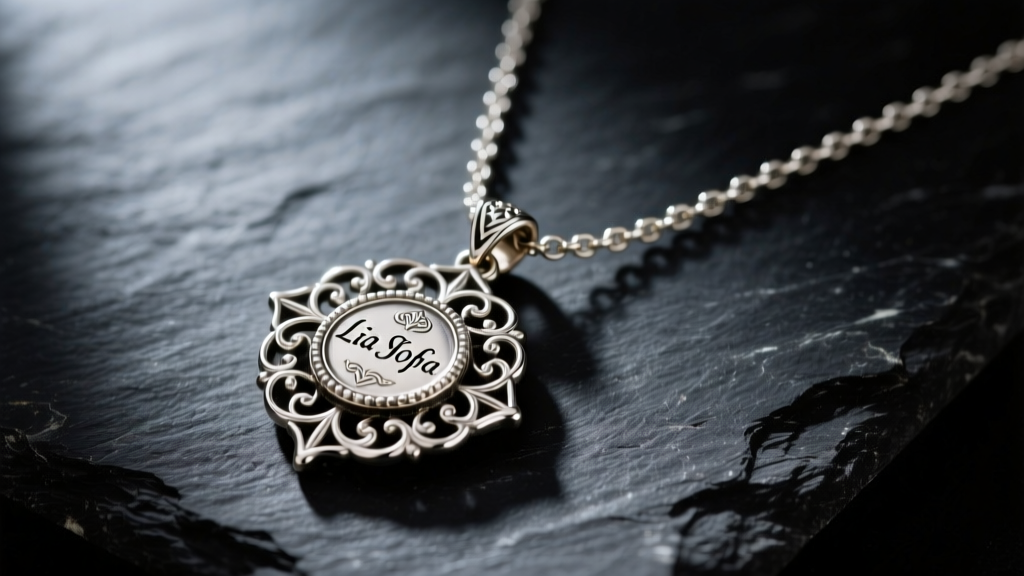
The Secondary Market Renaissance of Defunct Fashion Jewelry
As we navigate the vintage and estate jewelry landscape in 2026, the secondary market has seen a massive resurgence in interest for defunct direct-sales brands. Among the most frequently searched and highly collected items is the lia sophia silver necklace. Originally distributed through a massive network of independent advisors until the company's closure in the mid-2010s, Lia Sophia built a reputation for accessible, trend-driven pieces that often mimicked high-end designer aesthetics. However, because the brand is no longer in production, evaluating, authenticating, and restoring these pieces today requires a deep understanding of their specific metallurgical compositions and manufacturing quirks.
Unlike contemporary sterling silver jewelry, a vintage Lia Sophia silver necklace is rarely solid .925 sterling. Instead, the brand relied heavily on advanced electroplating techniques over base metals. For collectors, estate liquidators, and vintage jewelry enthusiasts, understanding the technical nuances of these materials is the difference between uncovering a durable, wearable artifact and purchasing a rapidly degrading novelty item. This expert deep dive will dissect the material science, authentication frameworks, and restoration protocols required to properly evaluate these specific necklaces.
Metallurgy & Material Composition: Decoding 'Silver-Tone'
When buyers encounter a Lia Sophia silver necklace on platforms like eBay, Poshmark, or estate auctions, the term 'silver' is frequently misused by amateur sellers. To properly evaluate these pieces, we must look at the exact metallurgical layering used by the brand's manufacturers.
The Rhodium-Plated Brass Standard
The vast majority of silver-colored Lia Sophia necklaces are not silver-plated; they are rhodium-plated over a brass or zinc-alloy base. Rhodium is a rare, noble metal in the platinum group, prized for its exceptional hardness, high reflectivity, and complete resistance to oxidation and tarnish at room temperature. According to the Gemological Institute of America (GIA), rhodium plating in fashion jewelry typically ranges from 0.5 to 1.5 microns in thickness. Lia Sophia's higher-end lines often utilized the thicker end of this spectrum, which is why many of their necklaces from the late 2000s still retain a brilliant, mirror-like finish today, provided the structural integrity of the plating remains intact.
The Sterling Silver Exceptions
While rare, Lia Sophia did produce limited capsule collections featuring genuine .925 sterling silver. These pieces are significantly heavier and lack the extreme, almost glass-like reflectivity of rhodium. Under the Federal Trade Commission (FTC) Jewelry Guides, any piece marketed as sterling must contain at least 92.5% pure silver and be appropriately stamped. If a Lia Sophia necklace lacks a distinct '.925' or 'Sterling' stamp alongside the brand hallmark, it is almost certainly a rhodium-plated base metal.
Authentication Framework: Hallmarks, Clasps, and Jump Rings
Counterfeiting of mid-tier fashion jewelry is less common than luxury counterfeiting, but 'franken-pieces' (necklaces assembled from broken Lia Sophia pendants and generic replacement chains) flood the secondary market. Authenticating a lia sophia silver necklace requires a meticulous inspection of three specific hardware elements.
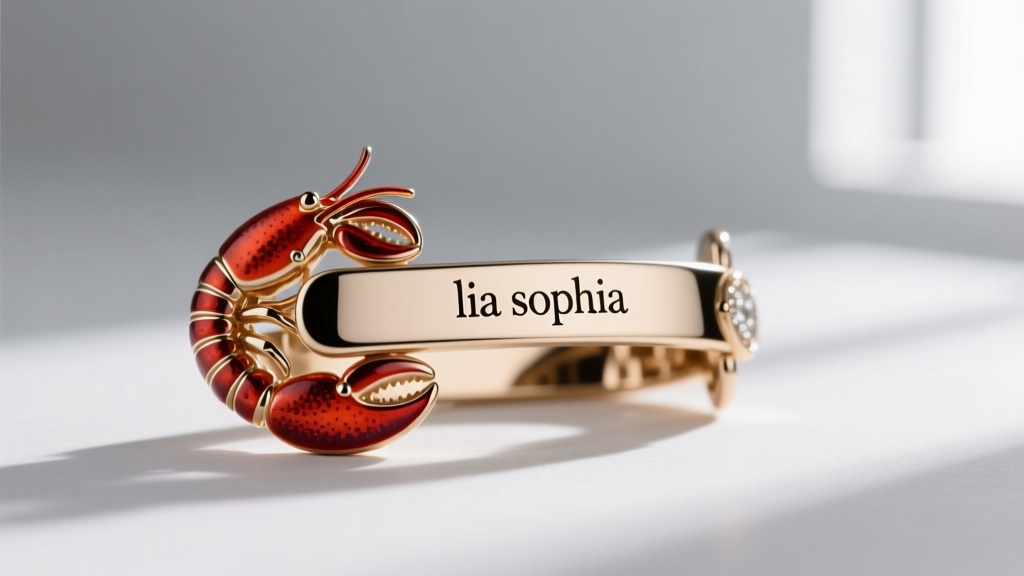
- The Brand Stamp: Genuine pieces typically feature the 'lia sophia' trademark stamped in all lowercase letters. On pendants, this is often hidden on the flat back or integrated into an oval cartouche soldered to the bail. On chains, the stamp is usually located on a small metal tag attached directly adjacent to the clasp.
- Custom Clasp Mechanisms: Lia Sophia frequently utilized custom-cast lobster clasps rather than generic stamped sheet-metal clasps. These custom clasps often feature a slightly bulbous, ergonomic lever and a reinforced, soldered jump ring on the opposite end. The interior spring mechanism on authentic vintage pieces should still offer robust tension; a weak or sticky lever indicates internal corrosion of the base metal.
- Soldered vs. Open Jump Rings: High-quality Lia Sophia chains feature soldered jump rings (rings where the seam is fused shut with silver or brass solder) at the clasp connection points. If you see an open, easily pried-apart jump ring connecting the clasp to the chain, the piece has likely been altered or repaired post-manufacture.
Secondary Market Valuation Matrix (2026)
The valuation of a Lia Sophia silver necklace in today's market is dictated less by intrinsic metal value and more by design rarity, condition of the rhodium plating, and the presence of intact crystal pavé work. Below is a technical valuation matrix based on current secondary market transaction data.
| Collection / Style | Base Material | Plating / Finish | 2026 Avg. Resale Value (USD) | Collector Demand |
|---|---|---|---|---|
| Classic Rhinestone Pendant (Large) | Cast Brass | Rhodium (1.0+ microns) | $45 - $85 | High (Nostalgia-driven) |
| Multi-Strand Link Chain | Zinc Alloy | Rhodium / Silver-tone | $60 - $120 | Medium (Condition dependent) |
| Limited Edition .925 Sterling | Solid .925 Silver | Unplated / Oxidized | $110 - $180 | Very High (Rare) |
| Basic Herringbone / Snake Chain | Brass Core | Thin Rhodium | $15 - $30 | Low (High failure rate) |
"When evaluating vintage fashion jewelry, the condition of the plating's micro-structure is paramount. Once the rhodium barrier is compromised, the underlying brass will rapidly oxidize, creating a green copper carbonate patina that is nearly impossible to reverse without professional re-plating." — Archival Jewelry Appraisal Standards, 2025 Edition
Restoration & Tarnish Removal Protocols
Restoring a tarnished lia sophia silver necklace requires extreme caution. The most common mistake made by amateur resellers is treating rhodium-plated brass as if it were solid sterling silver. Using harsh chemical dips or abrasive polishes will permanently destroy the piece.
What to Avoid: The Chemical Hazards
Never use thiourea-based 'silver dip' liquids on Lia Sophia necklaces. While these chemicals instantly strip silver sulfide (tarnish) from solid silver, they are highly acidic. If the rhodium plating on your necklace has micro-fractures, the acid will penetrate the barrier and react violently with the copper and zinc in the brass base, causing severe micro-pitting and irreversible black staining.
Furthermore, avoid ultrasonic cleaners. Many Lia Sophia silver necklaces feature intricate crystal pavé or acrylic cabochons. These stones are frequently held in place by industrial jewelry adhesives rather than traditional metal prongs. The high-frequency cavitation bubbles generated by an ultrasonic cleaner will shatter the adhesive bond, causing the stones to fall out.
The Safe Surfactant Method
To safely clean and restore the brilliance of a rhodium-plated Lia Sophia necklace, follow this conservation-grade protocol:
- Preparation: Mix a solution of lukewarm distilled water and a few drops of pH-neutral, non-lotion dish surfactant (such as Dawn) in a glass beaker.
- Agitation: Submerge the necklace for no more than 3 to 5 minutes. Use an extra-soft, baby-hair toothbrush to gently agitate dirt from the crevices of the clasp and pendant bail.
- Rinsing: Rinse thoroughly under a gentle stream of distilled water to remove all surfactant residue, which can leave a cloudy film if allowed to dry.
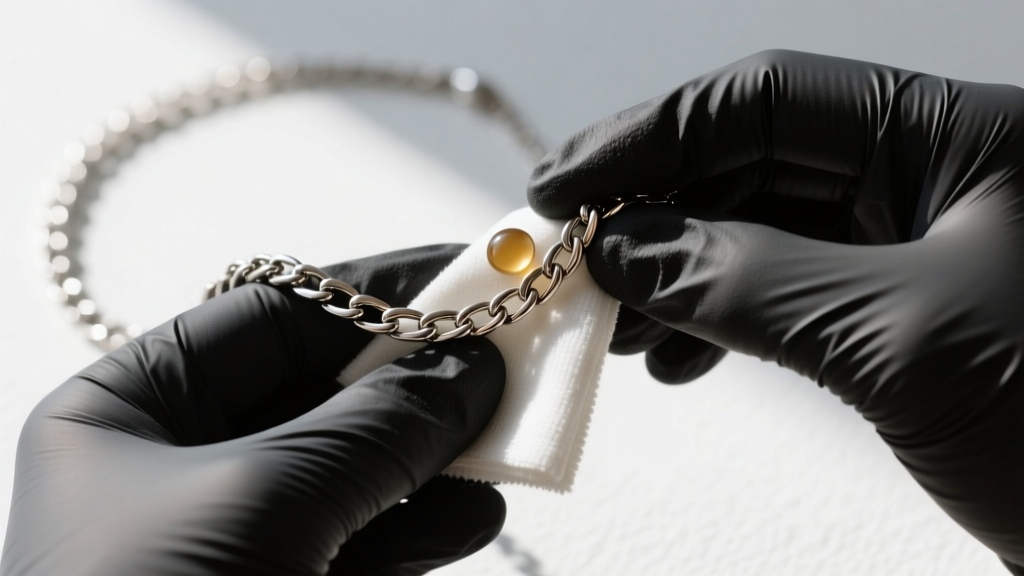
- Drying: Pat dry immediately with a lint-free microfiber cloth. Do not air dry, as water spots can etch into compromised plating over time.
Conclusion: Preserving the Legacy
The lia sophia silver necklace remains a fascinating artifact of early 21st-century fashion jewelry manufacturing. By understanding the technical realities of rhodium electroplating, mastering the visual authentication of custom hardware, and employing safe, non-destructive cleaning protocols, collectors and wearers can ensure these pieces survive for decades to come. Whether you are sourcing inventory for a vintage boutique or restoring a sentimental heirloom, treating these base-metal masterpieces with the same respect as fine jewelry is the key to unlocking their enduring value in 2026 and beyond.


