Choosing Your Evenstar Arwen Necklace: Material Properties Guide
Compare sterling silver, white gold, and platinum for your Evenstar Arwen necklace. Discover material properties, durability, and pricing for replicas.

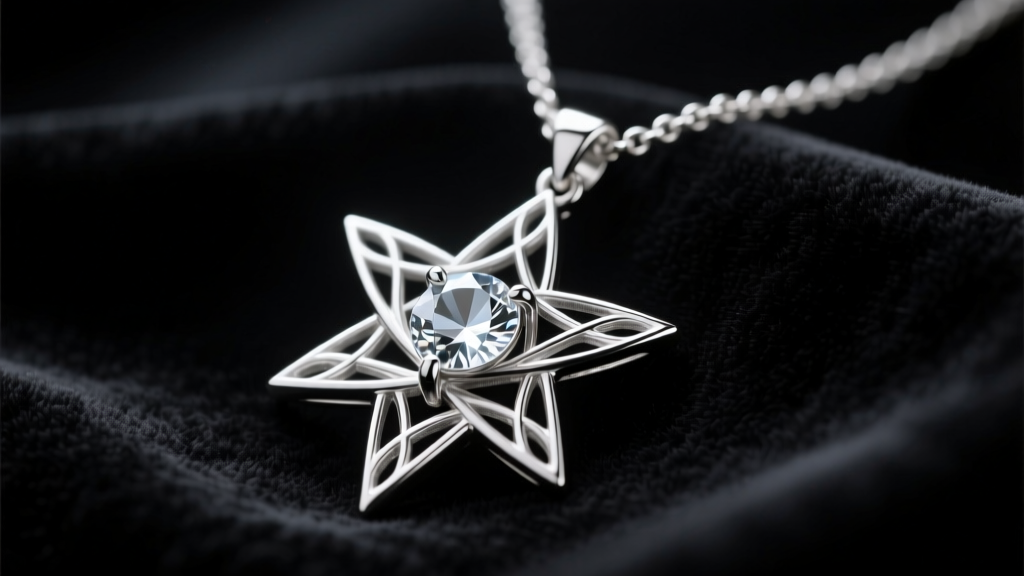
The evenstar arwen necklace remains one of the most iconic and highly sought-after pieces of cinematic jewelry in history. Originally designed by Jasmine Watson for Liv Tyler’s portrayal of Arwen Undómiel in Peter Jackson’s The Lord of the Rings trilogy, the pendant is a masterclass in Elven-inspired filigree and elegant proportions. However, transitioning this design from a delicate movie prop to a durable piece of everyday fine jewelry requires a deep understanding of metallurgy and gemology. Because the Evenstar features wide, sweeping wings and an intricate central bezel, the structural integrity of the metal and the hardness of the central stone are paramount. This guide breaks down the exact material properties, alloy compositions, and mechanical considerations you must evaluate when purchasing or commissioning an Evenstar Arwen necklace.
The Legacy of the Evenstar: From Prop to Fine Jewelry
To understand the material requirements of a high-quality replica, we must first look at the original props. The "close-up" versions used in the films were crafted from 18k white gold and set with genuine diamonds and custom-cut crystals. Conversely, the "stunt" versions worn during action sequences were cast from silver-plated brass or carved from resin to prevent injury and reduce replacement costs. Today, collectors and fans looking for a definitive piece must navigate a market flooded with cheap, hollow-cast base metal replicas. A true heirloom-quality evenstar arwen necklace must be cast in solid precious metals, utilizing specialized laser-welding techniques to secure the delicate outer wings to the central chassis, preventing the structural shearing that plagues mass-produced versions.
Material Breakdown: Sterling Silver vs. White Gold vs. Platinum
The wide surface area and deep crevices of the Evenstar design interact differently with various precious metals. Here is a metallurgical comparison of the three most common choices for this specific pendant.
Sterling Silver (925)
Sterling silver is an alloy consisting of 92.5% pure silver and 7.5% copper. The copper adds necessary tensile strength, but it also introduces a significant vulnerability: oxidation. When exposed to sulfur compounds in the air and skin oils, the copper reacts to form silver sulfide, resulting in tarnish. In a flat, polished ring, tarnish is easily wiped away. In the deep, vine-like filigree of the Evenstar pendant, tarnish accumulates rapidly in the recesses, requiring meticulous cleaning with a soft-bristled brush. Furthermore, silver has a relatively low Mohs hardness (2.5 to 3), making the delicate prongs holding the central stone prone to bending if snagged on clothing.
14k and 18k White Gold
White gold is created by alloying pure yellow gold with white metals like nickel, palladium, or zinc. For an evenstar arwen necklace, 14k white gold (58.5% pure gold) is often structurally superior to 18k (75% pure gold) because the higher alloy content increases the metal's stiffness, providing a more secure grip on the central gemstone. White gold is universally plated with rhodium, a platinum-group metal that provides a brilliant, tarnish-resistant mirror finish. However, rhodium plating typically measures only 0.75 to 1.0 microns thick. Over years of wear, the plating will wear thin on the high-contact edges of the pendant's wings, revealing the slightly yellowish underlying alloy and requiring professional re-plating.
Platinum (950 Grade)
Platinum is the ultimate choice for a generational heirloom. Jewelry-grade platinum is usually 95% pure platinum alloyed with 5% ruthenium or iridium (stamped as 950 Pt). Unlike white gold, platinum’s color is naturally white and will never fade or require rhodium plating. When scratched, platinum does not lose metal; rather, the metal is displaced, developing a soft, satiny "patina" over time. According to the Gemological Institute of America (GIA), platinum's extreme density and durability make it the safest metal for securing valuable gemstones in intricate, high-stress settings like the Evenstar's wide bezel.
Gemstone Selections for the Central Stone
The central stone of the Evenstar is a large, custom-cut clear gemstone, often resembling a modified brilliant or elongated oval cut. Because of its prominent size, the optical properties and scratch resistance of the stone are critical.
- Cubic Zirconia (CZ): With a Mohs hardness of 8-8.5, CZ is highly refractive and offers excellent initial brilliance. However, CZ is oleophilic (attracts oils) and will eventually become cloudy and scratched with daily wear, requiring frequent ultrasonic cleaning.
- Moissanite: Ranking at 9.25 on the Mohs scale, moissanite is exceptionally durable. Its double refraction creates intense "fire" (rainbow flashes). While beautiful, some purists argue that moissanite's extreme dispersion is too fiery for the subtle, ethereal Elven aesthetic of the original prop.
- White Sapphire: A natural corundum with a Mohs hardness of 9. White sapphire is highly durable but possesses a lower refractive index than CZ or diamond, giving it a more subdued, icy brilliance that closely matches the cinematic look of Arwen’s necklace.
- Diamond: The undisputed king of durability (Mohs 10). A well-cut diamond provides unmatched scintillation and will never scratch or cloud from daily wear, making it the premier choice for high-end, custom-commissioned replicas.
Chain Mechanics: Matching the Pendant's Weight and Width
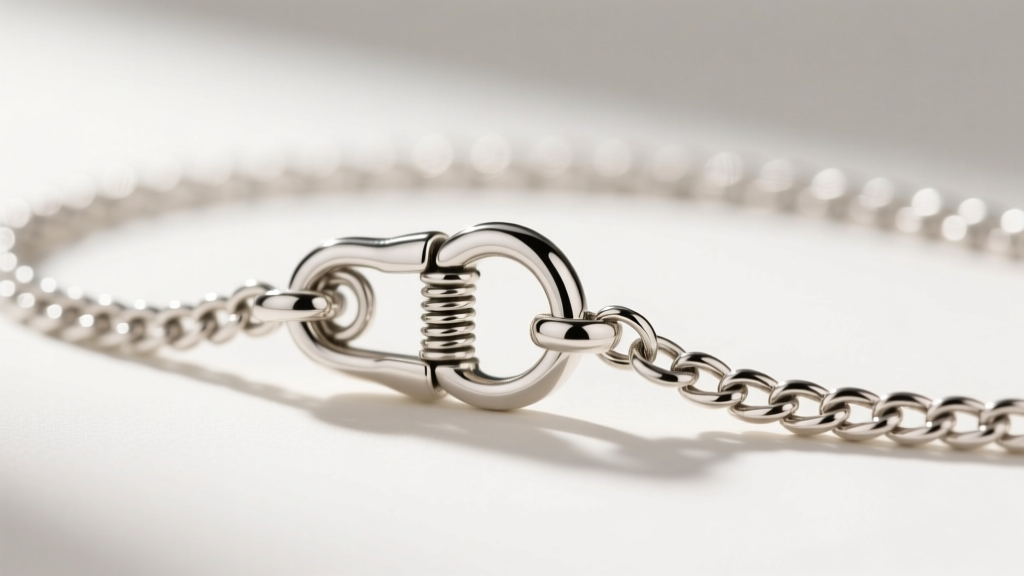
A common failure point in replica evenstar arwen necklaces is the chain. The pendant is exceptionally wide—often spanning 2.5 to 3 inches horizontally. This width creates a lever effect; if the pendant catches on an object, the lateral force applied to the top bail (the loop connecting the pendant to the chain) is immense.
To counteract this mechanical disadvantage, you must avoid delicate chains like standard cable or rope chains under 1.0mm in thickness. Instead, opt for structural chains that distribute weight evenly:
- Wheat Chains (1.2mm - 1.5mm): Composed of interlocking, braided oval links, wheat chains offer exceptional tensile strength and flexibility, draping beautifully while supporting the heavy pendant.
- Box Chains (1.5mm - 2.0mm): Made of square, interlocking links, box chains provide a rigid, geometric contrast to the organic curves of the Elven filigree. They are highly resistant to kinking.
Always ensure the chain is finished with a heavy-duty lobster clasp rather than a spring-ring clasp, which can easily snap under the dynamic weight of a wide pendant.
Comprehensive Material Comparison Chart
Use the following data table to evaluate the trade-offs between different metal and stone combinations for your necklace.
| Material Combination | Mohs Hardness (Metal/Stone) | Tarnish / Wear Resistance | Maintenance Level | Estimated Price Range |
|---|---|---|---|---|
| 925 Silver + CZ | 2.5 / 8.5 | Low (High tarnish risk in crevices) | High (Frequent polishing required) | $150 - $350 |
| 14k White Gold + Moissanite | 3.5 / 9.25 | Medium (Rhodium wears off over time) | Medium (Re-plating every 2-3 years) | $900 - $1,800 |
| 18k White Gold + Diamond | 2.8 / 10 | Medium (Softer metal, high stone durability) | Medium (Prong checks and re-plating) | $2,500 - $5,000+ |
| 950 Platinum + Diamond | 4.5 / 10 | High (Develops patina, no plating loss) | Low (Optional polishing for shine) | $4,000 - $8,000+ |
Care and Maintenance Protocols for Intricate Filigree
The sweeping, vine-like metalwork of the Evenstar design traps dead skin cells, lotions, and environmental dust. According to the The Silver Institute, improper cleaning of textured silver can lead to permanent micro-scratches.
Do not use silver dip liquids. These harsh chemical baths strip the natural oxidation that provides contrast in the filigree, leaving the piece looking flat and artificially white. Furthermore, if your pendant is set with a fracture-filled stone or a porous gemstone, chemical dips can permanently ruin the stone's optical clarity.
The proper cleaning method: Create a solution of warm distilled water and a few drops of pH-neutral dish soap. Submerge the pendant for five minutes to loosen debris. Using a specialized, ultra-soft baby toothbrush, gently agitate the bristles into the deep recesses of the metalwork and around the base of the central stone's bezel. Rinse thoroughly under lukewarm water and dry immediately with a lint-free microfiber cloth. For stubborn tarnish in the deepest crevices of a sterling silver piece, use a chemically treated silver polishing cloth, folding it into a fine point to reach the tightest corners without abrading the high-polish outer edges.
Final Considerations for Buyers
When investing in an evenstar arwen necklace, prioritize structural integrity over sheer size. A slightly smaller, solid-cast 14k white gold pendant with laser-welded joints will outlast and outshine a massive, hollow-backed sterling silver replica that bends and snaps under its own leverage. By understanding the metallurgical properties and gemological data outlined above, you can select a piece that truly honors the craftsmanship of the original cinematic prop while enduring as a wearable work of art for decades to come. For further reading on precious metal hallmarks and alloy standards, consult the London Assay Office guidelines on precious metal purity.


