Every Part of a Necklace: 2026 Modular Jewelry & Anatomy Trends
Discover how every part of a necklace—from bails to clasps—drives 2026 modular jewelry trends. Master necklace anatomy for customizable styling.

The Shift to Modular Necklace Anatomy
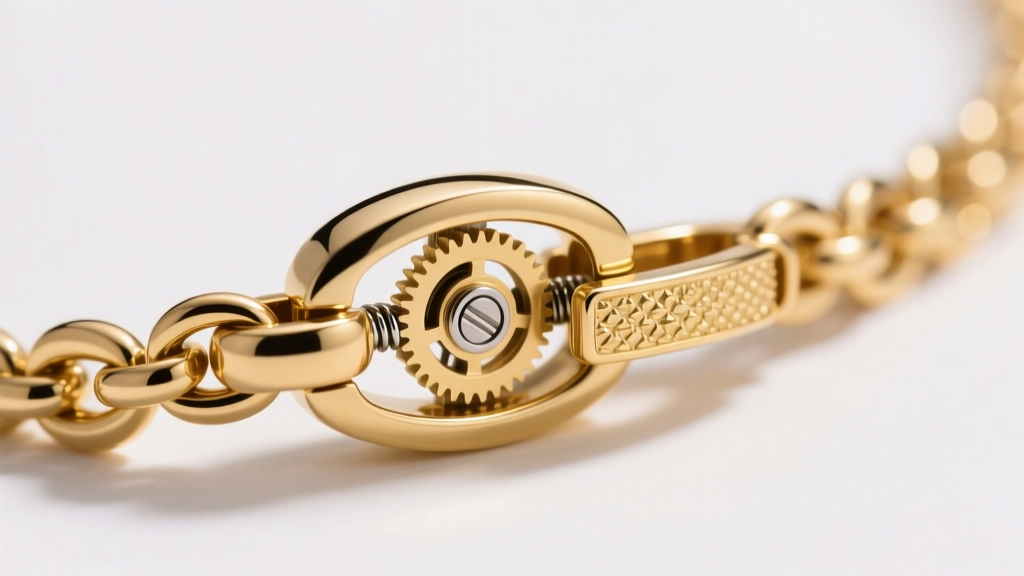
The jewelry landscape of 2026 is defined by hyper-personalization and functional adaptability. Consumers are moving away from static, single-use pieces toward modular systems that allow for daily reconfiguration. To build, curate, or design a versatile collection, one must deeply understand the functional anatomy of these pieces. When you break down every part of a necklace, you uncover the precise engineering that dictates drape, durability, and aesthetic flow. No single part of a necklace operates in isolation; the tension of a chain, the weight of a pendant, and the security of a clasp form a delicate ecosystem. This guide explores the technical specifications and style trends shaping modern necklace anatomy.
The Chain: Gauge, Tensile Strength, and Material Grades
The chain is the structural backbone of any modular system. In 2026, the trend of layering heavy, mixed-media pendants on delicate chains has been replaced by a demand for structural integrity. A standard 0.8mm cable chain is highly prone to kinking and snapping under the dynamic weight of a 15-gram gemstone pendant. The current industry standard for everyday modular wear is the 1.2mm to 1.5mm rolo or wheat chain. These link styles offer superior tensile strength, capable of holding up to 45 grams of solid gold or dense crystal weight without permanent deformation.
2026 Chain Material Standards
Material selection for chains has become highly technical. While 925 sterling silver remains a staple, it is prone to oxidation and requires frequent polishing. The 2026 market heavily favors 316L surgical stainless steel for its hypoallergenic properties and high yield strength. For gold-toned pieces, discerning buyers are rejecting standard gold vermeil (which features a mere 2.5-micron gold plating over silver that quickly wears off) in favor of 14k gold-filled components. According to the Federal Trade Commission Jewelry Guides, gold-filled items must contain at least 1/20th (5%) gold by weight, ensuring the outer layer will not flake or tarnish for decades under normal wear conditions.
The Clasp: From Hidden Utility to Focal Point
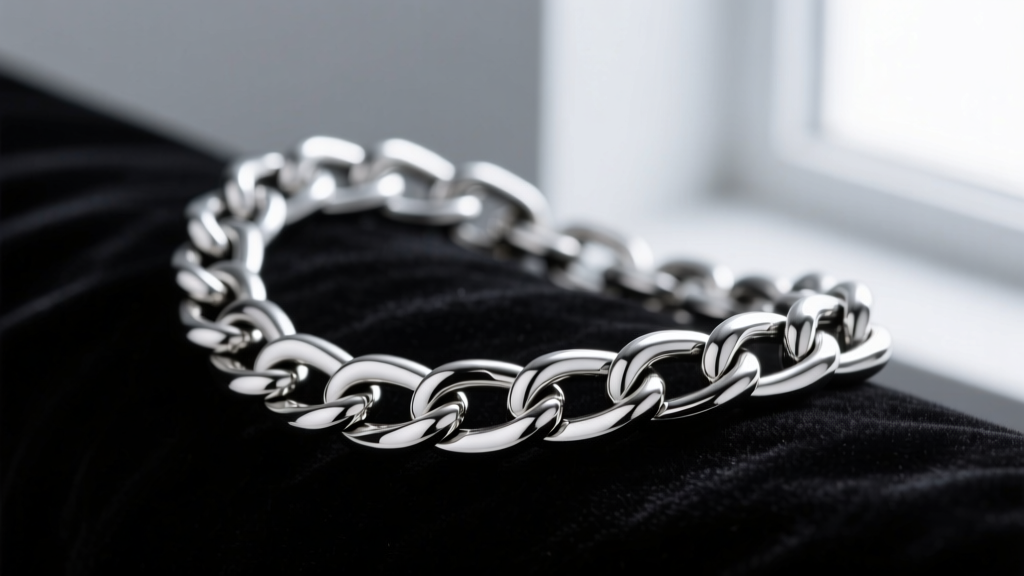
Historically, the clasp was designed to be invisible, tucked away at the nape of the neck. In 2026, the clasp has migrated to the front and side, serving as a secondary focal point or an interchangeable connector. Front-clasp necklaces, featuring ornate toggle or magnetic closures, allow the wearer to easily swap out pendant drops without struggling with tiny mechanisms behind the ear.
Clasp Mechanics and Security Data
Choosing the right clasp mechanism is critical for preventing loss. Below is a technical comparison of the most common clasp types utilized in modern necklace design:
| Clasp Type | Security Rating | Best Use Case (2026) | Mechanism Notes |
|---|---|---|---|
| Spring Ring | Low | Ultra-lightweight chains (<5g) | Internal spring degrades over time; difficult to operate one-handed. |
| Lobster Claw | Medium-High | Standard everyday chains (5g-20g) | Reliable tension, but the lever arm can snap if subjected to lateral torque. |
| Magnetic (N52) | High | Modular front-clasp systems | Requires Neodymium N52 grade magnets for sufficient pull-force; must include a secondary safety catch. |
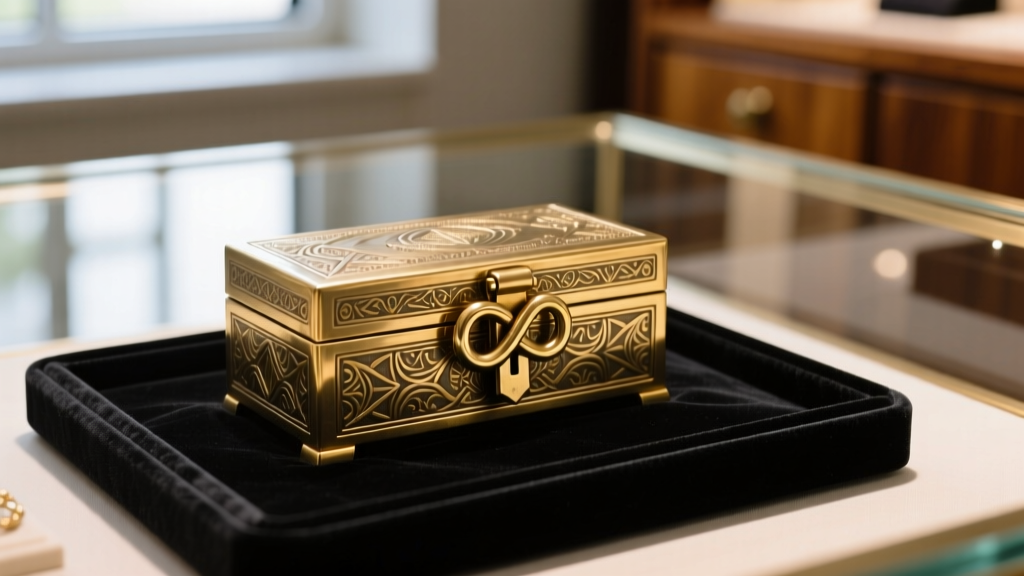
| Box with Safety | Very High | Heavy statement pieces (>30g) | V-tongue inserts into a box; figure-eight safety wire prevents catastrophic failure if the primary latch yields. |
Bails and Jump Rings: Engineering the Connection
The bail is the specific part of a necklace that bridges the pendant to the chain. While traditional fixed bails are soldered directly to the pendant cap, 2026 trends favor interchangeable pinch bails and hidden slide-on bails. Pinch bails feature two tiny prongs that insert into a pre-drilled hole at the top of a gemstone, allowing the wearer to snap different stones onto a single chain. However, these prongs must be crafted from high-tensile metals like platinum or 14k white gold to prevent the prongs from bending open during daily movement.
The Soldered Jump Ring Mandate
A major failure point in necklace anatomy is the unsoldered jump ring. When a heavy pendant swings, it creates lateral torque that easily pries open standard split jump rings, leading to lost jewelry. For any pendant exceeding 10 grams, or any chain subjected to active wear, seamless oval rings or laser-soldered jump rings are absolutely mandatory. The Gemological Institute of America (GIA) frequently notes that improper findings and unsoldered connections are the primary cause of gemstone loss in custom jewelry pieces.
Extender Chains and Silhouette Customization
The extender chain is a small but vital part of a necklace that dictates the drape and layering potential. Standard necklaces often feature a 2-inch extender, but the 2026 layering trend requires 3-inch to 4-inch extenders to allow a single chain to transition from a 16-inch choker to a 20-inch matinee length. Furthermore, the terminal ring of the extender is no longer left bare. Designers are now attaching weighted "drops"—such as a small 4mm freshwater pearl or a textured gold bead—to the end of the extender. This serves a dual purpose: it adds a decorative element that rests between the shoulder blades, and the added weight acts as a counterbalance, preventing the clasp from migrating to the front of the neck during wear.
Sourcing and Longevity Frameworks
When evaluating the quality of a necklace, inspect the finishing of every individual component. Run your fingers along the interior of the chain links; they should be completely smooth, with no abrasive edges that could catch on silk or degrade the skin. Check the soldering points on the jump rings under a 10x jeweler's loupe—the solder seam should be flush and free of pitting. Understanding each part of a necklace allows collectors and stylists to invest in pieces that are not only aesthetically aligned with current modular trends but are mechanically engineered to last a lifetime. By prioritizing high-gauge chains, secure magnetic or box clasps, and soldered findings, you ensure that your jewelry adapts to your style without compromising structural integrity.


