Eyes Necklace Material Guide: Glass, Enamel, and Gold
Compare glass, enamel, and gemstone materials for your eyes necklace. Learn about chain metals, durability, and how to prevent tarnish and chipping.

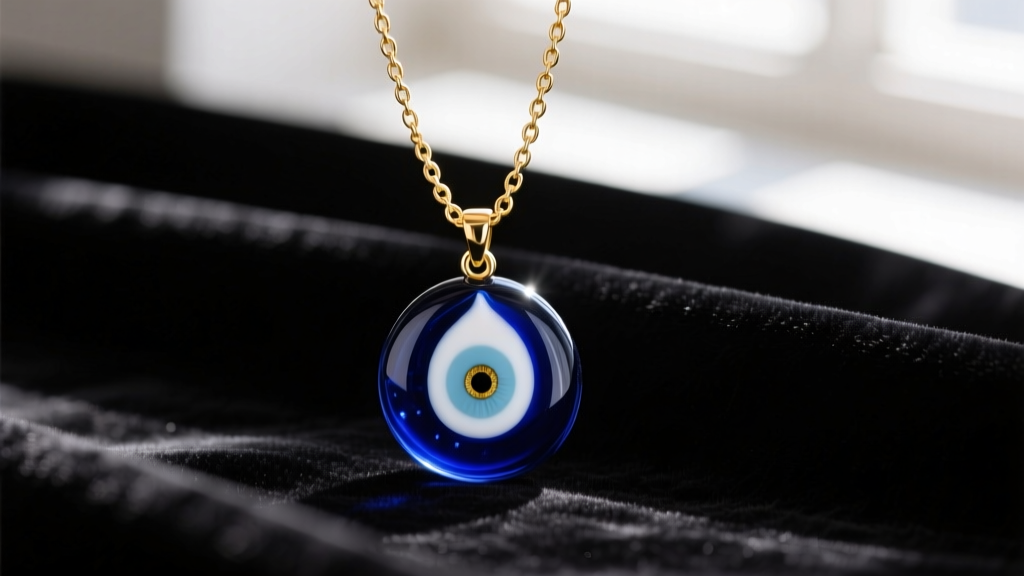
The Anatomy of an Eyes Necklace: Beyond the Symbolism
When shopping for an eyes necklace—whether it is a traditional Turkish Nazar Boncuk, a modern minimalist evil eye, or a detailed anatomical eye pendant—the aesthetic and symbolic value are only half the equation. The longevity, skin safety, and structural integrity of the piece depend entirely on its material composition. An eyes necklace is uniquely vulnerable to damage because the pendant often features contrasting materials (like blue glass set in metal) that expand, contract, and degrade at different rates.
As jewelry trends evolve, the market has been flooded with mass-produced pieces that prioritize vibrant colors over metallurgical stability. To make a sound investment, you must evaluate both the pendant material and the chain alloy. This guide breaks down the exact material properties, failure modes, and care protocols for the most common eyes necklace constructions available today.
Pendant Materials: Glass vs. Enamel vs. Gemstone
The 'eye' itself is typically rendered in shades of deep blue, turquoise, or white. Jewelers achieve these colors using three primary methods, each with distinct physical properties.
1. Traditional Soda-Lime Glass (The Classic Nazar)
Authentic Nazar beads are handcrafted from soda-lime glass. Glass offers a brilliant, glossy finish that is highly resistant to UV degradation and chemical tarnishing. On the Mohs scale of mineral hardness, soda-lime glass sits at 5.5 to 6.5, meaning it will not scratch easily from everyday dust (which contains quartz, hardness 7). However, glass is inherently brittle and susceptible to thermal shock and shattering upon high-impact drops against hard surfaces like porcelain or tile.
2. Vitreous vs. Cold Enamel (The Modern Standard)
For metal-based eyes necklaces, jewelers use enamel to create the blue and white rings. It is critical to distinguish between the two types of enamel:
- Vitreous Enamel: This is powdered glass fused to a metal base (usually silver or gold) at temperatures exceeding 1400°F. It is incredibly durable, scratch-resistant, and will never yellow. However, if dropped, the glass-to-metal bond can fracture, causing a 'chip' that cannot be easily repaired.
- Cold Enamel (Epoxy Resin): Common in affordable fashion jewelry, this is essentially painted resin. It has a Mohs hardness of only 2 to 3, meaning it will accumulate micro-scratches rapidly. More importantly, cold enamel is highly susceptible to UV degradation, often turning yellow or cloudy after 12 to 18 months of daily sun exposure.
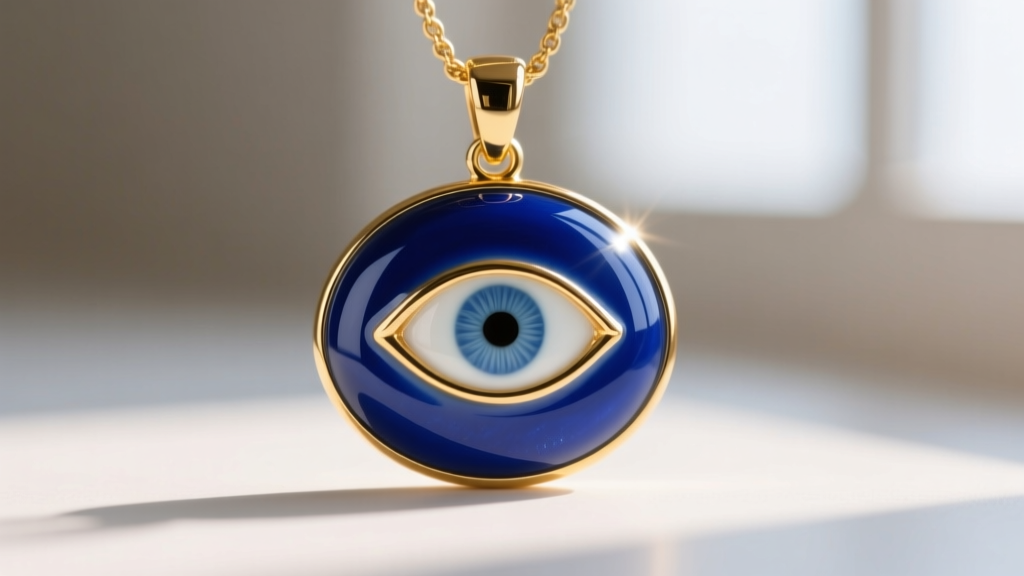
3. Inlaid Porous Gemstones (The Luxury Tier)
High-end designers often replace glass with inlaid gemstones like turquoise, lapis lazuli, or malachite. While visually stunning, these stones are highly porous. According to the Gemological Institute of America (GIA), turquoise (Mohs 5-6) and lapis lazuli (Mohs 5-5.5) are easily damaged by household chemicals, perfumes, and even prolonged exposure to natural skin oils, which can alter their color matrix permanently.
Chain Metals: Hypoallergenic and Tarnish-Resistant Options
The chain holding your eyes necklace must withstand constant friction against the skin and the pendant's bale. The Federal Trade Commission (FTC) maintains strict guidelines on precious metal marketing, yet confusing terms like 'gold-plated' and 'vermeil' often mislead consumers. Below is a comparative analysis of the most common chain metals used for these pendants.
| Metal Type | Composition & Standards | Durability & Tarnish Profile | Ideal Use Case |
|---|---|---|---|
| 14k Solid Gold | 58.5% pure gold, alloyed with copper/zinc/silver. | Highly durable. Will not flake. Can tarnish slightly over decades due to copper alloy. | Daily wear, showering, lifetime investment. |
| Gold Vermeil | Sterling silver base with a minimum of 2.5 microns of gold plating. | Moderate. The gold layer will eventually wear through at high-friction points (clasp, bale). | Frequent wear, but requires removal before swimming or sweating. |
| 925 Sterling Silver | 92.5% silver, 7.5% copper. Often flashed with rhodium. | Prone to sulfur-induced tarnishing. Rhodium flash (0.1-0.3 microns) wears off in months. | Budget-conscious buyers willing to polish regularly. |
| Surgical Stainless Steel | 316L grade steel, containing molybdenum for corrosion resistance. | Extremely high. Hypoallergenic for most, but lacks the prestige and luster of precious metals. | Active lifestyles, beach wear, ultra-budget pieces. |
Common Failure Modes and Troubleshooting
Understanding how an eyes necklace degrades allows you to spot poor craftsmanship before purchasing and troubleshoot existing pieces.
Bale Friction and Chain Sawing
The most common structural failure in an eyes necklace occurs at the bale (the loop connecting the pendant to the chain). If the bale is made of soft, unalloyed silver or thin gold plating, the harder chain will act like a saw. Over 2 to 3 years of daily wear, the chain will literally cut through the bale, resulting in a lost pendant. Solution: Ensure the bale has a hardened metal lining or is cast in 14k gold, which offers superior tensile strength compared to pure silver.
Galvanic Corrosion in Mixed Metals
Some budget eyes necklaces feature a zinc-alloy pendant base with a copper chain. When exposed to sweat (an electrolyte), these dissimilar metals create a micro-galvanic cell, leading to rapid, severe corrosion and green skin discoloration. Always verify that the pendant backing and the chain are made of compatible, noble, or properly passivated metals.
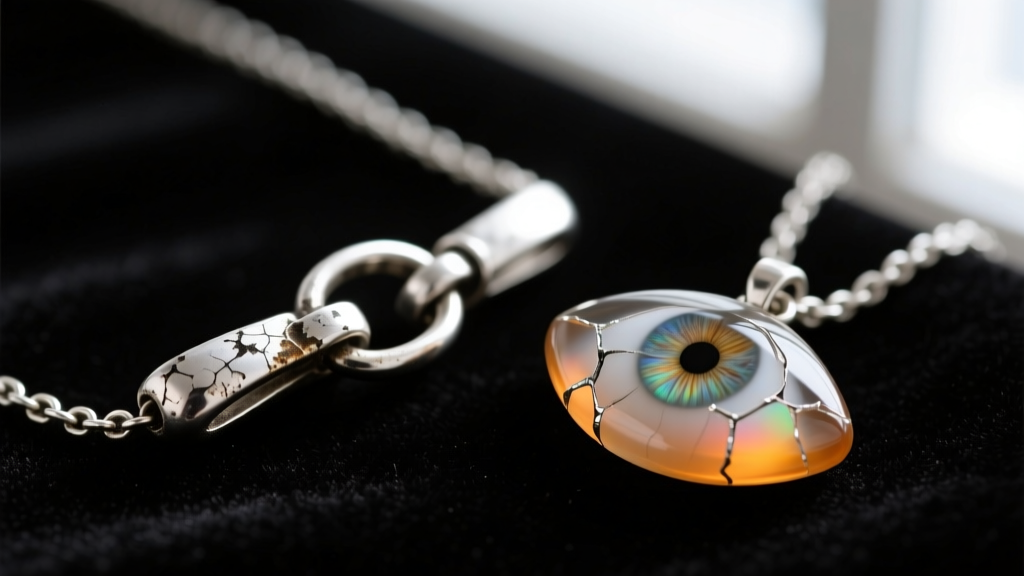
Material-Specific Care Protocols
Cleaning an eyes necklace requires a tailored approach based on its specific material combination. Using the wrong method can instantly destroy the piece.
- For Glass and Vitreous Enamel: Use warm water, a drop of mild dish soap, and a microfiber cloth. Never use ultrasonic cleaners. The high-frequency vibrations can shatter micro-fractures in the glass or cause vitreous enamel to pop off the metal base.
- For Gemstone Inlays (Turquoise/Lapis): Wipe only with a dry, soft cloth. According to Jewelers of America, porous stones should never be submerged in water or exposed to commercial silver dips, as the chemicals will penetrate the stone's matrix and cause irreversible darkening.
- For Sterling Silver Chains: Use a dedicated silver polishing cloth impregnated with anti-tarnish agents. Avoid liquid dips, which can strip the rhodium plating and leave the silver porous and more prone to future tarnishing.
Final Verdict on Material Selection
If you are purchasing an eyes necklace for daily, lifelong wear, the optimal combination is a vitreous enamel or solid glass pendant set in a 14k solid gold chain. This pairing eliminates the risk of plating wear-through, prevents galvanic corrosion, and ensures the vibrant blue hues remain unclouded by UV exposure or chemical reactions. For those on a budget, a soda-lime glass pendant on a 316L stainless steel chain offers remarkable durability, provided you are comfortable with the cooler tone of steel. Avoid cold enamel and zinc alloys entirely if you expect the piece to last beyond a single season.


