Choosing the Right Metal for Your Faith Over Fear Necklace
Discover the best metals for a faith over fear necklace. Compare sterling silver, titanium, and gold for durability, skin safety, and daily wear.

The Daily Wear Challenge: Why Material Matters
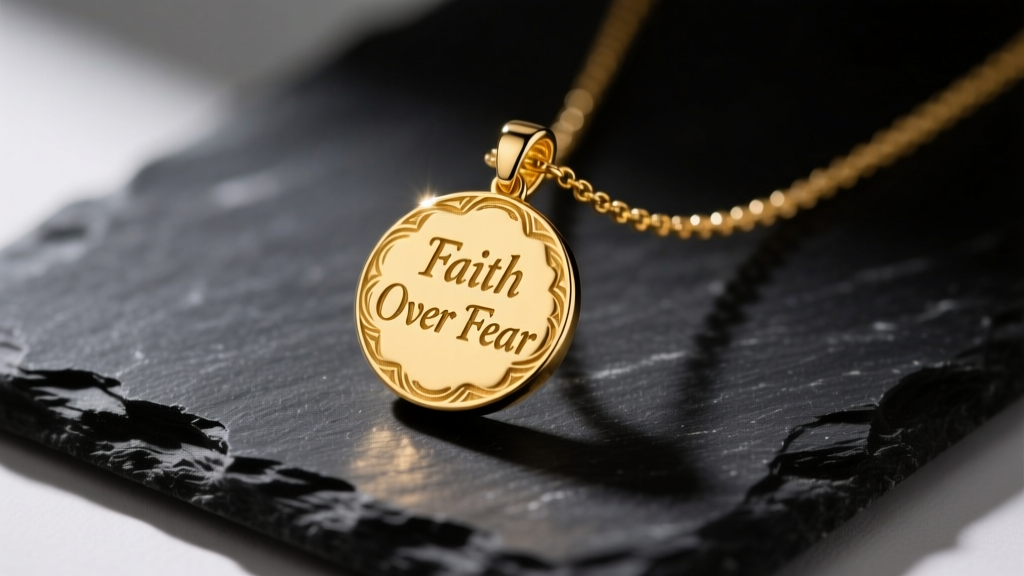
A faith over fear necklace is more than just an accessory; it is a daily reminder, a personal anchor, and a statement of conviction. Because of its deep personal significance, most wearers choose to keep it on 24/7—through showers, workouts, sleep, and daily commutes. This constant exposure to moisture, friction, and the natural acidity of human sweat creates a hostile environment for inferior metals. Choosing the wrong alloy can lead to rapid tarnishing, skin discoloration, snapped chains, and severe contact dermatitis. To ensure your inspirational pendant lasts a lifetime, you must understand the metallurgical properties of the materials used to craft it.
Top Metal Contenders for Inspirational Pendants
When shopping for a faith over fear necklace, you will typically encounter four primary metals. Each possesses distinct advantages and failure modes that dictate its suitability for continuous, lifelong wear.
Surgical Stainless Steel (316L)
316L stainless steel is the workhorse of durable, affordable jewelry. The "L" stands for low carbon, but its true superpower is the addition of 2-3% molybdenum. This specific element drastically increases resistance to pitting and corrosion from chlorides—meaning it easily survives saltwater and heavy sweat. While 316L does contain nickel (10-14%), the nickel is tightly bound within the metal's crystal lattice, making it hypoallergenic for the vast majority of people. However, if you have a severe, medically diagnosed nickel allergy, prolonged exposure to acidic sweat can theoretically cause a reaction.
Solid Gold (14k vs. 18k)
Gold is the traditional choice for heirloom-quality religious and inspirational jewelry. However, pure 24k gold is far too soft (Vickers hardness of ~25 HV) for a daily-wear chain. According to the Gemological Institute of America (GIA), alloying gold with metals like copper, silver, and zinc increases its durability. For a faith over fear necklace, 14k gold (58.3% pure gold) is vastly superior to 18k gold for daily wear. 14k gold boasts a Vickers hardness of roughly 140 HV, making it highly resistant to scratching, bending, and clasp deformation compared to the softer 18k alternative (approx. 125 HV).
Sterling Silver (925) and Rhodium Plating
Sterling silver is 92.5% pure silver and 7.5% copper. That copper is the Achilles' heel of silver; it reacts rapidly with sulfur compounds in the air and human sweat, causing dark tarnish. To combat this, high-quality silver necklaces are flash-plated with rhodium, a platinum-group metal. A standard rhodium plating is only 0.1 to 0.5 microns thick. With daily friction against the skin and clothing, this plating will wear off in 6 to 12 months, exposing the tarnish-prone silver beneath. If you choose silver, be prepared for a cycle of polishing and eventual re-plating.
Implant-Grade Titanium (ASTM F136)
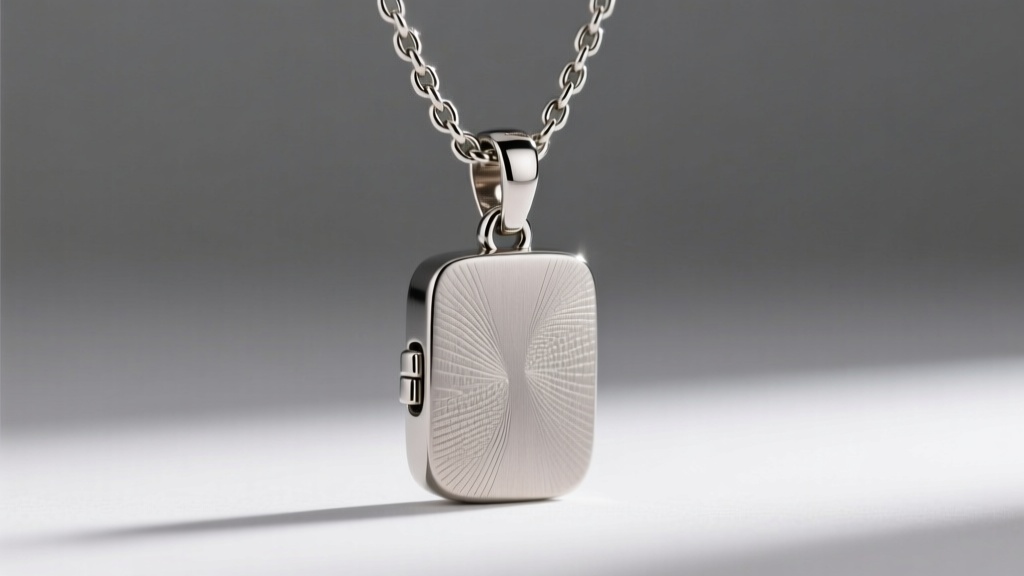
For those with hyper-sensitive skin or severe metal allergies, ASTM F136 implant-grade titanium (Ti-6Al-4V ELI) is the ultimate solution. As noted by the American Academy of Dermatology, nickel is the most common cause of allergic contact dermatitis. Titanium contains absolutely zero nickel. It is also 45% lighter than steel, meaning a larger, heavier faith over fear pendant will sit comfortably on the neck without pulling or causing fatigue. The primary drawback is that titanium is incredibly difficult to cast and solder, limiting the intricacy of the pendant designs available.
Material Comparison Matrix
Use the following data table to evaluate which metal aligns with your budget, lifestyle, and skin sensitivity.
| Metal / Grade | Avg. Price Range | Tarnish Resistance | Hypoallergenic | Best For |
|---|---|---|---|---|
| 316L Stainless Steel | $25 - $60 | Excellent | Mostly (contains bound nickel) | Active lifestyles, swimming, budget-conscious buyers |
| 14k Solid Gold | $250 - $800+ | Perfect | Yes (if nickel-free alloy) | Heirloom pieces, luxury daily wear, sensitive skin |
| 925 Sterling Silver | $40 - $150 | Poor (without plating) | Mostly (copper can irritate) | Occasional wear, traditional aesthetics |
| ASTM F136 Titanium | $60 - $120 | Excellent | 100% Nickel-Free | Severe allergies, ultra-lightweight comfort |
Chain Gauge and Clasp Mechanics: The Hidden Failure Points
The pendant itself is only half the equation. A beautifully crafted titanium or gold faith over fear pendant is useless if the chain snaps. The weight of the pendant dictates the required chain gauge (thickness). Most inspirational pendants weigh between 4 and 10 grams.
- Under 5 grams: A 1.2mm cable or box chain is sufficient.
- 5 to 12 grams: You must step up to a 1.5mm to 2.0mm rope or cuban chain. Anything thinner risks micro-fractures at the solder points from daily tension.
- Over 12 grams: Require a 2.5mm+ chain with reinforced jump rings.
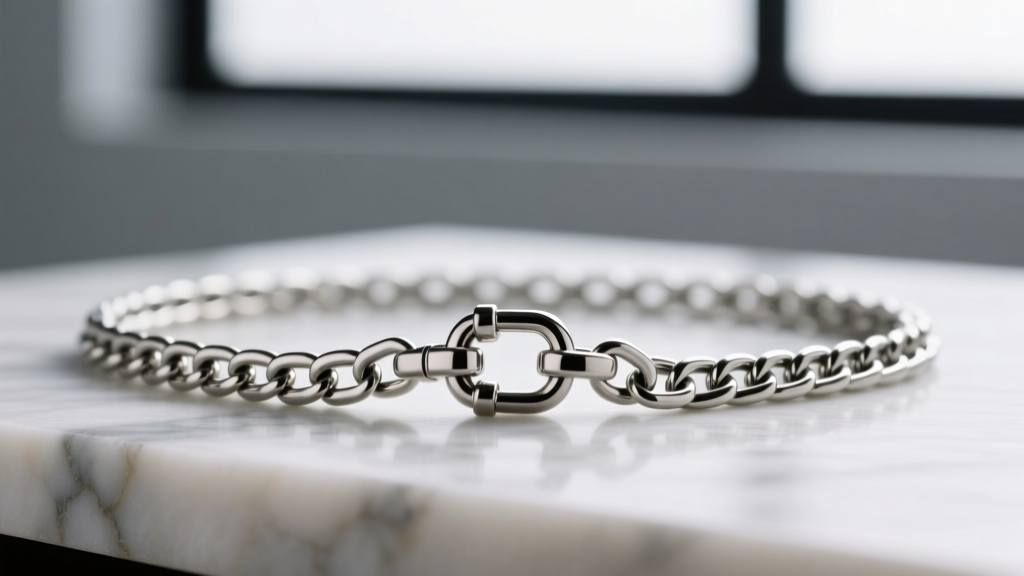
Equally critical is the clasp. Avoid spring-ring clasps at all costs for daily wear. The tiny internal spring in a spring-ring is prone to failure, and the thin wire loop easily pulls open when snagged on a towel or sweater. Always opt for a lobster clasp. Lobster clasps feature a solid, spring-loaded lever that locks securely into the jump ring, providing vastly superior tensile strength and longevity.
How to Spot Low-Quality Alloys and Flash Plating
The market is flooded with cheap, mass-produced necklaces marketed as "faith over fear" jewelry that are actually made from brass or zinc alloy bases with a microscopic layer of gold or silver paint. This is known as flash plating (often less than 0.05 microns thick). Within weeks, the friction from your neck will wear through the plating, exposing the base metal. Brass and zinc oxidize rapidly, turning your skin green and causing severe itching.
The Magnet Test: While not foolproof, a strong neodymium magnet can help you spot fake gold or silver. Precious metals and titanium are non-magnetic. If your "sterling silver" pendant sticks firmly to a magnet, it is a steel or iron core with a thin silver wash.
The Hallmark Check: Always inspect the back of the pendant and the clasp for stamps. Look for "14k", "18k", "925", or "316L". If the piece is completely blank, or stamped with vague terms like "18kGP" (Gold Plated) or "18kHGE" (Heavy Gold Electroplate), it is not solid metal and will not survive years of daily wear.
Final Verdict: Matching Metal to Your Lifestyle
Selecting the right metal for your faith over fear necklace comes down to how you live. If you are an athlete, a nurse who washes her hands constantly, or someone who simply refuses to take their jewelry off in the shower, 316L Stainless Steel or ASTM F136 Titanium are your most pragmatic, indestructible choices. If you are seeking a generational heirloom to mark a milestone in your spiritual journey and have the budget to support it, a 14k Solid Gold piece on a 1.5mm rope chain with a lobster clasp will remain pristine, untarnished, and unbroken for decades to come.


