What Is a Fightin Necklace? A Beginner's Style Guide
Discover the fightin necklace trend. Learn about tactical materials, chain gauges, and how to style rugged, combat-inspired jewelry.

Decoding the Fightin Necklace Trend
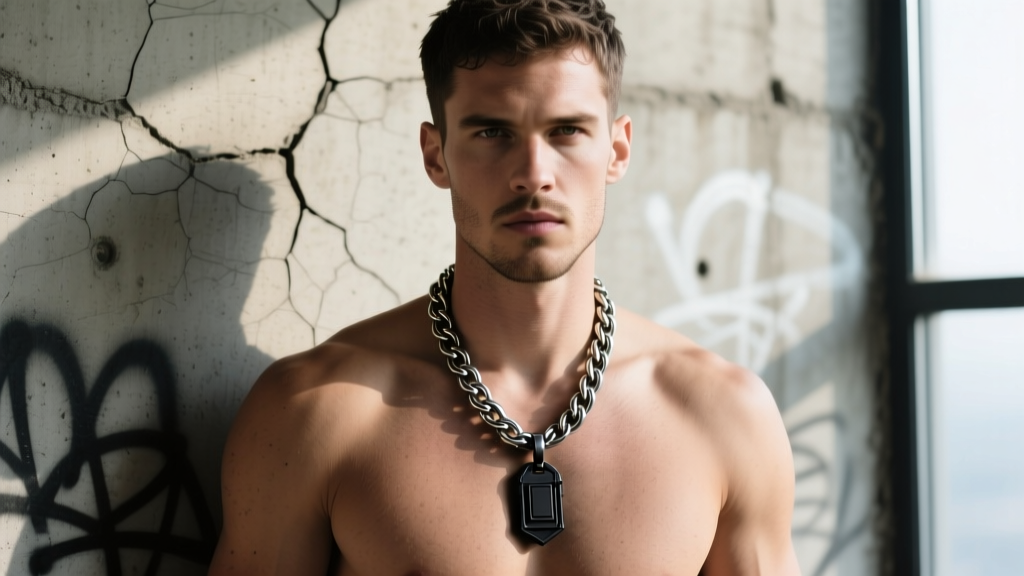
If you have been browsing streetwear forums, tactical fashion feeds, or men's style subreddits lately, you have likely encountered the term fightin necklace. While the name might sound aggressive, it does not refer to jewelry you wear into an actual physical altercation. Instead, the "fightin necklace" is a cornerstone of the modern rugged, utilitarian, and combat-inspired aesthetic that has dominated men's and unisex streetwear leading into 2026.
At its core, a fightin necklace is characterized by heavy-duty materials, tactical or warrior-inspired pendants, and a substantial physical weight. It projects resilience, an unbreakable ethos, and a departure from the delicate, minimalist chains of the previous decade. For beginners looking to adopt this rugged aesthetic, understanding the metallurgy, chain profiles, and proper sizing is critical to pulling off the look without appearing like you are wearing a costume.
Core Materials: What Makes It Tactical?
The foundation of any authentic fightin necklace is its material. Flimsy, hollow metals or easily tarnished alloys will immediately ruin the rugged illusion. Here are the industry-standard materials used in high-quality tactical jewelry:
- 316L Surgical Stainless Steel: The baseline for rugged jewelry. The "L" stands for low carbon, and this alloy contains 2-3% molybdenum, which drastically increases its resistance to corrosion from chlorides (like sweat and pool water). It offers a heavy, satisfying drape and is highly affordable, though it can cause reactions in those with severe nickel sensitivities.
- Grade 5 Titanium (Ti-6Al-4V): This is aerospace-grade titanium. It is 45% lighter than steel but boasts a vastly superior strength-to-weight ratio. It is 100% hypoallergenic, will never tarnish, and features a distinct, muted gunmetal-grey satin finish that screams "tactical." According to GQ's comprehensive guide to men's chains, titanium has become the premier choice for high-end streetwear jewelry due to its durability and modern aesthetic.
- Tungsten Carbide: Primarily used for pendants rather than chains, tungsten ranks a 9 on the Mohs hardness scale (just below diamond). It is virtually scratch-proof. However, its extreme hardness makes it brittle; a heavy tungsten pendant dropped onto a tile floor can shatter.
- Ballistic Nylon & 550 Paracord: For a more literal, field-ready look, tactical cords are often used to suspend heavy metal pendants, offering adjustable lengths and a matte, military-surplus vibe.
Chain Profiles and Gauge Sizing
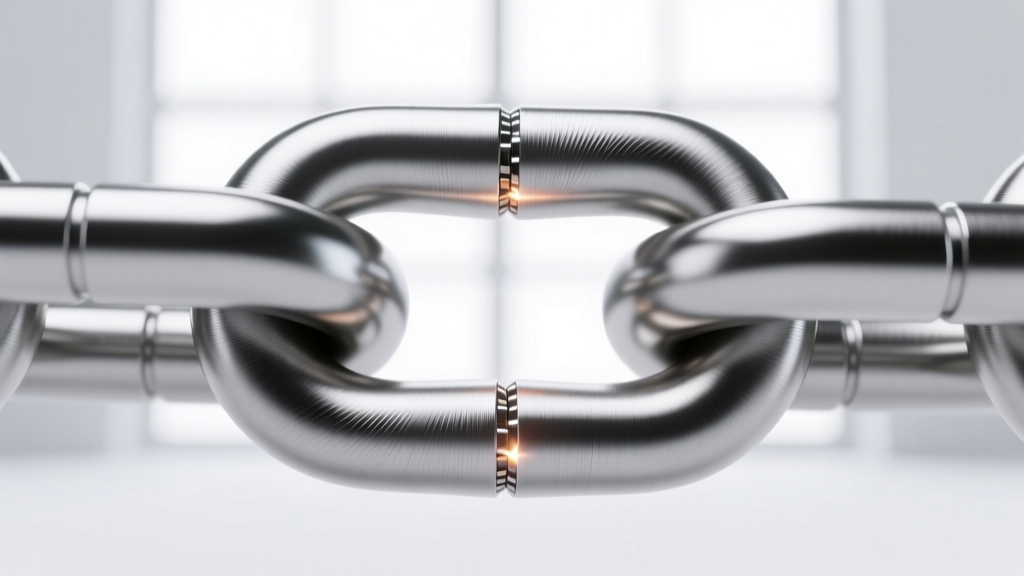
The "fightin" aesthetic relies heavily on the chain's profile and gauge (thickness). A 2mm chain will not suffice; you need visual weight. The gauge you choose dictates both the physical weight on your neck and the visual statement you make. Below is a breakdown of the most common chain styles used in this niche.
| Chain Style | Ideal Gauge (mm) | Weight Profile | Best Use Case |
|---|---|---|---|
| Cuban Link | 5mm - 8mm | Heavy, flat, interlocking | Statement pieces, wearing over hoodies |
| Rope Chain | 4mm - 6mm | Medium, twisted, reflective | Pairing with heavy tactical pendants |
| Ball Chain (Bead) | 3mm - 5mm | Lightweight, utilitarian | Dog tags, military-inspired layering |
| Figaro | 4mm - 7mm | Medium, patterned | Adding vintage ruggedness to streetwear |
For a beginner, a 5mm or 6mm Cuban link in 316L steel is the safest entry point. It provides the necessary visual bulk without feeling like a burden on your cervical spine. If you opt for an 8mm+ chain, strongly consider upgrading to Grade 5 Titanium to save your neck from fatigue during all-day wear.
Pendant Pairings for the Combat Aesthetic
A thick chain is only half the equation. The fightin necklace is often defined by its pendant, which should reflect utility, heritage, or survivalism.
The Modern Tactical Dog Tag
Forget the thin, stamped aluminum tags from military surplus stores. The modern streetwear interpretation features thick, 3mm to 4mm slab pendants with CNC-milled edges, matte black PVD (Physical Vapor Deposition) coatings, and laser-engraved geometric or topographical maps. Brands like those highlighted in Forbes' top men's jewelry picks often feature these heavy, architectural pendants that catch the light subtly rather than sparkling.
Warrior and Heritage Motifs
Viking Mjolnir (Thor's hammer) pendants, Celtic shield knots, and Samurai-inspired Tsuba (sword guard) replicas are massively popular in the fightin necklace space. When buying heritage pendants, ensure the metal matches the chain. A steel chain with a brass pendant creates a disjointed, costumed look. Stick to monochromatic metal palettes—silver, gunmetal, or matte black.
Utilitarian Hardware
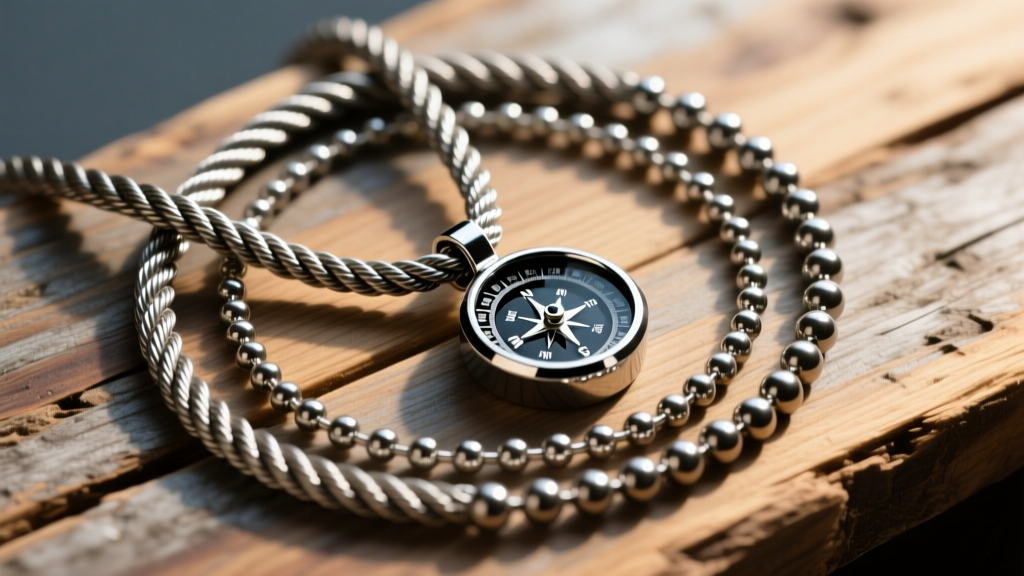
Hex nuts, oversized carabiner clips, and functional compasses repurposed as pendants lean heavily into the "survivalist" angle of the trend. These work best on rope chains or heavy paracord setups.
Sizing, Layering, and Neckline Rules
Where the necklace sits on your chest dictates how it interacts with your clothing. The fightin necklace relies on aggressive, confident placement.
- The Collarbone Drop (18 - 20 inches): This length sits right at the base of the neck. It is ideal for crew-neck t-shirts and tank tops. A 5mm Cuban link with a small tactical pendant works perfectly here, framing the face and drawing the eye upward.
- The Sternum Drop (22 - 24 inches): This is the sweet spot for hoodies, sweatshirts, and unbuttoned flannels. The pendant rests on the upper chest/sternum, creating a strong vertical line that elongates the torso. Heavy pendants like Tungsten compasses or thick Mjolnirs belong at this length.
- Layering: If you want to layer, contrast the textures. Pair a 22-inch 3mm ball chain with a dog tag, alongside a 24-inch 6mm rope chain with a heavy geometric pendant. Never layer two chains of the exact same gauge and style; it looks like a mistake rather than a stylistic choice.
Pro-Tip: When wearing a heavy fightin necklace with a hoodie, ensure the pendant sits outside the front kangaroo pocket line. If it gets buried in the fabric folds of the pocket, it ruins the clean drape of the chain.
Maintenance and Care for Rugged Metals
Just because the aesthetic is "rugged" does not mean the jewelry is immune to environmental damage. Proper maintenance ensures your pieces look intentionally weathered, not neglected.
For 316L Steel: While highly resistant to rust, prolonged exposure to chlorine (in pools or hot tubs) can cause micro-pitting on the surface. Always remove steel chains before swimming. Clean them monthly with warm water, a drop of Dawn dish soap, and a soft-bristled toothbrush to remove dead skin and sebum from the links.
For Titanium: Titanium is practically indestructible in daily wear. It will not react to sweat, salt water, or chemicals. A simple wipe-down with a microfiber cloth is usually all it needs to restore its satin luster.
For PVD Coatings: Many tactical pendants feature a matte black PVD coating. While PVD is much more durable than traditional electroplating, it can still wear thin on high-friction edges over several years. Avoid using ultrasonic cleaners on PVD-coated pieces, as the high-frequency vibrations can sometimes cause microscopic flaking if the coating was poorly applied.
Final Thoughts on Pricing
You do not need to spend a fortune to achieve the fightin necklace look, but you should avoid ultra-cheap mall-kiosk alloys. Expect to pay between $40 and $80 for a high-quality 316L stainless steel Cuban chain and pendant set. If you want the lightweight, hypoallergenic benefits of Grade 5 Titanium, budget between $120 and $250. Investing in solid, durable metals ensures your jewelry can actually survive the rugged lifestyle it advertises.


