Lucky Bear Necklace Value Guide: 2026 Pricing & Materials
Discover the true cost of a lucky bear necklace in 2026. We break down material grades, pricing tiers, and how to spot genuine value.

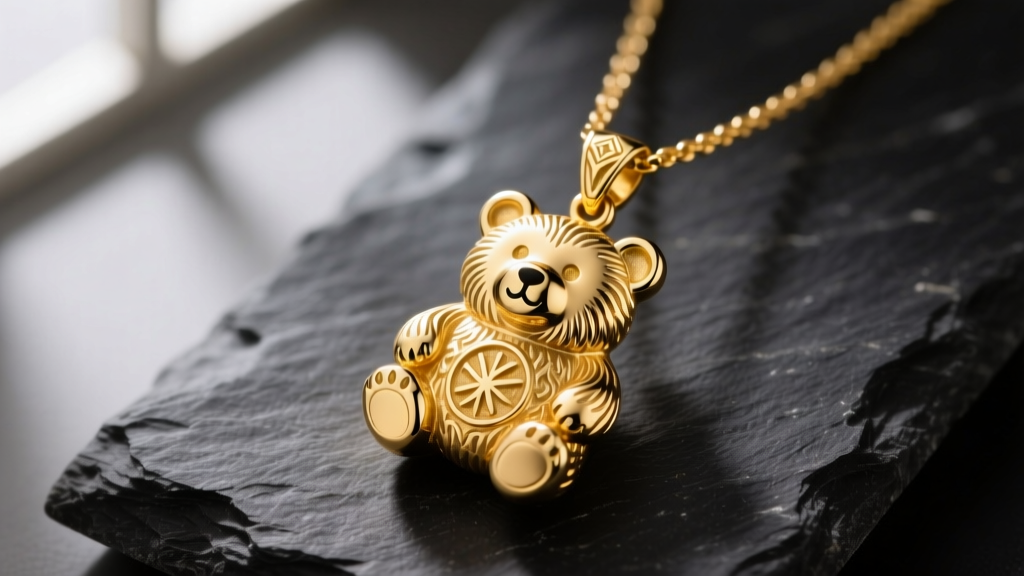
The Appeal of the Lucky Bear Motif in Modern Jewelry
The lucky bear necklace has transcended its origins as a simple childhood talisman to become a sophisticated staple in modern jewelry collections. In 2026, the motif represents protection, strength, and grounding energy, making it a highly sought-after pendant for both everyday wear and meaningful gifting. However, as the popularity of animal totem jewelry has surged, the market has become saturated with options ranging from $20 fast-fashion trinkets to $5,000 luxury heirlooms. For the discerning buyer, understanding the true value of a lucky bear necklace requires looking past the aesthetic and deeply analyzing the metallurgy, craftsmanship, and structural integrity of the piece.
Material Breakdown: What Are You Actually Paying For?
The base material and finishing of your bear pendant dictate not only its upfront cost but its long-term viability. Many buyers mistakenly equate a heavy price tag with quality, but the jewelry industry's pricing structures are often inflated by brand prestige rather than raw material value.
Solid Gold vs. Gold Vermeil
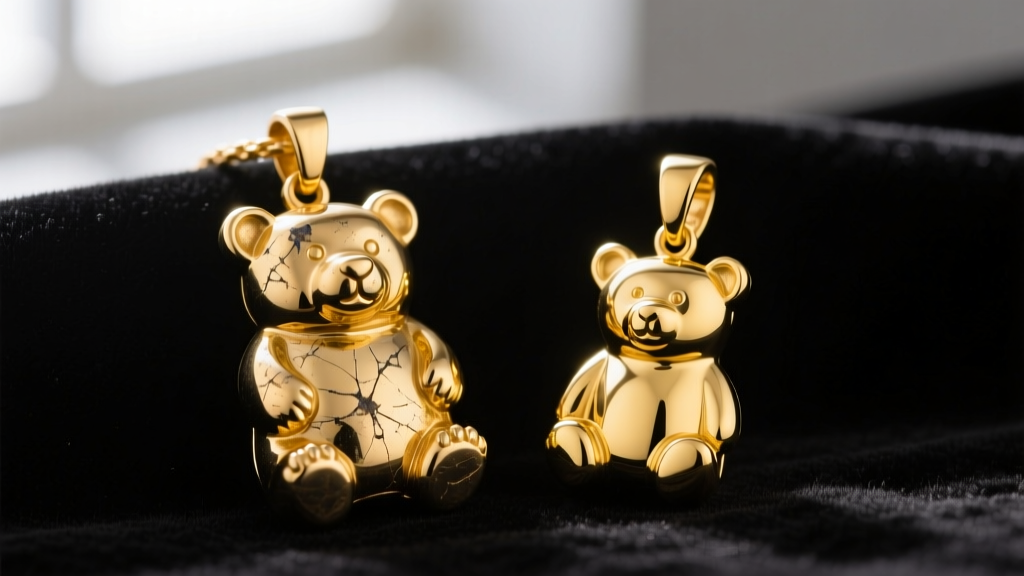
A solid 14k or 18k gold lucky bear pendant is an investment in longevity. 14k gold (58.5% pure gold) offers the ideal balance of rich color and tensile strength, resisting the dents and scratches that softer 18k or 24k gold might suffer. According to the FTC Jewelry Guides, gold vermeil must consist of a sterling silver base plated with at least 2.5 microns of gold. While a high-quality vermeil bear pendant can look identical to solid gold initially, the plating will eventually wear down on high-friction areas (like the bail and the bear's snout) within 1 to 3 years of daily wear, requiring costly re-plating.
Carved Jadeite and Gemstone Bears
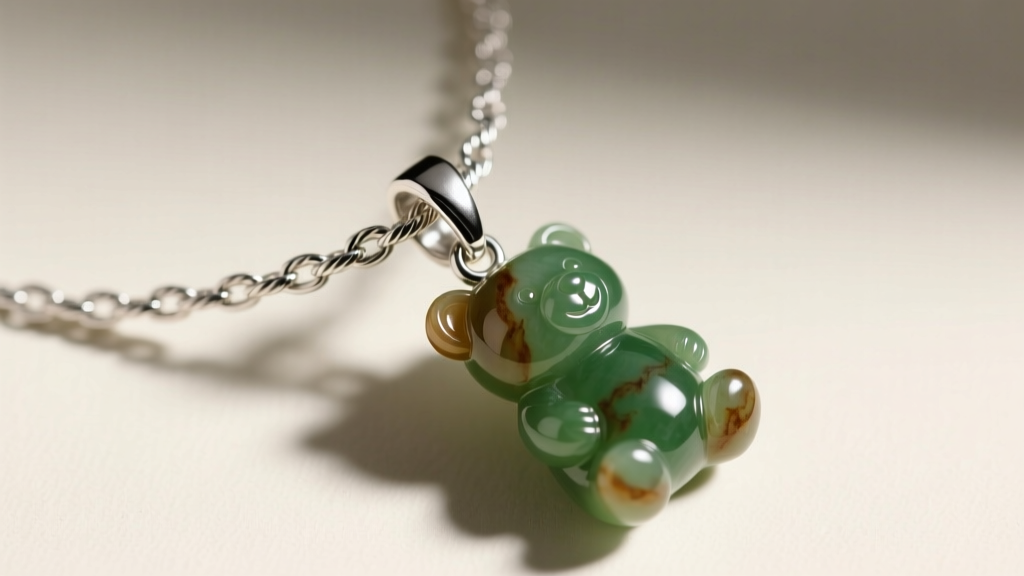
For those seeking a non-metallic lucky bear, carved jadeite is the traditional choice. However, the value disparity here is massive. Type A jadeite is natural and untreated, holding its value and structural integrity. Type B and C jadeites are acid-bleached and polymer-impregnated or dyed. A $40 carved jade bear is almost certainly Type B/C, which will become brittle and discolored over time. Always request a gemological certificate from a reputable lab, such as those referenced in the GIA Gem Encyclopedia, when purchasing jade pendants over $200.
2026 Market Pricing Tiers: Luxury vs. Artisan vs. Fast Fashion
To accurately assess your budget, it is crucial to understand what different price brackets actually deliver in terms of material weight and manufacturing techniques. Below is a comprehensive breakdown of the current market landscape.
| Market Tier | Price Range (2026) | Primary Materials | Chain Gauge & Clasp | Expected Lifespan |
|---|---|---|---|---|
| Fast Fashion | $15 - $60 | Brass/Zinc alloy, flash plating (<0.5 microns) | 0.5mm hollow chain, spring ring | 3 - 6 months |
| Mid-Tier / Artisan | $120 - $450 | Sterling silver, heavy gold vermeil (2.5+ microns), Type A jade | 1.0mm solid cable chain, lobster clasp | 3 - 5 years (vermeil), Lifetime (solid) |
| Fine Jewelry | $600 - $1,500 | Solid 14k gold, small melee diamonds | 1.2mm solid rope/cable chain, secure lobster | Lifetime / Heirloom |
| Luxury Designer | $2,500 - $8,000+ | 18k gold, high-VS clarity diamonds, brand premium | Proprietary designer chains, hidden clasps | Lifetime (but high repair costs) |
The "Hidden Costs" of Cheap Bear Pendants
When evaluating a budget lucky bear necklace, buyers must factor in the inevitable failure points of mass-produced jewelry. Cheap pendants are often die-cast from brass or zinc alloys and feature a "flash" gold plating that is mere molecules thick. This plating wears off in weeks, exposing base metals that react with sweat to cause severe skin discoloration and contact dermatitis. Furthermore, budget chains typically utilize thin, hollow wire and weak spring-ring clasps that fail under the slight weight of a solid pendant, leading to lost jewelry and replacement costs that quickly eclipse the initial savings.
How to Assess True Value: A Buyer's Checklist
Whether you are shopping online or inspecting a piece in a boutique, use this technical checklist to verify the structural and material value of the necklace.
- Inspect the Hallmarks: Look for stamps like '925' (sterling silver), '14k' or '585' (14k gold), and '18k' or '750' (18k gold). The absence of a stamp on a metal marketed as precious is an immediate red flag.
- Check the Bail Construction: The bail (the loop connecting the bear to the chain) endures the most friction. Ensure it is soldered shut and made of the same metal as the pendant. A glued-on or pinched bail will eventually snap.
- Evaluate the Chain Gauge: A pendant weighing more than 3 grams requires a chain with a minimum thickness of 1.0mm to 1.2mm. Anything thinner will stretch, kink, and eventually break.
- Demand a Lobster Clasp: Spring-ring clasps are notorious for failing due to weak internal springs. A sturdy lobster clasp is a hallmark of a jeweler who prioritizes the security of your piece.
- Assess the Casting Quality: Run your fingernail over the bear's features. High-quality castings will have crisp, defined edges (like individual fur textures or distinct facial features). Cheap castings will feel smooth, muddy, and lack detail due to the use of degraded rubber molds.
Resale Value and Heirloom Potential
If you view jewelry as an asset class, the lucky bear motif holds unique positioning. Unlike generic geometric pendants, animal totems carry emotional resonance, making them highly desirable on the secondary vintage market. A solid 14k gold bear pendant from a recognized mid-century or contemporary artisan brand will often retain 60% to 80% of its melt and craftsmanship value. Conversely, gold-plated or vermeil pieces have virtually zero resale value once the plating is compromised. If your goal is to pass the necklace down as an heirloom, you must strictly limit your search to solid gold or platinum settings, avoiding any pieces with glued-in gemstones or enamel that can chip over decades of wear.
Verdict: Which Lucky Bear Necklace Offers the Best ROI?
For the vast majority of buyers in 2026, the "sweet spot" for value lies in the mid-tier artisan category ($200–$450). At this price point, you can secure a solid 10k or 14k gold bear pendant (or a very high-quality, thickly plated vermeil piece over heavy sterling silver) paired with a durable 1.2mm cable chain and a reliable lobster clasp. Avoid the ultra-cheap fast-fashion tiers entirely, as the cost of replacing broken chains and dealing with skin irritation negates any upfront savings. By prioritizing metallurgical integrity and structural hardware over fleeting brand names, your lucky bear necklace will serve as a durable, valuable talisman for decades to come.


