How to Choose Your First Icing Necklace: A Beginner Guide
Discover what an icing necklace is, how to choose between CZ, moissanite, and lab diamonds, and expert tips for styling iced-out chains.

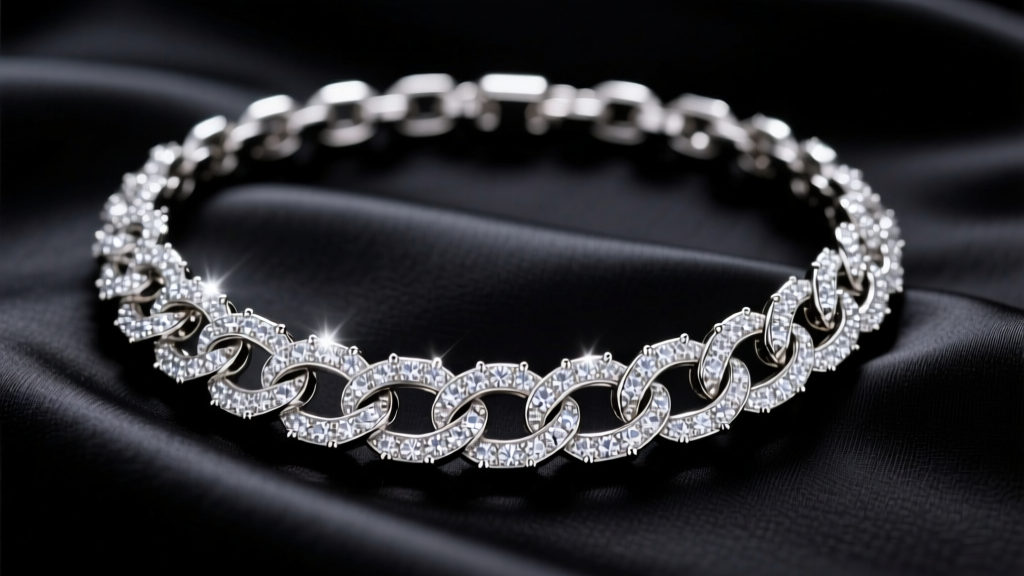
What Exactly is an Icing Necklace?
In the lexicon of streetwear and hip-hop jewelry, the term "ice" has long been synonymous with diamonds. Therefore, an icing necklace (more commonly referred to as an "iced-out" necklace) is a chain that has been fully or partially paved with brilliant stones. While the trend originated in the rap culture of the 1980s and 90s, the icing necklace has evolved into a mainstream staple by 2026, worn by everyone from high-fashion models to everyday streetwear enthusiasts. For beginners, navigating the world of iced-out jewelry can be intimidating. The market is flooded with options ranging from $50 novelty pieces to $50,000 investment-grade natural diamond chains. This guide will break down the anatomy of an icing necklace, helping you make an informed decision based on metallurgy, gemology, and personal style.
The Foundation: Base Metals and Plating Techniques
The longevity of your icing necklace is entirely dependent on the base metal and the plating method used. Many beginners make the mistake of focusing solely on the "stones" while ignoring the metal holding them together.
Brass vs. 925 Sterling Silver
Entry-level icing necklaces often use a brass or copper base. While affordable, brass is highly reactive. When exposed to sweat, humidity, and skin oils, brass oxidizes rapidly, leading to the dreaded "green neck" effect and irreversible tarnishing that can dull the appearance of the stones. For a piece you intend to wear regularly, 925 sterling silver is the absolute minimum standard. Silver is hypoallergenic, highly durable, and provides a naturally bright white backdrop that enhances the brilliance of the stones.
PVD Coating vs. Electroplating
If you are buying a gold-toned icing necklace, the plating technique matters. Traditional electroplating (dipping the metal in a gold solution) wears off within months of daily use. In 2026, reputable jewelers use PVD (Physical Vapor Deposition) coating. PVD bonds gold at a molecular level in a vacuum chamber, resulting in a finish that is up to 10 times more durable than standard plating and highly resistant to sweat and corrosion.
Choosing Your "Ice": CZ, Moissanite, or Lab Diamond?
The stones dictate the price, the sparkle, and the lifespan of your icing necklace. Here is a breakdown of the three most common materials used in modern iced-out jewelry.
| Material | Mohs Hardness | Refractive Index (Sparkle) | Estimated Lifespan | Price Tier |
|---|---|---|---|---|
| Cubic Zirconia (CZ) | 8.0 - 8.5 | 2.15 (High) | 1 - 2 Years | $ ($50 - $300) |
| Moissanite | 9.25 | 2.65 (Exceptional) | Lifetime | $$ ($400 - $1,500) |
| Lab-Grown Diamond | 10.0 | 2.42 (Brilliant) | Lifetime | $$$ ($1,500 - $5,000+) |
According to the Gemological Institute of America (GIA), moissanite possesses a higher refractive index than diamond, meaning it actually exhibits more "fire" (rainbow-colored light dispersion). For beginners wanting a lifetime piece without the natural diamond price tag, moissanite set in 925 silver is currently the sweet spot in the market. CZ is a great entry point for trend-chasing, but it will eventually scratch and cloud over due to its lower hardness and tendency to absorb oils.
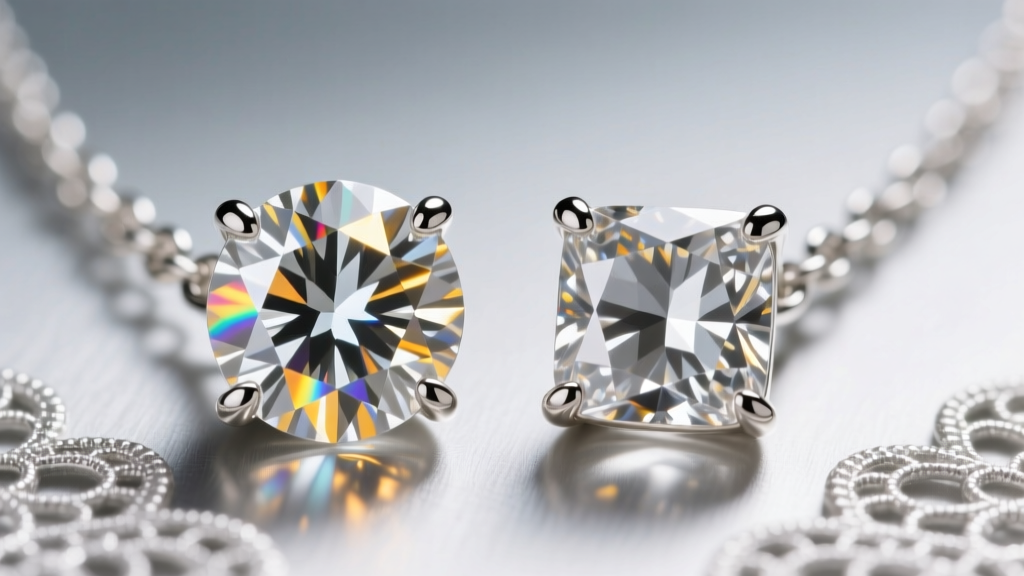
The Setting: Micro-Pave vs. Prong
How the stones are secured is just as critical as the stones themselves. Prong settings use small metal claws to hold each individual stone, allowing maximum light to enter from the sides and top. This is the standard for high-end moissanite and diamond tennis chains. Micro-pave settings, on the other hand, involve drilling small holes into the metal and using tiny beads to hold the stones closely together. Pave offers a seamless "wall of ice" look, commonly seen on Cuban links, but it carries a higher risk of stone loss if the chain is bent or subjected to heavy impact.
Sizing and Chain Styles for Beginners
Not every icing necklace is meant to be a massive, heavy statement piece. Choosing the right style and gauge (thickness) is crucial for versatility.
- The Iced Cuban Link: The undisputed king of streetwear. For a beginner, a 5mm to 8mm iced Cuban is versatile enough to wear outside the shirt or tucked slightly under a collar. Anything above 12mm enters "statement" territory and is best reserved for specific outfits.
- The Tennis Chain: A single, continuous line of prong-set stones. A 3mm to 5mm iced tennis necklace is the ultimate "stealth wealth" piece. It bridges the gap between streetwear and formal wear, looking just as good with a hoodie as it does with a suit.
- The Rope Chain: Twisted metal links fully encrusted in pave stones. Rope chains offer a vintage, textured look that catches the light from multiple angles due to their spiraled geometry.
Pro Tip: Always check the clasp. A standard lobster clasp is insufficient for heavy iced-out chains. Look for a box clasp with a double safety latch to ensure your investment doesn't unhook and fall off.
How to Style Your Icing Necklace in 2026
The modern approach to wearing an icing necklace leans heavily on contrast and layering. The days of wearing five massive, competing iced chains are fading in favor of curated, intentional stacking.

The High-Low Layering Technique
One of the most effective ways to style an icing necklace is to contrast it with a plain, un-iced chain. For example, pair a 5mm iced-out tennis necklace (18 inches) with a thicker, plain 10mm gold or silver Cuban link (20 inches). This creates depth, allows the "ice" to pop without overwhelming the eye, and reduces the overall weight on your neck.
Neckline Pairing
Icing necklaces require the right canvas. Crewneck t-shirts and hoodies provide a solid block of color that makes the stones stand out. Avoid busy patterns or graphic tees with heavy typography, as they will visually clash with the intricate light reflection of the pave stones. For smart-casual settings, a subtle iced pendant or a thin tennis chain worn under an unbuttoned linen shirt offers a sophisticated flash of brilliance.
Maintenance: Keeping the Ice Frosty
An icing necklace will quickly lose its appeal if the stones become clouded by lotion, sweat, and dead skin cells. Because pave settings trap debris easily, a strict cleaning routine is mandatory.
- The Weekly Soak: Mix warm water with a few drops of mild dish soap (avoid harsh degreasers). Let the chain soak for 15 minutes.
- The Soft Brush: Use a baby toothbrush to gently agitate the backs of the stones where oils accumulate. Never use stiff bristles, as they can scratch the base metal or loosen pave beads.
- Avoid Ultrasonic Cleaners: While ultrasonic cleaners are great for solid diamond solitaires, the high-frequency vibrations can easily shake loose the tiny stones in a micro-pave icing necklace. Stick to hand-washing.
By understanding the metallurgy, choosing the right stone hardness for your lifestyle, and mastering the art of subtle layering, your first icing necklace will serve as a versatile, enduring cornerstone of your jewelry collection. For further reading on diamond alternatives and grading, consult the GIA Diamond Quality resources to ensure you are getting exactly what you pay for.


