Is a 5 Pearl Necklace Worth It? 2026 Value & Budget Guide
Discover the true value of a 5 pearl necklace in 2026. We break down pricing, pearl grades, and budget tips for station and multi-strand styles.

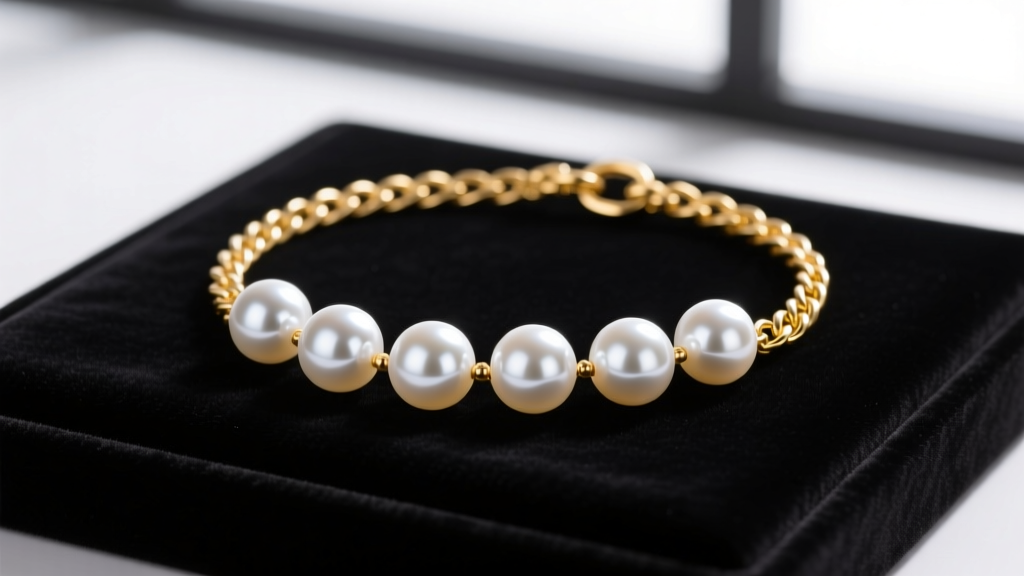
The Anatomy of a 5 Pearl Necklace: Station vs. Multi-Strand
When jewelry buyers search for a 5 pearl necklace, they are usually looking for one of two distinctly different designs. The first is the 5-pearl station necklace, a minimalist chain featuring exactly five individual pearls spaced evenly along the collarbone. The second is the 5-strand pearl necklace, a luxurious, voluminous choker or princess-length piece composed of five concentric strands of pearls. Understanding which style you are evaluating is the first step in assessing its true market value.
In 2026, the jewelry market has seen a significant shift. The rising cost of precious metals and the increasing dominance of high-grade Edison freshwater pearls have completely rewritten the pricing rules for pearl jewelry. A budget that would have only secured a modest single-strand Akoya necklace five years ago can now purchase a breathtaking 5-pearl station piece or a well-crafted multi-strand freshwater set. However, this democratization of pearl jewelry also means the market is flooded with overpriced, low-nacre imitations. To avoid overpaying, you must look beyond the clasp and evaluate the gemological data.
2026 Pricing Breakdown: What Should You Actually Pay?
Assessing the budget for a 5 pearl necklace requires isolating the cost of the pearls from the cost of the metal hardware. Below is a realistic 2026 pricing matrix based on current wholesale-to-retail markups for both the 5-pearl station style and the 5-strand multi-necklace style.
| Pearl Type | 5-Pearl Station Chain (14k Gold) | 5-Strand Choker (18-inch) | Value Proposition |
|---|---|---|---|
| AAA Freshwater | $150 - $350 | $400 - $800 | Best budget option; solid nacre, high luster. |
| Edison Freshwater | $250 - $500 | $700 - $1,200 | Metallic luster mimics South Sea; excellent value. |
| Hanadama Akoya | $600 - $1,200 | $3,500 - $6,000 | Mirror-like luster; premium luxury investment. |
| Tahitian (Dark) | $1,500 - $3,500 | $8,000 - $15,000+ | Exotic colors; high cost due to bead-nucleation. |
If a retailer is charging Akoya prices for a 5 pearl necklace but the pearls lack the sharp, mirror-like luster characteristic of the breed, you are likely looking at heavily processed freshwater pearls being marketed deceptively. Always request the exact pearl origin and grading report before purchasing high-ticket items.
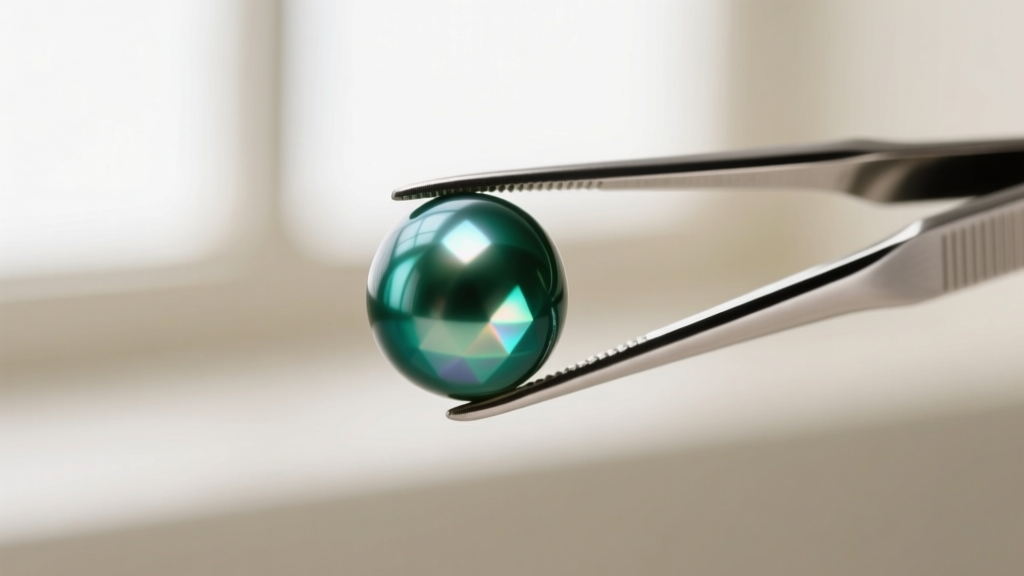
Grading & Value: How to Avoid Overpaying
The value of any pearl necklace hinges on the quality factors established by gemological authorities. According to the Gemological Institute of America (GIA), pearl value is determined by size, shape, color, luster, surface quality, and nacre thickness. When evaluating a 5 pearl necklace, luster and nacre are your primary financial safeguards.
Luster: The Ultimate Value Multiplier
Luster is what gives a pearl its inner glow and sharp surface reflections. A 5-pearl station necklace with excellent luster will reflect light sources with crisp, defined edges. If the reflections look cloudy, chalky, or dull, the pearl has low luster and should be heavily discounted. In 2026, high-quality Edison freshwater pearls have achieved luster levels that rival mid-tier Akoya pearls, making them the smartest budget hack for buyers who want maximum shine without the Akoya premium.
Nacre Thickness and Failure Modes
Nacre is the crystalline substance the oyster secretes to form the pearl. For bead-nucleated pearls like Akoya and Tahitians, nacre thickness is a critical failure point. The Federal Trade Commission (FTC) jewelry guides mandate accurate disclosures regarding pearl treatments and origins, but nacre thickness is often omitted in retail settings. An Akoya pearl with nacre thinner than 0.4mm is prone to peeling and cracking within a few years of regular wear. For a 5 pearl necklace meant to be an heirloom, insist on a minimum nacre thickness of 0.6mm for Akoya, and 0.8mm for Tahitian pearls. Freshwater pearls, being solid nacre, do not suffer from this peeling failure mode, which is why they dominate the budget-friendly market.
Expert Appraisal Tip: To test nacre thickness on a drilled pearl strand, look closely into the drill hole with a jeweler's loupe (10x magnification). You should be able to see the distinct line where the nacre ends and the mother-of-pearl bead nucleus begins. If the nacre layer looks paper-thin, walk away regardless of the discount.
Budget Hacks: Maximizing Value Without Sacrificing Quality
If you are working with a strict budget but refuse to compromise on the visual impact of a 5 pearl necklace, employ these strategic purchasing frameworks:
- Prioritize the Pearls Over the Metal: For a 5-pearl station necklace, opt for a 10k or 14k gold chain rather than 18k. The visual difference in yellow gold is negligible to the naked eye, but the savings can be redirected toward upgrading the pearls from AA to AAA grade.
- Embrace Near-Round Shapes: Perfectly spherical pearls command a massive premium. Choosing 'near-round' or 'off-round' freshwater pearls for a 5-strand necklace can reduce the cost by up to 40% while still appearing perfectly round when worn on the neck.
- Check the Silk and Knotting: A hidden cost in multi-strand necklaces is the stringing. Ensure a 5-strand necklace is individually knotted between every single pearl using high-grade French silk (Size F or G for 7-8mm pearls). If the strands are unknotted, a single break will result in the loss of dozens of pearls, turning a budget bargain into a financial disaster.
- Opt for Edison over South Sea: If you desire the large 11mm-13mm sizes and metallic golden hues of South Sea pearls but lack the $10,000+ budget, golden Edison freshwater pearls offer 90% of the aesthetic appeal for roughly 15% of the cost.
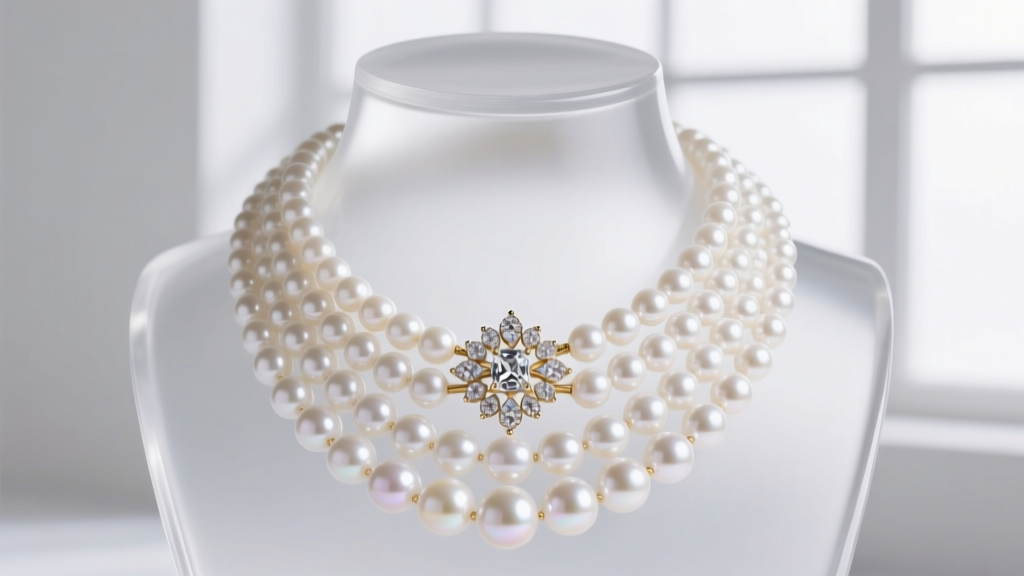
Maintenance Costs: The Hidden Budget Factor
When calculating the lifetime value of a 5 pearl necklace, you must factor in maintenance. Pearl necklaces are not 'wear and forget' items. The silk thread used to knot multi-strand necklaces stretches over time due to the weight of the pearls and exposure to ambient humidity. A 5-strand necklace should be professionally restrung every 3 to 5 years. Depending on your local jeweler, restringing five individual strands can cost between $150 and $300. Factor this recurring cost into your initial budget assessment.
Furthermore, the hardware on a 5-pearl station chain requires scrutiny. Because the chain is often delicate (usually 1.0mm to 1.5mm width to maintain a minimalist look), the clasp is a common failure point. Avoid spring-ring clasps, which are notoriously difficult to operate and prone to snapping. Insist on a sturdy lobster clasp or a secure magnetic clasp specifically rated for the weight of the gold and the five pearls.
The Verdict: Is It a Smart Investment?
From a strict financial perspective, pearl jewelry rarely appreciates in monetary value unless it is a signed piece from a heritage house like Mikimoto or Cartier. However, from a value-per-wear and aesthetic perspective, a 5 pearl necklace is an exceptionally smart addition to a curated jewelry wardrobe. The 5-pearl station necklace offers unparalleled versatility, transitioning seamlessly from a casual linen blouse to a formal evening gown. Meanwhile, the 5-strand choker remains a timeless symbol of elegance that commands attention without the need for additional accessories.
By focusing on high-luster freshwater or Edison pearls, verifying nacre thickness, and insisting on proper silk knotting and secure clasps, you can acquire a stunning 5 pearl necklace that delivers decades of wear. In 2026, the key to budget success is not finding the cheapest option, but rather understanding the gemological data well enough to pay a fair price for genuine, lasting quality.


