Troubleshooting Your 5mm Necklace: Fixes for Tangling and Weight
Is your 5mm necklace tangling, pulling, or breaking? Discover expert troubleshooting tips for chain weight, clasp failures, and hair snagging.

The Physics of a 5mm Chain: Why Weight and Width Cause Problems
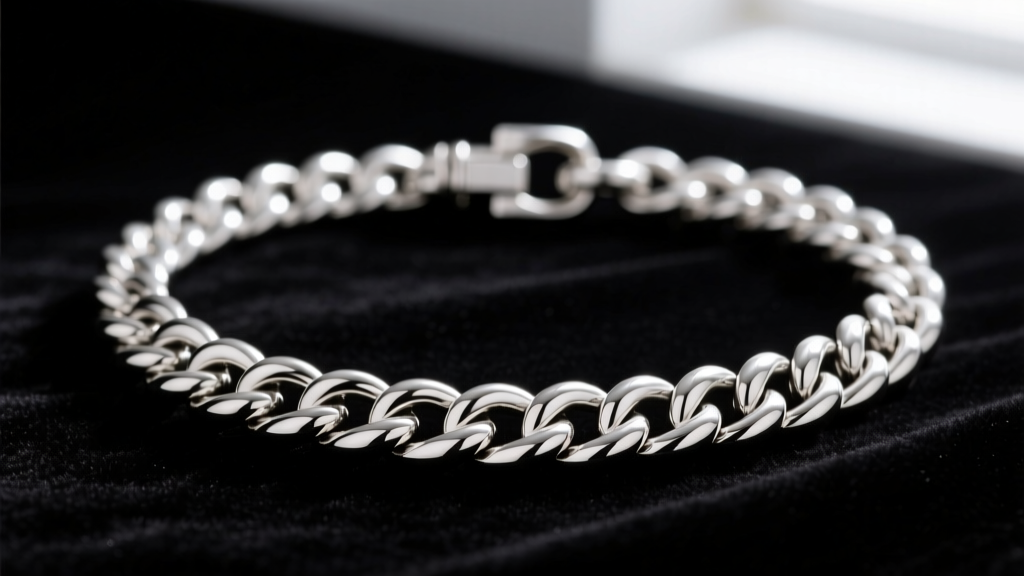
A 5mm necklace sits right at the threshold between delicate jewelry and heavy statement pieces. Whether you are wearing a 5mm Cuban link, a rope chain, or a Figaro design, the physical properties of this width introduce specific structural challenges. For context, a standard 20-inch 5mm chain in 316L surgical stainless steel weighs approximately 42 grams, while a 14k solid gold equivalent can push 48 to 52 grams. This mass creates a distinct center of gravity that pulls downward, leading to the most common complaint among wearers: the clasp sliding to the front of the neck.
Furthermore, the surface area of a 5mm chain means more contact with the skin, increasing the likelihood of trapped sweat, lotions, and dead skin cells within the links. This not only dulls the metal but accelerates tarnish in non-noble alloys. Below, we break down the exact mechanical failures associated with 5mm chains and how to engineer a permanent fix.
Troubleshooting Clasp Migration (The Sliding Pendant Problem)

Clasp migration occurs when the weight of the chain and pendant overpower the counterweight of the clasp assembly. If your 5mm necklace features a lightweight pendant (under 5 grams) and a standard 10mm lobster clasp, the heavier chain will naturally rotate around your neck, dragging the clasp to the center front. This is not just an aesthetic annoyance; the constant friction of the clasp rubbing against your collarbone can cause skin irritation and premature wear on the jump ring.
Engineering Solutions for Balance
- The Counterweight Method: Have a jeweler solder a small, dense metal bead (like a 3mm tungsten or sterling silver bead) directly opposite the clasp. This adds just enough localized weight to anchor the back of the neck without altering the chain's visual profile.
- Pendant Upgrades: Increase the pendant weight to at least 40% of the total chain weight. If your 5mm chain weighs 40 grams, your pendant should be at least 16 grams to act as a sufficient pendulum anchor, keeping the chain stationary.
- Silicone Adjusters: For a non-destructive fix, thread the clasp through a microscopic silicone friction bead before closing it against the jump ring. The silicone grips the skin and hair, preventing rotation.
Solving the Tangle and Hair-Snagging Nightmare
At 5mm, the gaps between chain links become large enough to catch individual hairs or fine threads from clothing. This is particularly prevalent in 5mm rope chains, which feature a twisted, multi-strand geometry that acts like a microscopic hook-and-loop fastener against body hair. According to jewelry repair specialists at Rio Grande, stiff links are the primary culprit for snagging. When debris hardens inside the link joints, the chain loses its fluid drape, creating rigid angles that catch on skin and hair.
The Ultrasonic Flush Technique
Do not rely on standard polishing cloths for a 5mm chain; they only clean the outer surface and can actually push debris deeper into the joints. Instead, use an ultrasonic jewelry cleaner filled with a solution of warm distilled water and a few drops of ammonia-free dish soap. The cavitation bubbles will penetrate the 0.2mm gaps between the 5mm links, dislodging hardened sebum and microscopic lint that cause the links to bind and snag. Run the cycle for exactly three minutes to avoid loosening any soldered joints.
Chain Link Types and Their Snag Factor
| Chain Style (5mm) | Snag Risk | Average Weight (20in) | Best Troubleshooting Fix |
|---|---|---|---|
| Cuban Link | Low | 42g - 48g | Regular ultrasonic cleaning to maintain flat link flush. |
| Rope Chain | High | 28g - 34g | Apply a micro-coating of jewelry-safe mineral oil to reduce friction. |
| Figaro | Medium | 35g - 40g | Check the smaller circular links for bending, which creates catch points. |
| Box Chain | Low | 30g - 36g | Ensure the square links are perfectly aligned; dents create sharp edges. |
Clasp Failures: Lobster vs. Box Clasps at 5mm Thickness
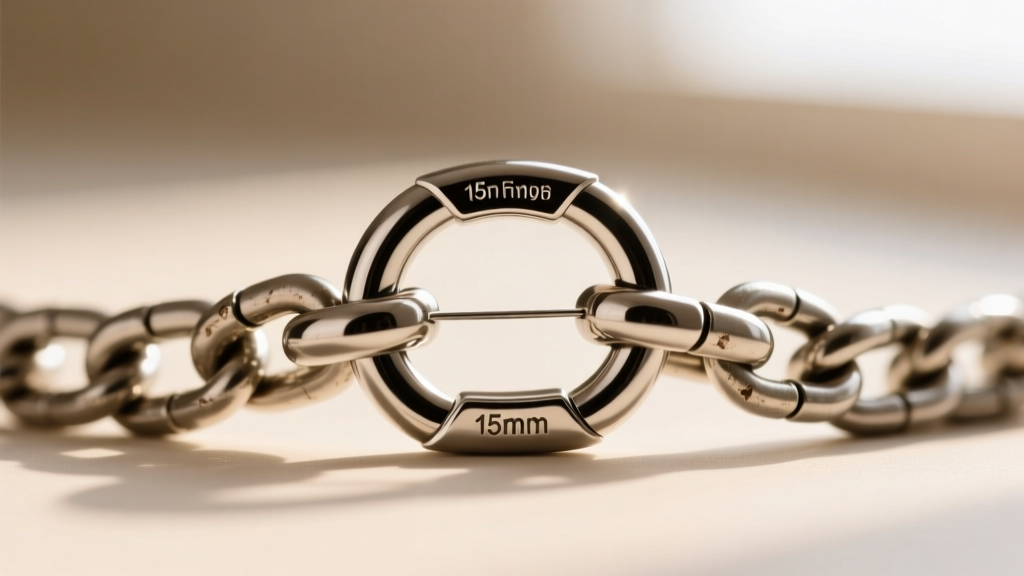
The tensile strength required to secure a 5mm necklace far exceeds that of a 1mm or 2mm chain. A standard 12mm lobster clasp, typically used for lighter jewelry, contains a tiny internal spring and a thin wire trigger. When subjected to the 40+ gram dynamic load of a swinging 5mm chain, the trigger wire can bend, or the spring can fatigue, causing the clasp to pop open unexpectedly. This is a massive security risk for heavy precious metal chains.
To troubleshoot a failing clasp on a 5mm chain, you must upgrade the hardware. The Gemological Institute of America (GIA) and master jewelers recommend that the clasp width should be at least three times the width of the chain for optimal structural integrity. Therefore, a 5mm chain requires a minimum 15mm heavy-duty lobster clasp, or ideally, a box clasp equipped with a figure-eight safety catch. Box clasps distribute the lateral pull evenly across a wedge mechanism, completely eliminating spring fatigue and providing a seamless look that matches the chain's thickness.
Pendant Bail Sizing: Why Your Charms Don't Fit a 5mm Chain
One of the most frequent troubleshooting dilemmas with a 5mm necklace is the inability to slide standard pendants onto the chain. A 5mm chain requires a bail (the loop connecting the pendant to the chain) with an internal diameter of at least 6mm to 7mm to allow for fluid movement. Most commercial pendants are fitted with 3mm or 4mm bails designed for delicate cable chains. Forcing a 5mm chain through a tight bail causes severe friction, wearing down the plating on the bail and stressing the chain's end links.
The Troubleshooting Protocol: Do not attempt to bend or pry open a soldered bail to accommodate a 5mm chain; this will compromise the structural integrity of the pendant setting, potentially leading to gemstone loss. Instead, visit a bench jeweler to have the standard bail snipped off and replaced with an oversized 'snap-on' or 'tube' bail specifically calibrated for 5mm to 6mm widths. Alternatively, utilize a sterling silver or gold 'chain converter'—a specialized jump ring with an attached elongated loop that bridges the gap between thick chains and delicate pendant holes.
Skin Irritation and Tarnish Troubleshooting
Because a 5mm chain has a substantial footprint on the chest and neck, it traps heat and moisture against the skin. If you are experiencing contact dermatitis or a greenish discoloration on your sternum, the issue is likely the alloy composition of the chain's base metal.
Many mass-produced 5mm chains are crafted from brass or copper bases with a thin layer of gold or rhodium plating (often just 0.1 to 0.5 microns thick). Once the friction of the heavy 5mm links wears through the plating at the high-contact points, the exposed copper reacts with sweat to create copper chloride, resulting in green skin and localized rashes.
The Fix: If you have sensitive skin, retire the plated 5mm chain. Replace it with solid 14k gold, platinum, or high-grade 316L surgical stainless steel. 316L contains molybdenum, which provides exceptional resistance to chloride corrosion (sweat), making it the ultimate troubleshooting material for heavy, wide chains worn in humid climates. Avoid 304 stainless steel, as it lacks the molybdenum necessary to prevent pitting and rusting from prolonged skin contact.
Summary Checklist for 5mm Chain Maintenance
- Weekly: Wipe down with a microfiber cloth to remove surface oils that degrade plating and attract dust.
- Monthly: Perform an ultrasonic bath to clear debris from the inner link joints, restoring fluid drape and preventing hair snags.
- Annually: Have a jeweler inspect the clasp spring tension and the soldered jump rings, which endure the most stress on a heavy 5mm necklace.
- Storage: Always hang a 5mm chain vertically on a jewelry stand. Coiling a heavy 5mm chain in a drawer creates rigid kinks that weaken the solder points over time and leads to severe tangling.


